7 Small Changes That Boost Lemon Tetra Activity
Lemon tetras are small, vibrant fish that bring life to any aquarium. Observing their activity and playful movements can be very rewarding for fish enthusiasts who enjoy a lively tank environment every day. Small changes in tank conditions can significantly boost lemon tetra activity. Adjustments such as optimizing water temperature, maintaining proper pH, introducing gentle … Read more
Can Lemon Tetra Live in Brackish Water?

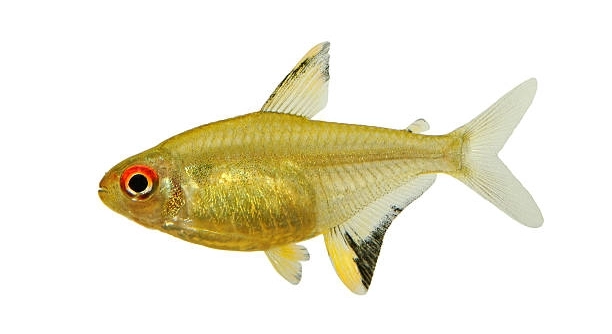
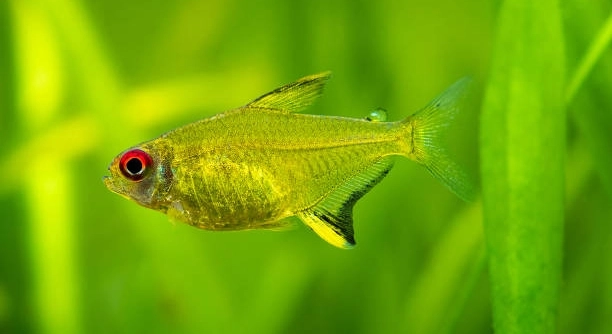
Lemon tetras are small, vibrant fish that brighten any freshwater aquarium. Many aquarium enthusiasts enjoy their peaceful nature and striking yellow color, making them a favorite for both beginners and experienced fish keepers alike. Lemon tetras cannot thrive in brackish water. They are strictly freshwater species, and exposure to saline conditions can cause stress, health … Read more

Can Lemon Tetra Survive in Tap Water?

Lemon tetras are small, colorful fish that brighten up any aquarium. Many fish keepers enjoy their peaceful nature and playful movements. Keeping them healthy often involves careful attention to their water conditions and daily care routines. Lemon tetras can survive in tap water if it is treated and conditioned properly. Untreated tap water may contain … Read more

7 Common Errors When Treating Lemon Tetra Illness

Dealing with lemon tetra health issues can feel stressful, especially when small signs of trouble appear in your aquarium. These fish often show subtle changes that lead many owners to misunderstand their needs and care. Identifying common mistakes in treating lemon tetra illness requires attention to water quality, medication use, and early symptoms. Misjudging these … Read more

Why Is My Arowana Breathing Faster Than Normal?

Have you noticed your arowana moving its gills faster than usual while swimming in the tank? Observing your fish’s breathing pattern is important for keeping it healthy and ensuring its environment is suitable for long-term care. Rapid breathing in arowanas is typically caused by low oxygen levels, poor water quality, high temperature, or stress. Addressing … Read more

Can Lemon Tetra Survive Without a Filter?

Have you ever cared for lemon tetras and wondered how their tank setup affects their comfort and long term health in a simple home aquarium environment that keeps them active calm and supported each day Lemon tetras can survive for short periods without a filter, but their long term health declines quickly because biological filtration … Read more

7 Reasons Your Lemon Tetra Keep Flaring Fins

Lemon tetras are small, lively fish that brighten up any aquarium. Sometimes their fins flare, which can be alarming for owners. Observing this behavior can help you understand your fish and maintain a healthy tank environment. Lemon tetras flare their fins primarily due to stress, territorial behavior, or water conditions. Flared fins can indicate aggression, … Read more

7 Mistakes That Make Lemon Tetra Lose Their Shine

Do your lemon tetras seem less bright than usual, their yellow shimmer fading despite your care? Many aquarists notice this change and wonder if something in their routine is affecting the fish’s natural glow. Lemon tetras lose their shine mainly due to improper water conditions, poor nutrition, stress from overcrowding, and inconsistent tank maintenance. Ensuring … Read more

How to Make Lemon Tetra More Colorful

Lemon tetras are small, lively fish that bring brightness to any aquarium. Many fishkeepers enjoy their natural colors but often hope to see them shine even more vividly. Maintaining their health is key to vibrant hues. Enhancing the coloration of lemon tetras primarily involves providing a balanced diet rich in carotenoids, maintaining stable water conditions, … Read more

7 Things Lemon Tetra Love in Their Habitat

Lemon tetras are small, vibrant fish that brighten up any aquarium. They enjoy calm waters with plenty of plants and gentle currents. Observing their natural behaviors can help create a habitat where they feel secure and active. Lemon tetras thrive in environments that mimic their natural South American habitats. They prefer densely planted tanks, soft … Read more