
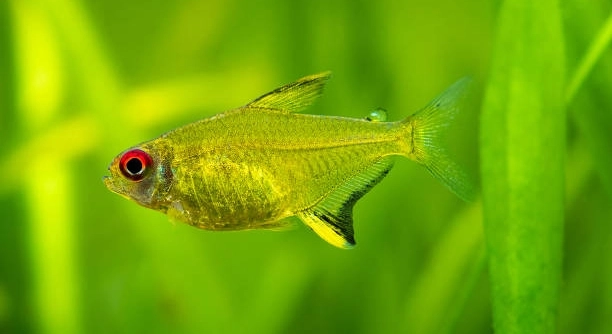
Dealing with lemon tetra health issues can feel stressful, especially when small signs of trouble appear in your aquarium. These fish often show subtle changes that lead many owners to misunderstand their needs and care.
Identifying common mistakes in treating lemon tetra illness requires attention to water quality, medication use, and early symptoms. Misjudging these factors leads to delayed recovery, increased stress, and higher mortality, making proper assessment essential for maintaining stable and healthy conditions.
Understanding these missteps can help you support your fish more confidently, offering steadier care that encourages safer recovery and wellbeing.
Overlooking Water Quality Issues
Many people overlook how small changes in water quality can affect lemon tetras, and I have seen how quickly these fish react to shifting conditions. When parameters move even slightly, their stress levels rise and they become more prone to illness. Clean water, stable temperature, and steady filtration are the foundation of their wellbeing, yet they are often ignored when symptoms first appear. Some owners try to fix the issue with treatments before checking the tank conditions, which only makes things worse. Understanding that these fish rely heavily on consistent water chemistry helps you avoid unnecessary mistakes. Paying attention to these basics prevents further complications and keeps your fish stronger during recovery. While it may feel simple, maintaining good water quality is one of the most effective ways to support their health. This small effort creates a safer environment that allows them to handle stress with greater stability and comfort.
Ignoring early signs of illness often leads to slower recovery for lemon tetras, especially when water quality problems are not addressed promptly. Proper monitoring keeps their environment stable and prevents minor issues from turning into serious complications that affect their overall health and helps maintain a more balanced aquarium system.
A common mistake is assuming that medication alone will fix every issue your lemon tetras face. Many treatments lose effectiveness when the tank conditions remain unstable, and this causes confusion for owners who expect quick results. Creating steady surroundings allows the medication to work as intended and supports the fish as they regain strength. Consistency is the key, and simple steps like regular testing and gentle cleaning make a noticeable difference. When you focus on the entire environment rather than one treatment, you give your fish a better chance at healing in a calm and steady space every single day.
Misusing Medications
Misusing medications is another frequent error, especially when dosages are adjusted without proper guidance. Lemon tetras can react strongly to incorrect amounts, which leads to stress and weakened immunity. Keeping treatments measured and consistent helps keep their health stable and prevents additional complications from developing in the tank environment daily.
Many owners turn to medications before identifying the root of the problem, and this often leads to repeated treatments that never solve the underlying issue. Lemon tetras are sensitive to sudden changes, so applying strong remedies without checking water parameters or observing behavior creates unnecessary stress. When medication is used too frequently, the fish may weaken rather than improve, and the tank environment becomes unstable. A better approach is to take a moment to study the situation closely. Look at the fish, test the water, and make small adjustments that support balance. These simple steps give you clearer insight into what is actually happening. Once you understand the real trigger, you can choose a treatment that matches the situation, rather than guessing and hoping for the best. This careful method keeps the tank steady while helping your fish recover with less strain. By combining gentle observation with steady maintenance, you create conditions that allow your lemon tetras to respond more effectively to treatment and remain healthier overall. Keeping a consistent routine with feeding, lighting, and cleaning supports this process by reducing sudden changes that might overwhelm them and interrupt healing, allowing the aquarium to settle into a healthier rhythm naturally.
Incorrect Quarantine Practices
Many owners skip quarantine steps, which exposes lemon tetras to extra stress when new fish enter the tank. This leads to fast spreading issues that could have been prevented with simple separation. Keeping new arrivals isolated helps protect your fish and supports steadier health during sensitive times for their wellbeing.
Quarantining new fish gives you time to observe their behavior and spot early signs of illness before placing them with your lemon tetras. This simple step reduces risk and keeps the main tank more stable. When quarantine is skipped, hidden problems often appear later and spread quickly through the group. I have seen how stressful this becomes for owners who try to manage sudden outbreaks. A calm, separate space lets you treat issues without disturbing the main tank. Gentle monitoring during this period helps you understand what your new fish need and keeps your aquarium steadier overall in this way.
Many people do not realize that quarantine also protects fish already recovering from illness. Lemon tetras under stress can weaken even more when exposed to unfamiliar tank mates. Keeping new fish isolated lowers the chance of introducing new problems. During this time, you can adjust water conditions, observe small changes, and make needed corrections without worrying about the whole tank. This careful approach supports better stability for your fish and reduces the pressure of handling unexpected health issues. With a little patience, you give every fish a safer start and keep the main aquarium running with fewer interruptions each day.
Feeding Errors During Illness
Feeding mistakes often slow recovery for lemon tetras, especially when food is offered too frequently or in amounts they cannot handle. Sick fish have lower energy, and extra food quickly pollutes the water. This creates additional stress that interferes with healing. Giving small, gentle portions helps maintain balance. Choosing soft, easy to digest foods keeps their strength steadier and prevents unnecessary strain inside the tank during times when they feel more vulnerable and need support.
Feeding lemon tetras during illness requires calm observation and a slow approach. Many owners continue their usual routine without noticing that the fish are eating less, which causes uneaten food to settle and disrupt water balance. When water becomes unstable, healing slows and symptoms may worsen. Offering smaller meals that match their appetite keeps the environment cleaner and reduces strain on their bodies. Soft foods or finely crushed flakes are easier for weak fish to handle, helping them maintain energy without struggling. I have found that watching how quickly they respond to food gives clear clues about their comfort. Adjusting portions based on these reactions keeps the feeding routine steady. This gentle method supports recovery while protecting water quality and reducing stress across the tank.
Using Harsh Cleaning Methods
Strong cleaning routines often disturb the balance your lemon tetras rely on. Scrubbing too aggressively or replacing too much water at once can cause sudden shifts that weaken them further. Gentle maintenance keeps stress low and helps the tank remain stable during sensitive moments.
Harsh cleaning also removes beneficial bacteria that support a healthy environment. Without these bacteria, the tank becomes more prone to instability, which slows healing. Soft, steady care keeps things balanced and protects your fish from added strain when they need calm and consistency the most.
Misreading Behavioral Changes
Misreading behavior often leads owners to use treatments that do not match the actual issue. Lemon tetras show small signs before illness becomes obvious, and noticing these changes early makes a big difference. Simple observations like reduced movement, slower feeding, or odd grouping patterns reveal important clues about their comfort. When these signals are overlooked, owners sometimes choose strong treatments that only add more stress. Watching closely gives you a clearer view of what they truly need. This calm approach helps avoid unnecessary interventions and keeps the tank stable while supporting their recovery with care that matches their condition each day.
Overcrowding the Tank
Overcrowding raises stress levels fast, making lemon tetras more vulnerable when they are already struggling. Giving them open space to move and breathe supports steadier recovery and helps maintain a calm environment that encourages better health.
FAQ
What are the first signs of illness in lemon tetras?
Early symptoms are often subtle, so noticing them requires calm observation. You might see slight fading of color, reduced activity, or slower responses during feeding. Some fish may isolate themselves or stay near the bottom longer than usual. These small shifts often appear before visible physical symptoms. Catching these early signs helps you respond before the issue grows. When you stay aware of these small changes, you can make simple adjustments that support your fish gently without adding pressure or strong treatments that may not be necessary. This steady attention keeps the tank more stable.
How important is water quality during recovery?
Water quality plays a major role in helping lemon tetras regain strength. Even a mild fluctuation can interrupt their ability to heal, especially when they are already stressed. Stable conditions reduce pressure on their bodies, allowing them to focus energy on recovery. Regular testing, small water changes, and soft cleaning routines keep the tank safe and balanced for them. I have seen how consistent environments help fish settle down faster and respond better to gentle treatments. When the water stays steady, your lemon tetras remain calmer and have a much easier time returning to normal behavior and appearance.
Should I isolate a sick lemon tetra?
Isolation is helpful when a fish shows strong symptoms or when you suspect something contagious. A separate container allows you to monitor one fish closely without disturbing the entire tank. This space reduces stress by preventing them from competing for food or dealing with active tank mates. It also lets you treat the fish without exposing others to unnecessary medication. Keeping the isolation tank stable is just as important, because sudden shifts can make the condition worse. With consistent care, isolated lemon tetras often show clearer signs of improvement, helping you adjust treatments at a calmer pace.
How often should I feed a sick lemon tetra?
Feeding should be reduced during illness, as sick fish have less energy and eat more slowly. Light meals given in small portions prevent leftover food from settling and harming water quality. Too much food will quickly pollute the tank and create extra stress. Offering soft or finely crushed foods helps them eat with less effort, especially when their appetite is weak. Watching how they respond during feeding gives you helpful clues. If they approach the food slowly, smaller amounts keep things manageable. These careful adjustments keep the tank clean and support steady healing.
What treatments should I avoid when the cause of illness is unclear?
When you’re unsure of the cause, strong treatments can make things more complicated. Medications that target specific issues may not help unless the problem is correctly identified. Using them repeatedly creates stress and disrupts the tank balance. Instead of guessing, monitor behavior, test the water, and look for consistent symptoms. These details help you choose a more fitting treatment if one is needed at all. Many issues improve simply through improved tank conditions, gentle cleaning, and stable water parameters. Avoiding unnecessary treatments keeps your fish safer and preserves the tank’s natural balance.
Why do lemon tetras react strongly to sudden changes?
Lemon tetras are sensitive fish that depend on steady surroundings. Sudden changes in temperature, water chemistry, or lighting create stress that weakens their ability to fight illness. Even small disruptions can shift their behavior and slow their recovery. Keeping routines consistent helps them feel secure and prevents the environment from swinging too quickly. Stability gives their bodies the calm space needed to heal. Over time, you begin to see how predictable care supports better health and fewer complications.
How can I prevent recurring illness in my lemon tetras?
Prevention relies on simple, steady habits that keep the tank balanced. Regular testing, gentle cleaning, careful feeding, and mindful fish selection all work together to avoid problems before they begin. Watching your fish daily helps you catch small changes early. Quarantining new arrivals protects your existing fish, and avoiding overcrowding ensures each fish has enough space to move comfortably. These steps may feel small, but they create a stronger foundation for your lemon tetras. When the entire environment stays steady, illnesses are far less likely to return, and your fish live healthier, calmer lives.
Final Thoughts
Caring for lemon tetras during illness can feel overwhelming at times, especially when the signs appear suddenly or seem unclear. These fish often react to small changes that might not stand out at first, and this makes their care feel a bit delicate. With each step you take, you begin to understand how their behavior reflects the conditions around them. When the environment stays steady, they respond with calmer movement and brighter color, which can be reassuring during stressful moments. While their needs may seem simple, consistency truly shapes their overall wellbeing. Staying gentle and observant gives you a clearer picture of what they require. Over time, these small habits settle into a routine that keeps the tank balanced. This approach helps you handle challenges with more confidence and reduces the pressure that comes when illness appears unexpectedly.
Supporting sick lemon tetras involves patience, steady decisions, and a willingness to adjust your approach when something feels off. Many issues can be managed by paying closer attention to their daily behavior and the condition of the tank. Instead of relying on quick fixes, small changes often create a better outcome for both the fish and the environment they depend on. Watching them closely during feeding, checking the water regularly, and avoiding sudden changes helps them recover with less strain. These steps might seem subtle, but they build a strong foundation that allows your fish to heal naturally. When you keep medication as a last step rather than the first response, you give their bodies the chance to settle into recovery at a safe pace. In the long run, calm and steady care becomes much more effective than rushing into treatments that may not address the cause. Your presence, patience, and consistency play a bigger role than you might expect.
As you continue caring for your lemon tetras, you will likely find that illness becomes easier to understand and prevent. Each experience teaches you something new about what they need and how they react to different situations. When you maintain a balanced tank, feed them appropriately, avoid overcrowding, and quarantine new fish, you create an environment that supports long term health. These choices help reduce stress for your fish and give you more control over their wellbeing. Even when challenges appear, you will have the knowledge to respond calmly and make thoughtful adjustments. Over time, your confidence grows, and the tank becomes a stable space where your fish can thrive. With steady care, thoughtful observation, and a gentle approach, you build a healthier environment that supports your lemon tetras at every stage of their life.

Hello,
If you enjoy the content that we create, please consider saying a "Thank You!" by leaving a tip.
Every little bit helps us continue crafting quality advice that supports the health, happiness, and well-being of pets around the world, for pets of all shapes, sizes, and species.
We really appreciate the kindness and support that you show us!