
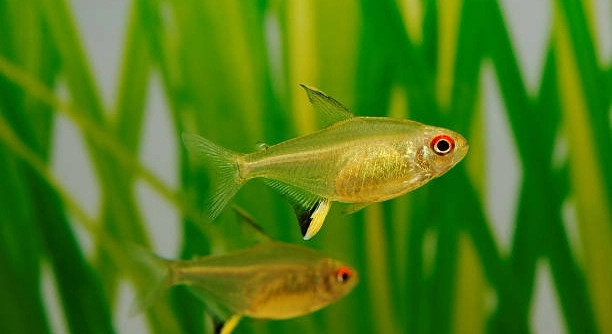
Do your lemon tetras seem less bright than usual, their yellow shimmer fading despite your care? Many aquarists notice this change and wonder if something in their routine is affecting the fish’s natural glow.
Lemon tetras lose their shine mainly due to improper water conditions, poor nutrition, stress from overcrowding, and inconsistent tank maintenance. Ensuring stable water parameters, a varied diet, and a calm environment is essential for maintaining their vibrant coloration.
Understanding these common mistakes will help you correct your care approach and restore your lemon tetras’ natural brightness over time.
Poor Water Quality
Maintaining clean water is one of the most important aspects of keeping lemon tetras bright and healthy. I’ve noticed that even small changes in water quality can dull their yellow coloration. High levels of ammonia, nitrites, or nitrates stress the fish and weaken their immune system. Uneaten food and decaying plants can contribute to poor water conditions, so it’s important to remove debris regularly. I once underestimated the effect of a small biofilm forming on the tank surface, and my tetras looked noticeably dull within days. Regular water testing and partial water changes help maintain stability. Temperature fluctuations can also affect their health, so keeping the water within the recommended range is essential. Using a good filtration system supports this balance, reducing the buildup of harmful compounds. Observing your tetras daily allows you to notice any changes early and take quick action before their coloration fades further.
Maintaining clean, stable water prevents stress and keeps lemon tetras vibrant and healthy. Regular testing is key.
Even small lapses in water maintenance can have a big effect on your tetras’ color. Consistency is essential. Partial water changes of 20-25% weekly help maintain low nitrate levels and reduce toxins. Avoid overcrowding the tank because too many fish increase waste, making it harder to maintain water quality. Using a reliable filter rated for your tank size ensures proper circulation and biological filtration. Keeping the water temperature steady between 72-78°F reduces stress, which also preserves their natural yellow hue. Additionally, vacuuming the substrate removes trapped debris that can decompose and release harmful chemicals. I’ve found that monitoring water clarity and testing weekly for ammonia, nitrite, and nitrate levels is the simplest way to prevent dullness. A stable, clean environment allows your lemon tetras to show their natural shine without interruption.
Inadequate Diet
Feeding only one type of food can cause lemon tetras to lose their vibrant color. Variety is key for both nutrition and brightness.
A balanced diet rich in protein and carotenoids enhances their yellow hue naturally.
Lemon tetras require a mix of high-quality flake food, frozen or live brine shrimp, daphnia, and occasional bloodworms to stay healthy. I noticed that when I relied solely on flakes, my tetras’ color dulled within weeks. Carotenoid-rich foods, like certain types of shrimp and spirulina, directly support their yellow pigmentation. It’s helpful to feed small amounts multiple times a day rather than one large meal to prevent overfeeding, which can pollute the water. I like to rotate foods daily to ensure they receive all necessary nutrients. Supplements are not always required if the diet is varied, but adding them occasionally can help during periods of stress or color fading. Keeping a feeding routine also reduces aggression over food and ensures all fish get enough to eat. A proper diet combined with clean water makes a noticeable difference in their shine over time.
Overcrowded Tank
Overcrowding increases stress, which directly affects lemon tetras’ color. Too many fish in a small tank lead to constant competition for food and hiding spots, causing them to lose their natural brightness.
Keeping the tank within its recommended capacity is essential for their health. I once added a few extra tetras, thinking the tank could handle it, but they became skittish and pale almost immediately. Overcrowding also worsens water quality because more fish produce more waste. Stress from fighting or constant movement reduces their immune response and can lead to disease. A balanced number of fish ensures each tetra has space to swim, hide, and feed comfortably. Providing plenty of plants and decorations helps reduce territorial disputes and offers natural cover. Maintaining proper density prevents stress, keeps water cleaner, and allows lemon tetras to display their full coloration consistently.
Even with proper diet and clean water, overcrowding alone can dull your tetras. Limiting numbers and arranging hiding spots maintains calm and vibrant fish.
Avoiding overcrowding also helps prevent illness and promotes social harmony among tetras. When fish are cramped, their behavior changes—they may chase each other, hide excessively, or refuse to eat. This stress reduces energy for maintaining their bright yellow coloration. I noticed when my tank population dropped to the recommended level, the tetras regained their liveliness and glow within a few weeks. Overcrowding also complicates feeding, as dominant fish often take the majority of food, leaving smaller tetras undernourished. Using a larger tank or reducing the number of fish solves this issue. Decorations, live plants, and open swimming areas create a balanced environment that supports both their health and natural shine. Monitoring behavior alongside water quality ensures the tank remains a comfortable home for every tetra.
Inconsistent Lighting
Lemon tetras need consistent lighting to maintain their bright color. Sudden changes or insufficient light make them appear dull and stressed.
Regular lighting cycles help fish stay healthy and maintain their natural brightness.
I keep my tank lights on a timer for about 10-12 hours a day, which mimics a natural day-night cycle. Irregular lighting can confuse fish, reduce activity, and even affect their feeding habits. Inconsistent light also impacts the growth of live plants, which provide shelter and contribute to a stable environment. Too much light, however, encourages algae growth, which can stress fish and pollute the tank. Finding a balance ensures tetras stay vibrant without introducing additional maintenance problems. Observing their behavior and color helps determine if the lighting schedule needs adjustment. Consistent, moderate lighting supports their natural rhythm, enhances coloration, and promotes overall health.
Stress from Tank Mates
Aggressive or larger fish can stress lemon tetras, causing them to lose color. Even subtle chasing or nipping makes them hide and appear pale.
Choosing peaceful tank mates ensures tetras feel safe and can display their natural yellow hue without constant fear or stress.
Sudden Water Changes
Drastic water changes shock lemon tetras and can dull their coloration. Rapid shifts in temperature, pH, or hardness cause stress and reduce immune response.
I learned to perform gradual water changes over several hours, mixing new water slowly with the tank water. This helps tetras adjust without panic. Using a consistent routine, like 20-25% weekly changes, keeps water stable and reduces stress. Sudden changes can also upset beneficial bacteria, leading to temporary spikes in ammonia or nitrites. By testing water before adding it and ensuring similar temperature and pH, the tank remains calm. Over time, this careful approach preserves their brightness and prevents color loss while supporting overall health. Consistency in maintenance makes a noticeable difference in their vibrancy and behavior.
Lack of Hiding Spots
Without adequate shelter, lemon tetras feel exposed, which leads to stress and dull colors. Plants and decorations provide necessary cover.
FAQ
Why is my lemon tetra losing its bright yellow color?
Lemon tetras lose brightness mainly due to stress, poor water quality, inadequate diet, overcrowding, or inconsistent lighting. I’ve seen even small changes in temperature or pH dull their color. Ensuring stable water parameters, providing a balanced diet, and keeping the tank calm helps restore their natural vibrancy over time.
How often should I change the water in my lemon tetra tank?
Performing partial water changes of 20-25% weekly keeps water clean and reduces harmful chemicals like nitrates. I mix new water slowly to match temperature and pH, preventing sudden shocks. Gradual, consistent changes maintain stable conditions that allow tetras to keep their bright yellow hue.
What foods help maintain lemon tetra coloration?
A mix of high-quality flakes, frozen or live brine shrimp, daphnia, and occasional bloodworms provides essential nutrients. Foods rich in carotenoids, like shrimp or spirulina, directly support yellow pigmentation. I rotate foods daily to make sure each fish gets a variety, which helps maintain their natural shine.
Can tank mates affect my tetras’ color?
Yes. Aggressive or larger fish can stress lemon tetras, causing them to hide or become pale. I’ve seen this firsthand when tetras were housed with nippy species. Choosing peaceful tank mates ensures a calm environment, allowing your tetras to display their natural brightness.
How much lighting do lemon tetras need?
Lemon tetras benefit from 10-12 hours of consistent lighting daily. I use a timer to maintain a natural day-night cycle. Too little light dulls color, while too much can encourage algae growth. Balanced lighting helps fish stay active and maintain vibrant coloration.
Does overcrowding impact their health and color?
Overcrowding increases stress and reduces color vibrancy. Too many fish produce more waste, making water maintenance harder and creating tension in the tank. I limit my tank to the recommended number of tetras, providing plenty of swimming space and hiding spots, which keeps them healthy and colorful.
How do I prevent stress in my tank?
Stress comes from aggressive fish, poor water quality, sudden changes, or lack of shelter. Adding plants and decorations gives tetras hiding places. Keeping a consistent routine, maintaining proper water parameters, and avoiding overcrowding are steps I follow to minimize stress and maintain their natural yellow glow.
Can temperature fluctuations affect my lemon tetras’ color?
Yes. Sudden changes in temperature can shock the fish, making them lose color and become inactive. I keep my tank temperature steady between 72-78°F using a reliable heater and thermometer. Consistent temperatures reduce stress and help tetras maintain bright, healthy coloration.
Are there signs of illness that affect their shine?
Pale or faded coloration can indicate illness, including parasitic or bacterial infections. Lethargy, loss of appetite, and abnormal swimming patterns often accompany these issues. I monitor my tetras daily and isolate any sick fish immediately to prevent spreading and restore their health and color.
Do lemon tetras need hiding spots in the tank?
Absolutely. Lack of cover makes them feel exposed, which causes stress and dull colors. I add live plants, rocks, and small decorations to create hiding areas. This setup reduces stress, promotes natural behavior, and allows them to show their vibrant yellow coloration consistently.
Can changing the water too quickly harm my tetras?
Yes. Sudden water changes can shock lemon tetras, affecting their immune system and color. I always add new water slowly, matching temperature and pH. Gradual changes prevent stress, maintain stability, and support their natural brightness over time.
How do I know if my tetras are stressed?
Signs include hiding, pale coloration, loss of appetite, and erratic swimming. I notice that stressed tetras often avoid open areas. Observing daily behavior, maintaining water quality, and providing hiding spots help reduce stress and keep their natural colors bright.
Can supplements improve their color?
Occasional supplements rich in carotenoids or vitamins can enhance coloration, especially if dietary variety is limited. I use them sparingly, focusing on a balanced diet first. Supplements are most effective when paired with clean water and minimal stress, helping lemon tetras maintain their natural shine.
Is tank size important for their color and health?
Yes. A small, overcrowded tank stresses tetras and reduces color. I ensure my tank provides enough space for swimming, hiding, and social interaction. Proper tank size supports water quality, reduces competition, and allows tetras to display their bright yellow hue consistently.
How long does it take for tetras to regain color?
With proper care, tetras can regain their color within a few weeks. I’ve seen noticeable improvement after stabilizing water, improving diet, and reducing stress. Patience is key, as sudden changes or continued stress will prevent recovery and keep colors dull.
Lemon tetras are naturally bright and cheerful fish, but their color can fade for many reasons. Poor water quality, overcrowding, stress from tank mates, and improper diet are the most common factors. I’ve learned that even small mistakes in care can affect their appearance. Watching a dull or pale tetra is a sign that something in the tank environment is not quite right. Addressing these issues early makes a big difference. Regular water tests, partial water changes, and keeping the tank clean help prevent many problems. Maintaining stable water parameters like temperature, pH, and hardness reduces stress and keeps your tetras healthy. Even small adjustments, like removing decaying plants or leftover food, can improve water quality and help your tetras regain their natural shine over time.
A balanced diet is another key factor in keeping lemon tetras colorful. Relying on one type of food often leads to faded coloration. I always mix high-quality flakes, frozen or live brine shrimp, daphnia, and occasional bloodworms to give my tetras a variety of nutrients. Foods rich in carotenoids, such as shrimp or spirulina, help maintain their bright yellow pigmentation. Feeding small amounts multiple times a day rather than one large meal also prevents overfeeding and reduces waste buildup in the tank. Rotating foods and providing occasional supplements can help during periods of stress or if color starts to fade. When combined with proper water conditions and a calm environment, a varied diet allows lemon tetras to show their full natural beauty.
Creating a stable and stress-free environment is equally important. Lemon tetras thrive when they feel safe and have enough space to swim. Overcrowding, aggressive tank mates, and lack of hiding spots make them anxious and pale. I’ve found that adding plants, rocks, and small decorations gives tetras places to hide and reduces tension in the tank. Consistent lighting, moderate in intensity, supports their natural rhythm and enhances color without encouraging algae growth. Gradual adjustments in water and a careful eye on behavior help prevent stress. With patience, observation, and consistent care, lemon tetras regain their brightness and remain healthy. Focusing on water quality, nutrition, and comfort creates a simple but effective routine that allows these fish to thrive and display their vibrant yellow hue.

Hello,
If you enjoy the content that we create, please consider saying a "Thank You!" by leaving a tip.
Every little bit helps us continue crafting quality advice that supports the health, happiness, and well-being of pets around the world, for pets of all shapes, sizes, and species.
We really appreciate the kindness and support that you show us!