
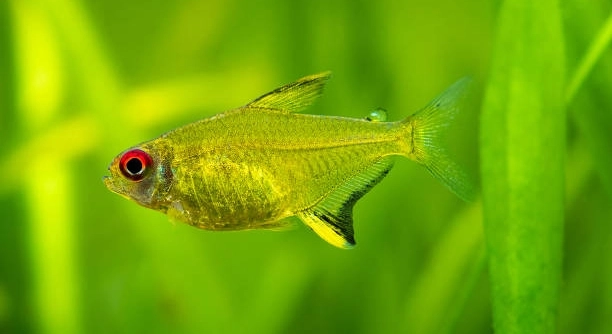
Lemon tetras are small, vibrant fish that brighten up any aquarium. They enjoy calm waters with plenty of plants and gentle currents. Observing their natural behaviors can help create a habitat where they feel secure and active.
Lemon tetras thrive in environments that mimic their natural South American habitats. They prefer densely planted tanks, soft water with stable temperature, shaded areas, and gentle filtration that supports peaceful schooling behavior and reduces stress.
Learning how to arrange their tank properly can improve their well-being. Proper lighting, plant placement, and water conditions all influence how comfortable lemon tetras feel in their space.
Plenty of Plants
Lemon tetras feel safest in tanks with dense vegetation. Live plants like Java fern, Amazon sword, and hornwort provide hiding spots, reduce stress, and create natural boundaries. The plants also help maintain water quality by absorbing excess nutrients. Floating plants offer shaded areas, which make the fish feel secure and encourage natural schooling behavior. When arranging plants, think about creating layers and open swimming spaces. Tetras like to swim in the middle or upper areas, so balance tall and short plants for comfort. Plants also allow for better oxygenation, improving the overall health of the aquarium. When cleaning the tank, avoid disturbing plant roots too much, as it can stress the fish. Over time, healthy plants will grow and provide more coverage, which supports breeding behavior. Observing how lemon tetras interact with plants can guide future adjustments. Small changes in plant placement can make a noticeable difference in their activity levels.
Plants give lemon tetras hiding spots, shading, and security, supporting natural behavior and overall well-being in their tank environment.
Regular trimming and maintenance of plants keep the tank looking good and prevent overcrowding. Plants not only improve water quality but also help create a more natural setting. The fish feel calmer, and their colors appear brighter. Adding a variety of plants gives them options for resting, exploring, and schooling safely. Watching them weave through foliage is satisfying, and you can see which areas they prefer. Small floating plants soften light and create gentle shadows, which mimic rivers or streams. Stronger, rooted plants provide vertical cover, and the combination allows lemon tetras to explore without feeling exposed. A well-planted tank supports healthy fish behavior, including schooling and breeding. It also reduces aggression and stress because the fish can establish their own territories naturally. Adjusting plant density over time can help maintain balance and ensure they continue to thrive in the tank.
Gentle Filtration
Lemon tetras need clean water, but strong currents stress them. Gentle filtration helps maintain water clarity and quality without overwhelming the fish. Slow-flow filters or sponge filters are ideal, as they keep the water moving softly while removing debris.
Gentle filters provide stable water conditions, reduce stress, and allow natural swimming patterns.
Choosing the right filter and placement ensures oxygenation while keeping the water calm. Lemon tetras prefer to swim in schools, and strong currents can scatter them and cause fatigue. Avoid positioning filters where water shoots directly at the fish. A sponge filter also provides extra surface area for beneficial bacteria to grow, supporting a balanced ecosystem. Regular maintenance like rinsing the filter media in tank water keeps the filtration effective without disturbing the tank’s natural balance. Observing how the fish respond after adjusting filtration helps optimize comfort. Gentle water flow encourages them to explore, feed naturally, and display vibrant colors. Proper filtration also prevents buildup of waste, which can cause illness if neglected. Over time, a carefully chosen filtration system will keep both water quality high and lemon tetras stress-free.
Soft Water Conditions
Lemon tetras thrive in soft, slightly acidic water. Keeping pH around 6.0–7.0 and low hardness reduces stress and encourages natural behavior. Frequent water testing helps maintain stable conditions and prevents sudden changes that could harm the fish.
Soft water supports healthy skin, vibrant colors, and natural schooling behavior. Sudden shifts in hardness or pH can weaken their immune system and increase susceptibility to disease. Using reverse osmosis water or mixing tap water with purified water helps maintain consistent softness. Adding driftwood or peat can gently lower pH while giving a natural look. Regular water changes of 20–25 percent weekly help remove excess nutrients and keep the tank stable. Lemon tetras are sensitive to fluctuations, so monitoring parameters ensures they stay active and healthy. Consistent water conditions also improve breeding success and overall vitality.
Stable soft water reduces stress and enhances well-being. Fish swim confidently, interact naturally, and exhibit bright colors. Peat, driftwood, and regular changes maintain balance, making the tank a safe environment.
Shaded Areas
Providing shaded areas helps lemon tetras feel secure and reduces stress. Floating plants or decorations create gentle shadows while allowing open swimming spaces.
Shaded regions mimic the natural environment of rivers and streams where sunlight is filtered through leaves. They give lemon tetras places to hide and rest without feeling trapped. Plants like duckweed or water lettuce float on the surface, softening light and creating a calm atmosphere. Shadows allow the fish to school comfortably and reduce aggressive interactions. Even small ornaments or caves can act as partial shade, helping timid fish feel safer. Observing which areas the fish prefer can guide future tank adjustments. Maintaining a mix of open and shaded spaces encourages exploration while providing constant comfort. Over time, shaded areas promote natural behaviors and enhance the overall harmony of the aquarium.
Open Swimming Space
Lemon tetras need room to swim freely in the middle and upper areas of the tank. Open space reduces stress, allows natural schooling behavior, and prevents collisions with decorations or plants. Proper balance of plants and free areas is essential.
Clear swimming areas help the fish exercise and explore. Without enough space, they may become timid, hide too often, or show dull colors. Open zones also make feeding easier and ensure all fish have access to food.
Stable Temperature
Keeping the tank temperature consistent between 74–80°F is vital. Sudden changes can shock lemon tetras and weaken their immune systems. Using a reliable heater and thermometer maintains stability and supports healthy, active fish.
Minimal Stress Environment
Avoid overcrowding the tank. Overpopulated conditions increase aggression, stress, and disease risks. A proper fish-to-space ratio allows lemon tetras to school naturally and stay healthy.
Regular Feeding Routine
Feeding lemon tetras small amounts 1–2 times daily keeps them healthy. Consistent schedules prevent overfeeding and maintain water quality.
How many lemon tetras should I keep together?
Lemon tetras are schooling fish and feel safest in groups of at least six. Smaller groups can make them shy or stressed, while larger groups help them display natural behavior. Keeping a proper school reduces aggression and supports active swimming. Observing their interactions will help determine if the group size feels balanced.
What type of food do lemon tetras eat?
Lemon tetras are omnivores. They thrive on a mix of high-quality flake food, micro-pellets, and occasional live or frozen options like daphnia, brine shrimp, or bloodworms. A varied diet ensures proper nutrition, supports color vibrancy, and promotes healthy growth. Feeding small amounts twice daily works best.
How often should I change the water?
Regular water changes are crucial for maintaining healthy conditions. Changing 20–25 percent of the water weekly helps remove waste and excess nutrients, prevents algae, and reduces stress. Always use dechlorinated water at the same temperature to avoid shocking the fish. Consistency is key for long-term stability.
Can lemon tetras live with other fish?
Yes, lemon tetras are peaceful and can coexist with small, non-aggressive species like rasboras, guppies, and corydoras. Avoid larger or aggressive fish that might bully or eat them. Keeping compatible tank mates encourages natural schooling behavior and reduces stress. Observing interactions helps maintain harmony.
Do lemon tetras need a heater?
Yes, a heater is important for maintaining a stable tropical temperature between 74–80°F. Sudden drops can cause illness or stress. Pairing a reliable heater with a thermometer ensures consistent conditions. Stability in temperature helps lemon tetras stay active, eat well, and show their full color.
Why are my lemon tetras hiding?
Hiding behavior often indicates stress, poor water conditions, or an insufficiently planted tank. Check water parameters, ensure proper schooling, and provide shaded or covered areas. Temporary hiding can be normal during acclimation, but prolonged stress should be addressed promptly to prevent health issues.
How do I encourage breeding in lemon tetras?
To breed lemon tetras, provide soft, slightly acidic water and dense plants or spawning mops. Raise the temperature slightly and feed high-quality live foods to stimulate breeding. Remove adults after spawning to prevent egg consumption. Consistent conditions and a calm environment increase the chances of successful hatching.
What signs show my lemon tetras are healthy?
Healthy lemon tetras are active, swim in groups, and display bright colors. Clear eyes, intact fins, and regular feeding are good indicators. Lethargy, clamped fins, or faded colors may indicate stress, poor water quality, or illness. Observing their behavior daily helps detect issues early.
How do I handle water quality issues?
Test water regularly for pH, hardness, ammonia, nitrites, and nitrates. Perform partial water changes and maintain filtration to correct imbalances. Using driftwood, plants, and conditioners can support stable parameters. Keeping a log of water tests helps track trends and prevent long-term problems.
Are lemon tetras sensitive to tank decorations?
Yes, lemon tetras prefer smooth decorations without sharp edges. Avoid items that could injure fins. Providing plants, caves, and floating elements encourages exploration while maintaining safety. Arranging decorations to create both open swimming spaces and shaded zones supports natural behavior.
Can lemon tetras tolerate low light?
Moderate lighting works best. Too bright can stress them, while very dim light reduces activity and coloration. Floating plants or subdued tank lighting help simulate natural conditions, making them feel secure. Observing their preferred areas will guide adjustments.
How long do lemon tetras live?
With proper care, lemon tetras live 3–5 years on average. Stable water, a balanced diet, and a low-stress environment promote longevity. Monitoring health and maintaining consistent tank conditions are crucial for helping them reach their full lifespan.
Do lemon tetras need a specific substrate?
A soft, fine substrate like sand or smooth gravel works best. It supports planted tanks and prevents injury while allowing natural foraging. Avoid sharp or rough substrates that could harm delicate fins or stress the fish. Substrate choice also affects water chemistry, so select carefully.
How can I tell if they are stressed?
Signs of stress include hiding constantly, clamped fins, erratic swimming, loss of appetite, and faded colors. Stress often comes from poor water quality, overcrowding, strong currents, or aggressive tank mates. Identifying and correcting the cause quickly helps prevent illness and promotes well-being.
Is tank size important for lemon tetras?
Yes, a minimum of 20 gallons is recommended for a small school. More space allows proper schooling, swimming, and reduces territorial conflicts. Larger tanks make it easier to maintain stable water conditions and provide room for plants, decorations, and shaded areas.
Can lemon tetras adapt to different water parameters?
They tolerate slight variations but do best in soft, slightly acidic water with stable temperature. Sudden changes in pH, hardness, or temperature can cause stress. Gradual adjustments and careful monitoring help them adapt without impacting health.
Do lemon tetras need supplemental oxygen?
Generally, they do not require extra aeration if the tank is properly filtered and planted. Gentle water movement provides enough oxygen. In densely stocked tanks or during high temperatures, adding an air stone can help maintain adequate oxygen levels.
Are lemon tetras prone to disease?
They are relatively hardy but can get common freshwater diseases like ich or fin rot if stressed or kept in poor water conditions. Maintaining clean water, proper diet, and a low-stress environment reduces the risk of illness. Early detection is key for treatment.
What should I do if a fish becomes ill?
Quarantine sick fish in a separate tank, test water conditions, and treat with appropriate medication. Isolating the fish prevents disease spread. Maintaining optimal water quality and a healthy environment supports recovery. Observing for improvement or worsening symptoms helps guide care decisions.
Can lemon tetras coexist with plants used for breeding other fish?
Yes, they generally do not disturb plants but may nibble lightly. Dense planting benefits all species by providing cover and improving water quality. Adjust placement to ensure both fish and plants thrive. Monitoring interactions ensures harmony in a mixed-species tank.
Do they need a varied diet year-round?
Yes, alternating flake food, pellets, and occasional live or frozen foods keeps nutrition balanced. A varied diet supports color, growth, and energy levels. Consistency in feeding times while maintaining variety prevents nutrient deficiencies and promotes overall health.
How often should I clean the tank?
Routine cleaning includes partial water changes weekly, substrate vacuuming, and filter maintenance. Avoid over-cleaning, which can remove beneficial bacteria. Balanced cleaning supports healthy water parameters, reduces stress, and keeps lemon tetras active and vibrant.
Can lemon tetras recognize their caretakers?
While they do not bond like mammals, they may become accustomed to your presence and feeding routines. They recognize patterns and respond to movement near the tank. Predictable interactions reduce stress and encourage active, confident behavior.
Do they interact with each other outside of schooling?
Yes, lemon tetras show subtle social behaviors like chasing, foraging together, and synchronized swimming. These interactions help establish hierarchy, reduce stress, and support natural activity levels. Observing these behaviors can indicate overall tank health and fish well-being.
What water parameters are optimal for breeding?
Soft, slightly acidic water with pH 6.0–6.5 and temperature around 78°F encourages spawning. Providing dense plants or spawning mops, along with high-quality live food, promotes reproductive behavior. Stable, calm water conditions increase success rates and reduce egg predation.
Are lemon tetras compatible with seasonal tank adjustments?
Yes, gradual changes in temperature or light cycles can mimic seasonal variations, which may encourage natural behavior. Sudden shifts should be avoided to prevent stress. Observing fish responses ensures they adapt comfortably without health issues.
Do they need hiding spots even in a well-planted tank?
Yes, caves, driftwood, or small ornaments provide extra security. Even with plants, having additional shelters allows timid fish to rest and reduces stress from dominant tank mates or disturbances.
How long should acclimation take when introducing new fish?
Slow acclimation over 1–2 hours using the drip or floating bag method reduces stress. Gradually adjusting temperature and water chemistry prevents shock. Proper acclimation increases survival and helps the fish integrate smoothly into the tank environment.
Can lemon tetras thrive in nano tanks?
They can survive in smaller setups but require careful attention to water quality, stocking numbers, and filtration. A minimum of 10 gallons for a small school is recommended. Larger tanks are always better for stability, swimming space, and long-term health.
Is lighting important for their health?
Moderate, consistent lighting supports plant growth and fish coloration. Avoid overly bright lights, which can stress the fish. Using timers helps maintain a natural day-night cycle, promoting activity and rest. Observing behavior can guide optimal light levels.
Do lemon tetras need supplements or vitamins?
A varied diet typically provides necessary nutrients. Occasional supplements can support breeding, growth, or recovery from illness. Overuse is unnecessary and can harm water quality. Feeding a balanced, high-quality diet is generally sufficient.
How can I tell when they are stressed from tank mates?
Signs include hiding, clamped fins, aggression, or erratic swimming. Monitor interactions closely and separate incompatible species. Providing more plants, shaded areas, or increasing open space can help reduce stress and maintain harmony.
Can they tolerate moderate water movement?
Yes, gentle currents are fine and simulate natural river conditions. Strong flow can tire them and cause stress. Adjust filter output or use baffles to create soft, consistent water movement while supporting oxygenation.
Do lemon tetras require nighttime darkness?
Yes, a natural light-dark cycle helps regulate activity and rest. Turning off lights at night promotes normal sleep patterns, reduces stress, and supports healthy behavior. Using a consistent schedule ensures stability in their environment.
What is the best way to introduce new lemon tetras?
Quarantine new fish first to prevent disease. Acclimate them slowly, then release them into a section with open swimming space and plants. Gradually integrating them with the existing school reduces stress and encourages acceptance. Observing interactions helps ensure a smooth transition.
Are they affected by water additives?
Yes, some chemicals can harm sensitive tetras. Only use products safe for small tropical fish, and follow instructions carefully. Avoid sudden changes in water chemistry to prevent stress or illness. Driftwood, peat, and plants are natural ways to adjust conditions safely.
How do I encourage natural behavior?
Providing plants, shaded areas, open swimming space, gentle filtration, and regular feeding schedules supports natural activity. Observing schooling, foraging, and resting helps ensure the environment meets their needs. Minor adjustments improve comfort and health over time.
Do lemon tetras require tank mates for comfort?
Yes, they are social and feel safer in schools. Being alone can cause stress, hiding, and reduced activity. Proper group sizes allow natural behavior, exploration, and a sense of security within the tank.
How often should I test water parameters?
Weekly testing for pH, hardness, ammonia, nitrites, and nitrates helps maintain stable conditions. Frequent monitoring allows early detection of problems, reducing stress and promoting long-term health. Keeping a log of readings is helpful for tracking trends.
Are lemon tetras sensitive to temperature fluctuations?
Yes, sudden changes can cause stress, illness, or death. Maintaining consistent tropical temperatures with a reliable heater and thermometer prevents shock and supports normal behavior, feeding, and coloration. Gradual adjustments are safe if needed.
Can I use tap water for lemon tetras?
Yes, if it is treated to remove chlorine and chloramine. Testing hardness and pH is important. Mixing with purified or reverse osmosis water can help achieve soft conditions preferred by lemon tetras, ensuring stability and comfort.
Do lemon tetras require specialized care for breeding?
Yes, soft, slightly acidic water, dense plants, and high-quality live foods support spawning. Removing adults after eggs are laid prevents predation. Stable, calm conditions and gentle lighting improve breeding success. Patience and careful monitoring are essential.
Is it necessary to have a lid on the tank?
Yes, lemon tetras are active and can jump. A secure lid prevents escape and reduces stress. Proper ventilation ensures oxygen levels remain sufficient while keeping fish safely inside the tank.
How do I prevent algae growth?
Maintaining proper lighting, regular water changes, balanced feeding, and live plants helps control algae. Overfeeding and strong light can promote algae, so careful monitoring and minor adjustments keep the tank clean and healthy.
Are lemon tetras compatible with shrimp?
Generally yes, small peaceful shrimp like cherry shrimp coexist well. Avoid predatory or large shrimp species. Shrimps benefit from plants and hiding spots, and their presence adds activity without stressing tetras. Observing interactions ensures both species thrive together.
Do lemon tetras need tank mates of the same size?
Yes, similar-sized fish reduce bullying and competition for food. Mixing with much larger species may stress or injure them. Keeping compatible sizes ensures safety, balanced schooling behavior, and overall tank harmony.
Can lemon tetras adapt to different lighting cycles?
Gradual adjustments are tolerated, but sudden changes can cause stress. Consistent light-dark periods support normal activity, feeding, and rest. Observing behavior helps fine-tune cycles for comfort.
What is the best way to acclimate lemon tetras to a new tank?
Float the bag, then slowly mix tank water over 1–2 hours. Gradual adaptation prevents stress from temperature and water chemistry differences. Releasing them gently into the middle or upper areas encourages exploration and schooling without shock.
Do they prefer specific water flow directions?
Yes, they prefer gentle, evenly distributed currents. Avoid strong direct flow. Soft movement supports swimming patterns, oxygenation, and stress-free activity while maintaining natural conditions.
How can I tell if the water is too hard?
Hard water signs include mineral buildup, stunted growth, or stress in sensitive species like lemon tetras. Testing with a kit and adjusting with purified or softened water maintains optimal conditions and comfort.
Do lemon tetras need plants year-round?
Yes, plants provide shelter, reduce stress, improve water quality, and encourage natural behavior. Even seasonal adjustments in planting should maintain coverage and shaded areas for comfort and safety.
Are they affected by tank noise or vibrations?
Yes, constant loud noise or strong vibrations can stress lemon tetras. Placing the tank in a quiet, stable area supports natural behavior, schooling, and feeding patterns. Observing reactions helps ensure a calm environment.
How do I safely move lemon tetras during tank cleaning?
Use a small net and transfer them gently to a temporary container with tank water. Avoid overcrowding, maintain water temperature, and handle minimally to prevent stress. Gradual reintroduction preserves health and behavior.
Can lemon tetras tolerate different water colors?
Yes, slightly tinted water from driftwood or plants is acceptable. They adapt well as long as clarity and parameters remain stable. Natural tannins can even mimic their native environment.
Do they require special care in winter?
Stable indoor temperatures usually suffice. Avoid drafts or sudden heater failures. Maintaining consistent conditions indoors ensures lemon tetras remain healthy and active throughout colder months.
Is it necessary to separate sick fish immediately?
Yes, quarantining prevents disease spread. Treating the affected fish in a separate tank allows focused care while protecting the rest of the school. Proper diagnosis and water quality support recovery.
How do I prevent aggression in a school?
Maintain proper group size, provide open swimming spaces, shaded areas, and sufficient hiding spots. Avoid overcrowding and incompatible species. Balanced tank design reduces stress and encourages peaceful schooling.
Do lemon tetras need supplemental CO2 for plants?
Not necessarily. They thrive with natural plant growth. CO2 can enhance plant health but is not required. Over-injection may stress fish, so careful monitoring is necessary.
How do I introduce plants for the first time?
Rinse and plant carefully, leaving swimming areas open. Observe fish interaction to ensure comfort. Gradually adding plants allows adaptation and supports natural behaviors.
Can lemon tetras live in brackish water?
No, they are strictly freshwater fish. Saltwater or brackish conditions can harm them. Maintaining soft, slightly acidic freshwater is essential for health and longevity.
Do lemon tetras respond to feeding cues?
Yes, they quickly recognize routines. Consistent feeding times reduce stress and encourage active schooling. Observing behavior during feeding ensures all fish receive adequate nutrition.
Are they sensitive to temperature extremes?
Yes, temperatures below 74°F or above 80°F cause stress or illness. Stable tropical conditions are necessary. Sudden shifts can be harmful, so careful monitoring is essential.
Can lemon tetras live in planted aquascapes?
Yes, dense planted aquascapes mimic natural habitats, providing shade, hiding spots, and improved water quality. Open swimming zones within the layout are important for activity and schooling.
Do they need a varied environment?
Yes, combining plants, decorations, shaded areas, and open swimming spaces encourages exploration, reduces stress, and supports natural behavior. A balanced environment promotes health and well-being.
How do I handle sudden water contamination?
Perform partial water changes, test parameters, and remove the source of contamination. Observe fish for stress or illness. Rapid action helps prevent long-term harm.
Can lemon tetras tolerate temporary crowding?
Short-term crowding during maintenance or transport is usually tolerable if water quality is stable. Prolonged crowding increases stress, disease risk, and aggression, so minimize duration and maintain oxygen levels.
Do they prefer specific tank heights?
Yes, they often swim in the middle to upper sections. Providing vertical plants and open areas at these levels supports natural movement and schooling.
Are lemon tetras affected by frequent human interaction?
Mild observation is fine, but constant tapping or disturbances can stress them. Predictable, calm presence reduces anxiety and encourages natural activity.
How do I encourage schooling in a new tank?
Introduce multiple lemon tetras at once, provide open swimming space, and maintain consistent water conditions. Plants and shaded areas help them feel secure, promoting coordinated schooling behavior.
Can they survive short-term poor water quality?
They may tolerate brief fluctuations, but prolonged poor conditions lead to stress, disease, and death. Consistent maintenance and monitoring are necessary to ensure long-term survival.
Do lemon tetras require seasonal adjustments in care?
Minor adjustments like lighting and temperature can mimic natural cycles. Sudden changes should be avoided to prevent stress. Gradual shifts encourage healthy behavior.
How do I maintain consistent water parameters?
Regular testing, partial water changes, stable filtration, and careful addition of plants or driftwood help maintain soft, slightly acidic water. Gradual adjustments prevent stress and
Lemon tetras are small, peaceful fish that bring life and color to any freshwater aquarium. Their natural behaviors, like schooling and exploring plants, are best supported by environments that mimic their native rivers and streams. Providing dense vegetation, shaded areas, open swimming spaces, and gentle filtration helps them feel safe and encourages activity. They thrive in soft, slightly acidic water with stable temperature, which reduces stress and supports overall health. A well-maintained tank not only benefits the fish but also creates a calming, enjoyable display for anyone observing them. Watching lemon tetras swim together in coordinated schools is satisfying, and it reflects a properly balanced habitat where their needs are met consistently.
Feeding and diet play a significant role in maintaining the health of lemon tetras. A varied diet of high-quality flake food, micro-pellets, and occasional live or frozen foods provides proper nutrition and keeps their colors vibrant. Feeding small amounts once or twice daily ensures the fish receive enough food without polluting the water. Maintaining a consistent feeding schedule also encourages natural behavior and reduces stress. Alongside good nutrition, routine maintenance like partial water changes, filter cleaning, and monitoring water parameters helps prevent problems before they occur. Small adjustments, such as adding new plants or slightly altering decorations, can improve their comfort and allow the fish to continue exhibiting natural patterns of movement and social interaction.
Keeping lemon tetras healthy requires attention to detail but is not overly complicated. They are sensitive to sudden changes in temperature, water quality, or tank conditions, so consistent care is important. Providing a safe and balanced environment with proper schooling groups, hiding spots, and gentle water flow encourages them to thrive. Observing their behavior helps identify potential issues early and allows for small improvements in tank setup or care routines. Over time, a thoughtfully maintained aquarium supports vibrant, active lemon tetras, and their presence enhances the overall enjoyment of freshwater fishkeeping. Creating this kind of environment ensures they remain healthy, display natural behaviors, and bring long-term satisfaction to anyone who keeps them.

Hello,
If you enjoy the content that we create, please consider saying a "Thank You!" by leaving a tip.
Every little bit helps us continue crafting quality advice that supports the health, happiness, and well-being of pets around the world, for pets of all shapes, sizes, and species.
We really appreciate the kindness and support that you show us!