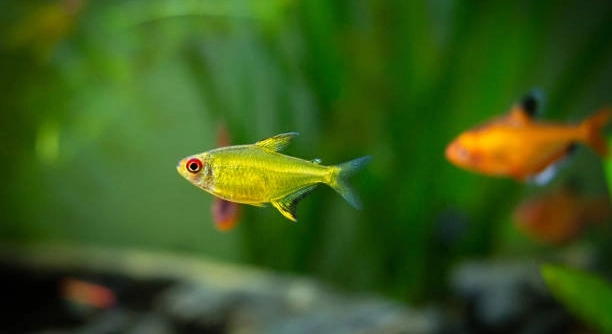
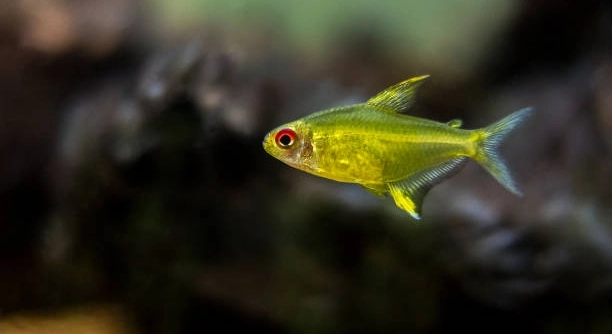
Should You Keep Lemon Tetra in Schools Only?
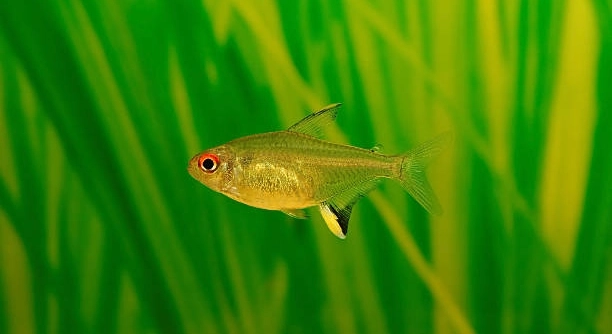
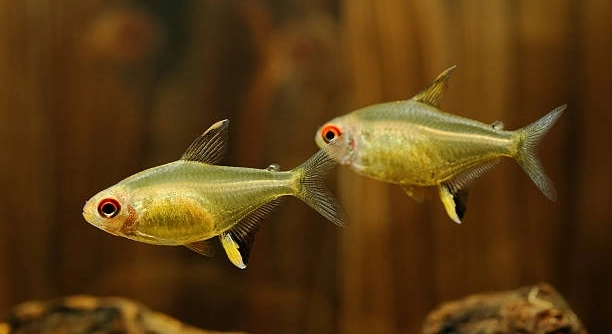
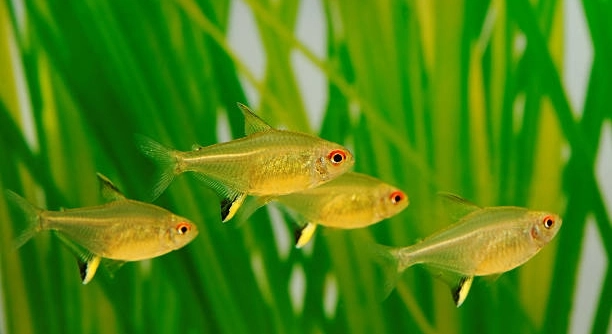
Keeping Lemon Tetra in a home aquarium can be rewarding, but it requires careful thought. These small, vibrant fish are often seen in schools, creating a lively and colorful display that brightens any tank environment. Lemon Tetra should generally be kept in groups of at least six to promote natural behavior and reduce stress. Maintaining … Read more
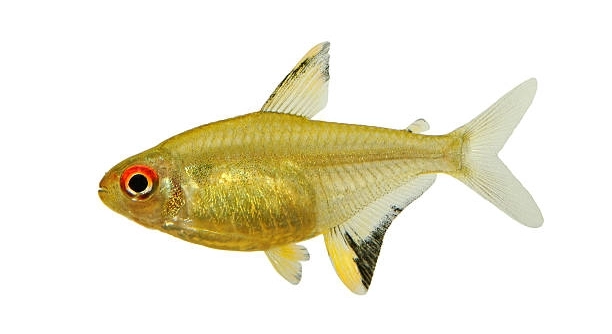
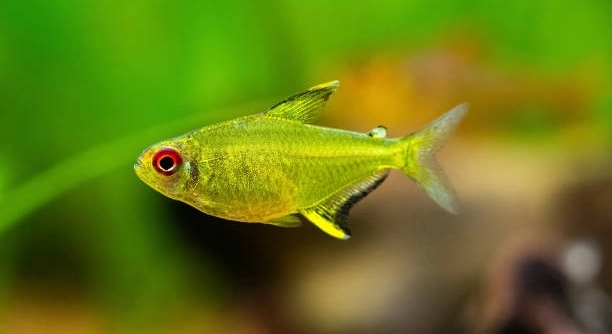
7 Myths That Confuse New Lemon Tetra Owners

New lemon tetra owners often feel overwhelmed by conflicting advice and stories. These small, bright fish can be confusing at first, making it hard to know what is true and what is simply a misconception in aquarium care. Many common beliefs about lemon tetras are based on misunderstandings. Misconceptions about their diet, tank setup, social … Read more

Can Arowana Recognize Their Own Kind?

Have you ever watched your Arowana glide through the water and wondered how it sees other fish around it? These elegant creatures often display curious behaviors that suggest more than just instinct drives their interactions. Arowanas are capable of recognizing their own kind through visual and behavioral cues. Studies indicate they can differentiate between familiar … Read more

7 No-Stress Methods to Move Lemon Tetra

Moving Lemon Tetra requires patience and care to keep their peaceful nature intact. A simple approach centered on minimal disturbance supports their comfort, helping them adjust well while creating a smooth and calm transition overall. The most effective no-stress methods for moving Lemon Tetra focus on stable water conditions, gradual acclimation, and reduced stimulation. Limiting … Read more

7 Clues That Lemon Tetra Feel Unsafe

Lemon tetras are small, bright fish that bring life to any aquarium. Observing their behavior can tell you a lot about their comfort level and general well-being in their environment. Lemon tetras display signs of feeling unsafe through hiding, darting quickly, clinging to tank edges, fin clamping, reduced activity, loss of color, and erratic swimming. … Read more

Do Lemon Tetra Sleep in Groups?

Lemon tetras are small, bright fish that add life to any freshwater aquarium. They are known for their peaceful nature and active swimming, often creating a lively atmosphere that attracts attention from hobbyists everywhere. Lemon tetras do sleep in groups, often clustering together near the bottom or among plants. This behavior provides safety and comfort, … Read more

7 Water Changes Mistakes That Harm Lemon Tetra

Do you ever find yourself changing your lemon tetra tank water but still noticing stress or dull colors in your fish? Many hobbyists try their best yet overlook small but important steps that affect their fish’s health. The most common mistakes in water changes that harm lemon tetras include using untreated tap water, changing too … Read more

How to Tell If a Lemon Tetra Is Injured

Lemon tetras are small, bright fish that add color to any aquarium. Watching them swim can be calming, but sometimes their behavior or appearance changes unexpectedly. Recognizing these changes early is important for their well-being. Injuries in lemon tetras often appear as torn fins, unusual swimming patterns, or faded coloration. Prompt observation and proper care … Read more

7 Easy Fixes for a Dull-Looking Arowana

Is your arowana looking less vibrant than usual despite proper care and feeding? Many hobbyists notice dull scales or faded colors, which can be frustrating after spending time and effort maintaining a healthy aquarium environment for their fish. Arowanas can lose their luster due to poor water quality, insufficient diet, lack of proper lighting, or … Read more

Why Are Lemon Tetra Obsessed with Air Bubbles?

Many aquarium owners notice their lemon tetras gathering near streams of bubbles, creating a lively scene that often leaves them intrigued about the reasons behind this charming fascination with rising air pockets in the water. Lemon tetras are drawn to air bubbles because they provide enhanced oxygenation, gentle water movement, and environmental enrichment. These factors … Read more