
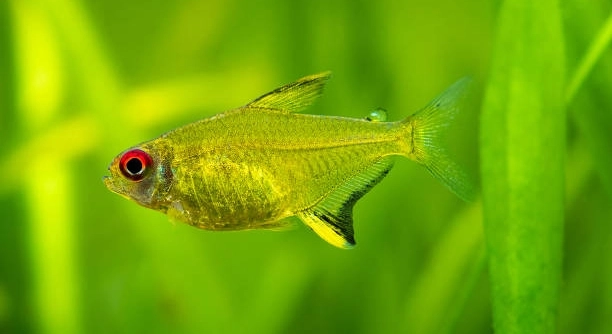
Have you noticed your arowana moving its gills faster than usual while swimming in the tank? Observing your fish’s breathing pattern is important for keeping it healthy and ensuring its environment is suitable for long-term care.
Rapid breathing in arowanas is typically caused by low oxygen levels, poor water quality, high temperature, or stress. Addressing these factors promptly helps maintain proper gill function and prevents potential health complications in your fish.
Learning to recognize the signs of distress can make a big difference in your arowana’s well-being. Proper care and attention will ensure your fish stays active and healthy for years to come.
Common Causes of Rapid Breathing in Arowanas
Rapid breathing in arowanas is often linked to changes in their environment. Poor water quality can make it difficult for fish to extract enough oxygen. Ammonia, nitrite, or nitrate buildup stresses their gills. Temperature fluctuations can also impact oxygen levels, causing faster breathing. Overcrowding or insufficient filtration reduces water circulation, which limits the oxygen available in the tank. Even strong lighting or frequent tank disturbances can increase stress, making your arowana breathe faster. Observing feeding habits and swimming patterns alongside gill movement gives a clearer picture of its overall health. Many arowanas react strongly to changes in water chemistry or temperature, so keeping consistent conditions is essential. Checking pH, hardness, and temperature regularly ensures the environment remains stable. In some cases, parasites or bacterial infections can irritate the gills. Early recognition and consistent care prevent minor issues from turning into serious problems, maintaining your arowana’s health and comfort in its tank.
Maintaining clean water and stable temperatures often resolves rapid breathing issues in arowanas without medical intervention.
Even subtle environmental changes can stress an arowana, making it breathe faster. Small adjustments, like improving filtration, adding aeration, or performing partial water changes, can restore oxygen levels. Providing hiding spaces reduces stress, while monitoring feeding ensures your fish isn’t overexerting itself. Consistent care allows you to notice signs of illness early, preventing serious complications. By tracking water quality and behavior, you create a stable environment that supports normal breathing and overall health.
How to Improve Oxygen Levels
Adding an air stone or increasing water movement helps oxygenate the tank effectively.
Arowanas rely on sufficient oxygen for energy and growth. Low oxygen causes rapid gill movement and lethargy, making them more susceptible to disease. Regular water changes improve oxygenation while removing harmful waste, and adjusting temperature prevents oxygen from dropping too low. Combining proper filtration with aeration maintains a steady oxygen supply. It’s also important to avoid overcrowding, as too many fish reduce the available oxygen and increase stress. Observing your fish during these changes confirms whether oxygen levels are sufficient. Proper tank maintenance supports normal breathing and strengthens the immune system, preventing long-term health problems. Keeping track of both water parameters and your arowana’s response ensures that you address issues quickly and effectively. By focusing on oxygen and overall water quality, you provide a safe, healthy habitat that keeps your arowana active and thriving.
Water Quality and Filtration
Regular water testing ensures ammonia, nitrite, and nitrate levels stay safe. Arowanas are sensitive to poor water quality, which can trigger faster breathing and stress.
Filtration is critical for keeping the tank clean and oxygen-rich. Mechanical filters remove debris, while biological filters break down harmful compounds. Maintaining the filter prevents chemical buildup that can irritate gills and impact breathing. Partial water changes support filtration by reducing toxins and replenishing minerals that help fish thrive. Consistent monitoring of water clarity, temperature, and chemical levels ensures the environment remains healthy. Arowanas depend on stable, well-maintained water for normal respiratory function and overall health.
Even minor lapses in water maintenance can create stress, causing rapid breathing. Paying attention to debris, leftover food, and filter performance helps prevent problems before they affect your fish. Regular cleaning and water replacement create a stable, comfortable environment that supports normal activity and reduces gill strain.
Temperature and Stress Management
Stable water temperature keeps oxygen levels consistent and prevents respiratory strain in arowanas. Sudden changes increase stress and faster breathing.
Stress is a major factor in abnormal breathing. Overcrowded tanks, sudden movements near the aquarium, or aggressive tank mates can elevate stress hormones in fish. High stress reduces immunity, making arowanas more prone to disease. Maintaining consistent temperature, providing hiding spots, and limiting disturbances supports a calm environment. Monitoring behavior helps identify stress early, allowing adjustments before health is compromised. Arowanas perform best in stable, quiet conditions with proper temperature control, reducing breathing irregularities and promoting long-term well-being.
Feeding and Diet
Overfeeding can cause water pollution, leading to lower oxygen levels and faster breathing. A balanced diet prevents these issues.
Providing high-quality food in appropriate amounts supports digestion and reduces waste. Uneaten food decomposes, affecting water quality and stressing your arowana, so portion control is essential for healthy breathing and overall well-being.
Recognizing Signs of Illness
Rapid gill movement, lethargy, or loss of appetite often indicate infection or parasites. Early detection is critical.
Monitor your arowana closely for unusual spots, swelling, or frayed fins. These signs can point to bacterial, fungal, or parasitic problems. Prompt treatment, such as medicated food or water additives, helps prevent further respiratory distress and protects your fish’s health.
Proper Tank Size
Arowanas need large, open tanks to swim freely. Crowded conditions increase stress and rapid breathing.
Choosing a tank that allows movement and proper water circulation is essential. Insufficient space leads to oxygen depletion, aggression, and overall discomfort, impacting respiratory function. Regularly assess whether the tank meets your fish’s needs.
FAQ
Why is my arowana breathing rapidly even though the water looks clean?
Even clear water can have invisible issues affecting your fish. Dissolved oxygen might be low, or chemical levels like ammonia or nitrites may be elevated. These conditions can irritate gills and cause faster breathing. Regular testing with a reliable kit is essential to catch hidden problems early.
Can temperature changes really affect my arowana’s breathing?
Yes, arowanas are sensitive to temperature fluctuations. Warmer water holds less oxygen, making it harder for your fish to breathe. Sudden drops or rises can also stress the fish, increasing gill movement. Maintaining a stable temperature appropriate for your species helps prevent rapid breathing and keeps your fish calm.
Could overfeeding be the reason my arowana breathes faster?
Overfeeding often leads to leftover food that decomposes, reducing oxygen levels in the tank. This makes your arowana work harder to get oxygen, causing rapid breathing. Feeding the right portions and removing uneaten food helps maintain water quality and prevents unnecessary stress.
Are tank size and overcrowding a factor in rapid breathing?
Absolutely. Arowanas need spacious tanks to move freely. Crowded tanks reduce oxygen circulation and increase stress, causing faster gill movement. Ensuring each fish has adequate space and proper filtration supports normal respiration and overall well-being.
How can I tell if my arowana’s rapid breathing is due to illness?
Watch for additional signs like lethargy, loss of appetite, swollen gills, or spots on the body. Respiratory distress combined with these symptoms often points to bacterial, fungal, or parasitic infections. Early detection allows timely treatment, preventing more serious complications.
Will increasing aeration always fix rapid breathing?
Increasing aeration improves oxygen levels, which can help if low oxygen is the problem. However, if the cause is illness, poor water chemistry, or stress, aeration alone won’t solve it. Combining proper filtration, water changes, and stress reduction ensures the best results.
How often should I test water quality for my arowana?
Testing at least once a week is ideal, focusing on ammonia, nitrites, nitrates, pH, and temperature. Frequent checks help you notice small changes before they cause stress or respiratory problems. Keeping a log can also help track trends over time.
Can stress from tank decorations or lighting affect breathing?
Yes. Bright lighting, frequent disturbances, or lack of hiding spaces can stress arowanas, making them breathe faster. Creating shaded areas and avoiding sudden movements around the tank helps reduce stress and maintain normal gill function.
Is rapid breathing a reason to consult a vet immediately?
If rapid breathing is persistent, accompanied by other symptoms like lethargy, unusual swimming, or visible gill problems, consulting an aquatic vet is wise. Early professional intervention can prevent serious illness and improve the chances of recovery.
Are there long-term effects if rapid breathing is ignored?
Prolonged stress and low oxygen can weaken your arowana’s immune system, slow growth, and make it more prone to disease. Ignoring the signs can lead to severe health issues or even death. Maintaining water quality, proper feeding, and monitoring behavior is critical for long-term health.
Can changing water partially help if the arowana is breathing fast?
Partial water changes help remove toxins and replenish oxygen, reducing stress on the gills. Small, regular changes are better than large sudden changes, which can shock the fish. Combining water changes with filtration and aeration provides a healthier environment.
How does filtration type affect breathing?
Filters that provide both mechanical and biological filtration maintain water clarity and break down harmful compounds. Insufficient or clogged filters reduce oxygen circulation, stressing the fish. Ensuring the filter is appropriate for your tank size and cleaned regularly supports proper respiratory function.
Should I isolate my arowana if it’s breathing rapidly?
Isolation is useful if rapid breathing is caused by aggression from other tank mates or contagious illness. Quarantining reduces stress and prevents the spread of disease. Ensure the isolated tank has proper oxygen, temperature, and clean water to support recovery.
How long does it take for breathing to return to normal after correcting conditions?
If environmental issues are corrected, most arowanas respond within hours to a few days. Recovery depends on the severity of stress or illness. Continuous observation ensures improvements and helps detect lingering issues that may need further action.
Can diet supplements help improve breathing?
Providing a balanced diet with high-quality nutrients supports overall health, including respiratory function. Some supplements improve immune response, but they do not replace proper water quality and tank maintenance. Feeding responsibly and monitoring health is always the priority.
What’s the most common reason for sudden rapid breathing in arowanas?
Sudden rapid breathing is usually linked to oxygen depletion or acute stress, such as sudden temperature changes, aggressive tank mates, or high light exposure. Addressing these conditions promptly reduces gill strain and helps the fish stabilize quickly.
Is it normal for arowanas to breathe faster after feeding?
A mild increase in breathing after feeding can occur due to activity and metabolic demand. However, persistent or extreme rapid breathing after meals may indicate water quality issues or overfeeding and should be monitored carefully.
How do I know if aeration is enough for my tank?
Bubbles from air stones should circulate water across the tank, not just create surface movement. Observe your arowana: calm breathing indicates sufficient oxygen, while persistent rapid gill movement signals a need for more aeration or water changes.
Can new decorations or substrate affect breathing?
Yes. Introducing new substrate or decorations can temporarily release chemicals or disturb water parameters, causing faster breathing. Rinsing items thoroughly and adding them gradually reduces stress and prevents sudden changes in water quality.
Are there specific signs that breathing is improving?
Slower, steady gill movement, normal swimming patterns, and regular feeding are strong indicators of improvement. Observing your arowana’s behavior consistently ensures that adjustments in environment, diet, or care are effective and the fish is recovering well.
Can rapid breathing indicate an internal problem like swim bladder or organ issues?
Yes, internal problems can stress the fish and affect oxygen intake. If rapid breathing persists despite ideal water and diet, consult a vet to rule out internal health issues that may not be visible externally.
Is it safe to medicate water if breathing is fast?
Medication should be used only when illness is confirmed. Incorrect or unnecessary treatments can worsen stress and water quality. Follow dosing instructions carefully and monitor the fish closely for reactions to any medication.
How do I maintain consistent water parameters long-term?
Regular testing, consistent partial water changes, proper filtration, and stable temperature control are key. Keeping a routine helps prevent sudden changes that could trigger rapid breathing. Observing your arowana’s behavior and adjusting care as needed ensures long-term health.
Does tank location affect breathing?
Yes, placing the tank in direct sunlight, near heaters, or in drafty areas can affect temperature and oxygen levels. Choosing a stable, quiet location minimizes stress and supports normal respiratory function in your arowana.
How can I prevent future episodes of rapid breathing?
Maintain consistent water quality, temperature, and diet. Avoid overcrowding and provide hiding spaces to reduce stress. Regular observation and timely action when signs appear ensure your arowana stays healthy and comfortable, reducing the likelihood of recurring rapid breathing.
Is it normal for young arowanas to breathe faster than adults?
Juvenile arowanas have higher metabolic rates, which can result in slightly faster gill movement. However, extreme rapid breathing still indicates stress, water issues, or disease and should be checked to ensure proper growth and health.
Can water hardness or pH swings cause rapid breathing?
Yes, sudden changes in pH or water hardness can irritate gills and trigger rapid breathing. Stabilizing these parameters gradually and avoiding abrupt chemical adjustments helps your arowana maintain normal respiration.
How often should I clean the filter to prevent breathing issues?
Cleaning depends on tank size and bio-load but generally every 2–4 weeks is recommended. Over-cleaning removes beneficial bacteria, while under-cleaning allows debris to accumulate. Maintaining a balance ensures water remains clean without stressing the fish.
Are there behavioral signs to watch that indicate oxygen stress?
Gasping at the surface, clamped fins, or lethargy often accompany low oxygen levels. Observing these behaviors helps you respond quickly with aeration, water changes, or filtration adjustments before it affects health.
Can introducing live plants help improve breathing?
Live plants increase oxygen during the day and absorb waste, improving water quality. However, decaying plants release toxins, so proper maintenance is essential. Combining live plants with filtration and aeration provides a healthier environment and supports normal breathing.
Should I reduce tank mates if my arowana breathes rapidly?
Reducing aggressive or territorial tank mates can decrease stress, which in turn helps regulate breathing. Ensuring compatible species and adequate space minimizes competition for oxygen and creates a calmer environment.
How can I track progress after making changes?
Observe gill movement, swimming activity, appetite, and general behavior daily. Logging water parameters and noting improvements helps confirm that interventions like filtration, aeration, or temperature adjustments are effective. Consistent tracking ensures your arowana stays healthy.
Is rapid breathing ever harmless?
Short periods of increased gill movement after activity or feeding are normal. Persistent or extreme rapid breathing usually indicates an underlying issue, such as oxygen depletion, stress, or illness, and should not be ignored.
What should I do if multiple arowanas show rapid breathing?
Multiple affected fish often indicate a systemic problem with water quality, oxygen levels, or temperature. Immediate testing and adjustments, along with partial water changes and increased aeration, help prevent further health issues across the tank.
Can changes in diet alone fix rapid breathing?
Diet changes can improve overall health but rarely solve rapid breathing caused by water quality or oxygen issues. Balanced feeding combined with proper tank maintenance is necessary for resolving respiratory stress.
How important is daily observation for preventing breathing problems?
Daily checks help you spot subtle changes in behavior or gill movement before they become serious. Quick intervention prevents prolonged stress, reduces illness risk, and ensures your arowana maintains normal breathing patterns.
Do medications for gill parasites immediately stop rapid breathing?
Medications can reduce irritation caused by parasites, but breathing may take time to normalize as gills heal. Supporting water quality and oxygen levels during treatment accelerates recovery and prevents secondary stress.
Can frequent water changes shock my arowana?
Large, sudden water changes can stress the fish, even if intended to improve conditions. Small, consistent changes are safer and more effective at maintaining stable water quality and normal respiration.
Is it necessary to quarantine new fish to prevent rapid breathing issues?
Yes, quarantining new fish helps prevent introducing disease or parasites that can affect gill health. A 2–4 week quarantine allows observation and treatment if needed before adding them to the main tank.
How long should I monitor after correcting water or stress issues?
Observe your arowana for several days to ensure breathing returns to normal. Some fish recover quickly, while others may take a week or more, depending on stress severity or illness. Continuous monitoring ensures interventions are successful.
Are there signs that indicate permanent damage from prolonged rapid breathing?
Persistent lethargy, poor appetite, or stunted growth can indicate long-term effects from extended oxygen deprivation or stress. Timely intervention prevents permanent damage, so monitoring and maintaining ideal conditions is critical.
Can rapid breathing affect my arowana’s growth?
Yes, prolonged respiratory stress diverts energy from growth and development. Ensuring optimal oxygen levels, water quality, and stress reduction supports healthy growth and overall vitality.
Is it normal for older arowanas to breathe slower than younger ones?
Yes, older fish typically have slower metabolisms and may breathe more calmly. However, any sudden change in breathing patterns, regardless of age, should be investigated to rule out health or environmental issues.
How does tank aeration interact with temperature to affect breathing?
Warm water holds less oxygen, making aeration more critical. Combining proper temperature control with sufficient aeration ensures stable oxygen levels, reducing respiratory stress and promoting steady breathing patterns.
Are rapid breathing episodes more common during certain times of day?
Yes, during feeding, bright lighting, or increased activity, breathing may temporarily increase. Persistent rapid breathing outside these conditions usually indicates a problem requiring attention to water, stress, or health factors.
Can adding salt to water help with breathing issues?
Salt can reduce stress and improve gill function in some cases, but it is not a cure for oxygen depletion or disease. Proper dosing and monitoring are essential to avoid additional stress or imbalance in water chemistry.
How do I know if rapid breathing is improving after interventions?
Slower gill movement, normal swimming, and consistent appetite indicate improvement. Tracking water parameters alongside behavioral changes confirms whether adjustments in aeration, filtration, or diet are effective.
Should I change filter media when breathing issues arise?
Replacing filter media can help remove accumulated waste, improving water quality. Avoid replacing all media at once to preserve beneficial bacteria, which support healthy nitrogen cycling and stable oxygen levels.
Can rapid breathing indicate a combination of factors rather than a single cause?
Yes, stress, water quality, temperature, diet, and illness often interact. Addressing multiple aspects simultaneously is the most effective way to restore normal breathing and prevent recurrence.
What long-term practices prevent rapid breathing episodes?
Regular water testing, proper tank size, adequate filtration, stable temperature, balanced diet, aeration, and minimal stress create an environment that supports normal respiratory function and long-term arowana health. Consistency is key.
Is it normal for arowanas to occasionally gasp at the surface?
Occasional surface breathing can occur in warm water or after activity, but repeated or prolonged gasping usually signals low oxygen, poor water quality, or stress, and should be addressed promptly.
How does filtration maintenance schedule affect gill health?
A consistent maintenance schedule prevents buildup of toxins, debris, and uneven oxygen distribution. Clean filters support gill function, reduce stress, and help maintain normal respiratory patterns over time.
Can rapid breathing indicate stress from tank cleaning?
Yes, aggressive cleaning, sudden water changes, or disturbance can temporarily increase gill movement. Gentle, gradual maintenance minimizes stress while maintaining clean, oxygen-rich water for your arowana.
Are there species-specific differences in normal breathing rates?
Different arowana species may have slightly varying baseline respiration rates, but persistent rapid breathing outside normal activity or feeding patterns generally signals environmental or health issues.
How do I balance aeration and water flow for optimal breathing?
Ensure sufficient water movement to circulate oxygen without creating strong currents that stress your fish. Proper balance supports steady breathing and comfortable swimming conditions.
Can rapid breathing indicate overactive metabolism due to high feeding?
Yes, excessive food increases metabolic demand and oxygen use, leading to faster breathing. Monitoring portion sizes and feeding frequency prevents unnecessary stress and maintains healthy respiration.
Is rapid breathing reversible if environmental conditions are corrected?
In most cases, yes. Correcting oxygen levels, water quality, temperature, and stress usually allows gill movement to return to normal, especially when intervention is prompt and consistent.
What is the relationship between stress hormones and breathing rate?
Elevated stress hormones increase heart rate and oxygen demand, causing rapid gill movement. Reducing stress through proper tank setup, stable conditions, and minimal disturbances helps normalize respiration.
Can rapid breathing affect my arowana’s appetite?
Yes, prolonged respiratory stress often reduces appetite. Ensuring comfortable conditions, clean water, and minimal stress encourages normal feeding, which supports overall health and recovery from breathing issues.
Are there seasonal factors affecting breathing rates?
Seasonal temperature shifts, sunlight exposure, and water evaporation can influence oxygen levels and stress. Monitoring parameters during seasonal changes helps maintain steady respiration and prevents sudden episodes of rapid breathing.
How can I tell if rapid breathing is due to low oxygen versus disease?
Observe for additional signs of illness, such as swelling, spots, or unusual behavior. Rapid breathing without visible health issues often points to environmental factors, while persistent symptoms indicate possible disease requiring intervention.
Can introducing a secondary filter help stabilize breathing?
Adding a secondary filter can improve water clarity, circulation, and oxygenation. Combined with aeration and regular maintenance, it helps maintain stable conditions, supporting normal respiratory patterns.
How long should I wait before changing my care routine if rapid breathing persists?
Observe for a few days after adjustments. If breathing does not normalize, review water quality, filtration, aeration, and stress factors. Persistent issues may require medical consultation to identify underlying problems.
Is rapid breathing linked to tank decorations that block circulation?
Yes, large rocks, plants, or ornaments can obstruct water flow, reducing oxygen distribution. Rearranging or removing items that impede circulation helps improve gill function and reduces stress.
Can poor lighting cause rapid breathing?
Bright or inconsistent lighting can stress arowanas, prompting faster breathing. Providing shaded areas and maintaining consistent light schedules minimizes stress and supports normal respiration.
Should I reduce feeding frequency if breathing issues occur?
Reducing feeding slightly can prevent waste buildup and lower metabolic demand, helping improve water quality and oxygen levels. Monitor fish behavior to ensure health is maintained while adjusting feeding.
Can tank vibrations or external noise affect breathing?
Yes, vibrations from equipment, loud noises, or frequent movement near the tank can stress arowanas, increasing gill movement. Minimizing disturbances supports calm behavior and steady respiration.
Is there a difference in breathing recovery between young and adult arowanas?
Younger fish often recover faster due to higher metabolic flexibility, but prolonged stress or illness can affect both age groups. Monitoring behavior and environmental conditions ensures recovery regardless of age.
Can introducing multiple interventions at once confuse the fish?
Arowanas adapt best to gradual changes. Sudden simultaneous adjustments in water, aeration, or temperature can cause stress, so implement improvements step by step while monitoring breathing.
Does rapid breathing indicate immediate danger?
Not always, but persistent or extreme rapid breathing is a warning sign of stress, oxygen depletion, or illness. Prompt action is necessary to prevent worsening health problems and ensure long-term well-being.
How do I know if my interventions are effective?
Observe gill movement, swimming activity, feeding behavior, and water quality trends. Positive changes indicate interventions are working, while persistent symptoms suggest a need for further assessment or professional guidance.
Can rapid breathing occur without any other visible symptoms?
Yes, environmental stressors or oxygen depletion can cause rapid gill movement even if the fish appears otherwise healthy. Monitoring water quality and behavior helps detect hidden issues early.
Are partial water changes more effective than full changes for breathing issues?
Partial changes maintain stable water chemistry while removing toxins, reducing stress, and improving oxygen levels. Full water changes can shock the fish if done too quickly, so partial changes are generally safer and more effective.
Does tank location in the house matter for breathing?
Yes,
Rapid breathing in arowanas is a common concern, but it usually signals an environmental or health issue that can be addressed with careful observation and proper care. These fish are sensitive to changes in water quality, temperature, and oxygen levels, and they respond quickly when conditions are less than ideal. Consistently monitoring water parameters, including ammonia, nitrites, nitrates, pH, and temperature, is essential for maintaining a stable environment. Regular partial water changes, proper filtration, and adequate aeration help ensure that your arowana has enough oxygen to breathe comfortably. Even small adjustments, such as adding an air stone or rearranging tank decorations to improve water flow, can make a significant difference in maintaining normal respiratory patterns and reducing stress.
Feeding habits also play an important role in arowana health. Overfeeding can create excess waste that affects water quality and oxygen levels, while underfeeding can weaken the fish and make it more susceptible to illness. Providing high-quality food in measured portions supports digestion and energy without causing environmental issues. Observing your fish’s behavior after feeding helps you understand how its metabolism and activity affect breathing. In addition, stress from tank mates, bright lighting, or sudden disturbances can contribute to faster gill movement. Creating a calm, consistent environment with proper hiding spaces, compatible tank mates, and stable lighting helps your arowana feel secure and reduces unnecessary respiratory strain.
Even when rapid breathing is caused by illness, early detection and intervention often allow the fish to recover fully. Signs such as lethargy, swelling, or changes in appetite should be addressed promptly, either through adjustments in care or consultation with a professional. Maintaining long-term routines for water quality, filtration, temperature stability, and diet can prevent most episodes of rapid breathing from recurring. By paying attention to your arowana’s behavior, environment, and health, you can ensure that it stays active, comfortable, and healthy. A proactive approach not only addresses immediate concerns but also supports the fish’s overall well-being and longevity, creating a stable habitat that promotes normal breathing and a strong immune system.

Hello,
If you enjoy the content that we create, please consider saying a "Thank You!" by leaving a tip.
Every little bit helps us continue crafting quality advice that supports the health, happiness, and well-being of pets around the world, for pets of all shapes, sizes, and species.
We really appreciate the kindness and support that you show us!