
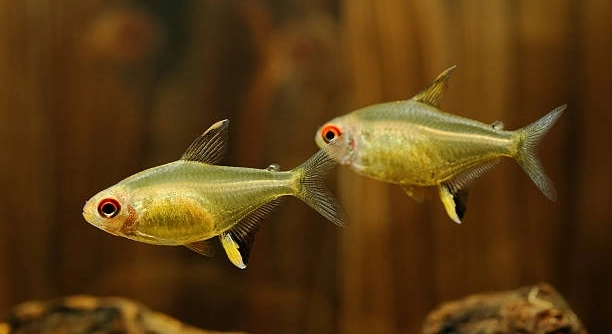
Lemon tetras are small, vibrant fish that bring life to any aquarium. Observing their activity and playful movements can be very rewarding for fish enthusiasts who enjoy a lively tank environment every day.
Small changes in tank conditions can significantly boost lemon tetra activity. Adjustments such as optimizing water temperature, maintaining proper pH, introducing gentle currents, providing adequate lighting, and ensuring a balanced diet all contribute to increased movement and natural behavior in these fish.
Implementing these changes can help your lemon tetras thrive, creating a more dynamic and visually appealing aquarium for any observer.
Adjust Water Temperature
Lemon tetras are sensitive to water temperature. Keeping the tank between 75 and 80 degrees Fahrenheit encourages them to swim actively. Sudden changes in temperature can stress them, causing lethargy and hiding. Using a reliable heater and thermometer helps maintain a stable environment. I noticed my tetras became more energetic once the temperature stayed consistent, moving freely around plants and decorations. Small fluctuations often make them retreat to the corners of the tank. Regular monitoring is essential. Avoid placing the tank near windows or drafts, as natural light and air movement can alter water temperature unexpectedly. Even small differences of a few degrees can affect behavior. Stability promotes feeding activity, social interactions, and playful movements. Adjusting temperature gradually after maintenance or water changes prevents shock and keeps the fish comfortable. Over time, the tetras will display more natural schooling patterns. This simple adjustment can dramatically improve tank dynamics without adding extra equipment.
Maintaining the correct temperature ensures lemon tetras remain active, healthy, and engaged, reducing stress and encouraging natural behavior consistently.
A steady water temperature encourages not only swimming but also exploration and interaction. Lemon tetras become more visible, moving through plants and open spaces. It also supports proper metabolism, digestion, and immune response. Overheated or too-cold water slows activity, while stable warmth promotes natural schooling patterns. By observing their behavior closely, subtle signs of discomfort or lethargy can be detected early. Pairing temperature control with proper filtration and aeration enhances overall water quality. Fish that feel comfortable are more likely to display vivid colors and swim confidently throughout the tank. Small investments in monitoring tools, like thermometers and heaters, can yield noticeable improvements. Consistency is key, and gradual adjustments prevent unnecessary stress. When water conditions are right, the aquarium feels alive, and the tetras’ playful behavior becomes a regular and enjoyable sight.
Optimize Tank Lighting
Adequate lighting helps lemon tetras stay active and healthy. Bright but indirect light simulates natural conditions and encourages movement.
Using a 10-12 hour light schedule each day creates a routine, allowing fish to adapt to a predictable day-night cycle. A timer helps maintain this schedule consistently. Too much direct sunlight can heat water unevenly and trigger algae growth. On the other hand, dim lighting may reduce activity, causing tetras to hide or become sluggish. Adjusting light intensity and duration can help mimic their natural habitat. Observing their response to different lighting levels allows fine-tuning for optimal swimming and feeding behavior. Plants and decorations can diffuse light, creating shaded areas that make fish feel secure. Proper lighting enhances colors and natural patterns, making the tank visually pleasing while supporting fish activity. Combining lighting with water temperature control and gentle filtration strengthens overall tank conditions, resulting in a healthier and more energetic school of lemon tetras.
Provide Hiding Spots
Lemon tetras feel secure with plants and decorations. Hiding spots reduce stress and encourage exploration. Adding live or artificial plants, small caves, or driftwood helps fish move confidently and exhibit natural behaviors.
I added a mix of tall plants and small ornaments to my tank, and the tetras immediately began exploring. They dart between leaves and peek out from behind decorations, showing more energy and curiosity. Hiding spots also prevent aggression by giving fish personal space. Even small changes, like rearranging plants, can stimulate activity. These areas serve as resting places during molting or when fish feel stressed. The presence of multiple hiding spots creates a dynamic environment, encouraging swimming and schooling behavior. Observing them weave through decorations makes the tank feel alive, and their playful interactions increase noticeably.
Creating multiple safe zones allows tetras to move naturally, interact socially, and maintain confidence, boosting overall activity and reducing stress throughout the day.
Adjust Water Flow
Moderate water flow encourages swimming and activity. Gentle currents mimic natural rivers, stimulating fish movement and keeping them engaged.
Too strong a current can tire lemon tetras, causing them to cling to plants or tank edges. Adjusting the filter output creates a balanced flow that promotes swimming without exhaustion. I reduced my filter power slightly, and the tetras began exploring the entire tank more actively. Flow direction also matters; changing it occasionally prevents the fish from becoming sedentary in one area. Incorporating decorations like rocks or plants helps diffuse currents, creating calmer zones for rest. Proper water movement improves oxygenation, benefiting fish health and behavior. Observing how tetras navigate the current allows fine-tuning for maximum comfort.
Water flow enhances exercise, simulates a natural habitat, and encourages healthy, consistent activity in lemon tetras, supporting their overall well-being and visual appeal.
Maintain Water Quality
Regular water changes keep the tank clean and healthy. Removing waste and replacing 20-25% of water weekly prevents toxins from building up.
Using a siphon to clean the substrate and monitoring ammonia, nitrite, and nitrate levels ensures a safe environment. Clean water encourages active swimming and reduces stress in lemon tetras.
Feed a Balanced Diet
High-quality flakes, micro pellets, and occasional live or frozen foods provide essential nutrients. A varied diet supports energy levels and natural behavior.
Introducing small amounts of brine shrimp or daphnia once or twice a week stimulates movement. The tetras become more active during feeding, exploring the tank for treats.
Keep a Stable School
Lemon tetras are schooling fish. Keeping at least six together promotes social interactions and coordinated swimming.
Active schooling reduces stress and encourages natural behaviors. Fish feel secure in numbers, moving confidently through open spaces while maintaining group cohesion.
FAQ
How often should I check water parameters for lemon tetras?
Checking water parameters at least once a week helps maintain a stable and healthy environment. I personally test ammonia, nitrite, nitrate, and pH levels weekly. This routine prevents sudden changes that can stress the fish and ensures they remain active and healthy. Small fluctuations can affect behavior, so monitoring consistently keeps the tank predictable.
What is the ideal tank size for a school of lemon tetras?
A minimum of 20 gallons is recommended for six or more lemon tetras. I noticed my tetras swim more freely and show natural schooling behaviors in a tank of this size. Larger tanks provide space for hiding spots, decorations, and swimming areas. Crowded tanks can cause stress, reduce activity, and sometimes lead to aggressive behaviors. Proper space supports both social interactions and individual movement.
How much should I feed lemon tetras each day?
Feeding small portions two to three times daily is ideal. Overfeeding can pollute the water and reduce activity. I usually provide amounts the tetras can consume within two minutes. Offering varied foods, including flakes, micro pellets, and occasional live or frozen items, keeps them interested and stimulates swimming during feeding.
Can lemon tetras live with other fish?
Yes, they can coexist with peaceful species of similar size. I keep them with small rasboras and corydoras, and the tetras remain active. Aggressive or much larger fish can stress them, reducing swimming and hiding behavior. A compatible community tank encourages social schooling and playful interactions without fear or stress.
How can I reduce stress in lemon tetras?
Providing hiding spots, maintaining stable water conditions, and keeping a proper school size reduces stress. I noticed tetras become more energetic when the tank has plants and decorations. Avoid sudden changes in lighting, temperature, or water quality. Calm conditions encourage exploration, natural behaviors, and consistent swimming throughout the day.
What type of plants are best for lemon tetras?
Tall, bushy plants and floating varieties work well. I use a combination of java fern, hornwort, and floating plants to create shaded areas. Plants provide hiding spots and diffuse light, making the tetras feel secure. They also promote natural swimming patterns and occasional foraging, increasing activity levels.
How can I prevent algae growth while keeping plants healthy?
Moderate lighting, regular water changes, and controlling nutrients help. I maintain a 10-12 hour light schedule and remove excess food promptly. Adding live plants competes with algae for nutrients, keeping growth manageable. Balanced care ensures both plant health and active, unstressed lemon tetras in the tank.
Do lemon tetras need a strong filter?
Moderate filtration is sufficient. I use a filter that produces gentle water flow, mimicking a natural current. Strong currents can tire them, while weak filtration reduces oxygenation. Proper flow supports swimming, oxygen levels, and cleanliness without stressing the fish, allowing them to remain energetic and display natural schooling behavior.
Can I mix live and artificial decorations?
Yes, a combination works well. Live plants offer hiding spots and improve water quality, while artificial decorations provide stable structures. I mix driftwood, rocks, and plastic ornaments with live plants to create varied environments. This combination encourages exploration, reduces stress, and keeps lemon tetras active throughout the tank.
How do I know if my lemon tetras are healthy and active?
Active swimming, bright colors, and consistent schooling are good signs. I observe my tetras daily, noting playful movements and interaction with the environment. Lack of appetite, hiding excessively, or faded colors indicates stress or illness. Healthy, engaged fish display natural behaviors and respond quickly to feeding and gentle disturbances in the tank.
What is the best pH range for lemon tetras?
A pH of 6.5 to 7.5 is optimal. I keep the tank slightly acidic to neutral, which promotes active swimming and proper metabolism. Sudden pH changes can stress fish and reduce movement. Consistent monitoring and gradual adjustments when necessary help maintain a stable, supportive environment for schooling behavior.
How often should I perform water changes?
Replacing 20-25% of the tank water weekly is effective. I siphon the substrate while changing water to remove debris. Regular water changes prevent toxin buildup, encourage activity, and maintain bright coloration. They also reduce stress by keeping parameters stable, ensuring lemon tetras remain energetic and healthy.
Can lemon tetras breed in a home aquarium?
Yes, under the right conditions. Providing slightly acidic water, live plants, and a calm environment encourages breeding. I noticed spawning occurs when water is clean, temperature is stable, and the school is undisturbed. Fry require small foods and gentle currents. Breeding behavior often increases activity in the adult tetras, making them more visible and lively in the tank.
Are lemon tetras sensitive to lighting changes?
Yes, sudden bright light can stress them. I maintain a consistent light schedule using a timer. Gradual transitions and shaded areas reduce stress. Proper lighting enhances colors, encourages swimming, and promotes natural behaviors while preventing hiding or lethargy. Consistency in light cycles keeps the school active throughout the day.
Do lemon tetras need a specific water hardness?
Soft to moderately hard water is ideal, around 50-100 ppm. I adjust water parameters gradually to maintain this range. Extreme hardness can reduce activity and cause stress. Stable, suitable hardness ensures healthy metabolic functions, supports schooling behavior, and allows lemon tetras to move confidently through the tank.
How can I encourage natural schooling behavior?
Keeping at least six tetras together and providing open spaces promotes coordinated swimming. I arrange plants and decorations to create areas for exploration without blocking movement. Stable water conditions, proper feeding, and gentle currents further support social interactions, making the school active, healthy, and visually engaging.
What signs indicate my tank needs more oxygen?
Gasping at the surface, sluggish swimming, or clustering near filter outlets suggests low oxygen. I check water quality and increase aeration using air stones or adjusting filter output. Proper oxygenation supports metabolism, activity, and schooling behavior, ensuring lemon tetras remain healthy and energetic.
Can I use live foods regularly?
Yes, but in moderation. I offer live or frozen foods like brine shrimp once or twice a week to supplement flakes or pellets. This stimulates activity, encourages foraging, and promotes natural hunting behavior. Overfeeding live foods can foul water, so balance is important.
Do decorations affect swimming patterns?
Yes, arrangement influences movement. I place tall plants near the back and open areas in front, encouraging tetras to swim across the tank. Decorations create safe zones and stimulate exploration. Proper layout prevents stress, promotes natural schooling, and keeps the fish active throughout the day.
How can I tell if my tetras are stressed?
Signs include hiding, faded colors, reduced swimming, and loss of appetite. I observe daily behavior to catch changes early. Stress often results from poor water quality, sudden temperature shifts, or overcrowding. Addressing these factors restores activity, schooling behavior, and overall health.
Is it necessary to quarantine new fish?
Yes, quarantining for at least two weeks prevents disease introduction. I monitor new arrivals for signs of illness before adding them to the main tank. This protects the existing school, maintains activity levels, and ensures lemon tetras remain healthy in a stable environment.
Can temperature fluctuations impact activity?
Absolutely. Sudden changes can stress tetras, causing lethargy or hiding. I maintain consistent temperature using a reliable heater and thermometer. Stable warmth promotes natural swimming, feeding, and schooling, keeping the fish energetic and reducing the risk of illness.
What is the best way to introduce new plants?
Rinse and inspect plants before adding them. I remove debris and ensure they are free from pests. Introducing plants gradually allows tetras to explore and adapt without stress. Healthy plants provide hiding spots, improve water quality, and encourage activity and exploration throughout the tank.
How important is tank cleaning for activity?
Very important. I clean the substrate, remove algae, and perform partial water changes weekly. A clean tank reduces stress and prevents illness, allowing tetras to swim freely, interact socially, and maintain vibrant colors. Proper maintenance ensures consistent energy levels and active schooling behavior.
Do tetras respond to human presence?
Yes, they often become more active when someone approaches the tank. I noticed my tetras swim toward the front during feeding or when moving nearby. This response is natural curiosity and comfort with the environment. It adds interaction and liveliness without causing stress.
How can I encourage exploration in the tank?
Varied decorations, plants, and moderate water flow stimulate movement. I rearrange elements occasionally to create new paths. Exploration keeps tetras active, supports schooling, and reduces boredom. Providing open areas and shaded zones allows confident movement while promoting natural behaviors throughout the tank.
Can lemon tetras adapt to new tank setups?
Yes, gradually. I transfer them slowly, using acclimation methods to reduce stress. Introducing them to a stable environment with proper hiding spots, water quality, and schooling partners helps them adjust. Careful acclimation ensures activity, confidence, and health are maintained.
Is it necessary to remove uneaten food promptly?
Yes, leftover food can pollute water and reduce activity. I remove uneaten portions after feeding. Clean water supports swimming, reduces stress, and maintains a safe environment. Prompt removal also prevents algae growth and keeps the tank visually appealing while encouraging healthy, energetic behavior.
How often should filters be cleaned?
Filters should be rinsed or maintained monthly. I avoid harsh cleaning to preserve beneficial bacteria. Proper filter maintenance ensures water circulation, oxygenation, and waste removal. A well-functioning filter supports active swimming, natural schooling behavior, and overall fish health.
Can tank size affect stress levels?
Yes, cramped spaces increase stress. I keep lemon tetras in adequately sized tanks to allow swimming, schooling, and hiding. Sufficient space reduces aggression and promotes activity, exploration, and natural behaviors, creating a healthier and more lively environment for the fish.
Do lemon tetras need a resting period?
Yes, consistent night cycles help them rest. I maintain a 10-12 hour light schedule with shaded areas. Resting reduces stress, supports metabolism, and allows tetras to remain active and energetic during daylight hours. Stable routines promote natural behavior and healthy activity patterns.
How can I tell if my tetras are bored?
Signs include repetitive swimming in small areas or hiding excessively. I introduce new plants, rearrange decorations, or vary feeding routines to encourage exploration. Enriched environments stimulate activity, support schooling behavior, and reduce stress, keeping the fish lively and visually appealing.
Are air stones necessary for lemon tetras?
Not always, but they help oxygenate water. I use air stones when additional aeration is needed, especially in densely planted tanks. Proper oxygen levels encourage swimming, feeding, and natural behaviors, contributing to overall energy and activity in the school.
Can lemon tetras thrive in community tanks?
Yes, with peaceful, similarly sized fish. I observed that compatible tank mates encourage interaction without stress. Proper planning ensures active schooling, confident swimming, and overall well-being, while aggressive or large fish can reduce activity and cause hiding behaviors.
How do I maintain consistent behavior in lemon tetras?
Stable water conditions, proper feeding, adequate tank size, and a safe environment are key. I follow a weekly maintenance routine and monitor their activity. Predictable conditions reduce stress, support natural schooling, and ensure tetras remain energetic and confident throughout the day.
How important is tank decoration variety?
Very important. I mix tall plants, open swimming areas, and small hiding spots. Varied environments stimulate exploration, reduce stress, and encourage natural behaviors. Decorations influence movement patterns, promote activity, and make the tank engaging for the tetras.
Can sudden changes in the tank reduce activity?
Yes, sudden changes like new decorations, water adjustments, or lighting shifts can stress tetras. I introduce modifications gradually. Gradual changes help maintain energy levels, natural swimming, and schooling behavior without causing hiding or lethargy.
Is monitoring feeding behavior necessary?
Yes, observing feeding helps assess health and activity. I watch for appetite, swimming patterns, and competition. Proper feeding routines stimulate movement, reduce stress, and ensure all tetras receive adequate nutrition, maintaining energy levels and promoting natural behavior.
What is the best way to acclimate new tetras?
Float the bag in the tank to equalize temperature, then slowly mix tank water over 30-60 minutes. I noticed gradual acclimation reduces stress and encourages normal activity once introduced. Proper acclimation supports schooling, exploration, and healthy interaction with existing fish.
How can I prevent overcrowding?
Maintain appropriate tank size and school size. I keep at least six tetras in a 20-gallon tank or more for larger groups. Overcrowding reduces swimming space, increases stress, and lowers activity. Proper density supports schooling behavior and overall health.
Can seasonal changes affect activity?
Yes, temperature or lighting variations can influence behavior. I maintain stable conditions year-round to avoid stress. Consistent routines, proper heating, and light schedules help lemon tetras remain active regardless of external seasonal changes.
Are lemon tetras sensitive to chemicals in tap water?
Yes, untreated tap water can harm them. I always use a water conditioner to remove chlorine, chloramines, and heavy metals. Proper treatment ensures safe conditions, supports activity, and maintains overall health.
How often should I trim plants?
Regular trimming prevents overcrowding and ensures open swimming areas. I trim weekly or biweekly depending on growth. Balanced vegetation encourages exploration, reduces stress, and maintains active schooling behavior.
Do lemon tetras need companions to stay active?
Yes, they are social and thrive in groups. I keep six or more together, which encourages coordinated swimming, interaction, and exploration. Solitary fish are often stressed, less active, and hide more. Companionship is crucial for energy and natural behavior.
Can I use artificial lighting for plant growth?
Yes, full-spectrum LEDs work well. I adjust intensity and duration to mimic natural light. Proper lighting supports plant health, encourages activity, and maintains vivid fish coloration. Controlled lighting prevents algae overgrowth and reduces stress for lemon tetras.
What is the best way to handle sick tetras?
Isolate the sick fish in a quarantine tank, monitor symptoms, and treat according to the illness. I ensure water quality and temperature remain stable. Prompt care prevents disease spread, reduces stress, and allows recovery, helping the school remain active.
How can I reduce aggressive behavior in community tanks?
Provide ample space, hiding spots, and compatible species. I observe interactions and rearrange decorations to reduce territorial disputes. Proper conditions encourage harmonious schooling, exploration, and active behavior among lemon tetras and other tank mates.
Are lemon tetras sensitive to vibrations or noise?
Yes, sudden disturbances can stress them. I place my tank on a stable surface away from heavy foot traffic or loud sounds. Minimizing disturbances supports consistent activity, natural schooling, and overall well-being.
Do I need to rotate feeding types?
Yes, rotating flakes, pellets, and live or frozen foods encourages natural foraging and maintains interest. I alternate daily or weekly. Variety stimulates swimming, interaction, and activity while providing balanced nutrition for healthy growth and energy.
Can adding new fish affect activity?
Yes, introducing new fish can temporarily stress tetras. I quarantine and acclimate newcomers gradually. Once comfortable, activity and schooling resume normally. Proper introduction ensures energy levels and natural behaviors remain stable.
How do I prevent fin damage during swimming?
Provide open spaces and smooth decorations. I avoid sharp edges that can injure tetras. Safe tank design encourages confident swimming, active schooling, and reduced stress, keeping fins healthy and fish energetic.
What is the optimal temperature range for breeding?
Around 78-80 degrees Fahrenheit encourages spawning. I maintain stable, clean water and provide plants for egg-laying. Proper temperature supports reproductive activity and natural behavior while keeping the adult tetras active and healthy.
Do lemon tetras need a specific diet for coloration?
A varied diet with high-quality flakes, pellets, and occasional live foods enhances color. I include carotenoid-rich foods to maintain brightness. Balanced nutrition supports energy, activity, and overall health, keeping the school lively and visually striking.
How do I encourage consistent swimming patterns?
Stable water conditions, proper schooling, and balanced lighting promote regular movement. I observe behavior and adjust environment as needed. Predictable conditions support natural patterns, interaction, and healthy activity.
Can overcrowding affect health?
Yes, too many fish increase stress, reduce oxygen, and promote disease. I maintain appropriate numbers and monitor behavior. Adequate space ensures active schooling, natural swimming, and overall well-being.
Are lemon tetras sensitive to pH changes?
Yes, sudden shifts can stress fish. I gradually adjust water parameters to maintain 6.5-7.5. Stable pH supports swimming, feeding, and natural behavior, keeping tetras energetic and healthy.
Do tetras need dark periods at night?
Yes, darkness allows rest and metabolic recovery. I maintain a consistent light-dark cycle. Proper rest reduces stress, encourages daytime activity, and maintains healthy behavior.
How can I prevent disease in the tank?
Maintain water quality, quarantine new fish, and avoid overcrowding. I also monitor behavior and remove uneaten food. Clean, stable conditions reduce stress, encourage activity, and support immune health.
What is the best way to acclimate tetras to new water chemistry?
Slowly mix tank water into the transport container over 30-60 minutes. I notice gradual adaptation reduces stress and supports normal activity once introduced. Proper acclimation ensures health and consistent schooling.
Do lemon tetras enjoy current from filters?
Yes, moderate flow stimulates swimming, but strong currents tire them. I adjust filter output to encourage movement without stress. Proper flow enhances activity, exploration, and schooling.
Can tank decorations affect stress levels?
Yes, open areas, hiding spots, and plants reduce stress. I arrange the tank to balance exploration and security. Proper decoration promotes activity, confidence, and healthy schooling.
How important is consistency in tank maintenance?
Very important. I follow a routine for water changes, cleaning, and monitoring. Predictable care reduces stress, encourages natural behaviors, and maintains energy and activity in lemon tetras.
Can tetras live in different water hardness levels?
Yes, soft to moderately hard water is best. I adjust slowly to avoid stress. Stable hardness supports metabolism, swimming, and schooling, keeping tetras active and healthy.
Are lemon tetras affected by sudden movements outside the tank?
Yes, abrupt motion can startle them. I place the tank in a calm area. Minimizing disturbances maintains activity, reduces hiding, and promotes confident behavior.
Do tetras respond to feeding cues?
Yes, they become active when food is offered. I notice schooling intensifies and swimming becomes more coordinated. Feeding stimulates movement and reinforces natural behavior patterns.
Can adjusting decorations boost activity?
Yes, rearranging plants and ornaments encourages exploration
Lemon tetras are small fish that bring life and movement to an aquarium. Observing them swim in groups, explore plants, and interact with each other can be very rewarding. Their activity levels are influenced by several factors, including water temperature, light, water quality, and tank layout. Maintaining stable conditions is key to keeping these fish healthy and energetic. Sudden changes in any of these areas can stress the fish and reduce their natural behaviors, making them less visible and less active in the tank. Over time, careful attention to these details encourages natural schooling and exploration, which creates a more dynamic and lively aquarium environment. Small adjustments, like adding plants or adjusting filter flow, can make a noticeable difference in activity without requiring major changes or extra equipment.
Providing a proper environment for lemon tetras also involves feeding a balanced diet and keeping an appropriate school size. A varied diet of flakes, micro pellets, and occasional live or frozen foods supports energy levels and natural behaviors. I have found that when feeding is consistent and balanced, the tetras swim more actively and engage with their surroundings more confidently. Overfeeding or irregular feeding can cause water quality issues, which in turn affect their activity and health. Likewise, maintaining at least six tetras together encourages social behavior, natural schooling, and more confident swimming. Smaller groups or isolated individuals may hide more often and show less activity. Combining these practices with stable water parameters, hiding spots, and proper lighting creates an environment where lemon tetras can thrive, displaying their playful movements and natural interactions consistently.
Observing the behavior of lemon tetras provides insight into their health and comfort. Active swimming, vibrant colors, and consistent schooling are signs that the tank conditions are supporting their needs. Providing hiding spots, moderate water flow, stable temperature, and a well-maintained environment allows them to feel secure while encouraging exploration. Over time, these small changes result in more energetic, healthy fish that move confidently through the tank. Attention to detail in both daily care and periodic maintenance ensures that lemon tetras remain lively and engaged. By focusing on stability, proper feeding, social interaction, and an enriched tank environment, the overall activity and well-being of lemon tetras can be significantly improved. This approach not only enhances their natural behavior but also creates a visually appealing and dynamic aquarium that reflects careful care and thoughtful planning.

Hello,
If you enjoy the content that we create, please consider saying a "Thank You!" by leaving a tip.
Every little bit helps us continue crafting quality advice that supports the health, happiness, and well-being of pets around the world, for pets of all shapes, sizes, and species.
We really appreciate the kindness and support that you show us!