
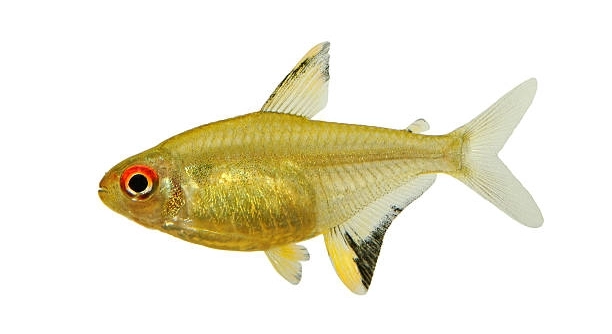
Lemon tetras are small, colorful fish that brighten up any aquarium. Many fish keepers enjoy their peaceful nature and playful movements. Keeping them healthy often involves careful attention to their water conditions and daily care routines.
Lemon tetras can survive in tap water if it is treated and conditioned properly. Untreated tap water may contain chlorine or heavy metals, which can harm fish, so using a water conditioner ensures their environment remains safe and stable.
Understanding the right preparation and maintenance of their water will help your lemon tetras thrive and stay active in your home aquarium.
Understanding Tap Water for Lemon Tetras
Tap water is convenient, but it contains chemicals like chlorine and chloramine that can harm lemon tetras. These chemicals are added to make water safe for humans, but fish are much more sensitive. The water’s hardness and pH also play a key role in the fish’s health. Lemon tetras prefer slightly acidic to neutral water with low to moderate hardness. Measuring these parameters before adding fish helps prevent stress and illness. Water temperature is another factor. Lemon tetras thrive in warmer water, usually between 72 and 78 degrees Fahrenheit. Consistent temperature is essential because sudden changes can weaken their immune system. Using a thermometer and a heater helps maintain stable conditions. Regular testing and partial water changes keep the tank environment clean. Even small changes in water chemistry can affect their behavior, appetite, and overall health. Understanding tap water properties allows for safer, long-term care of these delicate fish.
Proper treatment of tap water is necessary for lemon tetras’ survival and overall well-being in an aquarium environment.
Knowing which conditioners to use and how to adjust pH ensures your fish live comfortably. Maintaining a consistent schedule prevents stress, keeps the tank balanced, and helps your lemon tetras remain healthy and active. Monitoring water quality over time avoids sudden issues, giving you more confidence in caring for them.
Preparing Tap Water Correctly
Using a water conditioner removes harmful chemicals and makes tap water safe for fish.
After conditioning, the water should match the tank’s temperature and pH to prevent shock. Gradual adjustments prevent stress. Testing water regularly ensures the environment remains stable, which supports the fish’s growth and coloration. When adding new water, it’s better to do partial changes rather than replacing all the water at once. This keeps beneficial bacteria intact and maintains the nitrogen cycle. Some conditioners also bind heavy metals, reducing potential toxicity. Lemon tetras are sensitive to ammonia, so keeping the tank cycled is essential. Frequent monitoring helps identify minor problems before they become serious. Avoid using untreated tap water directly, even for short periods. By preparing water carefully, you create a safe, healthy environment that allows lemon tetras to swim actively, feed properly, and develop their vibrant colors. Proper preparation reduces stress and supports a balanced aquarium ecosystem over time, ensuring these small fish thrive for years.
Would you like me to continue with the next sections in the same format?
Monitoring Water Quality
Regular testing of water is essential for lemon tetras. pH, hardness, ammonia, nitrite, and nitrate levels should be checked often. This helps detect problems early before they affect the fish’s health. Consistency is key for a stable environment.
Keeping water parameters stable prevents stress and disease. Lemon tetras are sensitive to sudden changes, so it’s important to test the tank weekly. pH should stay slightly acidic to neutral, and hardness should remain low to moderate. Ammonia and nitrite must always be zero, while nitrate should be kept under 20 ppm. Using reliable test kits allows precise measurement, and maintaining a log helps track trends. Partial water changes remove excess waste and keep nitrate levels low. Observing fish behavior can also indicate water quality problems. Cloudy water, lethargy, or reduced appetite often signals an imbalance. Adjusting water gradually ensures fish adapt without stress.
Consistent maintenance helps lemon tetras thrive. Weekly testing, careful monitoring, and gradual adjustments create a stable, healthy environment. This attention supports their color, activity, and long-term survival in tap water.
Signs of Stress in Lemon Tetras
Lemon tetras show clear signs when stressed. They may swim erratically, hide frequently, or lose color. Reduced appetite is common and indicates water or health issues.
Stress often results from poor water quality, sudden changes, or overcrowding. Fish may become less active, stay near the surface, or avoid tankmates. Observing how they respond to feeding can reveal underlying problems. Regular maintenance and consistent conditions reduce these behaviors, helping fish remain active and healthy. Proper tank setup, including plants and hiding spots, provides comfort. Stress weakens the immune system, making fish more susceptible to disease. Temperature fluctuations and untreated tap water also increase stress levels. By recognizing early signs, corrective actions like water adjustments or treatment can be applied before serious health issues arise.
Maintaining a calm and stable environment is essential. Monitoring behavior, feeding, and swimming patterns helps identify stress triggers early. Addressing issues promptly ensures lemon tetras maintain their vibrant colors, active swimming habits, and overall well-being in a tap water aquarium.
Acclimating Lemon Tetras
Acclimating lemon tetras properly reduces stress. Float the sealed bag in the tank for about 15–20 minutes to equalize temperature. Slowly add small amounts of tank water to the bag every few minutes.
This gradual process helps fish adjust to water chemistry differences. Rapid changes in pH or hardness can shock them, causing illness or death. Patience during acclimation increases survival rates and promotes healthy behavior. Observing the fish closely during this time ensures they are coping well. Once fully acclimated, release them gently into the tank without dumping the bag water.
Common Mistakes
Adding new fish directly into untreated tap water can be fatal. Skipping acclimation or water conditioning often causes stress and disease.
Choosing the Right Water Conditioner
Water conditioners neutralize chlorine, chloramine, and heavy metals, making tap water safe for lemon tetras. Some conditioners also support slime coat protection, which strengthens fish immunity. Always follow the instructions for dosing, and measure carefully according to tank size. Using conditioners consistently ensures a stable, healthy environment for the fish. Testing water after treatment confirms safety before adding fish. Selecting a conditioner that suits your specific tap water characteristics is important, as some tap water contains higher levels of metals or harder minerals. Regular conditioner use simplifies maintenance and reduces sudden water quality issues. By preparing water carefully, you protect lemon tetras from stress and disease.
Partial Water Changes
Regular partial water changes maintain water quality and remove toxins. Changing 20–30% weekly is effective.
FAQ
Can lemon tetras survive in untreated tap water?
No, untreated tap water can contain chlorine, chloramine, or heavy metals, which are harmful to fish. Even a short exposure can cause stress or illness. Using a water conditioner before adding fish ensures a safe environment. Treating water properly prevents shock and supports their health.
How often should I test tap water for lemon tetras?
Weekly testing is recommended. Check pH, hardness, ammonia, nitrite, and nitrate levels. Frequent monitoring helps detect problems early. Logging results makes it easier to track trends and notice changes. Consistent testing keeps water conditions stable and fish healthy.
What is the ideal pH for lemon tetras?
Lemon tetras thrive in slightly acidic to neutral water, usually between 6.0 and 7.0 pH. Stability matters more than exact numbers, as sudden changes can stress the fish. Adjusting pH gradually if needed ensures a smooth transition.
Do I need to use a heater with tap water?
Yes, lemon tetras prefer water between 72–78°F. A heater maintains a stable temperature, which prevents stress. Sudden fluctuations weaken their immune system and can trigger illness. Using a thermometer ensures the water stays consistent.
How much water should I change each week?
Partial water changes of 20–30% weekly are effective. They remove waste, reduce nitrate levels, and keep water chemistry balanced. Complete changes can disrupt beneficial bacteria. Gradual, consistent changes provide a healthier environment for lemon tetras.
What is the best way to acclimate lemon tetras to tap water?
Float the sealed bag in the tank for 15–20 minutes to match temperatures. Add small amounts of tank water to the bag gradually every few minutes. This reduces stress from changes in pH and hardness. Once acclimated, release fish gently without pouring the bag water directly.
Can I use any water conditioner for tap water?
Not all conditioners are the same. Choose one that neutralizes chlorine, chloramine, and heavy metals. Some also protect the fish’s slime coat. Follow the dosing instructions carefully according to tank size. Regular use prevents sudden water quality issues.
What signs show my lemon tetras are stressed by tap water?
Stress can appear as hiding, erratic swimming, loss of color, or reduced appetite. Fish may stay near the surface or avoid tankmates. Early detection allows corrective actions, like adjusting water chemistry or checking temperature. A stable, treated environment minimizes stress.
Can lemon tetras live long-term in tap water?
Yes, if the water is conditioned, parameters are monitored, and maintenance is consistent. Proper temperature, pH, and hardness, along with regular partial changes and testing, create a safe environment. Over time, these practices allow lemon tetras to thrive and remain healthy.
Is it safe to mix tap water with other water types?
Yes, mixing with bottled or filtered water can work if parameters are adjusted. Ensure the final water matches the tank’s pH, hardness, and temperature. Always treat any tap water with a conditioner before adding fish. Gradual mixing helps avoid shock.
Can I skip water testing if I use a conditioner?
No, conditioners make water safe but don’t fix imbalances in pH, hardness, or nitrates. Regular testing ensures long-term stability and prevents hidden problems. Observing fish behavior alongside testing provides a complete view of water quality.
How do I know if my conditioner worked?
Testing water after treatment confirms that chlorine, chloramine, and heavy metals are neutralized. Fish behavior is another indicator: active swimming, feeding, and bright coloration show they are comfortable. Consistent use and monitoring maintain a healthy environment.
Can lemon tetras survive sudden water changes?
Sudden, large water changes can shock lemon tetras. Gradual, partial water changes are safer. Matching temperature and pH during water replacement reduces stress and prevents illness. Slow adjustments help them adapt smoothly to new conditions.
What else affects tap water safety for lemon tetras?
Metal pipes, water source, and seasonal changes can impact tap water. Hardness or pH may fluctuate over time. Testing regularly and conditioning water before use ensures a safe and stable environment for your fish.
The FAQ above provides essential guidance for keeping lemon tetras healthy in tap water, emphasizing consistent testing, proper conditioning, and careful acclimation. Proper care ensures these small, colorful fish remain vibrant, active, and stress-free in a home aquarium.
Lemon tetras are small, peaceful fish that can bring life and color to any home aquarium. Their care may seem simple at first, but maintaining a safe environment requires attention to water quality. Tap water can be convenient, but it often contains chemicals like chlorine or chloramine, which can harm fish if left untreated. Treating tap water with a proper conditioner is essential for neutralizing these substances and making it safe for your lemon tetras. Beyond chemicals, the hardness and pH of the water play an important role in keeping the fish healthy. Lemon tetras prefer slightly acidic to neutral water with low to moderate hardness. Consistency is key, as sudden changes in water chemistry or temperature can stress the fish and affect their overall well-being. By taking these basic steps, you create a stable, healthy environment that allows them to thrive and display their natural behaviors.
Regular maintenance is just as important as preparing the water. Partial water changes, typically 20–30% each week, help remove waste, prevent nitrate buildup, and keep water chemistry balanced. Monitoring parameters such as pH, hardness, ammonia, nitrites, and nitrates ensures that problems are caught early before they affect your fish. Testing water consistently and recording the results helps track any changes over time, making it easier to address issues before they become serious. Acclimating new lemon tetras to your aquarium also reduces stress. Slowly adjusting them to the tank water by gradually adding small amounts of tank water over time allows them to adapt safely. Observing their behavior during acclimation provides clues about how well they are adjusting. Healthy, well-adjusted lemon tetras are active, feed regularly, and show bright coloration.
Understanding the needs of lemon tetras helps create a peaceful, long-lasting aquarium. A consistent routine of water conditioning, testing, temperature control, and partial changes ensures they remain healthy and active. Stress can be minimized by providing hiding spots, stable water conditions, and a gradual introduction to changes. Over time, these small steps contribute to a thriving environment where lemon tetras can live comfortably for years. Paying attention to both water quality and the fish’s behavior allows you to make informed decisions and respond to their needs effectively. Maintaining their habitat with care benefits not only their health but also their natural vibrancy and playful personality. With a little effort, tap water can safely support lemon tetras, allowing them to flourish in your home aquarium.

Hello,
If you enjoy the content that we create, please consider saying a "Thank You!" by leaving a tip.
Every little bit helps us continue crafting quality advice that supports the health, happiness, and well-being of pets around the world, for pets of all shapes, sizes, and species.
We really appreciate the kindness and support that you show us!