Why Do Lemon Tetra Swim Straight Into Glass?
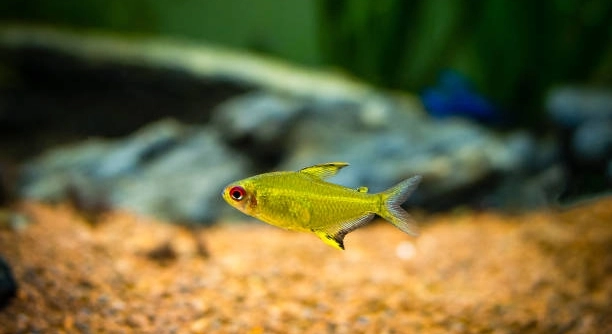
Do your lemon tetras keep swimming straight into the glass of your aquarium? Many fish owners notice this behavior and feel puzzled. It can seem sudden, frustrating, and even worrying, leaving you unsure about your fish’s wellbeing. Lemon tetras often swim into glass due to reflections and confusion in their environment. They perceive the glass … Read more
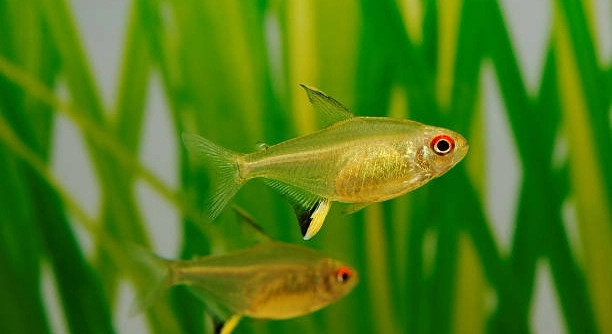
Can Lemon Tetra Remember Feeding Spots?

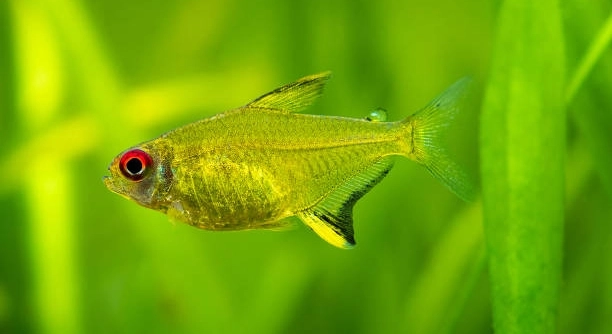
Lemon tetras are small, vibrant fish that brighten any freshwater aquarium. Observing them can be delightful, especially when they interact with their surroundings. Their daily routines, including swimming patterns and feeding habits, reveal interesting behavioral traits that many aquarists enjoy. Lemon tetras have the ability to remember feeding spots and routines. Studies indicate that these … Read more

Why Are My Lemon Tetra Skimming the Surface?

Are your lemon tetras spending more time at the water surface than exploring the middle and lower levels of the tank? Observing this behavior can be concerning, as it may indicate an underlying issue in their environment or health. The primary reason lemon tetras skim the surface is often linked to low oxygen levels in … Read more

Do Lemon Tetra Like Changing Their Tank Scenery?

Lemon tetras are small, bright freshwater fish that bring life to any aquarium. Many aquarists enjoy decorating tanks, but it is important to consider how frequent changes affect these delicate fish’s behavior and comfort. Lemon tetras generally prefer stable tank environments with minimal changes. Frequent rearrangement of plants, rocks, or decorations can cause stress, leading … Read more

7 Tips for Capturing Arowana Photos Safely

Capturing clear photos of arowanas can be challenging, especially for those who are new to keeping these beautiful fish. Many aquarists want to showcase their pets while ensuring the fish remain safe and calm during photography sessions. Arowana photography requires careful handling, proper lighting, and minimal stress to the fish. Maintaining a safe distance, avoiding … Read more

What Causes Lemon Tetra to Shake or Twitch?

Lemon tetras are small, vibrant fish that brighten any freshwater aquarium. Sometimes, they may start to shake or twitch, leaving owners concerned. Observing these behaviors early can help ensure their comfort and long-term well-being. Lemon tetras shake or twitch primarily due to stress, poor water quality, or internal parasites. Inadequate temperature, sudden environmental changes, and … Read more

7 Reasons Your Lemon Tetra Hide All Day

Are your lemon tetras spending most of the day tucked away in their aquarium hiding spots? Observing their behavior can be both worrying and confusing, especially when you want to see them swim actively and interact with their environment. Lemon tetras hide all day primarily due to stress, poor water conditions, lack of proper hiding … Read more

7 Indicators Lemon Tetra Are Settling In Well

Lemon tetras are small, vibrant fish that bring life to any freshwater aquarium. Watching them adapt to a new tank can be rewarding, as their behaviors often reflect their comfort and overall well-being. Observing these subtle changes is essential. Indicators that lemon tetras are settling in well include consistent swimming patterns, active social interactions, regular … Read more

7 Ways to Help Lemon Tetra Adjust to New Tanks

Moving a lemon tetra to a new tank can be stressful for the fish. Their small size and sensitivity make them vulnerable to sudden changes in water conditions, lighting, and decorations. Proper preparation helps them settle more comfortably. Providing a stable and stress-free environment is essential for lemon tetras adjusting to new tanks. Gradual acclimation, … Read more

How Often Should Arowana See Daylight?

Arowanas are striking fish that thrive in well-maintained aquariums. Their shimmering scales and graceful movements make them a popular choice for enthusiasts seeking an elegant addition to their home collection. Proper care is essential for their well-being. Arowanas should be exposed to natural or artificial daylight for approximately 10 to 12 hours daily. Consistent light … Read more