
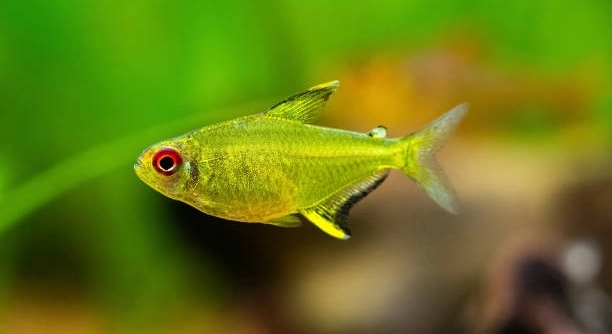
Have you ever cared for lemon tetras and wondered how their tank setup affects their comfort and long term health in a simple home aquarium environment that keeps them active calm and supported each day
Lemon tetras can survive for short periods without a filter, but their long term health declines quickly because biological filtration supports stable water conditions. Without regular filtration ammonia rises oxygen drops and stress increases compromising overall vitality and resilience levels.
Balanced water conditions support calm behavior and steady health helping lemon tetras stay active and comfortable in a home aquarium
Why Filters Matter for Lemon Tetras
Keeping lemon tetras healthy requires attention to water quality. Filters remove waste, uneaten food, and harmful chemicals that naturally build up in the tank. Without a filter, ammonia and nitrite levels rise quickly, stressing the fish and making them more prone to disease. While small tanks with frequent water changes can temporarily support fish, it is difficult to maintain stable conditions consistently. Even minor fluctuations in temperature or pH can affect their behavior and appetite. Filters also help oxygenate the water, which is essential for active swimming and proper organ function. A gentle filter is enough for a small school of lemon tetras, but the water must still be monitored regularly. Many hobbyists notice their tetras are brighter, more active, and less prone to illness when filtration is consistent. Over time, a well-filtered tank reduces maintenance effort while keeping the fish happy and thriving in their environment.
Filtration prevents toxic buildup and ensures oxygen circulation, making daily care easier and improving the fish’s overall quality of life.
Even if you perform daily water changes, a filter helps maintain stability in ways manual cleaning cannot. Lemon tetras produce constant waste, and small amounts of ammonia or nitrites quickly reach harmful levels. Without a filter, you would need to replace large portions of water frequently to prevent stress or illness. Filters create biological balance by supporting beneficial bacteria that convert waste into less harmful substances. This balance is critical for long-term survival and reduces sudden changes that can shock the fish. Some tanks use sponge filters or low-flow options to avoid disturbing tetras while still providing filtration. Keeping the water clean also reduces algae growth and prevents cloudiness. Observing your tetras in a filtered tank, you’ll notice calmer swimming patterns, consistent eating habits, and brighter colors. Investing in a reliable filter and monitoring water parameters regularly ensures that lemon tetras stay healthy, active, and less prone to disease over time.
Alternatives to Traditional Filters
Small tanks can survive with manual water changes, but stability is harder to maintain without a filter.
Frequent partial water changes are a temporary solution when a filter is not possible. To keep lemon tetras safe, replace about 25-50% of the tank water every few days, depending on tank size and fish load. Using a water conditioner is essential to remove chlorine and other chemicals from tap water. Regularly vacuuming the substrate helps prevent leftover food and debris from accumulating. Sponge filters are a gentle alternative, providing some filtration without strong currents that can stress small fish. Planting live aquatic plants also helps by absorbing nitrates and providing extra oxygen. Monitoring water parameters like ammonia, nitrite, nitrate, and pH is critical to ensure levels remain safe. Even with these methods, maintaining long-term health without a filter is more labor-intensive and requires vigilance. Ultimately, consistent care and observation can allow lemon tetras to thrive temporarily, but a filter offers a more reliable and sustainable approach to creating a stable, healthy tank environment.
Signs Lemon Tetras Struggle Without a Filter
Lemon tetras may show stress without a filter. Watch for sluggish swimming, faded colors, or reduced appetite. Frequent gasping at the water surface can indicate low oxygen levels, while sudden hiding suggests discomfort from water quality changes.
Stress in lemon tetras often appears gradually. Without filtration, ammonia and nitrites build up even in small amounts, weakening their immune system. Fish may become more prone to fin rot or other infections. Fading coloration is a common warning, as vibrant yellow and silver tones dull when water conditions worsen. Behavior changes, like swimming near the top or erratic movement, also signal a problem. Identifying these signs early allows for corrective action before serious health issues occur.
Other subtle indicators include clamped fins, lack of schooling, or lethargy during feeding times. Regular observation is essential. Even minor changes in behavior or appearance can point to declining water quality. Prompt water changes, adding a temporary sponge filter, or adjusting feeding routines can help stabilize the tank. Tracking ammonia, nitrite, and nitrate levels provides clear insight into the tank’s condition. Awareness of these early warning signs ensures lemon tetras remain active, colorful, and less prone to illness, even in a minimally filtered environment.
Tips to Maintain Water Quality Without a Filter
Frequent water changes are key. Replacing 25% of the water every two to three days helps reduce toxins and maintain oxygen levels, supporting healthier fish.
Manual care can sustain a small tank for lemon tetras. Vacuuming the substrate removes uneaten food and waste that could otherwise decay, raising ammonia levels. Adding live plants helps naturally absorb nitrates while providing shelter and oxygen. Monitoring temperature and pH daily ensures a stable environment. Feeding smaller portions reduces leftover food and limits contamination. Temporary sponge filters can offer gentle circulation if needed, mimicking some benefits of traditional filtration. Consistency is essential, as even minor lapses can stress the fish.
Combining these methods allows you to keep tetras alive and relatively healthy without a permanent filter, but effort must be steady. Tank size and fish population influence how often changes are necessary. A densely stocked or small tank will require more frequent intervention to maintain water quality. Overfeeding and neglecting substrate cleaning can quickly negate the benefits of careful water replacement. Monitoring water parameters with test kits provides real-time insight into tank conditions. While these methods work short-term, a permanent filter remains the most reliable way to sustain stable, healthy water for lemon tetras long-term, reducing stress and promoting natural behavior.
Temporary Solutions for a No-Filter Tank
Using a sponge filter or gentle air stone can provide minimal circulation and oxygenation for lemon tetras. These options reduce the strain of manual water changes and help maintain a slightly more stable environment.
Adding live plants and regular substrate cleaning also helps. Plants absorb nitrates while hiding spots make fish feel secure. Frequent observation is essential to spot stress or illness early.
Feeding and Waste Management
Overfeeding increases waste, making water quality worse without a filter. Small, controlled meals reduce leftovers and limit ammonia spikes. Feeding once or twice daily in tiny portions ensures food is consumed quickly, helping maintain cleaner water and healthier fish.
Tank Size Considerations
Smaller tanks require more attention because toxins build up faster. Lemon tetras in tiny tanks are at higher risk of stress and illness without proper filtration and frequent maintenance.
Monitoring Water Parameters
Testing ammonia, nitrite, nitrate, and pH levels regularly is crucial. Maintaining safe ranges protects fish health and helps prevent sudden water quality problems.
FAQ
Can lemon tetras survive long-term without a filter?
Lemon tetras can survive for short periods without a filter, but long-term survival is unlikely without careful maintenance. Ammonia and nitrite levels rise quickly, which stresses the fish and weakens their immune system. Frequent water changes, substrate cleaning, and oxygenation are essential to prevent illness. Even with strict care, a tank without a filter requires much more effort to keep the fish healthy.
How often should water changes be done without a filter?
In a no-filter tank, partial water changes should be done every two to three days. About 25-50% of the water should be replaced depending on tank size and the number of fish. This helps remove waste, control toxins, and maintain oxygen levels. Skipping or delaying changes increases the risk of ammonia spikes, which can quickly harm lemon tetras.
Can live plants help in a filterless tank?
Yes, live plants are very helpful. They absorb nitrates and some waste products while producing oxygen. Plants also give lemon tetras places to hide, reducing stress and promoting natural behavior. Popular choices include Java moss, Anubias, and hornwort, which are low-maintenance and tolerate a range of water conditions.
What feeding practices help maintain water quality without a filter?
Feeding small portions once or twice daily is key. Overfeeding leaves uneaten food to decay, increasing ammonia and nitrite levels. Observing how much your tetras eat and adjusting portions ensures minimal leftovers. Removing uneaten food promptly also helps prevent water quality issues.
Are sponge filters a good alternative?
Sponge filters are an effective, gentle alternative. They provide some biological filtration and water movement without creating strong currents that can stress lemon tetras. They are also easy to clean and maintain, making them ideal for small or minimally stocked tanks.
What signs show my tetras are stressed from poor water quality?
Stress indicators include faded colors, clamped fins, lethargy, swimming near the surface, erratic swimming, or hiding frequently. These signs often appear gradually, so careful observation is necessary. Prompt action, like a partial water change or temporary filtration, can help reduce stress.
Is tank size important in a no-filter setup?
Yes, tank size directly impacts water stability. Small tanks accumulate toxins faster and require more frequent care. Larger tanks dilute waste naturally, making it easier to maintain safer conditions, even without a filter. Stocking density also matters—overcrowding increases stress and water quality problems.
Can ammonia or nitrite spikes be treated without a filter?
Yes, temporary solutions include performing partial water changes, adding ammonia-neutralizing products, or using temporary sponge filters. However, these are short-term fixes. Consistently monitoring water parameters and adjusting care practices is essential to prevent recurring spikes.
Do lemon tetras need aeration in a filterless tank?
Aeration is highly recommended. An air stone or gentle bubble system helps increase oxygen levels, especially when water movement is limited. Proper oxygenation reduces stress and supports active swimming, improving overall health and resilience.
How do I make a filterless tank more stable long-term?
Combining frequent water changes, live plants, careful feeding, sponge filters, and aeration can maintain relative stability. Regular monitoring of ammonia, nitrite, nitrate, and pH is critical. While this is possible for small, lightly stocked tanks, adding a permanent filter is the most reliable way to ensure long-term stability and healthy lemon tetras.
This FAQ section offers practical guidance for anyone keeping lemon tetras without a filter, focusing on actionable steps to reduce stress, maintain water quality, and ensure their survival. With careful observation and consistent care, lemon tetras can remain healthy even in a minimally filtered environment.
Keeping lemon tetras without a filter is possible, but it takes careful attention and consistent care. These small fish are sensitive to changes in water quality, and even minor fluctuations can affect their health. Without a filter, waste and uneaten food build up more quickly, creating ammonia and nitrite spikes that can stress the fish. Frequent partial water changes are essential to remove these harmful substances and maintain safe conditions. It is also important to monitor the water regularly using test kits to check ammonia, nitrite, nitrate, and pH levels. Even with frequent water changes, a filter provides stability that is difficult to achieve manually, but a dedicated caretaker can still manage a small, lightly stocked tank without one. Observing the fish daily helps detect early signs of stress, such as faded colors, clamped fins, or sluggish swimming, so corrective measures can be taken before serious problems occur.
Adding live plants can make a filterless tank more manageable. Plants absorb some waste products and nitrates, helping to keep the water cleaner and providing oxygen. They also offer hiding spots, which reduce stress and encourage natural behavior in lemon tetras. Even simple plants like Java moss, Anubias, or hornwort can make a noticeable difference. Regularly cleaning the substrate is another important step, as leftover food and debris can quickly raise ammonia levels. Feeding smaller portions ensures the fish consume most of their food, reducing leftover waste. Combining these strategies allows for a healthier environment, though it requires consistent effort. Sponge filters or gentle aeration can also help circulate water and improve oxygen levels, making the tank more stable and supporting active, vibrant fish.
While it is technically possible to maintain lemon tetras without a permanent filter, doing so requires commitment and daily attention. A larger tank with fewer fish will be easier to maintain than a small, densely stocked one. Even with careful care, a filterless setup demands more work and vigilance than a filtered tank. For those who prefer simplicity, adding a gentle sponge filter or an air stone can make maintenance easier and improve long-term survival. Ultimately, the goal is to keep the tetras healthy, active, and stress-free. By understanding their needs, observing their behavior, and maintaining water quality through regular changes, plant care, and aeration, it is possible to provide a safe and stable environment. Lemon tetras can thrive for extended periods without a filter if their caretaker stays attentive and proactive, but long-term health is always best supported by some form of filtration.

Hello,
If you enjoy the content that we create, please consider saying a "Thank You!" by leaving a tip.
Every little bit helps us continue crafting quality advice that supports the health, happiness, and well-being of pets around the world, for pets of all shapes, sizes, and species.
We really appreciate the kindness and support that you show us!