
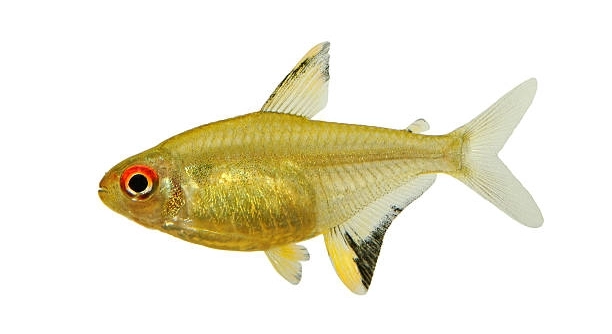
Lemon tetras are small, vibrant fish that brighten any freshwater aquarium. Many aquarium enthusiasts enjoy their peaceful nature and striking yellow color, making them a favorite for both beginners and experienced fish keepers alike.
Lemon tetras cannot thrive in brackish water. They are strictly freshwater species, and exposure to saline conditions can cause stress, health issues, and potentially fatal outcomes. Maintaining stable freshwater conditions is essential for their long-term survival and well-being.
Knowing the right water conditions ensures your lemon tetras remain healthy and active. Proper care can prevent common problems and allow them to display their full vibrant color.
Understanding Lemon Tetra Habitat
Lemon tetras naturally live in slow-moving freshwater rivers and streams in South America. Their environment is typically soft, slightly acidic water with plenty of plants and hiding spots. Providing similar conditions in an aquarium helps them feel secure and reduces stress. Temperature is also important; they thrive in water between 72 and 79°F. Hard water or high salinity can harm them over time. Maintaining a consistent environment with regular water changes supports their health and encourages natural behaviors. Even small deviations in water parameters can affect their activity levels and coloration. Proper filtration and gentle water flow mimic their native habitat, keeping them comfortable. Observing their behavior can indicate if the water conditions are suitable. If tetras hide constantly or appear pale, it may signal stress or improper water conditions. Creating a planted, calm tank ensures they remain vibrant and active. Lemon tetras are social fish, so keeping them in small groups enhances their natural behavior and overall well-being.
Keeping water conditions stable is key to maintaining healthy lemon tetras. Avoid adding salt or brackish elements.
Lemon tetras require a consistent freshwater setup. Adding salt or changing water chemistry can lead to stress or illness. Regular monitoring of pH, temperature, and hardness is essential. Their social behavior improves in groups of six or more, and a planted tank helps replicate their natural habitat. Observing their activity levels and coloration provides feedback on their health.
Effects of Brackish Water
Lemon tetras cannot adapt to brackish water conditions. Even low levels of salinity can affect their physiology and behavior.
Exposing lemon tetras to brackish water often leads to stress, weakened immune systems, and loss of coloration. Their gills and scales are sensitive to salt, making them prone to infections. Stress can reduce feeding and slow growth, impacting overall vitality. Even gradual changes in salinity are risky, as they are strictly freshwater fish. Over time, repeated exposure can shorten their lifespan. Proper freshwater management avoids these problems and ensures a safe environment. Using a freshwater testing kit helps maintain stable conditions. Observing fish daily can catch early signs of stress. Brackish water is suitable for some species, but lemon tetras are not among them. Maintaining water quality through filtration, partial water changes, and monitoring ensures they remain healthy. Mimicking their native soft, acidic water is the most effective way to keep them thriving. A stable environment supports breeding behavior, enhances color, and promotes active swimming.
Water Parameters for Lemon Tetras
Maintaining the right water parameters is critical for lemon tetras. They prefer soft, slightly acidic water with a pH between 5.5 and 7.0. Temperature should stay steady between 72 and 79°F. Sudden changes can stress them and affect their health.
Regular testing ensures pH, hardness, and temperature remain stable. Soft water mimics their natural environment, supporting their vibrant coloration and active behavior. Avoid drastic chemical treatments or adding salt, as even small amounts can harm their gills. Filtration and partial water changes help remove waste and prevent harmful buildup. Keeping the water clean allows them to thrive and reduces the risk of disease. Small adjustments over time are safer than sudden changes, ensuring their long-term well-being.
Observing lemon tetras closely provides insight into water quality. Signs like faded color, sluggish swimming, or loss of appetite indicate issues with water parameters. Adjustments should be gradual, and adding plants helps stabilize pH and provides hiding spots. A well-maintained tank replicates natural conditions, supporting social behavior and encouraging natural feeding habits. Using a thermometer and water test kits regularly makes monitoring easy. Ensuring stability and consistency in water chemistry protects them from stress and illness, helping them grow and maintain vibrant color throughout their life.
Feeding Lemon Tetras
Lemon tetras need a balanced diet to stay healthy. Small, frequent feedings of high-quality flakes or micro-pellets work best.
They also enjoy live or frozen foods like daphnia, brine shrimp, or bloodworms. Variety ensures they receive essential nutrients for growth, coloration, and energy. Overfeeding can pollute the water and harm their health. Feed small amounts two to three times daily, only what they can consume in a few minutes. Observing their eating habits helps prevent waste and ensures all fish get food. Including plants in the tank can provide natural grazing opportunities, supplementing their diet naturally.
Pairing commercial foods with occasional live foods strengthens their immune system and enhances their natural behavior. Feeding should match their size and appetite, avoiding oversized particles. Rotating different food types keeps them interested and supports proper development. Clean up uneaten food promptly to prevent water quality issues. Maintaining a proper feeding schedule ensures consistent growth and vibrant coloration. Providing a well-rounded diet encourages active swimming and social interaction, making them more lively and responsive. Supplementing with occasional plant matter or algae wafers can also provide extra nutrients, rounding out their diet effectively.
Tank Setup Essentials
A proper tank setup is essential for lemon tetras. Use a well-planted aquarium with gentle filtration and plenty of hiding spots. Avoid strong currents, as these fish prefer calm water. Substrate can be fine gravel or sand, which is closer to their natural habitat.
Lighting should be moderate to highlight their yellow coloration without stressing them. Floating plants provide cover and reduce brightness, making the fish feel secure. Decorations like driftwood or smooth rocks add hiding spots and help mimic their native environment. Consistent water changes and stable parameters are easier to maintain in a properly arranged tank, supporting overall fish health.
Common Health Issues
Lemon tetras are prone to stress-related illnesses if water quality or diet is poor. Poor conditions can lead to fin rot, ich, and bacterial infections. Regular observation helps detect early signs. Proper maintenance and a balanced diet minimize these risks and support long-term health.
Breeding Lemon Tetras
Breeding lemon tetras requires soft, slightly acidic water and a separate breeding tank. Providing fine-leaved plants encourages egg-laying. Adults may eat eggs, so separating them after spawning improves survival. Maintaining stable water conditions and a high-quality diet enhances breeding success.
Compatible Tank Mates
Lemon tetras do well with small, peaceful fish. Avoid aggressive or much larger species. Compatible tank mates include other small tetras, rasboras, and small livebearers. Maintaining a calm community reduces stress and keeps all fish active and healthy.
FAQ
Can lemon tetras survive in brackish water?
Lemon tetras cannot survive in brackish water. They are strictly freshwater fish, and exposure to salt or higher salinity can cause stress, weaken their immune system, and lead to serious health problems. Maintaining stable freshwater conditions is essential for their long-term survival.
What is the ideal tank size for lemon tetras?
A 20-gallon tank is the minimum recommended size for a small school of lemon tetras. They are active swimmers and need space to move freely. A larger tank allows more room for plants, decorations, and hiding spots, which reduces stress and encourages natural behavior.
How many lemon tetras should be kept together?
Lemon tetras are schooling fish and should be kept in groups of at least six. Smaller groups can lead to stress, aggression, or hiding behavior. Keeping them in schools enhances social interactions and helps display their natural colors and active swimming patterns.
What water parameters do lemon tetras need?
They prefer soft, slightly acidic water with a pH between 5.5 and 7.0 and a temperature range of 72–79°F. Hard water or fluctuating temperatures can cause stress. Regular monitoring and partial water changes maintain stable conditions, supporting health and preventing disease.
What should lemon tetras eat?
They thrive on a varied diet of high-quality flakes or micro-pellets supplemented with live or frozen foods like brine shrimp, daphnia, or bloodworms. Occasional plant matter can also help. Small, frequent feedings two to three times daily prevent overfeeding and maintain water quality.
How do I tell if my lemon tetras are stressed?
Signs of stress include faded color, erratic swimming, hiding, loss of appetite, or clamped fins. Stress can result from poor water quality, overcrowding, sudden temperature changes, or incompatible tank mates. Addressing water parameters and maintaining a calm environment helps reduce stress.
Can lemon tetras live with other fish?
Yes, they do well with small, peaceful fish like other tetras, rasboras, and small livebearers. Avoid aggressive or much larger species. Compatible tank mates reduce stress and encourage natural behavior, making the tank more balanced and active.
Do lemon tetras breed easily?
Breeding requires a separate tank with soft, slightly acidic water. Fine-leaved plants encourage egg-laying, and adults should be removed afterward to prevent eating the eggs. Providing a high-quality diet and stable conditions increases the chances of successful breeding.
How often should I change the water?
Partial water changes of 20–25% every week help maintain clean, stable conditions. This removes waste, reduces toxins, and keeps the water parameters consistent. Regular water changes are one of the most important practices for keeping lemon tetras healthy and stress-free.
Can lemon tetras tolerate fluctuations in water temperature?
They are sensitive to sudden changes in temperature. Keeping the water stable between 72–79°F is ideal. Rapid fluctuations can stress the fish, weaken their immune system, and make them more susceptible to disease. A reliable heater and thermometer help maintain consistent conditions.
What decorations or plants are best for lemon tetras?
They prefer a planted tank with floating and rooted plants, driftwood, and smooth rocks. These provide hiding spots, mimic their natural habitat, and reduce stress. Plants also help stabilize pH and offer grazing opportunities, contributing to overall well-being.
Are lemon tetras hardy fish for beginners?
They are relatively hardy but still require proper water conditions, a balanced diet, and social groups. Beginners can succeed if they maintain stable freshwater conditions, monitor water parameters, and avoid aggressive or incompatible tank mates. Proper care ensures they stay healthy and vibrant.
How long do lemon tetras live?
With proper care, lemon tetras typically live 5–8 years. Stable water parameters, a nutritious diet, and a stress-free environment contribute to a longer, healthier life. Regular observation and preventive maintenance help detect and address potential health issues early.
Do lemon tetras need special lighting?
Moderate lighting is sufficient. Bright lights can stress them, while dim lighting may reduce their activity and color vibrancy. Floating plants help diffuse light, making the tank feel secure while allowing their yellow coloration to stand out naturally.
Can lemon tetras eat only flakes?
While they can survive on flakes, a varied diet that includes live or frozen foods improves health, coloration, and natural behavior. Flakes provide convenience, but occasional supplementation ensures proper nutrition and supports long-term vitality.
Is it necessary to quarantine new lemon tetras?
Yes, quarantining new fish for at least two weeks prevents the introduction of diseases into an established tank. Observe behavior, feeding, and signs of illness before adding them to the main aquarium to protect existing fish.
How do I prevent fin rot in lemon tetras?
Maintaining clean water and avoiding overcrowding are essential. Stress, poor water quality, and aggressive tank mates increase the risk. Promptly removing sick fish and treating infections early ensures recovery and protects the rest of the tank.
Are lemon tetras compatible with shrimp or snails?
Yes, peaceful shrimp and snails generally coexist well. Avoid larger or aggressive invertebrates that might stress or harm them. Including these tank mates can add diversity and help with algae control while keeping the community balanced.
Can I keep lemon tetras in a planted tank only?
Yes, heavily planted tanks are ideal. Plants provide hiding spots, improve water quality, and reduce stress. Ensure there is enough swimming space and moderate lighting to maintain active, healthy fish without overcrowding.
Do lemon tetras require a strong filter?
No, they prefer gentle filtration. Strong currents can stress them and inhibit natural swimming. A filter that provides adequate water movement while keeping conditions calm ensures a healthy and safe environment for these small, delicate fish.
How can I encourage natural behavior in lemon tetras?
Providing a well-planted tank, maintaining proper water parameters, keeping a school of six or more, and offering a varied diet encourages natural swimming, foraging, and social interactions. Observing and adjusting the environment helps them feel secure and display their full color.
Lemon tetras are small, peaceful freshwater fish that can brighten any aquarium with their bright yellow color. They thrive best in soft, slightly acidic water with a stable temperature between 72 and 79°F. Keeping water conditions consistent is essential because these fish are sensitive to sudden changes. Even minor fluctuations in pH, hardness, or temperature can stress them, leading to health problems or loss of color. They are strictly freshwater fish, so adding salt or trying to keep them in brackish water can be harmful. Providing a stable freshwater environment allows them to stay healthy, swim actively, and display their natural vibrant colors. Regular monitoring of water parameters and proper filtration are key factors that ensure their overall well-being.
Another important aspect of keeping lemon tetras is their social behavior. They are schooling fish, meaning they feel safer and behave more naturally when kept in groups of six or more. Smaller groups can lead to stress, hiding, or aggression, which affects their activity levels and health. A well-planted tank with hiding spots and gentle water flow encourages their natural swimming patterns and reduces stress. Providing enough space and decorations, such as driftwood, smooth rocks, and plants, mimics their natural habitat and keeps them comfortable. Observing their behavior regularly can indicate whether the tank conditions are suitable, as changes in activity or appetite often signal stress or water issues that need attention.
Diet and general care also play a major role in keeping lemon tetras healthy. They require a balanced diet of high-quality flakes or micro-pellets, supplemented with live or frozen foods like brine shrimp, daphnia, or bloodworms. Offering a varied diet ensures proper growth, strong immune systems, and vibrant coloration. Overfeeding can pollute the water and harm their health, so it’s best to feed small portions two to three times daily. Regular water changes, proper tank maintenance, and monitoring for signs of stress or illness are essential practices. By providing stable freshwater conditions, a balanced diet, and a safe, social environment, lemon tetras can thrive for many years, showing active behavior and bright colors that make them a delightful addition to any aquarium.

Hello,
If you enjoy the content that we create, please consider saying a "Thank You!" by leaving a tip.
Every little bit helps us continue crafting quality advice that supports the health, happiness, and well-being of pets around the world, for pets of all shapes, sizes, and species.
We really appreciate the kindness and support that you show us!