
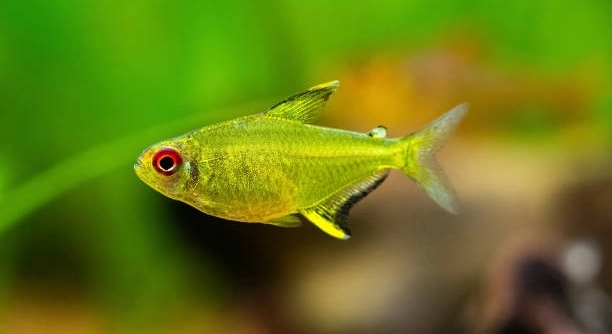
Lemon tetras are small, lively fish that bring brightness to any aquarium. Many fishkeepers enjoy their natural colors but often hope to see them shine even more vividly. Maintaining their health is key to vibrant hues.
Enhancing the coloration of lemon tetras primarily involves providing a balanced diet rich in carotenoids, maintaining stable water conditions, and ensuring proper lighting. These factors collectively support pigment development and overall fish vitality, resulting in brighter and more pronounced colors.
Proper care and environment can significantly influence your tetras’ appearance. Understanding these steps will help you create a more colorful and lively aquarium display.
Choosing the Right Diet
Lemon tetras respond well to a diet that combines high-quality flake foods with live or frozen options. Foods rich in carotenoids, such as krill, brine shrimp, and daphnia, help enhance their natural yellow coloration. I noticed my tetras became more vibrant after introducing small portions of these foods several times a week. Consistency is important; sudden changes in diet can stress the fish and dull their colors. Including plant-based options like spirulina flakes also supports overall health and boosts pigment intensity. Overfeeding should be avoided because leftover food can pollute the water, which negatively affects both their health and color. Feeding in small, controlled amounts ensures they consume nutrients efficiently without causing water issues. Observing how your tetras respond to different foods allows you to adjust their diet to what works best. A balanced approach creates a stable environment that promotes brighter, more noticeable colors over time.
Regular feeding with carotenoid-rich foods improves coloration and overall vitality of lemon tetras.
Maintaining a mix of protein and plant-based foods supports long-term health and makes your tetras appear naturally bright and lively.
Water Quality and Lighting
Stable water conditions are essential for healthy, colorful fish.
Keeping temperature, pH, and ammonia levels consistent directly influences pigment development in lemon tetras. Regular water changes and proper filtration prevent stress, which can fade their coloration.
I used to overlook the impact of lighting, but proper illumination makes a huge difference in how vibrant my tetras appear. Using a full-spectrum LED light that mimics natural daylight encourages their natural colors to show. Avoid placing the aquarium in direct sunlight, as this can lead to algae growth and uneven lighting. Maintaining a gentle photoperiod of around 10–12 hours per day balances activity and rest, helping fish remain healthy. Testing water parameters weekly and performing partial water changes keeps the environment stable, reducing stress and supporting color expression. Clean water, combined with appropriate lighting, creates conditions where pigment cells can function optimally. Over time, these adjustments make your tetras noticeably brighter and more vivid, giving the aquarium a lively, attractive appearance.
Tank Setup and Decoration
A well-structured tank helps lemon tetras feel secure and display better colors. Plants, hiding spots, and open swimming areas create a comfortable environment that reduces stress, allowing their yellow hues to shine more vividly.
I noticed my tetras reacted positively when I added live plants and soft substrate. Tall plants in the back and sides provide hiding spaces, while open areas in the center give them room to swim freely. Driftwood and small decorations add structure without overcrowding the tank. Avoid sharp edges that could harm their delicate fins. Maintaining a balance between open swimming space and sheltered areas encourages natural behavior, reducing stress and promoting brighter coloration. A peaceful environment with minimal disturbances ensures that fish are not constantly hiding or stressed, which can dull their natural appearance over time. Regularly rearranging decorations subtly can keep the environment engaging without causing anxiety.
Providing natural-looking plants and smooth decorations contributes to both aesthetic appeal and the health of lemon tetras, enhancing color vibrancy while supporting activity and comfort within the tank.
Proper tank dimensions and layout significantly affect their behavior and color intensity, making them more visible and lively within the aquarium.
Water Flow and Filtration
Moderate water flow encourages healthy swimming patterns without tiring lemon tetras, supporting overall well-being and color expression.
I adjusted my filter to create gentle currents, and my tetras seemed more active and less stressed. Strong currents can make them hide, while stagnant water can reduce oxygen levels and stress the fish. A sponge or gentle internal filter is ideal for smaller tanks, while larger setups may benefit from canister filters with adjustable output. Good filtration keeps water clear and free from debris, preventing dulling of their natural colors. Regular maintenance, such as rinsing filter media and checking for blockages, ensures consistent water flow. Observing how the fish respond to currents allows adjustments for optimal comfort. Gentle circulation promotes oxygenation, reduces waste buildup, and keeps the aquarium environment stable.
Choosing the right filter type and flow rate directly impacts both health and coloration, making proper selection and maintenance essential for a vibrant tank.
Maintaining Stable Temperature
Lemon tetras thrive in stable water temperatures between 74°F and 80°F. Sudden fluctuations can stress them and dull their colors. Using a reliable heater with a thermostat helps maintain consistency.
Regular monitoring of the temperature ensures the fish remain comfortable. I keep a thermometer in the tank and check it daily to catch any changes early. Avoid placing the aquarium near vents or windows where heat or cold can vary. Stability supports metabolic processes and reduces stress, which directly affects the vibrancy of their yellow coloration. A consistent temperature allows pigment cells to function normally, keeping the tetras bright and lively over time.
Avoiding Stress
Stress can quickly reduce the intensity of lemon tetra colors. Minimize sudden noises, overcrowding, and aggressive tankmates to keep fish calm.
Breeding and Color Enhancement
Breeding lemon tetras selectively over several generations can intensify color patterns. Choosing the brightest and healthiest specimens as parents encourages offspring to inherit stronger pigmentation. Maintaining optimal conditions, proper nutrition, and low-stress environments supports both breeding success and color development. Tracking lineage helps in understanding which combinations produce the most vivid results. Consistent care of fry, including small, frequent feedings and clean water, ensures they grow healthy and display full coloration. This approach requires patience, but it allows the natural yellow shades to become richer and more pronounced over time, resulting in a more visually striking aquarium.
Observing Behavior
Active, confident lemon tetras often display brighter colors than stressed or withdrawn individuals.
FAQ
How often should I feed my lemon tetras to improve their color?
Feeding small amounts two to three times a day works best. I divide their daily portion into multiple feedings so they consume all the food without leftovers. Overfeeding can dirty the water and stress the fish, which dulls their yellow hues. Using a mix of high-quality flakes and occasional live or frozen foods helps maintain color intensity and overall health. Including carotenoid-rich foods like krill or daphnia a few times a week makes a noticeable difference.
Can lighting really affect their coloration?
Yes, lighting directly influences how their colors appear. I use a full-spectrum LED light for about 10–12 hours a day, which highlights their yellow pigment. Too little light can make colors appear dull, while too much can stress them or cause algae growth. Proper lighting combined with good water quality ensures pigment cells function effectively. Adjusting light gradually helps them acclimate and prevents sudden stress.
What water conditions best support bright colors?
Lemon tetras thrive in slightly acidic to neutral water, with a pH around 6.5–7.5. Temperature should remain stable between 74°F and 80°F. I test my water weekly for ammonia, nitrites, and nitrates to prevent fluctuations that can stress the fish. Regular partial water changes help maintain clarity and reduce pollutants, which keeps their colors vivid. Consistency is more important than exact numbers—sudden changes are what usually cause color loss.
Do tankmates affect their appearance?
Yes, aggressive or very active fish can stress lemon tetras, causing them to hide and lose color. I keep them in peaceful, small-to-medium community tanks with compatible species. Overcrowding should also be avoided because it increases stress and competition for food. Observing social behavior and ensuring each tetra has space to swim freely supports natural coloration. Calm, compatible tankmates create an environment where fish feel safe and display their best colors.
How important is tank decoration for color enhancement?
Decorations like live plants, driftwood, and hiding spots provide security, which directly affects their behavior and color. My tetras appear more vivid when they have both open swimming space and areas to retreat. Natural substrates and smooth decorations reduce stress and create a more comfortable environment. Rearranging elements occasionally keeps the environment stimulating without causing anxiety. A well-thought-out tank layout encourages active swimming and natural behavior, helping colors develop fully.
Can breeding help enhance their color?
Selective breeding can improve pigmentation over generations. I focus on using the brightest, healthiest fish as parents to encourage offspring with more intense yellow hues. Consistent care of fry, including small, frequent feedings and clean water, ensures they grow healthy and vibrant. Maintaining a low-stress environment during breeding supports full color development. Tracking lineage helps identify which combinations produce the best results, making it easier to maintain a visually striking group over time.
Why do my lemon tetras sometimes look pale despite good care?
Pale colors often indicate stress, poor water quality, or insufficient diet. I double-check feeding schedules, water parameters, and tank conditions when I notice dullness. Even minor stressors like sudden movements near the tank or incompatible tankmates can temporarily reduce pigmentation. Ensuring stable conditions and consistent nutrition typically restores color within a few days to weeks. Patience is key, as pigment recovery doesn’t happen instantly.
Is temperature fluctuation a major factor in color loss?
Yes, sudden changes in water temperature can cause stress and affect color intensity. I maintain a heater with a thermostat and monitor daily to prevent dips or spikes. Consistency supports metabolism and pigment function. Gradual adjustments are important if you need to change the temperature, avoiding sudden swings that can harm the fish and dull their appearance.
Do supplements or additives help?
Carotenoid-rich supplements can enhance yellow coloration, but they should not replace a balanced diet. I occasionally add specialized color-enhancing foods or small portions of natural ingredients like shrimp. Using them consistently and in moderation supports pigment development without affecting water quality. Too many additives can create imbalances or pollute the tank, so careful use is essential.
How long does it take to see noticeable color improvement?
Improved diet, lighting, and stable conditions usually show results within a few weeks. I noticed my own tetras’ yellow hues becoming brighter after about three to four weeks of consistent care. Some changes, like selective breeding, may take months to fully develop. Tracking progress and maintaining stable care routines ensures long-term vibrant coloration.
This FAQ covers the most common questions about enhancing lemon tetra coloration, focusing on diet, environment, and care practices that I’ve found effective in producing bright, healthy fish.
Lemon tetras are small fish with naturally bright colors, but their appearance depends heavily on the care they receive. Maintaining stable water conditions, a balanced diet, and proper lighting plays a major role in keeping their yellow hues vivid. I have found that focusing on consistency rather than sudden changes makes a noticeable difference. Sudden temperature shifts, overfeeding, or overcrowding can stress them and quickly dull their color. Regular testing of water parameters like pH, ammonia, and nitrate levels helps prevent these issues and ensures the environment remains safe for the fish. Even minor adjustments, such as adding a few live plants or rearranging decorations, can create a more comfortable and stimulating environment, which encourages natural behavior and brighter coloration.
Feeding is another key factor that affects color intensity. Lemon tetras respond well to a varied diet that includes high-quality flakes, pellets, and occasional live or frozen foods. Including carotenoid-rich items, like krill, daphnia, or brine shrimp, can make their yellow shades stand out more clearly. I feed my fish small amounts multiple times a day rather than one large portion, which reduces waste and prevents water pollution. Plant-based foods, like spirulina flakes, also support general health and pigment development. Maintaining a consistent feeding routine combined with proper tank maintenance helps the fish absorb nutrients efficiently, which over time results in more vivid and lasting colors.
Environment, behavior, and social conditions all influence how lemon tetras display their natural coloration. Peaceful tankmates, gentle water flow, and adequate hiding spaces reduce stress and allow fish to show their best colors. Breeding selectively can also enhance pigmentation over generations, though this requires patience and careful care of fry. I have noticed that fish kept in a well-balanced, calm, and structured tank appear more lively and colorful than those in chaotic or poorly maintained setups. By focusing on stable conditions, nutrition, and comfort, you can create an environment where lemon tetras thrive and naturally display their brightest yellow hues, making the aquarium more visually appealing and enjoyable to observe.

Hello,
If you enjoy the content that we create, please consider saying a "Thank You!" by leaving a tip.
Every little bit helps us continue crafting quality advice that supports the health, happiness, and well-being of pets around the world, for pets of all shapes, sizes, and species.
We really appreciate the kindness and support that you show us!