
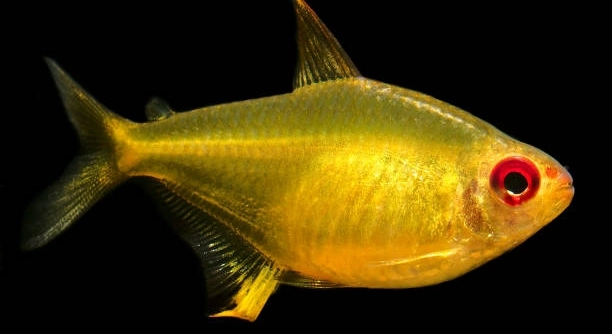
Lemon tetras are small, lively fish that brighten up any aquarium. Sometimes their fins flare, which can be alarming for owners. Observing this behavior can help you understand your fish and maintain a healthy tank environment.
Lemon tetras flare their fins primarily due to stress, territorial behavior, or water conditions. Flared fins can indicate aggression, illness, or environmental issues. Identifying the underlying cause is essential to ensure the wellbeing and stability of your aquarium.
Knowing why your fish flare their fins can prevent potential health issues. Addressing these factors early helps maintain a calm, thriving aquarium for your lemon tetras.
Stress and Overcrowding
Lemon tetras are sensitive to their environment, and too many fish in a small tank can cause stress. Stress triggers flaring as a defensive response. Poor tank conditions, sudden changes in water temperature, or inconsistent lighting can also make your tetras feel unsafe. Even small disturbances like frequent tapping on the glass or moving decorations can contribute. Maintaining a stable, comfortable environment is crucial. Observing how your fish interact can help you determine if stress is affecting them. Stress can lead to other health problems, including weakened immunity and susceptibility to disease. Regular water testing, consistent feeding schedules, and providing enough space can minimize tension. Adding plants or hiding spots allows tetras to feel secure and reduces aggressive behaviors. Flaring fins caused by stress are not always severe but should be addressed promptly to prevent long-term harm to your fish and maintain balance within the aquarium.
Overcrowding is a common reason for fin flaring, as tetras compete for space and resources in confined areas.
Providing a spacious tank with hiding areas and maintaining consistent water conditions significantly reduces stress-induced fin flaring, creating a more peaceful environment.
Water Quality and Parameters
Poor water quality is a major factor in flaring behavior. High levels of ammonia, nitrites, or nitrates can irritate fish, causing defensive responses. Lemon tetras prefer slightly acidic to neutral water, with stable temperature and proper filtration. Regular testing ensures the water remains safe. Sudden changes in pH or hardness can stress your tetras, leading to flaring. Dirty tanks with excess waste or decaying plants create harmful conditions that may trigger aggression or discomfort. Even slight shifts in water parameters can influence how fish behave, sometimes making flaring more frequent or prolonged. Maintaining consistent water conditions not only reduces flaring but also supports overall health. Proper cycling, routine partial water changes, and using a quality filter are essential. Observing your fish after water adjustments helps ensure they adapt well. With clean, balanced water, lemon tetras feel secure, exhibit normal behavior, and display less fin-flaring, contributing to a calm, healthy aquarium environment.
Territorial Behavior
Lemon tetras flare their fins to establish dominance or defend their space. This behavior is more noticeable when tank decorations or hiding spots are limited. Even small groups may show territorial disputes if the environment feels crowded or insecure.
Territorial behavior occurs naturally among lemon tetras. In confined spaces, dominant fish assert control by flaring fins to warn others. This action communicates strength and protects preferred areas near plants, rocks, or open swimming zones. Aggression can increase if new fish are introduced without proper acclimation. Observing interactions helps identify which fish are stressed or overpowered. Adjusting tank layout or adding hiding spots reduces tension and balances territorial behavior. Over time, a well-structured environment encourages calmer interactions, preventing frequent fin flaring and supporting social harmony.
When tanks lack enough space, lemon tetras compete for territories. Providing multiple hiding spots and sufficient swimming areas helps mitigate aggressive behavior. Rearranging decorations periodically can also reduce conflict by disrupting fixed territories.
Illness and Disease
Flaring fins can indicate underlying illness. Infections, parasites, or fin rot often cause discomfort, prompting defensive displays. Regular observation of coloration, swimming patterns, and appetite is essential to detect early signs. Maintaining clean water reduces disease risk.
Signs of illness include torn or discolored fins, lethargy, or abnormal swimming. Fin rot, caused by bacteria, is common in stressed or weakened fish. Parasites may irritate skin, prompting constant flaring and rubbing against surfaces. Early detection allows treatment with medicated foods or water treatments, preventing spread to other fish. Monitoring behavior closely ensures you can respond quickly to health changes. Quarantining new fish before introducing them to the main tank also prevents disease outbreaks. Maintaining optimal water conditions and a balanced diet strengthens immunity, reducing the likelihood of illness-related fin flaring.
Regular health checks are crucial. Removing infected fish, cleaning the tank, and treating water promptly keeps lemon tetras healthy. Observing social behavior alongside physical symptoms gives a complete picture of overall wellbeing.
Sudden Environmental Changes
Lemon tetras flare when there are sudden changes in their environment. New decorations, abrupt lighting shifts, or temperature fluctuations can trigger defensive behavior. Keeping changes gradual helps fish adjust and reduces stress-related flaring.
Even small disturbances, like moving the tank or adding new plants, can cause temporary fin flaring. Monitoring reactions and making slow adjustments prevents unnecessary stress and maintains a calm atmosphere in the aquarium.
Diet and Nutrition
An unbalanced diet can affect lemon tetras’ behavior and health. Poor nutrition weakens their immune system, making them more reactive to stress. Feeding a variety of high-quality flakes, pellets, and occasional live or frozen foods supports both physical health and normal social interactions. A diet rich in vitamins and proteins promotes fin strength, vibrant coloration, and overall vitality. Inadequate feeding schedules or low-quality food may lead to irritability, causing more frequent fin flaring. Consistently providing nutritious meals helps reduce behavioral issues and keeps tetras active, healthy, and less prone to aggressive displays within the tank.
Tank Mates
Certain tank mates can provoke fin flaring in lemon tetras. Aggressive or overly active fish may intimidate them, causing defensive displays.
FAQ
Why do my lemon tetras flare their fins at each other?
Lemon tetras often flare their fins as a form of communication or to establish dominance. In small groups or crowded tanks, this behavior is more noticeable. Providing enough space, hiding spots, and plants helps reduce territorial disputes and creates a calmer environment.
Can flaring fins indicate illness?
Yes. Flaring fins can be a symptom of illness, including fin rot, bacterial infections, or parasites. Look for other signs such as discoloration, torn fins, lethargy, or unusual swimming patterns. Promptly isolating affected fish and treating the tank helps prevent disease from spreading.
Does water quality affect fin flaring?
Poor water quality is a major trigger for fin flaring. High levels of ammonia, nitrites, or nitrates irritate fish, while sudden changes in temperature or pH cause stress. Regular water testing, proper filtration, and partial water changes maintain a safe and stable environment for lemon tetras.
Will overcrowding make my lemon tetras flare more often?
Overcrowding increases stress and competition among fish, often resulting in frequent fin flaring. Each tetra needs adequate space to swim and hide. Adjusting tank population, rearranging decorations, or providing extra plants can minimize conflicts and reduce aggressive displays.
Can diet influence fin flaring?
A poor diet weakens fish and makes them more reactive to stress. Feeding a variety of high-quality flakes, pellets, and occasional live or frozen foods supports immune health, reduces irritability, and promotes vibrant fins. Consistent feeding schedules also help maintain calm behavior in the tank.
Do tank mates affect flaring behavior?
Yes. Aggressive or fast-moving fish can intimidate lemon tetras, causing defensive flaring. Selecting peaceful, compatible tank mates and observing interactions closely helps maintain harmony. Adjusting tank layout and providing hiding spots further reduces tension among different species.
Is fin flaring harmful to my lemon tetras?
Occasional flaring is normal, but prolonged or frequent displays can indicate stress or health problems. Continuous flaring may lead to exhaustion, injury, or increased susceptibility to disease. Monitoring behavior and addressing environmental, dietary, or health issues ensures long-term wellbeing.
How can I reduce fin flaring in my tank?
Maintaining stable water parameters, providing sufficient space, arranging hiding spots, and monitoring diet and tank mates all reduce flaring. Gradual environmental changes and careful observation allow lemon tetras to feel secure, promoting calmer social interactions and healthier behavior patterns.
Should I separate flaring fish?
Separation may be necessary if flaring leads to injury or extreme stress. Quarantining aggressive individuals temporarily, adjusting tank layout, or introducing barriers can restore balance. Observing interactions over time helps determine if permanent separation is needed or if adjustments to environment resolve the conflict.
How do I know if fin flaring is stress-related or health-related?
Stress-related flaring often occurs during interactions or environmental changes and usually subsides when conditions improve. Health-related flaring comes with physical signs such as torn fins, dull coloration, or lethargy. Careful observation and monitoring water quality help identify the underlying cause and guide corrective measures.
Can adding plants help reduce fin flaring?
Yes. Live or artificial plants provide hiding spots and break line-of-sight, reducing territorial disputes. Well-placed plants create natural boundaries and calming zones, which lower stress levels and make lemon tetras feel secure, resulting in less frequent defensive displays.
Does lighting affect fin flaring?
Sudden changes in lighting can startle lemon tetras and trigger fin flaring. Gradually adjusting light intensity and maintaining consistent day-night cycles helps fish feel safe. Using dimmable lights or providing shaded areas allows tetras to rest and reduces stress-induced behavior.
Are certain tank sizes better for reducing flaring?
Larger tanks offer more swimming space, reduce competition, and allow for multiple territories. A tank that is too small forces interactions and triggers frequent flaring. Providing adequate volume per fish, along with hiding spots, supports natural behavior and minimizes aggression in lemon tetras.
How long does fin flaring last?
Brief flaring episodes may last only a few seconds to minutes, especially during minor conflicts or environmental adjustments. Prolonged or frequent flaring is concerning and often indicates stress, aggression, or health issues. Consistent observation helps distinguish normal behavior from problematic patterns.
Can rearranging decorations help?
Yes. Rearranging rocks, plants, or ornaments disrupts established territories and reduces dominant behavior. This helps prevent frequent fin flaring and encourages more balanced interactions. Periodic adjustments keep the tank dynamic and reduce aggression, promoting a healthier environment for lemon tetras.
Is it normal for lemon tetras to flare after introducing new fish?
Yes. Introducing new fish can temporarily increase flaring as tetras establish hierarchy. Observing interactions, providing hiding spaces, and ensuring gradual acclimation minimizes stress and prevents prolonged aggressive displays. Over time, most fish adapt and normal behavior resumes.
Do temperature changes cause flaring?
Sudden temperature shifts stress lemon tetras and can trigger defensive flaring. Maintaining a consistent temperature within the species’ preferred range supports calm behavior. Gradual adjustments during seasonal changes or tank maintenance prevent unnecessary stress.
What is the best way to monitor flaring behavior?
Observing fish regularly and taking note of frequency, duration, and triggers provides insight into flaring causes. Recording water conditions, feeding times, and interactions helps identify patterns. Early detection allows timely interventions to maintain a healthy, balanced aquarium.
Can stress from humans cause flaring?
Yes. Frequent tapping on glass, sudden movements, or loud noises can stress lemon tetras and trigger flaring. Minimizing disturbances and approaching the tank calmly reduces stress-induced behaviors and helps fish feel secure in their environment.
How do I know if my tank is well-balanced for tetras?
A well-balanced tank has stable water parameters, peaceful tank mates, adequate space, and enough hiding spots. Lemon tetras swim actively, display normal coloration, and flare minimally. Regular maintenance, careful observation, and gradual environmental changes ensure long-term stability and reduce flaring incidents.
Lemon tetras are small, lively fish that can add color and movement to any aquarium. Flaring fins are a natural behavior for them, but repeated or intense flaring often signals an underlying issue. Understanding why your tetras flare helps maintain a healthy and balanced environment. Stress, overcrowding, poor water quality, and incompatible tank mates are the most common reasons for fin flaring. Even minor disturbances in their environment, like sudden changes in lighting or new decorations, can trigger this behavior. Observing your fish closely allows you to identify patterns and determine whether the flaring is temporary or indicative of a more serious concern.
Water quality is one of the most important factors to monitor. Lemon tetras are sensitive to ammonia, nitrite, and nitrate levels, as well as pH and temperature fluctuations. Keeping the water clean and stable prevents unnecessary stress and reduces the likelihood of defensive behaviors like fin flaring. Regular partial water changes, a properly functioning filter, and routine testing ensure a safe environment. Alongside water maintenance, providing enough space and hiding spots allows fish to feel secure. Plants, rocks, and decorations not only improve the visual appeal of the tank but also create territories that minimize conflict. Paying attention to the number of fish in your tank helps avoid overcrowding, which is a common cause of aggression and fin flaring.
Diet and overall care also play a significant role in the wellbeing of lemon tetras. Feeding a varied and nutritious diet supports immune health and reduces irritability, while observing for signs of illness or parasites ensures that small problems do not escalate. Some flaring is natural during social interactions, but continuous flaring may indicate health concerns that need attention. Choosing compatible tank mates and gradually introducing new fish keeps social stress to a minimum. Consistency in feeding, lighting, and general tank maintenance creates an environment where tetras can thrive. By understanding their behavior and addressing potential stressors, you can maintain a calm, healthy aquarium and enjoy the vibrant activity of your lemon tetras without frequent or prolonged fin flaring.

Hello,
If you enjoy the content that we create, please consider saying a "Thank You!" by leaving a tip.
Every little bit helps us continue crafting quality advice that supports the health, happiness, and well-being of pets around the world, for pets of all shapes, sizes, and species.
We really appreciate the kindness and support that you show us!