Do Bristlenose Plecos Guard Their Fry?

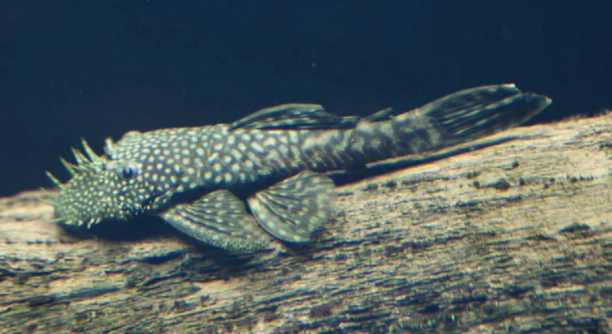
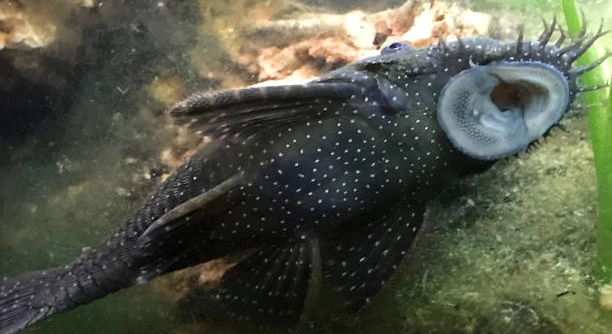
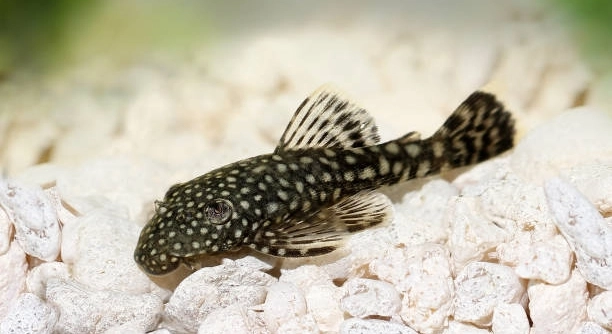
Do bristlenose plecos are small, hardy fish commonly found in home aquariums. They are peaceful by nature and often admired for their unique appearance. Many fish keepers are interested in how they care for their young. Bristlenose plecos do exhibit parental care, primarily by guarding their eggs and fry. Males typically maintain close proximity to … Read more
Can Plecos Communicate With Body Language?

Have you ever noticed your plecos moving around the tank in unusual ways and wondered what they are trying to convey? These fish may use subtle gestures to interact with their surroundings and with each other. Observing them can be surprisingly engaging. Plecos are capable of communicating through body language. Movements such as fin displays, … Read more

7 Cleaning Habits That Help Pleco Health

Keeping a Pleco healthy requires more than just feeding it regularly. Their tank environment and daily care play a crucial role in maintaining their wellbeing. Simple cleaning routines can make a significant difference in their overall health. Regular maintenance of the Pleco’s tank, including substrate cleaning, filter checks, and removal of uneaten food, directly impacts … Read more

7 Ways to Tell If Plecos Feel Secure

Are your plecos moving quietly along the tank walls, gliding over rocks and hiding spots with ease? Observing their calm behaviors can indicate comfort. Plecos thrive in environments that feel secure, and their habits reveal their sense of safety. Plecos demonstrate security through consistent, relaxed swimming patterns, regular feeding behavior, and the use of hiding … Read more

Can Plecos Thrive Without Tank Mates?

Many aquarium enthusiasts enjoy keeping plecos for their calm presence and algae-eating abilities. These fish are known for their adaptability, but some owners wonder whether plecos can live happily without other tank mates or companions. Plecos can thrive alone under the right conditions. Providing a spacious tank, proper filtration, and adequate hiding spaces ensures their … Read more

7 Pleco Cave Styles and Which Works Best

Plecos are fascinating fish, and their natural behavior often leads them to seek out caves for shelter. Providing the right cave can help them feel secure, reduce stress, and encourage natural exploration in your aquarium environment. There are several cave styles suitable for plecos, including PVC tubes, ceramic caves, driftwood shelters, resin formations, rock stacks, … Read more

7 Things Plecos Do When They’re Settling In

Have you ever brought a new pleco home and noticed it acting a bit different from the start? These fish have unique behaviors as they adjust to a new environment. Observing them carefully can reveal important clues. Plecos exhibit several behaviors when settling in, including exploring their tank, hiding in shaded areas, adjusting to new … Read more

Can Plecos Adapt to Different Water Flow?

Do you ever find yourself arranging your aquarium and noticing how water moves around the tank? Plecos, known for their calm and steady presence, interact with currents in ways that are subtle but important for their well-being. Plecos can adapt to different water flow conditions, but the degree of adaptation depends on species, size, and … Read more

7 Bristlenose Pleco Myths Debunked

Bristlenose plecos are popular among aquarium enthusiasts for their small size and interesting appearance. Many people enjoy keeping them, but misinformation about their care often spreads quickly among hobbyists and online communities. Several common myths about bristlenose plecos exist, including misunderstandings about their diet, tank size requirements, breeding behavior, and lifespan. Debunking these myths helps … Read more

Why Your Pleco Stopped Using Its Hiding Spot

Is your pleco suddenly avoiding its usual hiding spot? Observing changes in behavior can be worrying, especially when your fish seems less comfortable in its environment. Small shifts often signal adjustments in its surroundings or routine. The most common reason a pleco stops using its hiding spot is changes in water quality, tank layout, or … Read more