
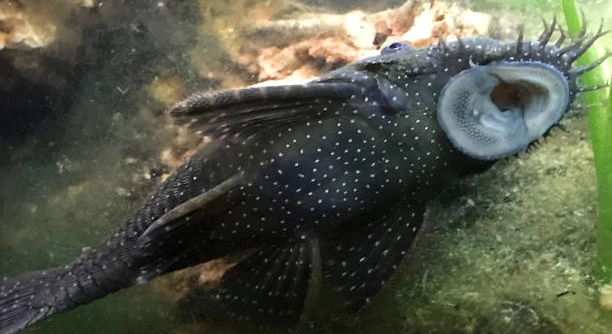
Many aquarium enthusiasts enjoy keeping plecos for their calm presence and algae-eating abilities. These fish are known for their adaptability, but some owners wonder whether plecos can live happily without other tank mates or companions.
Plecos can thrive alone under the right conditions. Providing a spacious tank, proper filtration, and adequate hiding spaces ensures their physical and mental well-being. Solitary environments can reduce stress, prevent aggression, and maintain healthier growth over time.
Understanding their needs will help you create a comfortable environment. This knowledge ensures your pleco remains healthy, active, and well-adjusted in its aquatic home.
Understanding Pleco Behavior
Plecos are naturally solitary fish that enjoy exploring and grazing on algae. In a community tank, they may hide frequently or show signs of stress when other fish crowd their space. Their territorial tendencies become more apparent as they grow, especially in smaller tanks where resources are limited. Observing their daily routines can help you identify their comfort zones. Providing caves, driftwood, and plants allows them to establish personal spaces. Plecos are nocturnal, so they are more active during the night. Feeding them a variety of vegetables and algae wafers ensures they get enough nutrients. Tank maintenance also plays a key role in their well-being, as clean water reduces stress and promotes healthy growth. Overall, understanding their natural instincts is crucial to keeping plecos thriving, whether they live alone or with others. This attention to detail improves their quality of life and prevents behavioral problems.
Alone, plecos are often less aggressive and show more natural behaviors. Their activity levels increase when they feel secure in their territory.
Providing proper tank structures, consistent feeding schedules, and clean water supports a healthy, balanced environment. Observing how plecos interact with their surroundings allows adjustments to optimize their comfort and reduce stress.
Tank Setup Essentials
A well-structured tank supports plecos’ health and reduces stress. Proper filtration, hiding spots, and sufficient swimming space are essential.
Tank size is critical, as plecos need ample room to move and graze. A 30-gallon tank is often the minimum for smaller species, while larger plecos require 75 gallons or more. Filtration must handle their waste output to maintain water quality. Driftwood is important, as it provides both hiding spaces and a source of dietary fiber. Live plants help mimic their natural environment and offer cover. Lighting should be dimmed during the day to accommodate their nocturnal habits. Temperature and pH levels should remain stable, generally between 72–82°F and 6.5–7.5 pH. Regular water changes prevent harmful buildup of ammonia and nitrates. Providing a well-structured environment allows plecos to display natural behaviors, reduces stress-related illness, and ensures longevity. This setup is particularly beneficial for solitary plecos, as it compensates for the absence of other fish.
Feeding and Nutrition
Plecos require a varied diet to stay healthy. Algae wafers, fresh vegetables, and occasional protein sources meet their nutritional needs effectively. Consistent feeding times help them establish a routine.
Including vegetables like zucchini, cucumber, and spinach ensures fiber intake and supports digestion. Algae wafers supplement essential vitamins and minerals. Occasional protein, such as shrimp pellets, helps growth in larger species. Avoid overfeeding, as uneaten food can pollute the tank. Observing how your pleco eats helps adjust portion sizes and prevents obesity. Diet variety also encourages natural foraging behavior, keeping them active and engaged. Balanced nutrition is crucial whether they live alone or with other fish, supporting long-term health and reducing stress.
Monitoring their eating habits allows early detection of health issues. Changes in appetite can indicate stress, illness, or water quality problems.
Water Quality and Maintenance
Stable water conditions are critical for pleco health. Regular testing and water changes prevent harmful chemical buildup and maintain a safe environment.
Filtration systems should match tank size and handle waste efficiently. Performing partial water changes weekly removes nitrates and ammonia, which can be toxic. Temperature stability is important, as sudden shifts stress the fish and weaken immunity. Using dechlorinated water avoids chemical exposure, while monitoring pH keeps the environment consistent. Cleaning decorations and substrate prevents algae overgrowth and bacterial imbalances. Proper water management minimizes disease risk and allows plecos to thrive naturally. Observing the tank daily ensures problems are addressed early, keeping solitary plecos comfortable and active.
Choosing Tank Mates
Not all fish are compatible with plecos. Peaceful, non-territorial species are ideal to avoid stress and aggression.
Avoid fast, aggressive fish that may harass plecos or compete for food. Small tetras, rasboras, and peaceful catfish often coexist well. Observing interactions early helps prevent conflicts and ensures harmony.
Signs of Stress
Changes in behavior often indicate stress. Lethargy, hiding excessively, or loss of appetite are common signs. Observing these patterns allows timely adjustments to improve their environment and comfort.
Benefits of Solitary Living
Plecos often thrive alone because they can establish territory and forage freely. Solitary living reduces competition and stress, allowing them to grow healthier and display natural behaviors. This setup is particularly effective in tanks that provide ample hiding spaces and consistent care.
Hiding Spots
Caves, driftwood, and dense plants give plecos safe spaces to retreat. Providing adequate hiding spots is essential for comfort and well-being.
FAQ
Can plecos live completely alone without other fish?
Yes, plecos can live alone without problems if their tank environment meets all their needs. A spacious tank, stable water conditions, proper diet, and enough hiding spots are essential. Solitary living can actually reduce stress and prevent territorial conflicts that sometimes occur in community tanks.
How often should I feed my pleco?
Feeding once daily is generally sufficient for adult plecos. Younger or growing plecos may benefit from smaller, more frequent meals. A mix of algae wafers, fresh vegetables, and occasional protein ensures balanced nutrition. Remove uneaten food promptly to avoid water contamination.
What tank size is ideal for a single pleco?
Tank size depends on the pleco species. Small species can thrive in 30–40 gallon tanks, while larger plecos require at least 75 gallons. Adequate space allows natural movement, grazing, and reduces stress caused by confined areas.
Do plecos need hiding spots if they live alone?
Yes, hiding spots are essential even for solitary plecos. Caves, driftwood, and dense plants provide shelter, reduce stress, and allow them to establish territory. Proper hiding spaces encourage natural behavior and help them feel secure in the tank.
Can plecos live without algae in the tank?
Plecos can survive without constant algae growth if their diet is supplemented with algae wafers and vegetables. Driftwood can provide dietary fiber, and vegetables like zucchini or cucumber help maintain digestive health. Regular feeding ensures proper nutrition when natural algae is scarce.
How important is water quality for solitary plecos?
Water quality is critical. Regular water changes, consistent temperature, and stable pH levels reduce stress and prevent disease. Filtration must handle waste efficiently. Clean water encourages activity, healthy growth, and allows solitary plecos to thrive naturally without relying on other fish.
Can plecos show aggression if kept alone?
Solitary plecos are usually less aggressive than in crowded tanks. Without tank mates, there is no need to compete for food or territory. However, providing enough space and hiding spots still helps prevent stress-related behaviors and promotes a calm, healthy environment.
How long do plecos live alone?
With proper care, plecos can live 10–15 years or longer. Longevity depends on tank size, diet, water quality, and enrichment. Solitary living does not shorten their lifespan if their environment meets their physical and behavioral needs.
Are nocturnal habits affected by solitary living?
No, solitary plecos retain their nocturnal behavior. They will be more active at night, exploring and grazing. Providing dim lighting during the day and proper hiding spots supports their natural cycle and helps them feel secure.
Can plecos reproduce if kept alone?
No, a single pleco cannot reproduce alone. Breeding requires a compatible pair. However, keeping them solitary ensures they remain healthy and stress-free until paired for breeding purposes. Maintaining optimal conditions supports overall health and future reproduction potential.
Do plecos require decorations if kept alone?
Yes, decorations are important for physical and mental stimulation. Driftwood, rocks, and plants allow grazing, hiding, and exploring. Even solitary plecos benefit from a structured environment that mimics their natural habitat, reducing boredom and promoting natural behaviors.
How can I tell if my pleco is stressed?
Signs of stress include lethargy, hiding constantly, loss of appetite, and abnormal swimming. Observing these behaviors early allows adjustments to water quality, tank setup, and feeding routines, ensuring the pleco remains comfortable and healthy.
Is it easier to care for a pleco alone?
Solitary plecos can be easier to care for in some ways. There is no competition for food or territory, and fewer behavioral conflicts. The focus can be on water quality, diet, and environment, simplifying monitoring and maintenance routines.
Do plecos need companions to be happy?
No, plecos do not require companions. They can thrive alone if their environment is enriched, their diet is balanced, and their tank provides security. Solitary living often promotes calmer, healthier fish that display natural behaviors.
What should I do if my pleco seems lonely?
Plecos are not social in the way other fish might be. Focus on maintaining a well-structured tank with hiding spots, enrichment, and proper feeding. These measures meet their behavioral needs and ensure they remain active and healthy without companions.
Final Thoughts
Plecos are fascinating fish that adapt well to different tank environments. Their natural behavior leans toward solitary living, which means they do not rely on other fish for companionship. A well-maintained tank with proper filtration, stable temperature, and clean water creates a secure environment where plecos can thrive. Observing their activity levels, feeding habits, and general behavior is important, as it allows adjustments to be made if they appear stressed or inactive. Giving them enough space to swim and explore helps them stay active and healthy. Solitary plecos often exhibit more natural behavior, such as grazing on algae, exploring hiding spots, and resting in safe areas, which can be restricted when tank mates compete for resources or territory.
Providing the right diet is another key factor in their well-being. Algae wafers, fresh vegetables, and occasional protein sources supply essential nutrients and support proper growth. Variety in their meals encourages natural foraging behavior and keeps them engaged. Removing uneaten food promptly prevents water contamination and reduces stress caused by poor water quality. Driftwood and other tank decorations not only give hiding spots but also provide dietary fiber and enrichment. Even without other fish in the tank, these elements make the environment stimulating and allow plecos to feel secure. Regular tank maintenance, including water changes and monitoring pH and temperature, is crucial to prevent illness and promote long-term health. A combination of proper nutrition, clean water, and structured habitat ensures that plecos living alone can flourish.
Understanding plecos’ natural tendencies allows owners to make thoughtful decisions about tank setup and care. They are not social creatures in the same way other community fish might be, so loneliness is not typically a concern. Instead, focus should be on providing conditions that replicate their natural environment as closely as possible. When given proper space, food, and hiding spots, plecos living alone often display calmer and healthier behavior compared to crowded tanks. By observing their patterns and responding to their needs, owners can ensure their plecos remain active, well-nourished, and stress-free. Solitary living can be a successful approach, offering a manageable and rewarding experience while maintaining the fish’s natural instincts and overall quality of life.

Hello,
If you enjoy the content that we create, please consider saying a "Thank You!" by leaving a tip.
Every little bit helps us continue crafting quality advice that supports the health, happiness, and well-being of pets around the world, for pets of all shapes, sizes, and species.
We really appreciate the kindness and support that you show us!