
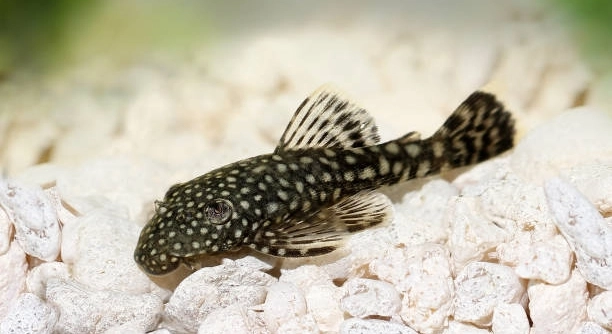
Bristlenose plecos are popular among aquarium enthusiasts for their small size and interesting appearance. Many people enjoy keeping them, but misinformation about their care often spreads quickly among hobbyists and online communities.
Several common myths about bristlenose plecos exist, including misunderstandings about their diet, tank size requirements, breeding behavior, and lifespan. Debunking these myths helps ensure proper care and promotes the health and well-being of these freshwater fish.
Knowing the truth about these myths will help you provide a healthier environment and better care for your bristlenose pleco.
Myth 1: Bristlenose Plecos Only Eat Algae
Many people assume bristlenose plecos survive solely on algae. While they do graze on algae, this is not enough for their nutrition. They need a balanced diet that includes vegetables like zucchini, spinach, and cucumber. Occasionally, they should receive protein sources such as sinking pellets or bloodworms. Relying only on algae can lead to malnutrition, stunted growth, and a weakened immune system. In addition, algae growth in tanks is not always consistent, meaning the fish may not get enough to eat. Observing their behavior during feeding helps ensure they are eating enough variety. Fresh vegetables should be blanched for easier digestion. Providing a mix of plant matter and protein helps maintain healthy fins, vibrant color, and normal growth. Proper feeding also reduces stress and keeps the pleco active.
Bristlenose plecos require more than algae to stay healthy, including vegetables and occasional protein, to support growth and overall well-being.
Feeding the right mix will keep your pleco strong, active, and colorful while preventing common health issues in captivity.
Myth 2: Bristlenose Plecos Can Live in Any Tank Size
Bristlenose plecos are small, but they still need adequate space. A tank smaller than 20 gallons can cause stress and limit natural behaviors.
A minimum of 20 gallons is recommended to allow swimming, hiding, and proper territorial behavior. Larger tanks are always better, especially if housing multiple fish. In cramped spaces, plecos can become aggressive, overeat, or show stunted growth. Hiding spots, driftwood, and smooth decorations help create a comfortable environment. Driftwood is particularly important because it aids digestion and provides a place to graze. Tanks must have good filtration to maintain water quality, as plecos are sensitive to high nitrate levels. Frequent water changes and monitoring temperature, pH, and ammonia levels contribute to a healthy setup. Even though these fish appear small and hardy, neglecting tank size can shorten their lifespan and increase disease risk. Proper planning ensures your pleco thrives and displays natural behaviors, making tank maintenance more manageable for the caretaker.
Myth 3: Bristlenose Plecos Are Nocturnal
Bristlenose plecos are often labeled as strictly nocturnal. In reality, they are more active during low-light periods but will feed and explore during the day if the environment feels safe.
They adapt well to daytime activity, especially in calm tanks with stable conditions. If the tank is quiet, with hiding spots and gentle lighting, plecos will graze on algae, vegetables, and pellets throughout the day. Watching them move around the tank during daylight hours is normal and indicates comfort. Their activity patterns are flexible, influenced by feeding schedules, tank mates, and light levels. Overly dark tanks or constant hiding can indicate stress rather than natural behavior.
Providing balanced lighting, soft tank decorations, and routine feeding encourages healthy activity patterns. Bristlenose plecos can become accustomed to daytime observation, making them enjoyable to watch while still maintaining their natural instincts and preferences.
Myth 4: Bristlenose Plecos Don’t Need Hiding Spots
Hiding spots are often overlooked, but plecos need them to feel secure. Driftwood, caves, and plants offer shelter and comfort.
Hiding spots reduce stress and aggression in plecos. These fish naturally seek crevices in rivers or under rocks for protection. Without adequate shelters, they may become shy, overeat, or develop health issues. Driftwood is particularly beneficial as it provides both hiding and grazing surfaces. Dense plants or PVC pipes also create safe zones. Regularly rearranging or refreshing hiding spots keeps the tank stimulating while maintaining comfort. Hiding areas also support breeding behavior, allowing males to establish territories and females to feel safe laying eggs. Ensuring each pleco has access to at least one secure area reduces competition and encourages natural behavior. A well-structured tank with multiple hiding spots leads to more active, confident, and healthy plecos.
Myth 5: Bristlenose Plecos Don’t Need Water Changes
Regular water changes are essential for plecos. Even hardy fish require clean water to thrive and avoid stress or disease.
Neglecting water changes can lead to high nitrate levels and poor water quality. Plecos produce significant waste, and a buildup can harm their health. Weekly partial water changes help maintain stable conditions, reduce ammonia, and support overall well-being. Monitoring water parameters ensures the tank remains safe. Consistent maintenance prevents common issues like fin rot or weakened immunity. Clean water also encourages natural activity and feeding behavior. Even small tanks benefit from regular care, ensuring plecos stay healthy, vibrant, and active over time.
Myth 6: Bristlenose Plecos Are Always Peaceful
Bristlenose plecos are generally calm, but they can show aggression in certain situations. Territory and tank mates influence their behavior.
Males can defend hiding spots and food sources, especially in crowded tanks. Aggression is usually limited and manageable by providing enough space and shelters. Observing interactions helps prevent conflicts.
Myth 7: Bristlenose Plecos Breed Easily
Breeding plecos requires proper conditions, not just presence of a male and female. Water quality, temperature, and hiding spots all play a role.
Providing caves or driftwood encourages spawning. Males guard eggs while females lay them in secure areas. Proper diet and stable environment increase success. Monitoring breeding behavior ensures eggs develop safely, avoiding fungal growth or predation. Not every pair will spawn immediately, and patience is necessary for successful reproduction. Regular maintenance and observation are key factors in achieving healthy fry.
Continue the article with the following outline. Bold the questions. Do not write an intro for each header, get straight to the point. Do not use a greeting. Make it feel slightly personal. Write in a simplistic style.; Outline: ; FAQ (write at least 500 words); Note: Skip the intro, get straight to the point. The rest of the headers will be provided later, so do not write them yet. Skip the conclusion, and recap. Respect the given word count for every paragraph.
Bristlenose plecos are often misunderstood, but with the right knowledge, they can thrive in home aquariums. Many of the myths about their care—like surviving solely on algae, being strictly nocturnal, or needing minimal space—can mislead even experienced keepers. Understanding their true needs helps create a healthier and more balanced environment for these fish. They may seem low-maintenance at first glance, but providing proper nutrition, adequate tank space, clean water, and hiding spots is essential for their long-term well-being. Observing their behavior carefully can reveal when adjustments are necessary, whether it’s increasing hiding areas, adding fresh vegetables, or monitoring water quality.
It is easy to assume bristlenose plecos are simple to care for because of their small size, but size alone does not determine their needs. They are active grazers and require a combination of plant matter and protein to remain healthy. Providing varied diets ensures proper growth, vibrant colors, and strong immune systems. Alongside feeding, regular water changes and good filtration maintain optimal water parameters. Tank structure is also important, as driftwood, plants, and caves not only give plecos hiding spaces but also support natural behaviors like grazing and breeding. Creating a stable environment reduces stress, prevents illness, and encourages natural activity, making plecos more interactive and easier to observe.
Keeping bristlenose plecos can be highly rewarding when their myths are understood and their needs are met. They respond well to consistent care, and watching them explore the tank, graze on algae, and interact with their environment can be satisfying. Understanding the truth behind common misconceptions allows you to avoid mistakes that could harm their health or shorten their lifespan. Providing a suitable tank, balanced diet, and proper hiding spots ensures they remain healthy and active for years. These fish are small but full of personality, and when cared for properly, they bring both visual appeal and a sense of fulfillment to a home aquarium. A little knowledge and attention go a long way in keeping bristlenose plecos thriving.

Hello,
If you enjoy the content that we create, please consider saying a "Thank You!" by leaving a tip.
Every little bit helps us continue crafting quality advice that supports the health, happiness, and well-being of pets around the world, for pets of all shapes, sizes, and species.
We really appreciate the kindness and support that you show us!