
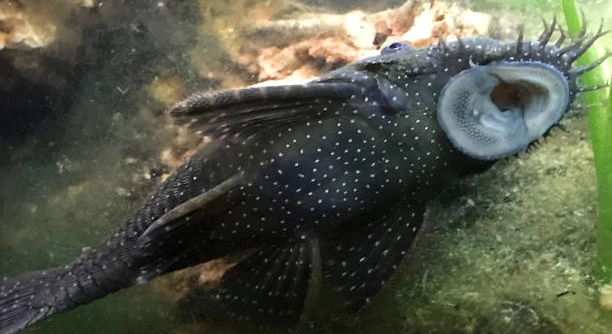
Plecos are fascinating fish, and their natural behavior often leads them to seek out caves for shelter. Providing the right cave can help them feel secure, reduce stress, and encourage natural exploration in your aquarium environment.
There are several cave styles suitable for plecos, including PVC tubes, ceramic caves, driftwood shelters, resin formations, rock stacks, coconut shells, and hollow logs. Each style offers varying degrees of safety, comfort, and accessibility, which influence pleco behavior and health in captivity.
Choosing the right cave can make a significant difference in your pleco’s well-being and activity. Learning which styles work best ensures a safer, more comfortable home for them.
PVC Tubes
PVC tubes are a practical option for pleco caves. They are inexpensive, durable, and easy to clean, making them ideal for aquariums of all sizes. Plecos often enjoy hiding in tubes because they resemble natural crevices found in rivers and streams. Tubes can be cut to different lengths and diameters to fit specific pleco species. Smooth edges are essential to prevent injuries, and they can be anchored or weighted to keep them stable. Some aquarists even cover tubes with natural materials like moss or small rocks to create a more natural appearance. PVC is non-toxic and won’t leach harmful chemicals, ensuring the water remains safe. It is a versatile option that suits both beginner and experienced aquarists, providing an accessible refuge for plecos. Regular maintenance involves simply removing the tube for cleaning without disturbing the tank setup or other inhabitants, making it convenient for ongoing care and hygiene.
PVC tubes provide a simple, reliable shelter that plecos quickly adapt to and use consistently.
The uniform shape and smooth interior of PVC tubes give plecos a sense of security. They feel enclosed, protected from tank mates, and free to explore at their own pace. Multiple tubes can be arranged at different angles or partially hidden under substrate or décor to create privacy zones. The durability of PVC allows it to withstand chewing, scraping, and shifting without breaking. Additionally, their lightweight nature makes them easy to reposition for cleaning or tank rearrangement. Some aquarists even paint or coat PVC with aquarium-safe materials to blend better with natural surroundings, though plecos generally prioritize function over aesthetics. Overall, PVC tubes offer an effective combination of safety, accessibility, and ease of maintenance that benefits both the fish and the keeper, ensuring plecos have a dependable retreat in the aquarium.
Ceramic Caves
Ceramic caves provide a naturalistic look and sturdy hideouts.
These caves mimic rock formations, offering textured surfaces plecos can explore.
Ceramic caves are heavy enough to stay stable and often feature multiple openings, giving plecos options for entry and exit. The porous surface can also host beneficial bacteria, helping with biological filtration. Some come glazed or painted with non-toxic finishes for added aesthetic appeal. Their design accommodates larger species as well, providing a secure retreat that feels like a natural riverbank crevice. Ceramic caves require minimal maintenance beyond occasional rinsing. Over time, algae may grow on the surface, which plecos can graze on, creating an interactive environment. Unlike hollow logs or driftwood, ceramic won’t decompose, warp, or alter water chemistry, making it long-lasting and safe. Careful placement is important to avoid sharp edges near the substrate or other decorations. The weight and solid construction prevent accidental toppling, ensuring the pleco remains safe and confident when moving in and out of its cave.
Driftwood Shelters
Driftwood shelters give plecos both hiding spots and grazing surfaces. They release natural tannins that slightly soften water, creating a more natural environment that plecos enjoy.
Driftwood is beneficial because plecos often nibble on it, aiding digestion and providing natural fiber. It can be arranged in various positions, partially buried or leaning against decorations, creating caves or overhangs. The shapes and textures are irregular, which plecos prefer for exploring and resting. Unlike artificial caves, driftwood feels organic and encourages natural behaviors like scraping and hiding. It slowly releases tannins that can tint the water, which is harmless and mimics river conditions. Hardwoods like Malaysian driftwood or Mopani are popular because they last longer and are safe for aquariums. Regular inspection is needed to remove soft spots or decay before it affects water quality. Driftwood also supports beneficial biofilm growth, which plecos can feed on, adding nutritional value beyond hiding space.
Plecos tend to favor driftwood for its texture and grazing benefits. It provides both shelter and a source of natural nutrition.
Arranging driftwood carefully prevents it from shifting or trapping plecos underneath. Pieces can be stacked, hollowed, or combined with rocks to create more complex caves. Its irregular surface encourages plecos to explore and engage with their environment actively. Over time, driftwood can develop algae, giving plecos additional grazing opportunities. Some aquarists pre-soak driftwood to reduce tannin release or soften it for faster use in the aquarium. Properly chosen and maintained driftwood adds both visual appeal and functional enrichment. It supports natural behaviors, providing a retreat where plecos feel secure while contributing to water chemistry and overall tank health. Driftwood creates an engaging, low-maintenance solution for aquariums seeking a natural aesthetic without compromising fish safety.
Rock Stacks
Rock stacks form stable, multi-level caves that plecos enjoy navigating. The gaps between rocks create hiding spots and territories.
When stacking rocks, it is important to ensure stability and avoid sharp edges. Hard stones like slate or granite are best because they won’t leach minerals or break down over time. Rocks can be arranged in layers or clusters to create tunnels and sheltered corners. Plecos use these spaces to retreat and rest during the day, often returning to favorite spots. Algae can grow on rock surfaces, giving plecos a natural food source. Placement should avoid direct contact with glass to prevent scratches and shifting that could harm the fish. Combining rocks with sand or gravel helps stabilize the stack and creates a more natural look. Plecos feel secure in these formations, which mimic riverbeds and submerged rocky areas in the wild, promoting active exploration and reducing stress.
Coconut Shells
Coconut shells provide small, natural hiding spaces perfect for juvenile plecos or smaller species. They are lightweight, inexpensive, and easy to clean, offering a cozy shelter that plecos quickly adapt to.
These shells can be halved or drilled to create openings, allowing plecos to enter safely. They can also be partially buried in substrate or weighted with small stones for stability. Over time, shells may develop biofilm or algae, giving plecos a supplementary grazing area. Coconut shells add a rustic, organic feel to the aquarium and are ideal for creating multiple small hideouts without taking up much space. They are especially effective when paired with other décor like plants or rocks, providing variety and security.
Hollow Logs
Hollow logs are spacious shelters that mimic natural river habitats. They offer multiple entry points and comfortable hiding areas, encouraging plecos to explore and feel safe.
Logs can be arranged horizontally or slightly angled to create different tunnel shapes. Their interior texture allows plecos to scrape and graze while resting. Selecting naturally cured or treated logs ensures they won’t release harmful substances into the water. Hollow logs are durable and provide long-term hiding solutions, supporting the pleco’s natural behavior and reducing stress in community tanks.
Resin Formations
Resin formations are artificial caves designed to replicate natural rock or wood structures. They are durable, lightweight, and resistant to water damage.
These formations often feature textured surfaces and multiple entrances, giving plecos options for retreat and exploration. They don’t decompose or affect water chemistry, making them low-maintenance and safe for long-term use. Many resin caves also come in natural colors that blend well with plants and substrate, enhancing the tank’s aesthetic while remaining functional. Their design supports territorial behavior, allowing multiple plecos to coexist comfortably by offering separate hiding spaces. Resin formations are ideal for aquarists seeking a consistent, stable shelter option that requires minimal upkeep.
FAQ
What size cave should I provide for my pleco?
The cave size depends on the species of pleco. Smaller species like bristlenose plecos need caves around 4–6 inches in length, while larger species like common plecos require 8–12 inches. The diameter should be wide enough for the pleco to enter comfortably without scraping its sides. It’s better to provide slightly larger caves than a tight fit, as plecos prefer space to turn around and rest inside. Multiple caves of different sizes can accommodate growth and reduce competition among tank mates. Always ensure the cave entrance is smooth to avoid injuries.
How many caves should I include in the tank?
Providing at least two to three caves is ideal, especially in community tanks. Plecos are territorial, and having multiple hiding spots reduces stress and aggression. Some caves can be small, suited for resting, while others can be larger for grazing or extended retreats. Position caves in different areas of the tank, like near plants or under decorations, to give plecos options for privacy. This setup allows plecos to choose their preferred location depending on mood, tank activity, or feeding times. Monitoring behavior can help decide if additional caves are necessary.
Can plecos use artificial caves as well as natural ones?
Yes, plecos adapt well to both natural and artificial caves. Materials like resin, PVC, and ceramic are safe and durable, providing consistent shelter. Natural options like driftwood, hollow logs, and coconut shells offer textures plecos can scrape and graze on, promoting natural behavior. Some aquarists combine both types to create varied hiding spaces, allowing plecos to select the environment they feel most comfortable in. The key is safety, stability, and ease of access. Avoid sharp edges or unstable arrangements, and ensure artificial caves don’t release harmful chemicals into the water.
Do plecos need caves for every stage of life?
Caves are important throughout a pleco’s life. Juveniles require smaller, secure spaces for resting and protection from tank mates. Adult plecos need larger caves for retreat, territorial boundaries, and breeding if applicable. Providing caves from the start helps reduce stress and encourages natural behavior. Some plecos may be shy initially but gradually explore caves as they become comfortable. Regularly check cave condition and adjust size as plecos grow, ensuring their environment remains safe and suitable for resting and hiding.
How do I maintain pleco caves?
Cave maintenance depends on material. PVC and resin can be rinsed or scrubbed periodically with water to remove algae and debris. Driftwood, hollow logs, and coconut shells may need occasional soaking or gentle cleaning to prevent rot or excessive buildup. Avoid soap or chemicals that could harm plecos. Inspect caves for cracks, sharp edges, or unstable placement regularly. Cleaning should be done carefully to avoid disturbing plecos excessively. In addition, monitor algae growth—while some is beneficial for grazing, too much can impact water quality. Balanced maintenance ensures caves remain safe, hygienic, and attractive for plecos.
Can caves affect pleco behavior or health?
Yes, caves significantly influence behavior and well-being. Adequate caves reduce stress, prevent aggression, and encourage resting in private areas. They provide security, promoting natural behaviors like grazing and territorial displays. Lack of caves may lead to hiding in inappropriate spaces, aggression, or stress-related health issues. Observing pleco use of caves can also indicate their comfort level in the tank. Well-placed, stable caves enhance both mental and physical health, supporting normal growth and activity. Consistent provision of caves helps create a balanced, healthy environment for plecos in captivity.
Are some cave materials better than others for water quality?
Materials like resin, PVC, and ceramic are inert, meaning they do not alter water chemistry. Driftwood releases tannins, which slightly soften and acidify water, mimicking natural habitats, and this is generally safe for plecos. Coconut shells and hollow logs are also safe when properly cured. Avoid untreated rocks that may leach minerals or artificial materials that could degrade. Choosing the right material ensures water remains stable, preventing stress or health issues for plecos. Some aquarists use a mix of materials for enrichment while monitoring water parameters to maintain a healthy aquarium environment.
How can I encourage plecos to use caves?
Place caves in quiet areas of the tank away from heavy flow or direct light. Adding algae or biofilm to the cave surfaces can attract plecos, encouraging exploration. Position entrances in partially hidden or shaded locations to make them feel safe. Observing pleco patterns helps identify preferred spots. Over time, plecos learn which caves provide security and food opportunities. Moving caves occasionally can stimulate exploration but avoid sudden changes that may cause stress. Proper placement, safety, and natural enrichment maximize the likelihood that plecos will use caves consistently and comfortably.
Do plecos share caves with other fish?
Sharing depends on species and individual temperament. Many plecos prefer solitary caves, especially larger species, but some smaller or more docile plecos may tolerate tank mates nearby. In community tanks, multiple caves reduce conflicts. Providing separate entrances and hiding options for each fish is recommended. Observation is important—if aggression or stress appears, rearranging caves or adding more shelters can help. Proper cave allocation supports peaceful coexistence while meeting the pleco’s need for secure retreat.
Can caves support breeding plecos?
Yes, caves are essential for breeding certain species. Male plecos often guard eggs inside secure caves. Selecting caves with appropriate dimensions and enclosed space increases the likelihood of spawning. Smooth interiors and stable placement are important to protect eggs and fry. Monitoring water quality and providing a safe, quiet environment encourages breeding behavior. Many aquarists provide multiple caves to allow males and females privacy and reduce competition. Proper cave choice facilitates reproduction while supporting the health and safety of both adult plecos and offspring.
Do plecos need multiple cave types or just one?
Offering a variety of caves is ideal. Different materials and shapes provide options for hiding, resting, grazing, or territorial needs. Some plecos prefer textured surfaces, while others seek enclosed, smooth shelters. Multiple cave types mimic natural environments, allowing plecos to choose according to preference. This reduces stress, encourages exploration, and supports natural behavior. Mixing PVC, driftwood, and ceramic caves creates diversity without overwhelming the tank. Observing pleco choices can guide adjustments to improve comfort and well-being. Variety ensures a richer, safer environment for plecos of all sizes and temperaments.
Final Thoughts
Choosing the right cave for your pleco is an important step in creating a healthy and comfortable aquarium environment. Plecos are naturally shy fish that rely on hiding spaces for security, rest, and feeding. Providing suitable caves can reduce stress, encourage natural behaviors, and support overall health. Each cave type, whether PVC tubes, ceramic formations, driftwood, hollow logs, coconut shells, rock stacks, or resin structures, offers unique benefits. Some caves are better for small species, while others accommodate larger plecos. Understanding your pleco’s size, temperament, and habits helps in selecting caves that meet both functional and environmental needs. Observing how your fish interact with their caves provides insight into preferences and allows you to make adjustments to improve comfort.
Stability, safety, and accessibility are key when choosing a cave. Smooth edges, secure placement, and appropriate dimensions prevent injury and ensure the pleco feels safe when entering and leaving. Material choice can also influence water quality and the tank environment. Natural options like driftwood and hollow logs offer grazing opportunities and mimic river habitats, while artificial caves like resin or PVC are durable, easy to clean, and maintain consistent conditions. Providing multiple caves in various locations reduces competition and helps establish territories, especially in community tanks. Rotating or rearranging caves occasionally can encourage exploration but should be done gradually to prevent stress. Regular maintenance ensures caves remain safe, clean, and functional over time.
Incorporating a variety of caves enhances the tank both visually and functionally. Plecos benefit from having options to choose from, whether they need privacy, space to rest, or surfaces for feeding. Observing your pleco’s behavior over time helps identify favorite spots and indicates comfort levels. With proper care and thoughtful placement, caves contribute significantly to a pleco’s well-being, making the aquarium a more natural and engaging habitat. The combination of appropriate cave size, type, and arrangement supports growth, reduces stress, and promotes normal behavior, ultimately creating a safer and more enjoyable environment for both the pleco and the aquarium keeper. Paying attention to these details ensures your plecos thrive and display their natural, calm behaviors consistently.

Hello,
If you enjoy the content that we create, please consider saying a "Thank You!" by leaving a tip.
Every little bit helps us continue crafting quality advice that supports the health, happiness, and well-being of pets around the world, for pets of all shapes, sizes, and species.
We really appreciate the kindness and support that you show us!