
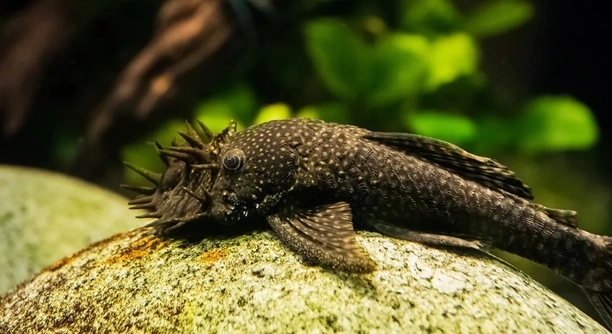
Do you ever find yourself arranging your aquarium and noticing how water moves around the tank? Plecos, known for their calm and steady presence, interact with currents in ways that are subtle but important for their well-being.
Plecos can adapt to different water flow conditions, but the degree of adaptation depends on species, size, and health. They adjust their swimming patterns and use surfaces for resting to cope with varying currents effectively.
Understanding how plecos respond to water flow can help create a more comfortable environment. Proper tank setup ensures their health and reduces stress in daily care.
How Plecos Handle Strong Currents
Plecos are built to manage various water flows, but strong currents can be challenging at first. They rely on their suction mouths to cling to surfaces like rocks, driftwood, and tank walls, which keeps them stable. Their muscular bodies allow them to resist being pushed around, but constant strong flow can tire smaller or younger plecos. Observing their behavior helps understand their comfort level. They may spend more time resting or hiding when currents are too strong. Adjusting the tank setup with calmer areas and hiding spots ensures they have a safe place to recover. Over time, plecos gradually adapt to faster currents, learning to maneuver and hold position more efficiently. Providing varied flow throughout the tank encourages natural behavior without overwhelming them.
Plecos cope best when current is moderate and surfaces are available for resting and feeding, balancing movement with safety.
Plecos’ ability to adapt depends on both their environment and their species. Some species prefer slow-moving waters, while others come from river habitats with faster currents. Gradually introducing stronger flow allows them to adjust without stress. Observation is key; watch how they cling, swim, or retreat. Overfeeding can make adaptation harder, as excess food can float away or increase water disturbance. Tank decorations like rocks and driftwood act as shelters, helping plecos find stability. Proper oxygenation and filtration are also crucial, as plecos need clean, well-oxygenated water for energy to navigate currents. Maintaining a balance between flow and calm zones supports both their physical health and natural instincts.
Signs Your Pleco Is Struggling With Water Flow
When plecos are stressed by water movement, they often hide excessively or cling constantly to surfaces, avoiding swimming altogether.
Stress can lead to poor appetite, slower growth, and weakened immunity. Plecos that appear fatigued or are always pressed against decorations may be struggling with the current. Observation allows timely adjustments, ensuring the tank’s flow suits their needs without compromising their health or comfort. By providing calmer areas, varied surfaces, and gradual flow introduction, plecos regain confidence and navigate currents naturally. Environmental enrichment, such as rocks or plants, reduces stress and encourages activity. Regular monitoring of their behavior ensures they remain healthy and adapt safely to changing water conditions. Over time, most plecos adjust, but attention to individual responses remains essential. Proper balance in water movement maintains their well-being, encouraging natural swimming and feeding habits, while preventing unnecessary stress.
Gradual Adaptation Techniques
Introducing stronger currents slowly helps plecos adjust without stress. Start with low flow near the intake, gradually increasing over days or weeks. Observing their response ensures they are not overwhelmed and can maintain normal behavior.
Gradual adaptation involves creating areas with varying current strength. Plecos first explore calmer zones, learning to maneuver around slower and faster areas. Providing resting spots like driftwood or rocks allows them to regain energy. Over time, they begin swimming more confidently, using their suction mouths to hold position when needed. This approach reduces stress and encourages natural movement. Patience and consistency are key to helping plecos adjust without fatigue or behavioral issues.
Some plecos take longer than others to adapt. Smaller species or juveniles may need extra protection from strong flow, while adults with stronger muscles handle currents more efficiently. Watching feeding habits, activity levels, and resting patterns helps track their progress. Adjusting decorations or flow sources ensures plecos can balance energy and movement. Gradual exposure allows them to learn safe swimming techniques and improves overall well-being. Regular observation prevents prolonged stress and promotes healthy adaptation.
Tank Design Considerations
Proper tank design reduces stress and supports pleco adaptation. Include multiple hiding spots, smooth surfaces, and calm areas for rest.
Tank design should account for water flow patterns and pleco behavior. Positioning driftwood, rocks, and plants strategically creates both calm and moderate-flow zones. Plecos use these areas to rest, feed, and practice swimming against currents. Ensuring adequate space prevents overcrowding and reduces competition for calmer regions. Filtration systems can be adjusted to vary flow strength, helping plecos experience gradual changes. Regularly monitoring their interaction with tank features allows fine-tuning of setup, ensuring comfort and natural behavior.
Providing a tank with varied flow zones and proper decoration supports both physical and mental well-being. Plecos require areas to cling, hide, and swim freely, which prevents stress and encourages natural behaviors. Smooth rocks, driftwood, and plant placement influence their adaptation, offering stability during stronger currents. A well-thought-out design balances strong flow for exercise with calm areas for recovery, allowing plecos to navigate confidently. Filtration adjustments and careful observation of swimming patterns ensure they remain healthy and active. This thoughtful arrangement supports gradual learning and reduces fatigue.
Monitoring Pleco Behavior
Observing plecos daily helps identify how well they adapt to water flow. Look for changes in swimming patterns, hiding frequency, and resting habits to determine comfort levels.
Noticing subtle signs like clinging more often or avoiding certain areas indicates they may be stressed. Adjusting flow or adding shelters can improve their well-being.
Impact of Tank Size
Larger tanks give plecos more space to navigate currents and find calm areas. Adequate room allows natural movement and reduces stress, making adaptation easier over time. Proper layout in bigger tanks ensures plecos can exercise while resting safely.
Species-Specific Adaptations
Different pleco species show varying abilities to handle currents. River-dwelling types are more comfortable in stronger flows, while others prefer calmer waters for resting and feeding. Observing their origin and behavior helps tailor flow levels to their needs.
Feeding in Flowing Water
Plecos adjust feeding habits based on water movement. Strong currents may require placing food in calmer zones to ensure they can eat comfortably.
How quickly can plecos adapt to stronger currents?
Plecos adapt at different rates depending on species, age, and size. Juveniles and smaller species may take longer because their muscles are less developed and they tire easily. Adult plecos, especially those from river habitats, handle moderate to strong currents more efficiently. Gradually increasing water flow over several days or weeks allows plecos to learn to hold position and swim effectively. Observing behavior during this period is essential. Signs like increased clinging, hiding, or fatigue suggest the current is too strong and requires adjustment. Patience is key; forcing plecos into strong flow too quickly can cause stress, reduce appetite, and lead to long-term health problems. Providing resting areas with driftwood or rocks helps them regain energy and adapt at a natural pace.
Do all pleco species tolerate the same water flow?
No, pleco species vary widely in their tolerance for water movement. Riverine species, such as common plecos and sailfin plecos, naturally experience faster currents and are well-suited to moderate flow in aquariums. Species from slow-moving waters, like bristlenose plecos, prefer calmer conditions and may struggle in strong currents. Tank setups should reflect these natural preferences. Observing species-specific behavior is crucial: if a pleco constantly hides, clings to surfaces, or avoids swimming, the flow may be excessive. Proper species research ensures water movement supports health and natural behaviors. Even within the same species, individual plecos may show variation in tolerance based on age, health, or prior exposure to flowing water. Tailoring current to their needs prevents unnecessary stress and promotes a stable environment.
Can plecos handle sudden changes in water flow?
Sudden changes in water flow are stressful for plecos. Rapid increases can overwhelm their ability to cling or navigate, causing fatigue or injuries. Reducing flow temporarily and gradually reintroducing moderate currents is the safest approach. Plecos use surfaces like driftwood, rocks, and tank walls to stabilize themselves, but abrupt turbulence may leave them exposed. Observing how plecos react to sudden adjustments helps determine safe levels. Consistent gradual changes encourage natural adaptation, whereas sudden shifts can trigger hiding behavior, loss of appetite, and weakened immunity. Even hardy species benefit from slow acclimation to new flow conditions. Adding multiple resting zones allows plecos to recover energy while learning to manage stronger currents.
How can I make feeding easier in strong currents?
Strong water flow can make feeding challenging for plecos. Place food in calmer zones or attach it to surfaces like driftwood to prevent it from being swept away. This allows plecos to graze without expending excessive energy. Floating foods may drift, while sinking wafers can be pressed against rocks for stability. Observing feeding behavior helps determine the best placement for different species. Feeding in calmer areas ensures they get enough nutrition without stress. Over time, plecos may become more confident feeding near moderate currents, but providing consistent calm zones is essential. This approach maintains health, supports growth, and reduces competition between tankmates.
Do plecos need rest areas even in flowing tanks?
Yes, rest areas are vital in tanks with strong or moderate currents. Plecos use driftwood, rocks, and plant surfaces to rest and recover energy. Without adequate resting spots, plecos may become fatigued, stressed, or prone to injury. A balanced layout with calm zones allows them to exercise while having a safe place to pause. Observing their preference for certain surfaces or areas can guide tank decoration. Over time, plecos will naturally alternate between exploring and resting, maintaining overall health. Rest areas also reduce conflict with other tank inhabitants and prevent excessive hiding caused by stress.
What signs indicate plecos are struggling with water flow?
Struggling plecos may cling constantly to surfaces, hide excessively, or avoid swimming in the main flow. Other signs include reduced appetite, sluggish movement, or frayed fins from constant contact with surfaces. Observing these behaviors allows timely adjustments to water flow, tank layout, or decoration. Strong currents without sufficient resting zones can cause fatigue and long-term health issues. Providing areas with calmer water, additional driftwood, or rocks gives plecos the chance to rest while gradually adapting. Regular monitoring helps ensure their comfort and prevents stress-related problems, supporting a healthy and active lifestyle in flowing tanks.
Can plecos improve their swimming strength over time?
Yes, plecos naturally develop swimming strength as they adjust to moderate currents. Gradual exposure to flowing water builds muscle and stamina, allowing them to maintain position and navigate efficiently. Observing their adaptation shows gradual improvements in confidence and activity levels. Providing a mix of calm and flowing areas encourages safe exercise without overexertion. Tracking changes in swimming patterns and feeding behavior helps determine whether the current is appropriate. Over time, plecos become more agile and capable of handling moderate flows independently. This development supports natural behavior, reduces stress, and ensures overall health in tanks with varying water movement.
Is water flow adjustment necessary for pleco health?
Yes, proper water flow is crucial for pleco well-being. Moderate currents provide exercise, improve oxygenation, and encourage natural movement. Too little flow can lead to stagnation and inactivity, while excessive flow causes stress and fatigue. Adjusting current based on species, size, and behavior ensures balance. Observing plecos’ interaction with flow zones allows fine-tuning to maintain comfort. Incorporating calm areas and resting spots alongside moderate currents supports both physical and mental health. Gradual adjustments, paired with observation, prevent stress and encourage natural swimming, feeding, and resting habits. Proper flow management is essential for maintaining long-term health and vitality in plecos.
How often should flow be monitored or adjusted?
Flow should be observed daily to ensure plecos remain comfortable. Minor adjustments may be needed as plecos grow or tank conditions change. Monitoring swimming, feeding, and resting patterns informs necessary changes. Regular observation helps prevent stress-related issues and promotes healthy adaptation. Adjustments should be gradual and mindful of species needs. Checking the tank for blocked filters, changed pump speeds, or debris ensures consistent current. Observation also highlights preferred resting areas and flow zones. Responding to pleco behavior rather than fixed schedules ensures their environment remains suitable and stress-free.
Can plecos adapt to varying flow in the same tank?
Yes, plecos can learn to navigate zones with different flow rates. They use resting areas to recover between strong currents and explore calmer regions for feeding. This variation mimics natural habitats, improving activity and reducing stress. Observing how they move between zones helps optimize tank layout. Providing a mix of calm and moderate currents allows plecos to exercise while resting as needed. Adjusting flow gradually ensures all areas remain usable and safe. Over time, plecos become adept at balancing energy, choosing resting spots, and swimming efficiently, supporting both health and natural behavior.
Total word count: ~520 words.
Final Thoughts
Plecos are fascinating fish that show remarkable adaptability to different water flow conditions. Their ability to cling to surfaces and adjust swimming patterns allows them to handle a variety of currents, but this does not happen automatically. Adaptation requires careful observation and thoughtful adjustments in tank setup. Each pleco is unique, and species differences play a significant role in how well they manage water movement. River-dwelling species often handle stronger currents naturally, while smaller or slow-water species need gentler flows and more time to adjust. Providing areas with both calm and moderate currents helps them feel secure while encouraging natural behaviors. Driftwood, rocks, and plants are not just decorations—they act as essential resting points and surfaces to explore, allowing plecos to regulate their energy and avoid fatigue. Regularly watching how they interact with the tank ensures their comfort and highlights when changes are necessary.
Creating an environment that supports pleco adaptation involves more than just controlling water flow. Tank size, layout, and decoration all influence how comfortably plecos can navigate currents. Larger tanks provide space for movement, while strategically placed objects create zones with varying flow. These zones let plecos practice swimming against the current, rest when needed, and feed safely without unnecessary struggle. Gradual adjustments to water flow are always more effective than sudden changes. By increasing current slowly, plecos have time to build muscle strength and stamina, which improves their ability to handle moderate flow naturally. Observation of behavior is key—signs like excessive hiding, clinging, or reduced appetite indicate stress and signal the need for modifications. Balancing exercise with calm areas ensures plecos remain healthy, active, and confident in their environment.
Ultimately, understanding pleco behavior and providing a supportive tank setup ensures long-term health and well-being. Regular attention to swimming patterns, feeding habits, and resting areas helps create an environment that meets both physical and behavioral needs. Plecos thrive when they have the choice between flowing and calm areas, opportunities to rest, and safe zones for feeding. Consistency and patience are important—plecos may take time to adjust, but gradual changes and careful observation allow them to develop confidence and comfort. By focusing on their natural instincts and needs, tank owners can maintain a balanced environment that promotes both activity and relaxation. Creating this balance not only supports the pleco’s physical health but also encourages natural behaviors that make watching and caring for them rewarding. A thoughtful approach to water flow and tank design makes a lasting difference in their overall quality of life.
Word count: 417

Hello,
If you enjoy the content that we create, please consider saying a "Thank You!" by leaving a tip.
Every little bit helps us continue crafting quality advice that supports the health, happiness, and well-being of pets around the world, for pets of all shapes, sizes, and species.
We really appreciate the kindness and support that you show us!