
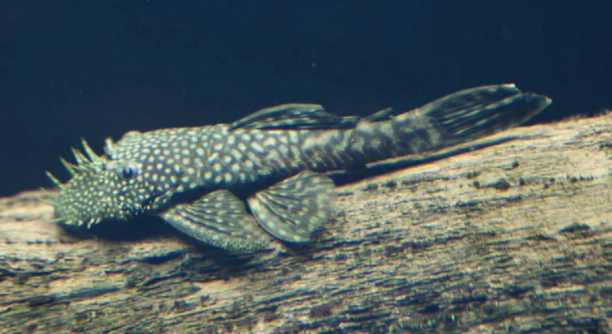
Is your pleco suddenly avoiding its usual hiding spot? Observing changes in behavior can be worrying, especially when your fish seems less comfortable in its environment. Small shifts often signal adjustments in its surroundings or routine.
The most common reason a pleco stops using its hiding spot is changes in water quality, tank layout, or stress factors. These changes can make the area less appealing or unsafe, prompting the fish to seek alternative hiding places.
Understanding these patterns will help you create a more comfortable habitat for your pleco and ensure its continued well-being in the aquarium.
Changes in Water Quality
Water quality is one of the most critical factors affecting your pleco’s behavior. Even small fluctuations in pH, temperature, or ammonia levels can make its hiding spot uncomfortable. Plecos are sensitive to sudden shifts, and they may move to areas with more stable conditions. Regular testing of water parameters is essential. If ammonia or nitrite levels rise, it can create stress, causing the fish to avoid familiar spots. Similarly, temperature fluctuations can disrupt their sense of safety. Keeping the water clean and consistent ensures your pleco feels secure and encourages natural behaviors, including using hiding spots. Observing your pleco closely after water changes can reveal its comfort level and highlight areas needing improvement. Adjustments such as adding filters, performing partial water changes, or monitoring chemical levels can make the tank more stable, helping your pleco return to its preferred hiding area. Consistency is key to maintaining a healthy environment.
Small water changes and monitoring can quickly restore comfort, helping your pleco feel secure in its environment again.
Over time, even minor shifts in the tank can accumulate and significantly affect your pleco’s habits. Regular maintenance routines reduce stress, but it’s also important to notice how your fish reacts to these adjustments. Sometimes, adding gentle currents or rearranging décor can improve water flow and oxygen levels, encouraging the pleco to explore its usual hiding spots. Keeping track of temperature and chemical levels provides a stable environment. Gradual changes are better than sudden ones, allowing your pleco to adjust without stress. Observing its behavior daily helps identify which areas feel safest and most comfortable. This attention to detail ensures your pleco’s hiding spot remains an inviting retreat. By understanding these small factors, you create a supportive habitat that promotes natural behavior and overall health, making your tank a more balanced environment.
Tank Layout Adjustments
Changes in décor or hiding structures can confuse your pleco. Rearranging rocks or adding new items may make the spot less accessible or intimidating, prompting the fish to explore elsewhere.
Plecos prefer dark, enclosed spaces that feel safe. Adding caves, driftwood, or plants in familiar arrangements encourages them to return to their original hiding areas. Maintaining consistent hiding spots while gradually introducing new features helps the fish adjust without stress. Observing its movement patterns can reveal preferred locations, making it easier to design the tank layout to match its comfort needs.
Rearranging the tank carefully allows the pleco to feel secure while still providing enrichment. Overcrowding or removing familiar structures can increase stress and reduce hiding behaviors. Gradual modifications, such as shifting a cave slightly or adding gentle plant cover, help the fish regain confidence. Ensuring adequate space around hiding spots prevents territorial conflicts and keeps water flow consistent. Paying attention to light levels, substrate texture, and placement of decorations supports the pleco’s sense of safety. Adjustments should be minimal but purposeful, fostering natural behavior. By balancing stability with small enhancements, your pleco is more likely to resume using its hiding spot while exploring safely.
Stress and Environmental Factors
Sudden noise, vibrations, or frequent tank disturbances can stress a pleco. Stress may make it avoid its usual hiding spots until the environment feels stable again. Plecos react to changes in lighting, tank traffic, and even nearby pets.
Stress impacts a pleco’s behavior more than most realize. When the tank experiences constant movement or vibrations, the fish may feel unsafe in previously comfortable areas. Bright lights or sudden flashes can also trigger anxiety, making hiding spots less appealing. Even minor disruptions, like tapping the glass or moving decorations, can create discomfort. Reducing disturbances and maintaining a calm environment encourages your pleco to return to its familiar areas. Quiet surroundings, stable lighting schedules, and predictable routines help the fish regain a sense of security.
Environmental factors like overcrowding or incompatible tankmates further affect a pleco’s comfort. Competition for space, hiding spots, or food can cause avoidance behaviors. Observing interactions between fish is crucial, as dominant species may intimidate plecos. Adjusting tank arrangements, providing multiple hiding options, and separating aggressive individuals restores safety. By ensuring each pleco has adequate territory and retreat areas, you minimize stress and promote natural habits. Gradual environmental changes, rather than sudden shifts, maintain comfort and encourage the fish to resume its usual hiding behaviors. A stable environment supports overall health and reduces anxiety.
Health and Diet Considerations
Illness or nutritional deficiencies can make hiding spots unappealing. A sick or malnourished pleco may prefer open spaces or move less frequently. Maintaining proper diet and monitoring health is crucial.
Changes in feeding patterns, lack of essential nutrients, or sudden illness can directly affect behavior. Plecos require a balanced diet, including vegetables, algae, and occasional protein sources, to stay healthy. Nutritional gaps can weaken their immune system, reducing energy and making them avoid tight spaces. Observing appetite, growth, and activity levels helps identify dietary or health issues early. Regular check-ups and careful feeding schedules improve vitality and encourage natural hiding behavior.
Health problems can also be subtle, like fin rot or minor infections, which reduce a pleco’s willingness to enter confined areas. Early detection allows for timely treatment, preventing stress and further behavioral changes. Ensuring water quality, providing varied nutrition, and keeping an eye on physical signs helps maintain health. Sometimes, simply adjusting diet or treating minor illnesses can restore confidence, making hiding spots inviting again. Consistent care and observation reinforce natural behaviors and ensure the pleco remains active and comfortable in its habitat.
Lighting Conditions
Bright or fluctuating lighting can make plecos uncomfortable. They prefer dim areas and may avoid hiding spots that are too exposed or illuminated.
Sudden changes in light intensity or duration can disrupt their natural behavior. Providing shaded areas and consistent lighting schedules helps plecos feel secure and encourages use of hiding spots.
Social Dynamics
Tankmates can influence pleco behavior significantly. Aggressive or territorial fish may intimidate plecos, causing them to abandon familiar hiding spots in search of safer areas.
Adjusting tank populations, creating separate hiding spaces, and observing interactions helps reduce stress. Plecos are more likely to feel safe and resume normal behaviors when they have adequate territory and minimal conflict.
Seasonal or Routine Shifts
Changes in feeding times, water temperature, or daily routines can affect pleco comfort. Even slight variations can make their hiding spots less appealing. Consistency ensures plecos feel secure and maintain natural behaviors.
Substrate and Tank Bottom Conditions
Uneven, rough, or dirty substrates can deter plecos from using hiding spots. Smooth, clean surfaces encourage exploration and consistent hiding behavior.
FAQ
Why has my pleco stopped using its favorite hiding spot?
There are several reasons a pleco may abandon its usual spot. Common causes include changes in water quality, temperature fluctuations, or stress from noise and vibrations. Illness, improper diet, or aggressive tankmates can also make hiding spots feel unsafe. Observing the fish and tank conditions helps identify the issue.
How can I tell if water quality is affecting my pleco?
Signs include gasping at the surface, reduced activity, or hiding in unusual areas. Regular testing of ammonia, nitrite, nitrate, and pH levels is essential. Maintaining consistent water parameters prevents stress and encourages your pleco to use its hiding spots normally.
Could tank layout changes be the reason?
Yes, rearranging decorations, adding new items, or removing familiar structures can confuse plecos. They rely on consistent hiding places to feel safe. Gradual adjustments and keeping some familiar spots intact can help the fish readjust.
Does lighting impact hiding behavior?
Bright lights or inconsistent schedules can deter plecos from entering their shelters. Providing shaded areas, dim lighting, and consistent light cycles encourages natural behavior. Plecos prefer dim corners, caves, or areas shielded by plants or driftwood.
Can tankmates cause my pleco to avoid hiding spots?
Aggressive or territorial fish may intimidate plecos. Overcrowding reduces available safe areas. Providing multiple hiding spots, observing interactions, and separating aggressive individuals restores a sense of safety and encourages natural habits.
Could stress from noise or vibrations affect behavior?
Yes, frequent tapping on glass, loud household noises, or strong tank vibrations can make hiding spots unappealing. A calm, stable environment with minimal disturbances helps the pleco feel secure and return to its preferred areas.
Does diet or health play a role?
Poor nutrition, illness, or infections can influence hiding behavior. Weak or sick plecos may avoid tight spaces. Providing a balanced diet, monitoring appetite, and treating minor illnesses ensures they maintain natural hiding habits.
How long will it take for my pleco to return to its hiding spot?
Recovery depends on the cause. Once water quality, stress, or environmental issues are addressed, plecos may return within days or weeks. Patience, careful observation, and a stable tank environment speed up the process.
Are seasonal changes or routines important?
Yes, shifts in feeding schedules, light cycles, or water temperature can make hiding spots less inviting. Maintaining consistent routines and gradual adjustments ensures plecos feel secure.
Should I provide multiple hiding spots?
Providing several caves, driftwood pieces, or plant-covered areas reduces stress and competition. Multiple options encourage plecos to feel safe and return to their favorite spots while exploring the tank comfortably.
Is substrate important for hiding behavior?
Plecos prefer smooth, clean substrates. Rough, uneven, or dirty tank bottoms can discourage hiding. Regular maintenance, proper substrate choice, and clear areas under decorations encourage natural sheltering behavior.
Can I improve my pleco’s confidence in its tank?
Yes, consistency in water quality, lighting, and tank layout, along with proper diet and minimal stress, helps plecos regain trust in their environment. Observing behavior daily ensures small problems are addressed before they escalate.
Are certain pleco species more prone to hiding changes?
Some species, especially larger or more territorial plecos, are sensitive to environmental shifts. They require stable tanks, plenty of hiding spaces, and compatible tankmates to maintain natural behavior. Understanding your species’ specific needs helps prevent unwanted changes in habits.
How do I monitor if my pleco feels safe?
Look for normal swimming patterns, regular feeding, and use of hiding spots. Reduced movement, hiding in unusual areas, or erratic swimming signals discomfort. Observing these behaviors helps you make timely adjustments.
Can minor adjustments help without major tank changes?
Yes, small changes like adding a single new cave, adjusting light intensity, or improving water flow can make hiding spots more appealing. Gradual modifications maintain stability and help your pleco feel comfortable returning to its favorite areas.
Is it normal for plecos to switch hiding spots occasionally?
Yes, plecos sometimes explore new areas or alternate spots. Temporary changes are natural as long as the fish remains active, eats well, and shows no signs of stress. Frequent shifts combined with other issues may indicate underlying problems.
What should I do if my pleco refuses all hiding spots?
Check water quality, tank layout, lighting, diet, and stress factors. Addressing these elements systematically often restores confidence. Temporary isolation or additional hiding options can also encourage the fish to resume natural sheltering behavior.
How often should I check my pleco’s behavior?
Daily observation is recommended. Monitoring activity, hiding patterns, and feeding ensures early detection of stress or environmental problems. Prompt adjustments prevent long-term behavior changes and maintain a healthy, comfortable habitat.
Can improving tank aesthetics help?
Yes, adding natural decorations, smooth substrates, and shaded areas can make hiding spots more appealing. Plecos are more likely to use shelters when the environment feels safe and consistent with their natural preferences.
Are there signs my pleco is permanently stressed?
Chronic stress may appear as constant hiding, poor appetite, color fading, or frequent surface gasping. Long-term observation and intervention are crucial. Improving water quality, diet, and environmental stability usually reduces stress and restores normal behavior.
Is it normal for plecos to only hide at certain times?
Yes, plecos are nocturnal by nature. They may remain hidden during daylight and become active at night. Providing appropriate lighting and sufficient shelters supports these natural patterns and keeps them comfortable.
What is the most effective way to encourage hiding spot use?
Maintain stable water conditions, reduce stress, provide suitable hiding structures, and ensure proper nutrition. Gradual environmental adjustments, consistent routines, and careful observation are key to restoring confidence in familiar hiding spots.
How can I prevent future avoidance of hiding spots?
Regular water testing, consistent tank layout, compatible tankmates, and monitoring diet and health prevent behavioral changes. Maintaining a calm and predictable environment encourages ongoing use of preferred shelters and supports overall pleco well-being.
Are there long-term consequences if hiding spots are avoided?
Prolonged avoidance can increase stress, reduce activity, and compromise immune function. Ensuring safe and accessible hiding spaces protects the pleco’s health, encourages natural behaviors, and reduces susceptibility to disease over time.
Final Thoughts
Understanding why your pleco stopped using its hiding spot involves observing both the fish and its environment closely. Plecos are sensitive creatures that rely on stable conditions and familiar spaces to feel secure. Changes in water quality, tank layout, lighting, or the presence of other fish can all influence their behavior. Even small disturbances, like sudden noise or vibrations, can make hiding spots less appealing. Paying attention to these details allows you to identify the source of the problem and take steps to restore a comfortable environment. Regular monitoring of water parameters, maintaining a consistent light schedule, and avoiding unnecessary disruptions can help your pleco feel safe again. Observing your pleco’s habits over time provides valuable insight into its preferences and ensures that adjustments are made with its well-being in mind.
Providing multiple hiding spots and maintaining proper tank conditions are essential for encouraging natural behaviors. Plecos thrive when they have options that meet their need for shelter and security. This can include caves, driftwood, or plant-covered areas where they can retreat without feeling threatened. Ensuring the tank layout remains familiar, even when adding new decorations, helps reduce stress and allows the pleco to explore at its own pace. Diet and health also play a significant role in behavior. A well-balanced diet that includes vegetables, algae, and occasional protein supports energy levels and overall vitality, making hiding spots more attractive. Addressing minor health concerns early prevents discomfort that could cause avoidance of shelter. By considering both environmental and biological factors, you create a space that supports natural hiding behavior and overall tank harmony.
Consistency and patience are key to helping your pleco feel secure and return to its preferred hiding spot. Sudden changes should be avoided, and any adjustments should be gradual, giving the fish time to adapt. Observing interactions with tankmates ensures that social stress is minimized, and multiple shelters help prevent territorial disputes. A calm, stable environment with clean water, adequate nutrition, and carefully planned tank layout fosters confidence and natural behavior. Over time, these efforts not only encourage the pleco to use its hiding spot but also contribute to its long-term health and well-being. By understanding the factors that influence behavior and responding thoughtfully, you can maintain a comfortable and enriching habitat where your pleco feels safe and confident.

Hello,
If you enjoy the content that we create, please consider saying a "Thank You!" by leaving a tip.
Every little bit helps us continue crafting quality advice that supports the health, happiness, and well-being of pets around the world, for pets of all shapes, sizes, and species.
We really appreciate the kindness and support that you show us!