
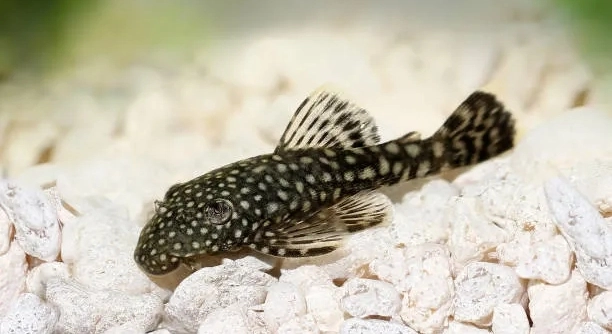
Have you ever noticed your plecos moving around the tank in unusual ways and wondered what they are trying to convey? These fish may use subtle gestures to interact with their surroundings and with each other. Observing them can be surprisingly engaging.
Plecos are capable of communicating through body language. Movements such as fin displays, tail flicks, and body postures serve as signals to other fish. These behaviors indicate stress, dominance, or mating readiness, allowing plecos to convey information non-verbally.
Watching these small behaviors more closely can reveal patterns and interactions that are easy to miss at first glance. Understanding them enhances the connection between you and your aquatic pets.
How Plecos Use Fin Movements
Fin movements are one of the clearest ways plecos communicate. They often flare their pectoral fins to assert territory or show dominance. In a crowded tank, this can help prevent fights. Sometimes, plecos wave their fins gently, which may signal calm or curiosity. Tail flicks also serve as a warning when another fish gets too close. Observing these behaviors over time allows you to understand your fish’s normal patterns and reactions. Fin displays can also indicate health issues; a pleco keeping its fins close may be stressed or ill. Lighting, water quality, and tank decorations all influence how often these behaviors occur. Plecos are surprisingly expressive once you start paying attention. Recognizing these small gestures can make tank maintenance and social interactions easier. Over time, you may notice subtle differences between individual fish, which helps in predicting behavior and reducing conflicts in the aquarium.
Fin movements are reliable signals plecos use to communicate moods and intentions with others around them.
Tracking fin movements carefully helps identify stress, dominance, or readiness for social interaction. Noticing subtle changes allows better care and management.
Body Postures and Tank Interaction
Body postures can reveal a pleco’s comfort level.
Plecos change their body angles when resting, exploring, or signaling to others. A pleco lying flat against a surface is usually relaxed, while a rigid, upright posture can indicate alertness or agitation. They may also press against tank walls to mark territory or stay close to hiding spots when feeling threatened. Interactions with decorations, plants, and other fish often accompany these postures, showing their preferences and social tendencies. Over time, you can learn which areas of the tank each fish favors, and which postures indicate stress or contentment. Observing their body orientation in relation to light, water flow, and other fish provides insight into their behavior. Careful attention to these signals improves feeding strategies and reduces stress. Understanding body language also helps you identify signs of illness early, ensuring your plecos remain healthy and active. Recording patterns over weeks can show how environmental changes affect behavior.
Plecos and Social Signals
Plecos use subtle gestures to communicate with each other. Nods, slight body twists, and slow swimming patterns indicate submission, curiosity, or readiness to interact. Watching these cues can reveal their social structure and how they establish territory in the tank.
Some plecos swim slowly toward others, often circling or aligning their bodies to signal peaceful intentions. Fast darting or sudden turns can act as warnings. During feeding, plecos may bump each other lightly to assert dominance, but repeated aggressive gestures show tension. Recognizing these behaviors allows you to separate stressed or aggressive individuals. Plecos also respond to external stimuli, such as new decorations or changes in water flow, which can trigger unique signals. Tracking social interactions helps maintain a calmer tank environment and ensures all fish have space and hiding spots, reducing stress and promoting healthier behavior.
Tracking social signals over time helps in predicting interactions and avoiding conflicts. Paying attention to these signs improves tank harmony and your ability to care for them.
Subtle Signs of Stress
Stressed plecos often change their posture and movements noticeably. They may hide more, stay in corners, or press against surfaces. Fin clamping is a common indicator.
Water quality issues, overcrowding, or sudden changes in lighting can trigger stress. A stressed pleco may reduce feeding or display rapid, jerky movements. They might scrape against surfaces more than usual or retreat to hiding spots for long periods. Stress can also make them more susceptible to illness, so early recognition is essential. Observing how your plecos react to routine maintenance, visitors, or new tank additions gives insight into their comfort levels. Simple adjustments, like adding more hiding spots or adjusting water parameters, can reduce tension. Documenting patterns helps identify stress triggers and keeps your fish healthier.
Understanding stress behaviors allows for timely action to improve living conditions. Observing these subtle signs regularly ensures your plecos remain comfortable, safe, and more predictable in their interactions.
Plecos and Feeding Behavior
Plecos often use body movements to signal hunger or interest in food. They may swim close to the surface or hover near a feeding spot, showing readiness. Slow circling or nudging decorations can also indicate they are searching for algae or other food sources.
During feeding, plecos may display subtle gestures toward other fish. Gentle bumps or nudges help establish who gets access first without serious conflict. Watching these movements helps in providing enough food for all tank inhabitants and maintaining harmony during meals.
Plecos and Night Activity
Plecos are mostly nocturnal and more active at night. Their movements can indicate curiosity, exploration, or territory checks. Observing them in low light can reveal behaviors not seen during the day.
Interaction With Tankmates
Plecos communicate with other fish through postures and gentle touches. They establish boundaries and signal calm or alert states. Regular observation helps maintain a peaceful tank.
FAQ
How can I tell if my pleco is stressed?
A stressed pleco often changes its posture and behavior. Look for clamped fins, hiding more than usual, or staying pressed against surfaces. Sudden jerky movements or frequent scraping against decorations can also indicate tension. Stress may come from water quality issues, overcrowding, or sudden changes in the tank environment. Observing patterns over several days helps distinguish temporary reactions from persistent stress, making it easier to take corrective action, like adjusting tank conditions or adding more hiding spots.
Do plecos communicate with other fish?
Yes, plecos communicate through body language. Fin displays, tail flicks, and slow swimming patterns signal intentions such as submission, curiosity, or aggression. Gentle nudges or circling behaviors help them establish social hierarchy without constant fighting. Understanding these interactions is key to managing a multi-species tank.
Why does my pleco scrape against surfaces?
Scraping can serve multiple purposes. It may indicate natural behavior like feeding on algae or exploring textures. In some cases, it signals irritation or stress from poor water quality, parasites, or discomfort. Observing when and how often scraping occurs helps identify the cause.
How do plecos show dominance?
Dominant plecos often flare their pectoral fins, display rigid postures, or move aggressively toward tankmates. They may also claim prime hiding spots or food areas. These gestures are usually brief and paired with subtle nudges rather than continuous attacks, helping maintain hierarchy in the tank.
Can plecos recognize their owners?
Plecos can show recognition through body movements and approach behavior. They may swim toward familiar people during feeding times or follow movements outside the tank. This recognition is not as social as mammals but reflects learned associations with food and safety.
What behaviors indicate a healthy pleco?
A healthy pleco swims steadily, explores its environment, and shows normal feeding behavior. Fins are open, movements are smooth, and body posture remains relaxed when resting. Active night behavior and regular grazing on surfaces also indicate good health and comfort in the tank.
Do plecos communicate when breeding?
Yes, plecos use specific gestures during breeding. Males often flare fins, press against surfaces, and lead females to preferred nesting sites. Tail flicks, nudging, and circling behaviors help synchronize mating activity. Observing these interactions can indicate readiness without disturbing the fish.
How do environmental changes affect pleco communication?
Changes in lighting, water flow, or decorations can alter pleco behavior. New objects may trigger exploratory signals or defensive postures. Sudden shifts in temperature or water parameters can cause stress displays. Monitoring reactions during adjustments helps maintain stable communication cues and reduce conflict.
Can plecos communicate hunger or feeding needs?
Yes, plecos use body movements to signal feeding. They hover near food areas, swim in slow circles, or nudge objects. Observing these gestures ensures all plecos receive enough food and helps prevent overfeeding or competition.
Are pleco behaviors different during day and night?
Plecos are mostly nocturnal, showing more activity at night. Movements include grazing, exploring, and interacting with tankmates. Daytime behavior is often resting or hiding. Understanding this cycle helps interpret body language correctly and reduces misreading normal behavior as stress.
Do plecos communicate differently in crowded tanks?
In crowded tanks, plecos may increase displays of dominance or submission. More nudging, fin flaring, and territorial postures appear to establish boundaries. Providing enough hiding spaces and careful observation can prevent prolonged stress and aggression, allowing natural communication without injury.
How long does it take to understand pleco communication?
Recognizing pleco signals requires consistent observation. Within a few weeks, common gestures like fin flaring, tail flicks, and nudges become noticeable. Patterns may vary by individual, so patience is essential to interpret their communication accurately. Regularly monitoring behavior enhances tank management and fish well-being.
This FAQ covers the most frequent concerns about pleco body language and social behavior. By observing subtle movements, understanding signals, and maintaining proper tank conditions, you can ensure your plecos communicate comfortably and thrive in their environment.
Word count: 507
Final Thoughts
Plecos are more expressive than many people realize. They rely heavily on body language to interact with their environment, communicate with other fish, and respond to changes in their tank. Subtle movements, such as fin flicks, tail swishes, or changes in posture, can reveal their mood, health, and social intentions. Paying attention to these signals allows you to better understand their behavior and anticipate their needs. Over time, observing these small gestures becomes easier, and you start to notice patterns that tell you when a pleco is comfortable, stressed, curious, or ready to eat. Each pleco has unique habits, and taking note of these differences can make caring for them more effective and rewarding.
Watching plecos closely also shows the importance of their environment. A well-maintained tank with clean water, proper lighting, and adequate hiding spots supports healthy communication. When plecos feel safe, they are more likely to display natural behaviors like grazing, exploring, and interacting with others. Stress, on the other hand, can cause unusual or aggressive behaviors, signaling that changes are needed. By observing how plecos move, where they hide, and how they respond to tankmates or new decorations, you can adjust their environment to make them feel secure. Simple actions, such as adding plants, adjusting water flow, or rearranging decorations, can make a noticeable difference in how your plecos behave and communicate.
Understanding pleco communication enhances the experience of keeping them in an aquarium. It creates a deeper connection between you and the fish while supporting their health and well-being. Noticing how they respond to feeding, tankmates, or changes in their surroundings gives insight into their personality and social structure. Over time, you develop a better sense of when they are relaxed, alert, or stressed, which allows for more effective care. Observing their behavior regularly can also help prevent problems before they become serious, ensuring a peaceful and healthy tank. Being attentive to their body language transforms fishkeeping from simply maintaining a tank to actively engaging with the lives of the animals in it, creating a more enjoyable and informed experience.
Word count: 407

Hello,
If you enjoy the content that we create, please consider saying a "Thank You!" by leaving a tip.
Every little bit helps us continue crafting quality advice that supports the health, happiness, and well-being of pets around the world, for pets of all shapes, sizes, and species.
We really appreciate the kindness and support that you show us!