
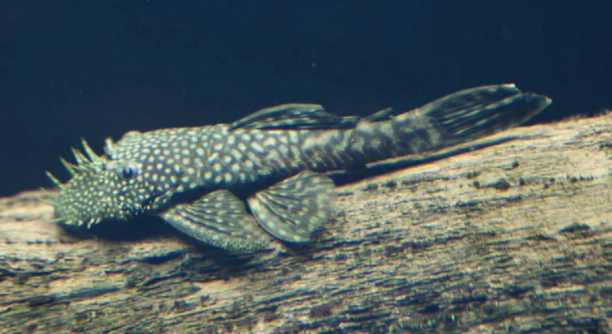
Are your plecos moving quietly along the tank walls, gliding over rocks and hiding spots with ease? Observing their calm behaviors can indicate comfort. Plecos thrive in environments that feel secure, and their habits reveal their sense of safety.
Plecos demonstrate security through consistent, relaxed swimming patterns, regular feeding behavior, and the use of hiding spaces. Stress signs include erratic movement, hiding excessively, or showing aggression. Ensuring stable water conditions and proper tank setup reinforces their sense of safety.
Recognizing these cues will help you maintain a healthy and comfortable environment for your plecos to flourish in. Proper observation is key to their well-being.
Observing Hiding Spots
Plecos often seek out caves, driftwood, or dense plants to hide. When they feel secure, they use these spots intermittently, resting during the day and emerging to feed at night. A well-structured tank with multiple hiding places helps them feel protected from sudden disturbances. Overcrowding or abrupt changes in tank conditions can make them shy or skittish, so maintaining a stable environment is essential. Watching their pattern of movement between open areas and shelters provides insight into their comfort levels. If a pleco avoids hiding spots entirely or hides constantly, it may indicate stress. Adjusting water temperature, lighting, and adding gentle décor can improve their sense of security. These habits are subtle but reliable signs. Keeping track of their behavior over time allows you to respond appropriately to their needs. Consistency and careful observation are key to fostering a safe, calm space for your plecos.
Plecos that feel secure will explore without hesitation, using hiding spots only when necessary or during rest periods.
Regular monitoring of hiding patterns allows you to ensure a balanced environment, providing both security and space for exploration, which supports overall health.
Feeding Behavior
Secure plecos approach feeding calmly and consistently, eating at regular times without hesitation. Sudden bursts of aggression or refusal to eat can signal discomfort or stress, often related to environmental changes. A stable feeding routine helps them feel safe.
A varied diet with algae wafers, vegetables, and occasional protein keeps plecos healthy and confident in their habitat. Overfeeding or irregular feeding schedules can disrupt this balance. Observing which foods they prefer and how quickly they eat provides insight into their comfort levels. Some plecos may be shy initially, but with consistent care and quiet surroundings, they gradually become more confident at mealtime. Avoiding sudden disturbances near the feeding area reduces stress and encourages natural foraging behaviors. Ensuring water parameters like temperature, pH, and cleanliness are optimal reinforces their sense of security. Feeding is not only about nutrition but also about building trust with the environment. A calm, predictable routine supports both physical health and mental comfort. By watching how your plecos respond to meals, you can adjust care to meet their needs and reinforce a safe, welcoming tank atmosphere.
Swimming Patterns
Plecos that feel secure swim smoothly and deliberately, exploring both open areas and corners of the tank. Erratic or rapid movements often indicate stress or discomfort, while calm, consistent swimming reflects confidence in their environment.
Regular, relaxed swimming shows that plecos are comfortable with their surroundings. They glide along the substrate, climb decorations, and occasionally hover near the surface without sudden bursts of speed. Watching how they navigate around obstacles and interact with other tank mates can reveal their level of security. Sudden darting or hiding after minor disturbances signals unease, often caused by changes in lighting, water quality, or tank layout. Ensuring stable water parameters and providing ample space helps maintain consistent swimming behaviors. Observing these patterns over time gives a reliable indication of a pleco’s comfort.
Changes in swimming style, such as lingering in corners or avoiding certain areas, can indicate stress. Adjusting tank conditions and minimizing disturbances encourages natural movement and promotes a sense of safety.
Interaction with Tank Mates
Plecos that feel secure coexist peacefully with other fish, showing minimal aggression or territorial behavior. Avoiding constant hiding and allowing shared space indicates confidence and stability.
Peaceful interactions demonstrate that plecos are comfortable within their social environment. Aggression, chasing, or excessive hiding can signal insecurity or inadequate space. Properly spaced hiding spots and visual barriers reduce tension. Monitoring how plecos respond to both passive and active tank mates helps gauge their comfort levels. Consistent behavior over time, including shared feeding and resting areas, indicates that the tank setup supports their sense of security. Environmental stability, such as steady water conditions and minimal sudden changes, reinforces positive social interactions. Secure plecos are more likely to explore together, maintaining natural behaviors without stress or anxiety.
A balanced tank layout with clear territories and enough room for each species prevents conflicts. Ensuring sufficient resources, such as food and shelters, allows plecos to interact safely while feeling confident in their environment.
Resting Behavior
Secure plecos rest in predictable spots, often under driftwood or inside caves. They remain still for long periods without showing signs of agitation or constant movement, indicating comfort in their surroundings.
Plecos that feel stressed may hover near open water or shift frequently while resting. Stable hiding spots and minimal disturbances encourage calm, predictable resting behavior.
Response to Light
Plecos that feel secure tolerate gradual changes in light without panic. They adjust positions naturally and continue normal activity without darting or hiding excessively.
Physical Appearance
Healthy plecos with smooth scales, vibrant colors, and intact fins typically feel secure. Dull coloration, torn fins, or clamped tails can indicate stress or environmental discomfort.
Exploration Behavior
Secure plecos explore their tank confidently, inspecting new decorations or areas without hesitation. They maintain a balance between curiosity and retreat, showing trust in their environment.
FAQ
How can I tell if my pleco is stressed?
Signs of stress in plecos include erratic swimming, excessive hiding, loss of appetite, and unusual aggression. Dull coloration, clamped fins, and constant movement without resting are also indicators. Stress often arises from poor water quality, sudden environmental changes, overcrowding, or incompatible tank mates. Regular observation and maintaining stable conditions can reduce stress and improve their well-being.
What kind of hiding spots should I provide?
Plecos feel secure with a variety of shelters such as caves, driftwood, PVC pipes, and dense plants. Offering multiple spots allows them to choose where they feel safest. Positioning these in quiet areas of the tank encourages natural resting and hiding behaviors without constant disturbances.
How often should I feed my pleco?
A consistent feeding schedule is key. Most plecos thrive on a diet of algae wafers, vegetables like zucchini or cucumber, and occasional protein sources. Feeding once or twice daily at the same time helps them feel safe and maintains predictable behavior patterns. Avoid overfeeding to prevent water quality issues.
Can plecos live peacefully with other fish?
Yes, secure plecos often coexist well with community fish, provided there is enough space and hiding spots. Aggression usually occurs when territories overlap or resources are scarce. Observing interactions and providing separate areas for each species reduces stress and supports healthy social behavior.
How important is water quality for plecos’ sense of security?
Water quality is critical. Stable temperature, pH, and cleanliness help plecos feel safe. Sudden changes in water parameters can cause stress and erratic behavior. Regular testing, water changes, and proper filtration maintain a secure environment and promote natural behaviors.
What behaviors indicate a confident pleco?
Confident plecos swim smoothly, explore their environment, use hiding spots selectively, and eat without hesitation. They interact with tank mates calmly and show consistent resting patterns. Observing these behaviors regularly helps gauge their comfort levels and adjust tank conditions if necessary.
Should lighting be adjusted for plecos?
Gradual changes in lighting support security. Plecos are nocturnal and prefer dim or shaded areas during the day. Sudden bright light can startle them and trigger hiding. Providing shaded areas or floating plants helps them adjust naturally without stress.
How can I improve a stressed pleco’s environment?
Adding more hiding spaces, maintaining stable water parameters, and minimizing sudden movements or noise near the tank helps. Ensuring a balanced diet and consistent feeding schedule also supports comfort. Observing their behavior daily allows early detection of stress and timely adjustments.
Do plecos communicate stress through body language?
Yes, plecos use subtle cues such as clamped fins, color changes, darting movements, or constant hiding to signal discomfort. Understanding these behaviors helps you identify problems early and create a more secure environment for them.
Can tank size affect plecos’ sense of security?
Absolutely. Adequate space is essential. Crowded conditions can lead to stress, aggression, and over-competition for resources. Providing sufficient swimming areas and hiding spots allows plecos to establish territories and feel confident in their surroundings.
Is it normal for plecos to hide most of the time?
Hiding is natural, but excessive hiding may indicate stress or poor conditions. Secure plecos balance hiding with exploration, feeding, and swimming. Monitoring patterns over time helps distinguish normal behavior from signs of discomfort or insecurity.
How long does it take for a pleco to feel secure in a new tank?
Adjustment time varies depending on species, tank setup, and environmental stability. Generally, plecos begin showing secure behaviors within a few days to weeks if conditions are optimal. Patience and consistent care are essential for building confidence.
Do plecos respond differently to human presence?
Plecos that feel secure may observe humans quietly or swim near the tank glass without fear. Nervous or stressed plecos tend to dart away or hide immediately. Consistent, calm interactions help build trust and reduce anxiety over time.
Can diet affect plecos’ sense of security?
Yes. A balanced diet promotes health and consistent behavior. Inadequate nutrition can lead to lethargy, aggression, or stress. Offering a mix of algae, vegetables, and occasional protein ensures they remain healthy, confident, and comfortable in their environment.
How often should I check on my plecos’ behavior?
Daily observation is ideal. Noticing subtle changes in swimming, hiding, feeding, or coloration allows early intervention. Regular monitoring ensures the tank conditions remain stable and plecos continue to feel secure, supporting both physical and mental well-being.
Are there signs that a pleco is permanently stressed?
Persistent hiding, loss of appetite, dull coloration, and chronic aggression indicate long-term stress. Addressing tank conditions, improving water quality, and providing proper hiding spots can alleviate stress. Early detection prevents long-term health issues and promotes a sense of security over time.
This FAQ provides practical ways to recognize and support plecos’ comfort, offering insights into their behavior, environment, and care needs. Observing and adjusting their surroundings consistently ensures a healthy, confident, and secure life for your plecos.
Final Thoughts
Creating a secure environment for plecos is essential for their health and well-being. Observing their behavior closely provides insight into how comfortable they feel in their tank. Signs such as smooth swimming, selective hiding, consistent feeding, and calm interactions with other fish indicate that plecos are confident and secure. Ensuring that they have multiple hiding spots, adequate swimming space, and stable water conditions is key. Overcrowding or sudden changes in temperature, lighting, or water parameters can disrupt their sense of safety. By maintaining a predictable environment, you can help your plecos thrive, allowing them to display natural behaviors without stress or fear. Regular observation of their habits is as important as the physical setup of the tank because plecos communicate discomfort through subtle behaviors rather than overt actions. Understanding these cues allows you to respond effectively, improving their quality of life.
Feeding routines play a significant role in making plecos feel secure. A consistent schedule with appropriate foods ensures that they know when and where to expect nourishment. Including a variety of foods, such as algae wafers, fresh vegetables, and occasional protein, helps meet their nutritional needs and encourages natural foraging behavior. Avoiding overfeeding or sudden changes in diet reduces stress and maintains water quality, which directly impacts their sense of safety. Plecos are creatures of habit, and their confidence increases when their daily routine is predictable. Observing how quickly and confidently they approach food, how they interact with tank mates during feeding, and whether they retreat immediately after can reveal a lot about their comfort level. Paying attention to these details allows you to adjust their environment and routine to better suit their needs, reinforcing their sense of security over time.
Behavioral observation remains the most reliable method for ensuring that plecos feel secure. Noticing patterns in swimming, resting, hiding, and interaction with other fish provides valuable information about their comfort. Consistent, calm behavior, confident exploration, and healthy physical appearance are indicators of a well-adjusted pleco. Tank stability, hiding spots, proper feeding, and gentle lighting adjustments all contribute to creating an environment where plecos feel safe. Stress manifests subtly in plecos, often through color changes, fin clamping, or constant hiding, making careful observation essential. By monitoring these behaviors regularly and maintaining stable conditions, you can prevent long-term stress and health problems. Ultimately, fostering a secure environment allows plecos to thrive naturally, showing their full range of behaviors while remaining healthy and confident in their aquatic habitat. Consistency, patience, and attention to detail are the keys to supporting plecos’ well-being effectively.

Hello,
If you enjoy the content that we create, please consider saying a "Thank You!" by leaving a tip.
Every little bit helps us continue crafting quality advice that supports the health, happiness, and well-being of pets around the world, for pets of all shapes, sizes, and species.
We really appreciate the kindness and support that you show us!