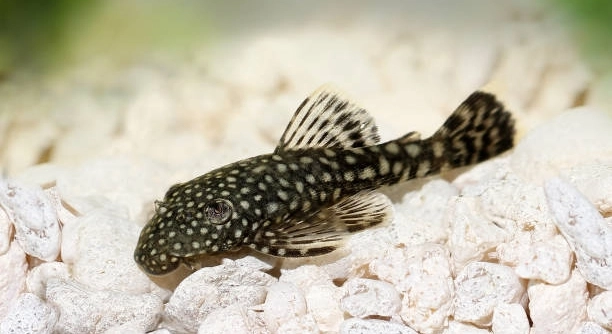
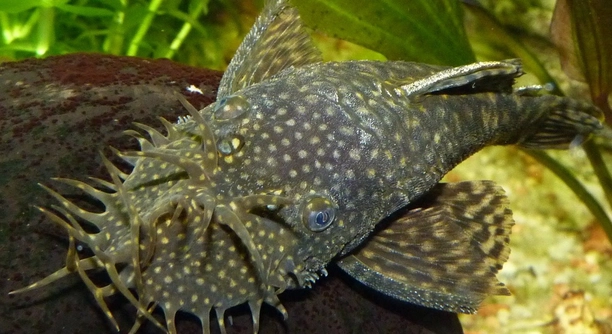
7 Problems Caused by Overcrowding Plecos
Do you ever notice your plecos acting restless or unusually aggressive in their tank? Overcrowding is a common issue among aquarium enthusiasts, and it can quietly affect both the health of your fish and the balance of your tank ecosystem. Overcrowding plecos can lead to severe stress, stunted growth, increased aggression, poor water quality, disease … Read more
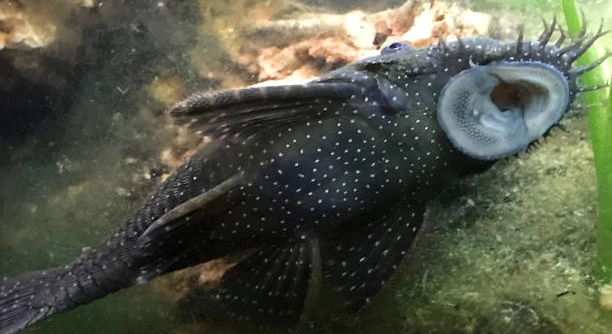
What to Do If Plecos Avoid the Surface

Are your plecos spending all their time near the bottom of the tank instead of coming up to the surface like they used to? Plecos often avoid the surface due to their nocturnal nature, oxygen levels, or water quality. These fish are bottom-dwellers by instinct, preferring shaded, calm areas. However, poor aeration or high stress … Read more

7 Water Quality Tips for Pleco Longevity

Are your plecos thriving in their aquarium, or do they seem less energetic than usual? Maintaining proper water conditions is essential for their long-term health and overall well-being. Many owners underestimate the role water quality plays in longevity. Ensuring optimal water quality for plecos involves regular monitoring of parameters such as temperature, pH, ammonia, nitrite, … Read more

Why Your Pleco Hides More in Community Tanks

Are your plecos spending more time hiding than swimming freely in your community tank? It can be puzzling and slightly worrying when these peaceful fish choose shadows over open water, especially after settling into a new environment. Plecos often hide more in community tanks due to territorial behavior, competition for resources, and sensitivity to stress. … Read more

Do Plecos Remember Changes in the Tank?

Have you ever noticed your pleco acting differently after you’ve rearranged the tank or added new decorations? These small yet fascinating fish often show subtle reactions to changes in their environment. Plecos are capable of recognizing and remembering changes in their tanks, particularly those related to their surroundings and routines. Their spatial memory helps them … Read more

Can Bristlenose Plecos Get Lonely at Night?

Do you ever notice your Bristlenose Pleco swimming quietly in the corner at night, seeming almost distant from the rest of the tank? Many fish owners wonder if these nocturnal creatures feel a sense of loneliness. Bristlenose Plecos are generally solitary animals and do not experience loneliness in the way humans do. Their behavior at … Read more

7 Signs Plecos Are Bonding With Their Space

Are your plecos spending more time exploring their tank and interacting with their surroundings? These subtle changes might mean they’re becoming more comfortable and familiar with their aquatic environment. Plecos show signs of bonding with their space through increased activity, regular feeding habits, and resting in open areas. These behaviors indicate trust and comfort, suggesting … Read more

Can Plecos Get Sick From Dirty Driftwood?

Are your plecos thriving in their tank, or have you noticed subtle changes in their behavior recently? Many aquarists focus on water quality but overlook other elements that may impact their fish’s health. Driftwood, a common tank addition, can play a significant role in overall aquarium hygiene and fish wellbeing. Plecos can become sick from … Read more

7 Tank Features That Keep Plecos Happy

Do you ever find yourself admiring your pleco gliding gracefully along the tank, yet wondering if its environment truly meets its needs? Maintaining a happy pleco requires attention to specific tank features and careful planning. Plecos thrive in tanks that replicate their natural habitat, including proper hiding spots, smooth surfaces, varied substrates, stable water parameters, … Read more

7 Lighting Changes That Plecos Dislike

Keeping plecos happy in your aquarium can be trickier than it seems. These fish are sensitive to changes in their environment, especially when it comes to lighting. Understanding their needs helps maintain a calm tank. Plecos dislike sudden or frequent changes in lighting because it disrupts their natural behavior and stress levels. Maintaining a consistent, … Read more