
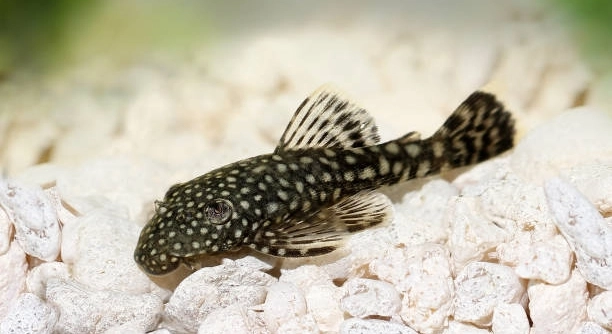
Have you ever brought a new pleco home and noticed it acting a bit different from the start? These fish have unique behaviors as they adjust to a new environment. Observing them carefully can reveal important clues.
Plecos exhibit several behaviors when settling in, including exploring their tank, hiding in shaded areas, adjusting to new food, cleaning surfaces, and establishing resting spots. Monitoring these actions helps ensure their health, comfort, and successful acclimation to the aquarium.
Knowing these patterns can help you create a stable environment. Recognizing small signs early supports your pleco’s long-term well-being in its new home.
Exploring the Tank
When a pleco is first introduced to a new tank, it usually spends a lot of time exploring. It swims along the bottom, checks out decorations, and may even inspect equipment like filters or heaters. This behavior is normal and helps the fish learn its boundaries. Plecos are naturally cautious, so initial movements can be slow and deliberate. They often test hiding spots, climb on surfaces, and observe other fish from a safe distance. This phase can last several days or even weeks, depending on the fish’s personality. Tank layout affects how quickly a pleco feels comfortable, with plenty of hiding places and smooth surfaces encouraging exploration. Observing how a pleco navigates its environment provides insight into its health, stress levels, and acclimation progress. Avoid sudden changes in decorations or water flow during this time, as it can cause the fish to retreat and slow its adjustment process. Patience is key.
Exploration allows plecos to understand their surroundings and find safe resting and feeding areas, ensuring they settle smoothly.
Careful observation during this period can prevent stress-related problems. You may notice them sticking close to one corner initially, then gradually moving further. Plecos also test surfaces with their mouths, which is a sign they are checking for algae or potential food. Some plecos prefer vertical surfaces like driftwood or the sides of the tank, while others stick to the bottom. Water temperature, pH, and tank mates influence how confidently they explore. If a pleco hides excessively or avoids food, it may need additional hiding spots or less water movement. Providing a variety of textures and surfaces encourages natural behaviors, helping the fish feel secure. Over time, a settled pleco will explore more freely, interact with tank mates, and establish clear resting areas. By understanding this phase, caretakers can support healthy adaptation and reduce stress.
Finding Hiding Spots
Hiding is a common behavior for plecos when they are settling in.
Plecos instinctively seek secure areas where they can rest and feel protected. These fish often choose caves, dense plants, or driftwood to hide during daylight hours. Providing multiple hiding spots reduces stress and prevents aggression from tank mates. Plecos may move between these locations until they find their preferred spot, which can take several days. The size and placement of shelters influence which areas they select. Observing how a pleco uses hiding spots can give insight into its comfort level. Fish that hide constantly may need additional coverage or adjustments in water flow to feel safe. When the pleco begins to explore outside these shelters more frequently, it signals that it is adjusting to its environment. Regularly cleaning and checking these hiding spots ensures the pleco’s resting areas remain safe and free of harmful debris. Understanding and supporting this behavior is essential for long-term health.
Adjusting to New Food
Plecos often take time to try new foods when first introduced to a tank. They may nibble cautiously or ignore certain items. Offering familiar foods alongside new options helps them adapt without causing stress.
Some plecos initially refuse unfamiliar foods, preferring algae wafers, vegetables, or pieces of driftwood. It’s important to maintain consistency in feeding schedules, as sudden changes can lead to reduced appetite. Observing their choices allows you to see what they prefer and how their digestive system responds. Gradually introducing new items while keeping some of their favorite foods ensures they receive proper nutrition and reduces the risk of malnutrition. Patience and careful observation during this period are key.
Over time, plecos typically expand their diet as they become comfortable with the tank environment. Rotating vegetables like zucchini, cucumber, or spinach, along with algae-based foods, encourages natural feeding behaviors. Some plecos even graze on surfaces in the tank, consuming algae and biofilm. Monitoring how much they eat helps prevent overfeeding and maintains water quality. Supporting dietary adjustments during these first weeks ensures your pleco grows healthy and remains active while settling in fully.
Cleaning and Scraping Surfaces
Plecos naturally clean surfaces as part of their settling behavior. They scrape algae from glass, rocks, and driftwood. This keeps their environment tidy and satisfies instinctive feeding habits.
During the early settling phase, plecos spend significant time scraping tank surfaces. This behavior not only provides nutrition but also helps them explore textures and familiarize themselves with their surroundings. They may circle decorations or cling to glass while feeding, demonstrating how they map their environment. Some plecos prefer smooth driftwood or stones, while others focus on rougher areas with more algae growth. Observing how they clean different surfaces reveals their preferences and adaptation speed. Providing a variety of surfaces ensures they remain active and mentally stimulated.
This scraping behavior also indicates overall health. A pleco that avoids surfaces or shows minimal cleaning may be stressed, unwell, or adjusting slowly. Consistent observation helps identify these issues early. Maintaining balanced algae growth supports natural behavior without overwhelming the tank. Over time, settled plecos establish regular cleaning patterns, contributing to a healthier and more stable aquarium environment. Understanding these behaviors allows you to support them effectively while ensuring their needs are met.
Resting Spots
Plecos often pick specific areas to rest as they settle in. These spots are usually shaded or hidden, providing safety. Observing where your pleco rests can give insight into its comfort level and tank preferences.
Resting spots also help regulate stress and energy. Plecos may return to the same location consistently, signaling a sense of security. Providing multiple options ensures they feel safe throughout the tank, especially during the day when activity levels are low.
Adjusting to Tank Mates
Plecos gradually learn to coexist with other fish. Initial interactions can be cautious, with brief glances or gentle avoidance. They test boundaries but rarely show aggression when proper hiding places exist. Over time, plecos establish a peaceful rhythm with other species, maintaining their own space while observing others.
Nighttime Activity
Plecos become more active at night, exploring, feeding, and moving around. Observing this behavior confirms they are adjusting and following their natural rhythms.
FAQ
How long does it take for a pleco to settle in?
Plecos usually take a few days to a couple of weeks to adjust to a new tank. Some shy or sensitive species may need longer. Factors like tank size, hiding spots, water quality, and tank mates influence how quickly they feel comfortable. Observing their behavior daily helps gauge progress.
Why is my pleco hiding all the time?
Hiding is a natural behavior, especially in new environments. Plecos feel safe in shaded or enclosed areas. Constant hiding may indicate stress, poor water quality, or aggressive tank mates. Adding more shelters, adjusting water flow, and monitoring water parameters can help them feel secure.
What foods should I feed a new pleco?
Plecos eat a variety of foods, including algae wafers, vegetables like zucchini or cucumber, and occasional protein sources. Introducing new foods gradually while keeping familiar favorites ensures they eat consistently. Some plecos graze on tank surfaces, which is part of their natural feeding behavior.
Why does my pleco scrape the glass so often?
Scraping surfaces is instinctive. Plecos feed on algae and biofilm while exploring textures. Excessive scraping may be due to boredom or insufficient food, while little scraping may signal stress or illness. Providing varied surfaces and monitoring feeding habits ensures healthy behavior.
Can plecos live with other fish?
Plecos generally coexist well with peaceful tank mates if hiding spots are available. Aggressive or territorial species may stress plecos, especially during the first days. Observing interactions and giving plecos room to retreat helps establish harmony. Most plecos eventually settle into a routine with other fish.
Do plecos need hiding spots?
Yes, hiding spots are crucial for comfort and stress reduction. Caves, plants, and driftwood allow plecos to rest safely during the day. Multiple shelters prevent competition and give them control over their environment, encouraging natural behavior and longer-term health.
Why is my pleco more active at night?
Plecos are nocturnal by nature. Nighttime activity includes feeding, exploring, and moving between resting spots. Increased activity at night indicates the fish is adjusting well and following its natural rhythm. Providing proper lighting schedules supports healthy behavior.
What should I do if my pleco refuses food?
Refusal to eat is common at first. Offer familiar foods, maintain consistent feeding times, and ensure water conditions are stable. If refusal continues beyond a week, check water quality and tank mates. Patience and small dietary adjustments usually restore appetite.
How can I tell if my pleco is stressed?
Signs of stress include constant hiding, erratic swimming, loss of appetite, or excessive scraping. Stress often results from poor water quality, aggressive tank mates, or sudden changes. Observing behavior and adjusting conditions early can prevent long-term health issues.
Do plecos rearrange their tank?
Plecos may move decorations or shift substrate while exploring or scraping surfaces. This is normal and part of their natural curiosity. Ensuring stable decorations and sufficient space prevents accidents while allowing them to exhibit these behaviors.
How do I know my pleco is healthy?
Healthy plecos are active during night hours, eat regularly, explore their environment, and have smooth, unbroken fins. Clear eyes and normal coloration also indicate good health. Regular observation and stable tank conditions help maintain overall well-being.
Can plecos recognize their owners?
Plecos respond to feeding routines and movement near the tank but do not recognize owners in the same way mammals do. They may associate your presence with food and approach or become more active when you are near.
Is it normal for plecos to cling to surfaces?
Yes, clinging is typical. Plecos use their sucker mouths to attach to rocks, glass, and driftwood. This behavior aids feeding and allows them to rest securely. Observing their attachment points can help assess preferences and comfort in the tank.
Why does my pleco sometimes swim upside down?
Upside-down swimming can occur if the pleco is exploring or cleaning the underside of surfaces. Persistent or unusual upside-down swimming may signal swim bladder issues or stress. Monitoring water conditions and behavior ensures it is not a health concern.
How do plecos interact with each other?
Plecos are generally solitary but may tolerate others if space and hiding spots are adequate. They establish territories and may briefly compete for resources. Observing interactions helps prevent conflicts and promotes a calm tank environment.
Can plecos live in a community tank long-term?
Yes, with proper tank size, hiding spots, and peaceful companions, plecos can thrive long-term. Ensuring water quality, diet, and minimal stress supports health and natural behavior, allowing them to coexist successfully with other species.
Why do plecos sometimes appear inactive during the day?
Inactivity during daylight hours is normal since plecos are nocturnal. They rest in hidden areas, conserving energy for nighttime feeding and exploration. Providing safe resting spots helps them feel secure and follow their natural rhythm without stress.
How do I encourage my pleco to explore more?
Gradually adding decorations, varying textures, and providing multiple hiding spots encourages exploration. Avoid sudden changes or overcrowding, as this can cause stress. Gentle observation and consistent conditions help plecos gain confidence and move freely around the tank.
What are signs of a happy pleco?
A content pleco eats regularly, explores its environment, cleans surfaces, uses multiple hiding spots, and shows normal nocturnal activity. Smooth fins, bright eyes, and natural coloration also indicate well-being. Supporting these behaviors ensures your pleco thrives in its new environment.
Can plecos survive without algae in the tank?
Plecos can survive without natural algae if supplemented with algae wafers, vegetables, or other suitable foods. While algae is part of their natural diet, a balanced alternative ensures proper nutrition, maintaining health and natural scraping behavior even in low-algae tanks.
What water conditions do plecos prefer?
Plecos thrive in stable water conditions with moderate flow, temperatures between 72–82°F (22–28°C), and slightly acidic to neutral pH. Regular water changes, proper filtration, and monitoring help prevent stress, supporting long-term health and settling behavior.
How often should I feed a pleco?
Feeding 3–5 times per week is usually sufficient for adult plecos. Overfeeding can harm water quality and cause health issues. Juvenile plecos may require more frequent feedings. Consistency and variety in diet support their natural feeding instincts and overall well-being.
Do plecos need decorations for comfort?
Yes, driftwood, rocks, and plants provide shelter, surfaces to scrape, and resting areas. These elements mimic natural habitats, reduce stress, and encourage exploration. Well-chosen decorations enhance both the pleco’s comfort and the visual appeal of the tank.
Why does my pleco seem shy at first?
Shyness is common when plecos are introduced to new environments. They need time to explore, find hiding spots, and feel secure. Gradual acclimation, gentle observation, and minimal disturbances help them build confidence and settle more quickly.
Can plecos adapt to different tank sizes?
Plecos can adjust to varying tank sizes if their basic needs are met. Adequate hiding spots, proper filtration, and sufficient swimming space are critical. Larger tanks offer more exploration opportunities, while smaller tanks require careful monitoring to prevent stress and overcrowding.
How do I reduce pleco stress in a new tank?
Maintain stable water parameters, provide multiple hiding spots, avoid aggressive tank mates, and feed consistent diets. Minimize sudden movements or loud noises near the tank. Observing behavior and making small adjustments gradually helps plecos feel secure and reduces stress.
Why do plecos sometimes ignore food at first?
New environments can cause temporary appetite loss. Stress, unfamiliar foods, or water changes may make plecos cautious. Offering familiar foods alongside new options and allowing a few days for adjustment usually restores appetite and encourages natural feeding behaviors.
How do I know if my pleco likes its hiding spot?
A pleco that repeatedly returns to the same area during the day shows comfort. Preference for a spot over others indicates security. Observing resting patterns helps identify favored areas, ensuring they have suitable and safe places to retreat.
Do plecos interact with their reflection?
Some plecos may investigate their reflection in glass or shiny surfaces, mistaking it for another fish. This behavior is generally harmless, but persistent aggression toward reflections may indicate stress or territorial instincts needing adjustment.
Can plecos be left alone for a few days?
Plecos can tolerate short periods without supervision if feeding schedules and water conditions are stable. Automatic feeders or pre-portioned food can help. Long absences require careful planning to ensure health, nutrition, and tank cleanliness remain optimal.
How important is driftwood for plecos?
Driftwood is essential for many pleco species, providing scraping surfaces, resting areas, and dietary fiber. Soft woods help with digestion, encourage natural behaviors, and give the fish a sense of security, supporting their overall well-being.
Why does my pleco cling to the filter intake?
Clinging near the filter is often harmless. Plecos may enjoy moderate water flow or use it as a temporary resting spot. Ensure the intake is safe and that the pleco can move freely to avoid injury while taking advantage of the flow.
Do plecos sleep?
Yes, plecos rest during the day, often in hidden or shaded spots. Their “sleep” involves reduced activity, clinging to surfaces, or hiding. Providing safe resting areas allows them to follow natural rhythms and maintain health.
How can I tell if my pleco is settling in well?
Signs include regular exploration, using multiple hiding spots, accepting food, scraping surfaces, and active nighttime behavior. Calm interactions with tank mates and consistent resting areas also indicate successful acclimation and comfort in the environment.
What is the best way to introduce a pleco to a new tank?
Acclimate slowly using temperature-matched water, floating the bag or container, and gradually mixing tank water. Introduce hiding spots immediately, maintain stable conditions, and monitor behavior for the first days to ensure smooth adjustment.
Are plecos sensitive to water changes?
Yes, sudden water changes can stress plecos. Gradual changes, maintaining temperature, pH, and hardness, and avoiding chemical fluctuations minimize stress and support healthy settling behavior. Regular monitoring ensures long-term comfort and stability in the tank.
How do plecos mark territory?
Plecos mark territory by resting in preferred spots, scraping surfaces, and sometimes nudging tank mates. Understanding these behaviors helps prevent conflicts and ensures they feel secure without aggressive interactions.
Do plecos prefer live plants?
Some plecos interact with live plants, using them for hiding or occasional nibbling. Soft-leaved plants are better for delicate species. Providing a mix of plants and decorations gives security and enrichment, supporting natural behaviors.
How often should I check on a new pleco?
Daily observation during the first two weeks is ideal. Check feeding, resting areas, interactions, and cleaning behaviors. Early detection of issues like stress or illness ensures quick intervention and a smoother adjustment period.
Why do plecos sometimes swim slowly at first?
Slower swimming is common while assessing the environment. Caution helps avoid predators or unsafe areas. As confidence grows, swimming becomes more natural and purposeful, reflecting successful settling.
Can plecos be moved to a different tank once settled?
Yes, but gradual acclimation is necessary. Repeat the same careful introduction process to minimize stress. Multiple hiding spots and consistent water conditions help the pleco adjust quickly to the new environment.
Do plecos communicate with other fish?
Plecos mostly communicate through body language, movements, and occasional gentle nudges. Territorial behaviors or feeding cues are subtle but understandable when observed carefully. They rarely interact vocally but convey comfort or stress through actions.
Why does my pleco sometimes hover in one spot?
Hovering can indicate resting, observing surroundings, or waiting for food. Persistent hovering near certain areas may highlight favorite resting spots or a sense of security in specific parts of the tank.
Are plecos sensitive to light?
Yes, bright lights can stress plecos. They prefer dim or shaded areas during the day and become active when lights are reduced, reflecting their nocturnal habits and promoting natural behaviors.
How do I know if my pleco is bored?
Signs include excessive scraping, pacing, or lack of interest in food. Providing decorations, varied surfaces, and hiding spots stimulates natural behavior, keeping plecos active and engaged in their environment.
Do plecos need companions?
Plecos are generally solitary. While they tolerate other fish, they do not require companions. Ensuring enough space, hiding spots, and proper feeding keeps them healthy without relying on social interactions.
How can I help a shy pleco become more comfortable?
Add multiple hiding spots, maintain stable water conditions, feed consistently, and avoid sudden disturbances. Gradual exposure to tank mates and gentle observation help build confidence, encouraging natural exploration and activity over time.
Can plecos recognize feeding routines?
Yes, plecos quickly learn feeding schedules. They may become more active or move toward familiar feeding areas at expected times, reflecting memory and adaptation to daily routines.
Why do plecos sometimes climb decorations?
Climbing provides exercise, exploration, and surface grazing. Driftwood, rocks, and plants allow natural behavior, encouraging mental and physical stimulation while helping plecos feel secure.
Do plecos need a heater?
Most plecos thrive in temperatures between 72–82°F (22–28°C). A heater maintains stability, especially in cooler climates, preventing stress and supporting consistent feeding, growth, and settling behaviors.
What should I do if my pleco seems aggressive?
Aggression is often territorial or stress-related. Ensure sufficient hiding spots, monitor tank mates, and provide ample space. Isolating temporarily or rearranging decorations can reduce conflicts and restore calm behavior.
Can plecos adapt to different pH levels?
Plecos tolerate slightly acidic to neutral water. Sudden shifts can cause stress or illness. Gradual adjustments and regular testing help maintain optimal conditions for comfort and long-term health.
How often should I clean the tank with a new pleco?
Moderate cleaning is best. Remove excess waste, maintain filters, and preserve some algae for feeding. Frequent, drastic cleaning may stress a new pleco, while consistent maintenance ensures a healthy environment.
Why do plecos sometimes appear lethargic?
Lethargy may result from stress, poor water quality, illness, or adjustment to a new tank. Monitoring parameters, providing hiding spots, and ensuring proper diet supports recovery and encourages natural activity.
Do plecos need aeration?
Aeration helps maintain oxygen levels, especially in heavily stocked tanks. Plecos benefit from moderate water movement but may avoid overly strong currents. Proper aeration supports health and settling behaviors.
Can plecos survive in a bare-bottom tank?
Yes, but they benefit from hiding spots and surfaces to scrape. Driftwood or rocks provide security and enrichment. Bare tanks require careful monitoring of water quality to support natural behaviors.
How do plecos react to new tank decorations?
They often explore, scrape, or hide around new items. Gradual introduction prevents stress. Observing preferences helps arrange decorations to suit their comfort and promote natural activity.
Why does my pleco sometimes swim quickly and dart around?
Darting may indicate excitement, exploration, or temporary stress. Monitor water parameters, tank mates, and overall behavior to ensure it is not a sign of illness or aggression.
Do plecos interact with plants?
Some nibble soft-leaved plants while using them for hiding or resting. Providing both live plants and hard surfaces allows natural grazing and sheltering behaviors without damaging delicate vegetation.
Can plecos adapt to low-algae tanks?
Yes, with supplemental feeding like algae wafers or vegetables. Lack of natural algae requires alternative nutrition but does not prevent healthy settling and natural behaviors.
How do I introduce multiple plecos at once?
Provide ample hiding spots and space. Introduce slowly to prevent territorial disputes. Observing interactions helps ensure peaceful coexistence, and gradual introduction reduces stress for all fish.
Why do plecos sometimes cling to the heater or filter tubes?
Clinging can indicate seeking moderate flow, warmth, or secure surfaces. Ensure attachments are safe and do not harm fins or skin. This behavior is generally harmless and part of settling routines.
How can I tell if my pleco is eating enough?
Monitor food consumption, growth, and overall activity. Healthy plecos eat regularly, scrape surfaces, and appear energetic at night. Adjust diet or portion size if signs of underfeeding appear.
Do plecos need special water additives?
Generally, stable water with balanced parameters is sufficient. Certain species benefit from driftwood for dietary fiber. Avoid unnecessary additives unless recommended for specific health concerns or local water conditions.
Why does my pleco sometimes stick to the same surface repeatedly?
Repetition often signals comfort, preferred feeding areas, or resting spots. Observing these patterns helps identify favored locations and ensures the tank layout supports natural behavior and security.
Can plecos recognize feeding tools or hands?
Plecos may respond to familiar cues like tongs or hands used during feeding. This recognition is linked to routine and expectation of food rather than personal identification.
Do plecos need dim lighting at night?
Dim or off lighting at night matches their nocturnal nature. Bright lights can cause stress, while low-light periods encourage natural feeding, exploration, and activity.
How do plecos cope with tank noise or vibrations?
Plecos are sensitive to sudden movements or loud sounds. They may hide or cling to surfaces. Maintaining a calm environment supports confidence, reduces stress, and encourages normal settling behavior.
Why does my pleco sometimes nibble on driftwood?
Nibbling provides dietary fiber and aids digestion. Driftwood also serves as a natural scraping surface and resting area, supporting feeding instincts and natural behaviors.
Can plecos adapt to tap water?
Yes, if properly conditioned. Removing chlorine, chloramine, and stabilizing pH and hardness ensures safe acclimation. Gradual adjustments reduce stress and support healthy settling in the new environment.
How important is tank size for plecos?
Adequate space prevents stress, aggression, and overcrowding. Larger tanks allow exploration, multiple hiding spots, and proper feeding areas. Choosing the right size supports natural behavior and overall health.
Do plecos interact with humans?
Plecos notice movement and feeding routines but do not form bonds like mammals. They may approach when food is offered, reflecting memory and recognition of routines rather than personal attachment.
Why do plecos sometimes avoid certain areas of the tank?
Avoidance often relates to flow, lighting, lack of hiding spots, or the presence of aggressive fish. Adjusting these conditions encourages exploration and comfort throughout the tank.
Can plecos live in cold water?
Most plecos prefer warmer water between 72–82°F (22–28°C). Cold water slows metabolism, reduces feeding, and can cause
Plecos are fascinating fish with unique habits that can take some time to understand. When they are first introduced to a new tank, they display behaviors that help them feel safe and adjust to their surroundings. Watching them explore, hide, or scrape surfaces gives insight into their comfort level. These behaviors are natural and serve important purposes, like reducing stress, finding food, and establishing resting spots. Every pleco has its own personality, so settling in might look slightly different from one fish to another. Some may immediately start exploring, while others will remain hidden for a few days. Providing a tank that accommodates these instincts—such as offering multiple hiding spots, varied surfaces, and consistent feeding routines—helps plecos feel secure and encourages healthy adaptation.
Observing how plecos interact with their environment is key to supporting their well-being. They use hiding spots to rest and regulate stress, explore tank surfaces to feed or investigate, and gradually expand their movements as they become more comfortable. Their nocturnal habits mean they are more active at night, which is normal and should be expected. Recognizing these natural behaviors allows caretakers to identify when something is off, such as changes in appetite, excessive hiding, or unusual activity levels. Early observation helps prevent problems before they become serious, whether it involves stress, illness, or territorial issues. Simple steps like offering driftwood for grazing, consistent feeding, and stable water conditions contribute greatly to a pleco’s long-term health. By paying attention to these details, you can ensure that your fish thrives and exhibits behaviors that indicate comfort and safety in its environment.
Caring for a pleco requires patience and attention, but the rewards are worth it. Once they settle in, plecos can become active, engaging members of a tank ecosystem. They contribute by cleaning surfaces, exploring different areas, and interacting with decorations in ways that are both natural and beneficial for the overall environment. Their unique personalities can make observing them satisfying, as small changes in behavior can reveal confidence, curiosity, or contentment. By maintaining proper water quality, providing hiding places, monitoring interactions with tank mates, and offering appropriate foods, plecos can remain healthy and settled for years. Understanding their behaviors not only enhances their quality of life but also improves the experience of keeping them. Observing, learning, and adjusting to each pleco’s needs ensures a smoother transition to their new home and supports a balanced, thriving aquarium. With time and care, plecos will show the signs of being comfortable, secure, and well-settled in their tank environment.

Hello,
If you enjoy the content that we create, please consider saying a "Thank You!" by leaving a tip.
Every little bit helps us continue crafting quality advice that supports the health, happiness, and well-being of pets around the world, for pets of all shapes, sizes, and species.
We really appreciate the kindness and support that you show us!