
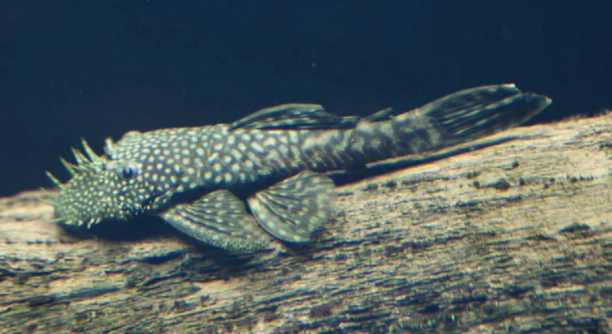
Do bristlenose plecos are small, hardy fish commonly found in home aquariums. They are peaceful by nature and often admired for their unique appearance. Many fish keepers are interested in how they care for their young.
Bristlenose plecos do exhibit parental care, primarily by guarding their eggs and fry. Males typically maintain close proximity to the clutch, fanning the eggs to provide oxygen and protecting them from potential threats until the fry become more independent.
Observing bristlenose plecos in this way highlights the fascinating dynamics of fish parenting. Understanding their behavior can improve both care and breeding success in aquariums.
How Bristlenose Plecos Care for Their Eggs
Bristlenose plecos display a clear pattern of egg care that is fascinating to watch. After spawning, the male selects a secure spot, usually a cave or crevice, where the female deposits her eggs. He then remains nearby to guard them, ensuring no other fish or potential threats come close. During this period, the male frequently fans the eggs with his fins. This fanning action is vital because it increases oxygen flow, which is essential for healthy development. It also helps remove debris and prevents fungus from forming on the eggs. The female generally does not remain in the nest, but her presence earlier in the process ensures the eggs are laid correctly and safely. Observing the male’s dedication can be quite striking, as he will rarely leave the eggs unattended until they hatch. This level of care is instinctive and demonstrates the species’ natural protective behavior.
The male’s vigilance continues until the fry are free-swimming. Any threat to the eggs is met with immediate defensive action.
Once hatched, the fry remain close to the nest, often hiding among rocks or plant roots. The male may continue to watch over them, guiding them toward safer areas while they begin learning to feed independently. Over time, the fry gain confidence, but the early protection provides a strong foundation for survival, making this care period critical for successful breeding.
Feeding and Fry Development
The fry start feeding on biofilm and soft algae within a few days.
During the early stages, it is crucial to provide the right environment and nutrition for the fry. In addition to naturally occurring biofilm in the tank, supplementary feeding with finely crushed algae wafers or specialized fry food can support their growth. Maintaining clean water is essential because young fry are highly sensitive to changes in water quality. Temperature stability also affects their metabolism and development, so consistent conditions are important. Observing the fry’s behavior helps in adjusting feeding schedules and tank conditions. As they grow, their diet can gradually include small pieces of vegetables, like zucchini or cucumber, which they will rasp on over time. Proper care in these early stages ensures healthy development and increases survival rates. A well-maintained tank with secure hiding spots helps minimize stress, giving the fry a better chance to thrive in a safe environment, mirroring the natural protective instincts demonstrated by the adult plecos.
Recognizing Fry Guarding Behavior
Male bristlenose plecos remain near the nest, fanning eggs and chasing away intruders. This protective behavior is most intense immediately after spawning and gradually decreases as the fry become more independent.
The fanning behavior of male bristlenose plecos is crucial for the eggs’ survival. By continuously moving water over the clutch, the male ensures that oxygen reaches every egg while preventing fungal growth. He will also block other fish from entering the area, using his body and occasional nudges to keep the space secure. Observation reveals that he spends most of his time near the eggs, only briefly leaving for food. This careful attention reflects the species’ instinctive drive to protect offspring, which improves survival rates. Male plecos are highly territorial during this period and will not tolerate interference, demonstrating a natural commitment to ensuring the next generation thrives.
After hatching, fry tend to stay close to the nest for several days. The male continues monitoring them, but less actively, allowing them to explore small sections of the tank. The fry gradually begin feeding independently while still benefiting from protection and guidance. This transition phase is delicate, as the fry are vulnerable to stress and predation from other tank inhabitants. A secure environment with hiding places, stable water parameters, and proper nutrition supports their growth and reduces mortality. Watching this process can be rewarding, as it showcases the careful balance of independence and parental protection in bristlenose plecos.
Tank Setup for Breeding Success
Providing caves or crevices is essential for egg-laying and guarding. Male plecos need these spaces to establish a nest.
A well-structured tank supports both breeding and fry development. Hard surfaces such as ceramic caves, PVC pipes, or smooth rocks give males a secure spot to guard eggs. Plants or driftwood can offer additional hiding spaces for fry once they hatch, reducing stress and exposure. Maintaining stable water conditions is critical: temperatures between 75–80°F and slightly acidic to neutral pH are ideal for encouraging spawning. Gentle filtration prevents fry from being sucked in while keeping the water clean. Observation of nesting and fanning behavior can help determine if the tank meets the plecos’ needs, ensuring a higher success rate for breeding. Proper tank design mimics natural environments, reducing aggression and supporting parental behaviors.
In addition to hiding spots, adequate nutrition for adults influences successful spawning and fry survival. Males need protein-rich foods to maintain energy for guarding, while females require a balanced diet for egg production. Regular water changes help prevent ammonia buildup, which can harm eggs and fry. A monitored feeding schedule and careful selection of tank mates reduce stress, giving the male pleco uninterrupted access to the nest. Fry benefit from a stable environment, as consistent water parameters and proper hiding areas support growth. Observing behavior, such as fanning and chasing intruders, indicates a healthy breeding setup. This thoughtful preparation ensures both adults and offspring thrive in the aquarium environment.
Common Challenges During Fry Rearing
Eggs can be vulnerable to fungus or being eaten by other fish. Males sometimes fail to guard properly if stressed or unwell.
Fry are sensitive to sudden changes in water quality. Even minor fluctuations in temperature, pH, or ammonia levels can impact survival. Monitoring and maintaining stable conditions is crucial.
Signs of Healthy Fry
Healthy fry are active, feeding on biofilm and small foods. They show bright coloration and swim confidently around hiding spots.
Supporting Fry Growth
Providing finely crushed algae wafers and fresh vegetables helps fry develop. Small hiding areas reduce stress, allowing steady growth and survival.
Male Pleco Behavior After Fry Hatch
After fry leave the nest, males gradually reduce guarding. They may stay nearby briefly but eventually return to normal routines.
FAQ
Do bristlenose plecos guard their fry alone?
Yes, in most cases, it is the male that guards the eggs and fry. After the female lays the eggs in a secure spot like a cave, she usually leaves, and the male remains to protect them. His role includes fanning the eggs to provide oxygen and chasing away intruders. This behavior continues until the fry are free-swimming and slightly independent. The female rarely participates in guarding, but her earlier contribution ensures the eggs are safely laid. Observing a male pleco actively defending the nest is common and highlights their natural protective instincts.
How long do male plecos guard the fry?
Male bristlenose plecos typically guard the eggs for about 4–7 days until hatching. After the fry hatch, he continues to stay nearby for a few more days, helping guide the young to safe areas while they begin feeding independently. The intensity of guarding gradually decreases as the fry grow and become more confident in exploring the tank. During this period, males are highly territorial and will chase off other fish that come near the nest. Once the fry can feed and hide on their own, the male usually returns to normal behavior.
What environment is best for bristlenose pleco breeding?
A tank with caves, crevices, or PVC pipes is ideal for breeding. Males use these spaces to establish nests and guard eggs. Plants or driftwood provide hiding areas for fry once they hatch, reducing stress. Stable water conditions, with a temperature between 75–80°F and slightly acidic to neutral pH, are essential for encouraging spawning. Gentle filtration helps maintain water quality without putting fry at risk. Regular observation ensures that the adults are comfortable and that the tank environment supports natural parental behaviors.
What should fry eat after hatching?
Fry feed primarily on biofilm and algae in the tank during the first few days. Supplementing with finely crushed algae wafers or specialized fry food supports growth. As they develop, small pieces of vegetables like zucchini or cucumber can be offered. Providing the right diet is crucial for survival and healthy growth. Clean water and secure hiding spots also help fry feed without stress, improving their chances of thriving. Monitoring feeding behavior allows adjustments to ensure all fry are receiving enough nutrition.
Can other fish harm pleco eggs or fry?
Yes, other fish in the tank can pose a risk to eggs and fry. Aggressive or curious species may try to eat the eggs or harass the young. Male plecos defend the nest actively, but in busy tanks, extra hiding spots and careful tank mate selection reduce risk. Keeping breeding plecos in a separate tank can further protect eggs and fry from predation or stress caused by other fish. Observation is key to ensuring the fry remain safe during the vulnerable early stages.
How can I tell if my fry are healthy?
Healthy fry are active, feed regularly, and show bright coloration. They often swim confidently around hiding spots and explore the tank gradually. Poor health is indicated by lethargy, lack of appetite, or unusual spots on their bodies. Maintaining stable water conditions, clean tanks, and proper nutrition supports fry health. Observing behavior daily allows for quick intervention if any issues arise, ensuring the fry grow steadily and safely under the care of the adult male.
Do males eat their own eggs or fry?
It is uncommon but possible, especially if the male is stressed, unhealthy, or inexperienced. Providing proper nutrition and a secure environment reduces this risk. Males are instinctively protective, but environmental stressors can sometimes override natural behavior. Close observation during the guarding period helps identify problems early and allows corrective action, such as relocating eggs or adjusting tank conditions.
How do I encourage bristlenose plecos to breed successfully?
Provide a suitable tank with caves or hiding spots, stable water parameters, and a healthy diet for both adults. Ensuring the male has a secure place to guard the nest and reducing stress from other fish supports successful spawning. Monitoring behavior helps determine if adjustments are needed to improve breeding conditions. Proper preparation increases the likelihood of egg survival and healthy fry development, making the process smoother and more predictable for the aquarium keeper.
This FAQ covers the main concerns about bristlenose pleco egg-guarding behavior, fry care, and tank management. Understanding these points helps improve breeding success and ensures fry develop safely in a protected environment.
Final Thoughts
Bristlenose plecos are remarkable in the way they care for their young. Observing a male guarding his eggs and fry reveals a natural instinct that is both fascinating and rewarding to witness. Unlike many other fish, the male takes full responsibility for protecting the clutch, fanning the eggs to ensure they receive oxygen and defending them from intruders. This behavior highlights how important the early days are for the survival of the fry. Watching this process can give a deeper appreciation for their protective nature and the balance of independence and care in their early development. In a home aquarium, providing the right environment allows these natural behaviors to occur, making breeding both successful and satisfying. The presence of caves or crevices, stable water conditions, and proper nutrition for the adults creates a supportive setting for breeding and raising fry. Understanding these factors is essential for any keeper who wants to ensure the plecos thrive and reproduce safely.
Caring for bristlenose pleco fry requires attention to detail and consistency. Fry are highly sensitive to changes in water quality, temperature, and diet. Even small fluctuations can impact their survival and growth, so monitoring the tank regularly is crucial. Supplementing their natural diet of biofilm with finely crushed algae wafers or small pieces of vegetables supports healthy development. Fry benefit from secure hiding spots that reduce stress and allow them to explore the tank at their own pace. Observing the fry as they feed, swim, and interact with the environment can help identify any issues early. Gradually, as the fry become more confident and independent, the male’s protective role diminishes. Recognizing these stages allows keepers to provide the right support at the right time, improving survival rates and ensuring the young plecos grow into healthy, strong adults. Maintaining this balance between guidance and independence is key to successful breeding in home aquariums.
Breeding bristlenose plecos is a rewarding experience, but it requires preparation and understanding. Ensuring the tank is well-structured with caves and hiding places, maintaining clean and stable water, and providing proper nutrition for both adults and fry are all essential elements. Male plecos are naturally protective, but their success depends on a supportive environment and minimal stress from other fish. Observing their behavior during the guarding period and adjusting the tank as needed improves both egg survival and fry growth. Over time, watching the fry develop, explore, and eventually become independent is satisfying, as it demonstrates the effectiveness of proper care and the species’ natural instincts. By creating the right conditions and paying close attention to their needs, keepers can enjoy the process of raising healthy bristlenose plecos while learning about their unique behaviors and parental care. This hands-on experience offers both practical knowledge and a sense of connection with the species.

Hello,
If you enjoy the content that we create, please consider saying a "Thank You!" by leaving a tip.
Every little bit helps us continue crafting quality advice that supports the health, happiness, and well-being of pets around the world, for pets of all shapes, sizes, and species.
We really appreciate the kindness and support that you show us!