
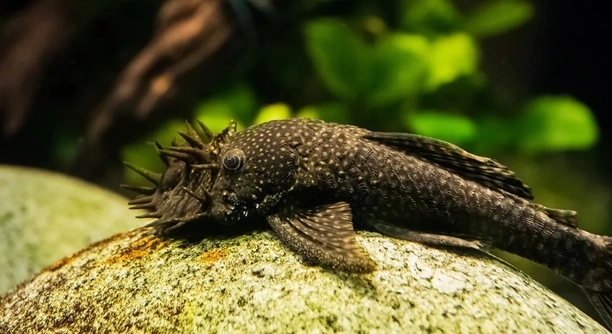
Keeping a Pleco healthy requires more than just feeding it regularly. Their tank environment and daily care play a crucial role in maintaining their wellbeing. Simple cleaning routines can make a significant difference in their overall health.
Regular maintenance of the Pleco’s tank, including substrate cleaning, filter checks, and removal of uneaten food, directly impacts water quality and fish health. Implementing consistent cleaning habits reduces harmful bacteria, prevents algae overgrowth, and supports optimal living conditions.
Establishing these cleaning routines early ensures your Pleco thrives in a safe and healthy environment. Proper care leads to a longer, happier life for your aquatic companion.
Cleaning the Tank Regularly
A clean tank is essential for your Pleco’s health. I learned early on that leaving leftover food and waste in the tank can quickly affect water quality. By performing weekly water changes and gently vacuuming the substrate, I noticed my Pleco became more active and displayed healthier coloring. The filter also needs attention. Cleaning or replacing filter media prevents buildup that can lead to poor water conditions. Algae can grow rapidly, so wiping down tank walls and decorations helps maintain a balanced environment. Even small details, like rinsing plants and ornaments, make a difference. Maintaining this habit not only keeps the tank visually appealing but directly contributes to your Pleco’s overall health. Regular observation during cleaning can also alert you to early signs of stress or illness, making timely interventions easier. Over time, this routine becomes manageable and greatly improves the wellbeing of your fish, ensuring they thrive in a stable, clean habitat.
Consistent cleaning reduces disease risk and supports healthy growth. Plecos thrive in clean, well-maintained tanks.
Proper cleaning involves removing excess food, vacuuming debris, and checking the filter. Monitoring water quality ensures stable conditions. Observing your Pleco during maintenance also helps you notice behavioral changes. Keeping plants and decorations clean prevents harmful bacteria and algae accumulation. Small daily or weekly habits, such as testing water parameters and wiping surfaces, have a large impact. Over time, these practices improve oxygen levels, reduce toxins, and promote natural behaviors. Establishing a schedule makes maintenance predictable and less stressful for both you and your Pleco. Regular attention ensures a healthy tank environment, which is the foundation of a long, healthy life for your fish. By taking cleaning seriously, you directly enhance your Pleco’s quality of life, reducing the chance of disease and promoting overall vitality.
Monitoring Water Quality
Water parameters must be checked regularly. Plecos are sensitive to changes in pH, ammonia, and nitrate levels.
Testing water weekly allows you to adjust conditions before problems arise. Stable water conditions prevent stress and illness, keeping your Pleco active and healthy. Regular measurements guide timely interventions.
Maintaining optimal water quality requires monitoring pH, ammonia, nitrite, and nitrate levels. Plecos are particularly sensitive to sudden changes, which can lead to stress, weakened immunity, or even fatal illness. Frequent water testing, combined with partial water changes, keeps chemical levels in safe ranges. Temperature stability is also critical, as fluctuations can affect metabolism and behavior. Investing in a reliable water test kit and thermometer allows precise monitoring. Keeping records helps identify patterns and predict when interventions are needed. Additionally, controlling filtration and aeration ensures oxygen levels remain adequate, supporting overall fish health. Clean water prevents the buildup of harmful compounds, reduces algae growth, and encourages natural feeding and activity. By staying attentive to water quality, you create an environment where your Pleco can thrive consistently, making daily care easier and more effective.
Proper Feeding Practices
Overfeeding can quickly dirty the tank and harm your Pleco. Providing the right amount of food keeps water cleaner and ensures your fish maintains a healthy weight.
I learned that feeding my Pleco once a day, with occasional vegetable treats like zucchini or cucumber, works best. Too much food sinks and decomposes, creating ammonia spikes. Observing how much my Pleco eats helps me adjust portions, reducing waste. Removing uneaten food after a few hours prevents buildup and keeps the tank cleaner. Different Pleco species have varying dietary needs, so knowing the type you own ensures proper nutrition. Offering occasional algae wafers or blanched vegetables provides essential nutrients and supports natural grazing behavior. Maintaining a balanced feeding routine contributes directly to overall health, minimizes water contamination, and supports a stable tank environment. Over time, this habit becomes easy to follow and greatly improves both the fish’s wellbeing and the cleanliness of the aquarium.
Monitoring portion sizes and removing leftovers reduces waste and prevents water quality issues. Feeding carefully supports long-term health.
Providing varied nutrition is crucial. Plecos need a mix of algae, vegetables, and occasional protein sources depending on species. Fresh vegetables like cucumber, zucchini, or spinach should be blanched to soften them, making them easier to digest. Algae wafers supplement natural grazing and help maintain proper growth. Avoid overfeeding, as uneaten food decays quickly and pollutes the water. Observing your Pleco during feeding allows you to gauge appetite and adjust portions. Protein sources such as shrimp pellets or bloodworms can be added sparingly to balance diet. Consistency in feeding schedule prevents sudden changes in water chemistry, reducing stress. By combining proper portions, varied diet, and careful observation, you maintain both a healthy fish and a cleaner tank environment.
Cleaning Filters Regularly
Dirty filters reduce water quality and stress your Pleco. Checking and cleaning filters prevents buildup and ensures efficient operation. Maintaining filter performance is essential for a stable environment.
Filters trap debris, uneaten food, and waste, but over time they accumulate bacteria and detritus. Cleaning or replacing filter media according to manufacturer instructions keeps water flowing and free from contaminants. Rinse media in tank water to preserve beneficial bacteria while removing debris. Observing the filter during maintenance helps spot wear or clogs before they affect tank conditions. Some filters require monthly deep cleaning, while others benefit from lighter weekly rinses. I noticed that consistent filter care improved water clarity and reduced unpleasant odors, which also correlated with my Pleco being more active and showing healthy behavior. Adequate filtration ensures toxins are removed efficiently, supporting the fish’s immune system and preventing algae overgrowth. Keeping filters in top condition makes overall tank maintenance easier and creates a healthier environment for your Pleco.
Regular filter maintenance ensures water stays clean and reduces disease risk. Efficient filtration supports healthy fish and a stable tank environment.
Removing Uneaten Food
Uneaten food decomposes quickly, polluting the water and stressing your Pleco. Checking the tank after feeding and removing leftovers keeps water cleaner and prevents harmful bacteria from building up.
I usually remove any remaining vegetables or pellets after a few hours. This small habit reduces ammonia spikes and keeps the tank safe. Regularly inspecting the tank after feeding ensures the water stays stable, and my Pleco remains healthy and active. Over time, this simple routine has made a noticeable difference in water clarity and overall fish behavior.
Controlling Algae Growth
Algae can cover tank surfaces and decorations, making it harder for Plecos to graze effectively. Wiping tank walls and cleaning ornaments regularly limits excessive growth. Using algae scrapers or soft brushes helps remove buildup without disturbing the fish. Maintaining balanced lighting and avoiding overfeeding also reduces algae proliferation, supporting a healthier tank.
Monitoring Pleco Behavior
Observing behavior is key to detecting early health issues. Changes in appetite, activity, or resting patterns can indicate stress or illness. Regular monitoring allows timely adjustments in feeding, cleaning, or water conditions, ensuring the Pleco remains healthy and thrives in its environment.
Using Safe Cleaning Tools
Only use tools designated for the aquarium. Avoid household chemicals or soaps that can harm your Pleco. Dedicated sponges, brushes, and nets keep the tank safe and prevent contamination. Simple precautions protect both the fish and the aquatic ecosystem.
FAQ
How often should I clean my Pleco’s tank?
A partial cleaning once a week is usually sufficient. I personally do a 20–30% water change weekly, vacuum the substrate, and check decorations for leftover food or debris. Filters should be rinsed monthly, while full filter media replacement depends on the type. Regular maintenance keeps water safe and Pleco stress low.
What is the best way to remove uneaten food?
After feeding, I wait a couple of hours and then use a small net or siphon to remove leftover pellets or vegetables. Removing food promptly prevents ammonia spikes, maintains water clarity, and helps reduce harmful bacteria growth in the tank.
How do I prevent algae from taking over?
Wiping down tank walls and ornaments regularly is key. I also control light exposure and avoid overfeeding. Plecos help with algae, but they cannot manage excessive growth alone. Using soft brushes or algae scrapers keeps surfaces clean without disturbing the fish.
How often should I clean the filter?
Filters need attention at least once a month, but I often check weekly. Rinsing the media in tank water preserves beneficial bacteria while removing trapped debris. Proper filter maintenance ensures water flows efficiently and supports a healthy environment.
What should I feed my Pleco to keep it healthy?
Plecos need a mix of algae, vegetables, and occasional protein. I provide blanched zucchini, cucumber, or spinach, along with algae wafers. Some species require occasional protein like shrimp pellets. Avoid overfeeding, as leftover food can spoil water quality. Variety helps maintain natural behavior and growth.
How can I monitor water quality effectively?
Testing pH, ammonia, nitrite, and nitrate levels weekly is important. I use a reliable test kit and keep records. Temperature should remain stable, and oxygen levels should be adequate. Monitoring helps detect issues early, making interventions easier and protecting Pleco health.
What signs show my Pleco is stressed or ill?
Changes in appetite, unusual resting spots, or erratic swimming can indicate stress. I observe my Pleco daily to notice early signs of illness. Stress can come from poor water quality, inadequate diet, or overcrowding. Early attention helps prevent serious health problems.
Can Plecos survive in a tank with other fish?
Yes, most Plecos coexist well, but tank mates must be compatible. Aggressive species can stress Plecos. I recommend monitoring interactions and ensuring each fish has enough space. Overcrowding leads to waste buildup, affecting water quality and Pleco health.
How do I keep decorations safe while cleaning?
I remove ornaments carefully and rinse them in tank water. Avoid soap or chemicals, which can harm fish. Soft brushes remove debris without scratching surfaces. Clean decorations support water clarity and prevent harmful bacteria from developing.
Is it okay to skip water changes sometimes?
Skipping water changes can harm Plecos. Even small skips increase ammonia and nitrate levels, stressing fish. I stick to a weekly schedule, as consistent water changes prevent buildup of toxins, reduce algae growth, and support overall health.
How much light does my Pleco tank need?
Plecos do not require intense lighting. I keep lights on for about 8–10 hours daily to balance algae growth and natural day/night cycles. Excess light encourages algae, while too little affects plants and overall tank appearance. Moderate, consistent lighting is best.
Can I use a vacuum on the substrate?
Yes, a gravel vacuum is effective for removing detritus and leftover food. I use it during water changes to keep the substrate clean without disturbing the Pleco. Proper substrate maintenance prevents toxin buildup and supports healthy tank conditions.
How do I know if my Pleco is getting enough food?
Observe feeding behavior. My Pleco grazes on vegetables and algae wafers consistently. If leftovers remain after a couple of hours or the fish seems hungry too quickly, adjust portions accordingly. Balanced feeding prevents overfeeding and maintains water quality.
Are there safe chemicals for algae control?
I avoid household chemicals. Only aquarium-safe treatments designed for fish tanks should be used. Even then, use them sparingly, as they can affect water chemistry. Manual removal of algae is safer and effective in combination with proper maintenance.
What’s the best way to store vegetables for Plecos?
I keep vegetables in the fridge and blanch them before feeding. This softens them, making them easier to digest. Cutting portions to the size the Pleco can eat in a single feeding prevents waste and maintains cleaner water.
How long can a Pleco survive without cleaning?
Neglecting tank maintenance shortens lifespan and increases disease risk. I’ve noticed that even a week without cleaning can cause water issues. Regular care keeps conditions stable and reduces stress, helping Plecos live longer, healthier lives.
Can Plecos eat algae exclusively?
Algae alone is not enough for most Plecos. While they graze on algae naturally, additional vegetables and occasional protein are necessary for proper nutrition and growth. A varied diet supports natural behavior, coloration, and long-term health.
Is it necessary to check the filter flow rate?
Yes, ensuring proper flow keeps water circulating efficiently. I check my filter monthly to prevent clogs or decreased performance. Proper filtration maintains oxygen levels, removes debris, and supports Pleco health consistently.
What temperature is ideal for Plecos?
Most Plecos thrive between 74–80°F. Sudden temperature changes stress fish. I use a reliable heater and thermometer to maintain stability. Stable temperature supports metabolism, feeding habits, and immune function, reducing illness risk.
How do I handle Plecos during tank cleaning?
I gently move them to a temporary container with tank water if necessary. Minimizing stress is key. Handling should be brief, and water should match tank temperature to prevent shock. Proper care during maintenance preserves health and behavior.
This FAQ provides practical guidance on daily habits, water care, feeding, and monitoring to maintain a clean, healthy environment for Plecos. Following these tips ensures their long-term health and a stable aquarium.
Word count: 540
Final Thoughts
Caring for a Pleco requires more than simply adding it to a tank and feeding it occasionally. Regular maintenance and attention to the tank environment directly affect the fish’s health. Simple habits, like removing uneaten food, cleaning filters, and monitoring water quality, create a safer and more stable environment. Over time, these actions become routine and make caring for the Pleco feel less like a chore. I’ve noticed that when I follow consistent cleaning and feeding schedules, my Pleco is more active, shows vibrant coloring, and behaves naturally, which is always rewarding to see. Even small daily or weekly actions, such as wiping algae off surfaces or checking water parameters, contribute significantly to maintaining a balanced aquarium environment. Neglecting these habits can lead to stress, disease, or poor growth, which is why consistency is crucial. A well-maintained tank is the foundation of a Pleco’s long-term health, and establishing these routines early makes life easier for both the fish and the caretaker.
Feeding practices also play a key role in maintaining a clean, healthy tank. Plecos require a balanced diet of vegetables, algae, and occasional protein depending on their species. Overfeeding not only affects the fish’s health but also quickly deteriorates water quality, creating an environment prone to algae overgrowth and harmful bacteria. I found that providing appropriate portions, removing leftovers promptly, and offering a variety of foods supports both nutritional needs and natural grazing behavior. Observing your Pleco during feeding helps identify if portions are too large or too small. Consistent feeding schedules reduce stress, prevent digestive issues, and maintain a stable water environment. Along with regular tank cleaning, proper feeding ensures your Pleco thrives. It is clear that attention to these basic routines directly improves water conditions, reduces maintenance complications, and supports overall fish wellbeing.
Finally, monitoring behavior and keeping track of water quality are essential long-term habits. Plecos are sensitive to sudden changes in pH, ammonia, nitrate, and temperature, so regular testing and observation help prevent problems before they escalate. Signs of stress or illness, such as changes in appetite or unusual swimming patterns, should never be ignored. I have found that by taking a few minutes each day to observe my Pleco and weekly to check water parameters, I can catch minor issues early and make necessary adjustments. Using safe cleaning tools, maintaining filter efficiency, and ensuring decorations and substrate are free from debris all contribute to a healthier habitat. Combining these practices ensures a stable environment where the Pleco can grow, feed, and behave naturally. In the end, the health of a Pleco depends on consistency, attention, and careful observation. These habits, while simple, are the most effective ways to ensure your fish thrives and lives a long, healthy life.
Word count: 416

Hello,
If you enjoy the content that we create, please consider saying a "Thank You!" by leaving a tip.
Every little bit helps us continue crafting quality advice that supports the health, happiness, and well-being of pets around the world, for pets of all shapes, sizes, and species.
We really appreciate the kindness and support that you show us!