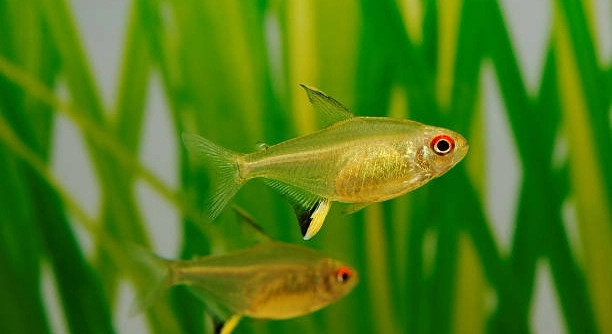
What Does It Mean When Lemon Tetra Twitch?
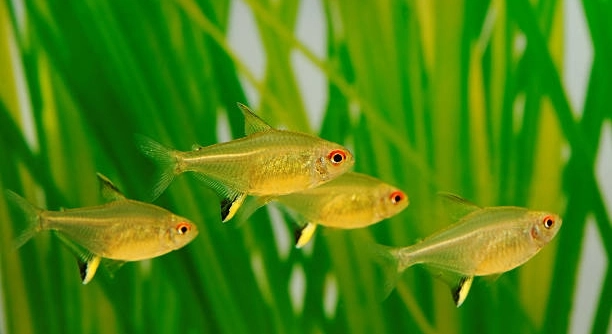
Have you noticed your lemon tetra making sudden, jerky movements in the tank? These little flicks and twitches can be surprising, especially if your fish usually swims calmly among its tank mates and decorations. Twitching in lemon tetras is often caused by stress, poor water quality, or minor irritation. It can also indicate the presence … Read more
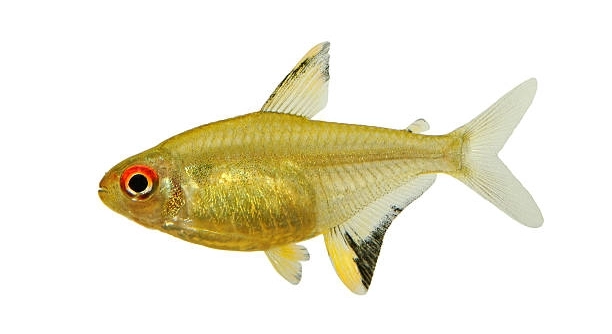
7 Scenarios Where Lemon Tetra Stop Eating

Do your lemon tetras seem less interested in food lately? Changes in appetite are common, but they can signal stress, illness, or environmental issues that may affect your fish’s overall health and well-being. Lemon tetras may stop eating due to a variety of factors including poor water quality, temperature fluctuations, stress from tankmates, disease, nutritional … Read more

Why Do Lemon Tetra Hide During the Day?

Lemon tetras are small, brightly colored fish that bring life to any freshwater aquarium. Many owners notice that these fish often hide during the day, staying near plants or decorations instead of swimming freely. Lemon tetras hide during daylight hours primarily due to instinctual behavior. They seek shelter to avoid predators, reduce stress from bright … Read more

Can Lemon Tetra Change Color Temporarily?

Lemon tetras are small, vibrant fish often admired for their bright yellow hues. Many aquarium owners enjoy watching them swim together, creating a lively and colorful display that brings a sense of calm and beauty to any tank environment. Lemon tetras can change color temporarily due to stress, lighting conditions, or water quality fluctuations. This … Read more

Can Lemon Tetra Remember Tankmates?

Do you ever notice your lemon tetras swimming together and wonder if they truly recognize each other over time? Their small size and bright colors make them charming companions, and many aquarists wonder about their social memory. Lemon tetras can remember tankmates for a certain period, recognizing familiar fish through visual and chemical cues. This … Read more

Should You Cycle a Tank With Lemon Tetra?

Do you enjoy setting up a new aquarium but find yourself unsure about how to start the cycling process safely? Introducing fish too early can be tricky, especially with delicate species like Lemon Tetra. Cycling a tank with Lemon Tetra is generally not recommended because these fish are sensitive to water conditions. The proper approach … Read more

7 Tricks for Easier Lemon Tetra Maintenance

Do you ever find yourself struggling to keep your lemon tetras happy and healthy in your aquarium? These small, vibrant fish can be sensitive to changes, making maintenance seem challenging for both beginners and experienced keepers. Maintaining lemon tetras is simplified by focusing on water quality, proper diet, tank setup, and consistent monitoring. Implementing structured … Read more

7 Early Signs of Lemon Tetra Malnutrition

Do you ever notice your lemon tetras swimming less actively than usual or seeming less vibrant than before? Many fish owners may overlook early signs of malnutrition, which can quietly affect their health and overall well-being in the aquarium. Lemon tetra malnutrition typically presents through subtle physical and behavioral changes. These may include faded coloration, … Read more

7 Natural Foods That Improve Arowana Color

Arowanas are admired for their vibrant colors and graceful movements. Many owners aim to enhance their fish’s natural beauty using safe and effective methods. Nutrition plays a key role in achieving rich, striking hues naturally and healthily. Certain natural foods are known to improve Arowana coloration by providing essential pigments, vitamins, and antioxidants. Ingredients like … Read more

How to Make Your Lemon Tetra Tank More Natural

Do you love keeping lemon tetras but find your tank feels artificial and plain? Many aquarists notice their tanks lack natural appeal, which can affect both the fish’s behavior and the overall aesthetic of the aquarium environment. Creating a more natural lemon tetra tank involves replicating their native South American habitat. This can be achieved … Read more