
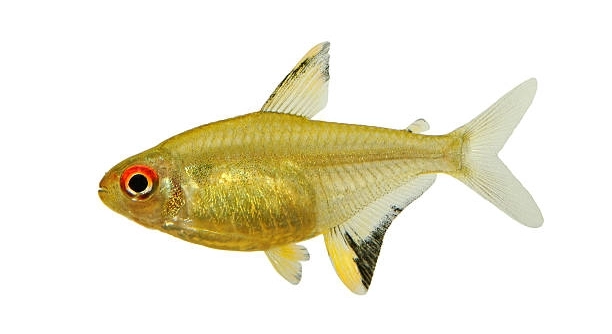
Do your lemon tetras seem less interested in food lately? Changes in appetite are common, but they can signal stress, illness, or environmental issues that may affect your fish’s overall health and well-being.
Lemon tetras may stop eating due to a variety of factors including poor water quality, temperature fluctuations, stress from tankmates, disease, nutritional deficiencies, sudden environmental changes, or aging. Identifying the underlying cause is essential for restoring normal feeding behavior.
Understanding these feeding issues is important for maintaining a healthy aquarium. We will explore the main scenarios and practical solutions to help your tetras thrive.
Poor Water Quality
Maintaining clean water is essential for lemon tetras to eat and stay healthy. High levels of ammonia, nitrites, or nitrates can cause stress and reduce appetite. I have noticed that even small changes in water chemistry can make them stop eating. Frequent partial water changes and testing the water regularly can prevent these issues. Filtration must be properly maintained to remove debris and toxins from the tank. Overfeeding can also increase waste and worsen water quality, so it’s important to feed small amounts and remove uneaten food. Lemon tetras are sensitive to sudden changes, so adjusting water parameters slowly helps them adapt. Monitoring pH, temperature, and hardness ensures a stable environment. Plants and live decorations can also help absorb excess nutrients and create hiding spaces, which reduces stress. Observing your fish daily allows you to catch early signs of poor water conditions.
Regular water checks are key to keeping tetras eating consistently and maintaining their overall health.
Clean water not only prevents appetite loss but also reduces the risk of disease. A stable environment encourages natural behavior, including feeding, swimming, and schooling. Using test kits and monitoring equipment helps detect issues early. Gradual adjustments, proper filtration, and avoiding overcrowding keep stress levels low, allowing lemon tetras to thrive.
Temperature Fluctuations
Lemon tetras are sensitive to sudden changes in temperature, which can affect their appetite.
Even small drops or spikes can stress them and cause them to stop eating. Consistent temperature helps maintain their metabolism and digestion. A heater with a thermostat ensures the water remains stable. Avoid placing the tank near drafts, windows, or direct sunlight, which can cause rapid changes. Monitoring daily allows early correction before it affects feeding. A temperature range of 24-28°C is ideal. Sudden cold can slow metabolism, while overheating can lead to lethargy and illness. Adjustments should be made gradually to avoid shock. Using a reliable thermometer helps maintain accuracy. Proper tank placement reduces environmental fluctuations and creates a safer space for the tetras.
Stable temperatures support healthy feeding patterns and reduce stress-related appetite loss. Maintaining these conditions helps prevent long-term health issues and ensures the tetras remain active and vibrant. Gradual acclimation during water changes and monitoring tank heaters are practical steps to protect your fish. Avoiding sudden temperature swings during maintenance or transport prevents shock and keeps appetite steady. A steady routine and observing behavior after adjustments allows you to spot problems early. Consistent temperature also supports immune function, reducing the risk of secondary infections. Combining temperature control with good water quality creates an ideal environment for lemon tetras to thrive. Proper care ensures they remain energetic and continue feeding normally, reflecting overall health.
Stress from Tankmates
Aggressive or larger fish can intimidate lemon tetras, causing them to stop eating. Stress reduces their appetite and can lead to hiding or erratic swimming. Keeping peaceful species together minimizes conflicts and encourages normal feeding.
Observing tank behavior is essential to identify stress sources. Lemon tetras are small and schooling fish, so they feel safer in groups of six or more. If tankmates chase or nip at them, feeding can become irregular. Rearranging decorations and creating hiding spaces allows tetras to retreat when threatened. Avoid overcrowding the tank, as limited space can increase competition and stress. Introducing compatible species gradually helps maintain harmony. Stress reduction through careful selection of tankmates and environmental adjustments restores appetite and normal behavior.
Consistency in daily routines helps reduce stress. Feeding at the same time, maintaining water quality, and monitoring interactions create a stable environment. Adding plants and structures gives lemon tetras safe zones to retreat and regain confidence. Observing reactions to new tankmates and responding promptly prevents prolonged stress, which can lead to health issues. A calm and well-planned tank encourages tetras to feed regularly and thrive.
Disease or Infection
Illness can cause lemon tetras to lose interest in food. Common signs include lethargy, clamped fins, or unusual swimming patterns. Early detection improves recovery chances.
Diseases like ich, bacterial infections, or parasites can affect appetite. Quarantining new fish before introducing them reduces risk. Treatments vary depending on the condition and require careful observation. Maintaining water quality and avoiding sudden changes strengthens their immune system. Sick fish often stop eating, and supplements or medicated food may be necessary. Identifying subtle behavioral changes early prevents complications. Handling disease promptly ensures affected fish recover faster and reduces spread to other tankmates.
Prevention is key for healthy tetras. Regular monitoring, proper nutrition, and stable water parameters minimize outbreaks. Clean tanks, routine water changes, and avoiding overstocking help maintain a safe environment. Observing swimming patterns, coloration, and appetite allows early detection of illness. Prompt treatment with appropriate medication or isolation of affected fish limits damage. Supporting the immune system with high-quality food and stress-free conditions helps recovery. Tracking changes carefully ensures long-term health and encourages lemon tetras to resume normal feeding habits.
Sudden Environmental Changes
Lemon tetras react poorly to sudden changes in their surroundings. Moving the tank, adding new decorations, or altering lighting can stress them and reduce appetite.
Keeping changes gradual helps them adjust. Introducing one modification at a time, such as rearranging plants slowly or adjusting lighting over several days, allows the fish to adapt without losing interest in food.
Nutritional Deficiencies
A diet lacking variety can cause tetras to stop eating. They need a balance of flakes, frozen, and live foods to stay healthy. Regularly rotating food types ensures they get essential nutrients and maintain consistent feeding behavior.
Aging
Older lemon tetras may naturally eat less. Appetite can decrease with age as metabolism slows. Monitoring their health and adjusting portion sizes helps maintain their wellbeing.
Why has my lemon tetra stopped eating suddenly?
A sudden loss of appetite in lemon tetras often points to stress, illness, or changes in the environment. Water quality fluctuations, temperature swings, or aggressive tankmates can quickly make them stop feeding. Monitoring water parameters and observing behavior can help identify the reason. Gradual adjustments in the tank and maintaining a calm, stable environment often encourage them to eat again.
Could water quality really make my tetras stop eating?
Yes, poor water quality is one of the most common reasons for appetite loss. High ammonia, nitrite, or nitrate levels irritate the fish and reduce feeding. Even small deviations in pH or hardness can affect sensitive tetras. Frequent partial water changes, proper filtration, and regular testing are crucial to maintain a healthy environment. Keeping the tank clean prevents toxins from accumulating and helps restore normal feeding habits.
Do lemon tetras need specific temperatures to eat?
Absolutely. Lemon tetras are sensitive to temperature fluctuations. Water that is too cold slows metabolism, while water that is too warm can stress them, causing them to refuse food. Using a reliable heater and thermometer ensures consistent conditions. Avoid placing the tank near windows, vents, or drafts that can cause sudden temperature changes. Gradual adjustments during seasonal changes or maintenance help keep their appetite steady.
Can tankmates really affect feeding behavior?
Yes, aggressive or larger fish can intimidate lemon tetras, preventing them from eating. Stress from chasing or nipping reduces appetite and increases hiding behavior. Keeping peaceful species together and providing hiding spots helps them feel secure. Monitoring interactions and adjusting the tank layout can restore calm and encourage normal feeding. Stress reduction through compatible tankmates supports overall health and consistent eating patterns.
How do I know if my fish is sick and not just stressed?
Sick tetras show signs like lethargy, clamped fins, unusual swimming patterns, or color changes. Stress may cause hiding but usually doesn’t affect physical appearance. If appetite loss is accompanied by visible symptoms, it could indicate disease or infection. Early diagnosis and treatment, such as isolation or medicated food, can prevent worsening conditions and help the fish recover faster.
Is diet variety important for lemon tetras?
Yes, a varied diet prevents nutritional deficiencies that can reduce appetite. They need a mix of high-quality flakes, frozen foods like brine shrimp, and occasional live foods. Rotating food types ensures they receive essential nutrients. Feeding in small, controlled portions also prevents leftover food from polluting the tank, maintaining water quality and encouraging regular feeding behavior.
Do older lemon tetras naturally eat less?
Yes, aging can reduce appetite. Metabolism slows down with age, and older fish may require smaller portions. Maintaining good water quality and offering easy-to-eat food can help them stay healthy. Observing their eating patterns and adjusting feeding amounts prevents overfeeding while supporting their wellbeing in later years.
Can sudden environmental changes affect feeding?
Yes, changes like rearranging decorations, moving the tank, or altering lighting can stress lemon tetras. Stress causes hiding and appetite loss. Introducing modifications gradually allows them to adapt. Providing familiar structures and consistent routines helps reduce stress and encourages normal feeding behavior.
How long should I wait before taking action?
If a lemon tetra stops eating for more than 24-48 hours, it’s important to monitor water quality, check for illness, and observe tank conditions. Early intervention improves recovery. Temporary fasting may occur, but persistent appetite loss usually indicates an underlying problem that requires immediate attention.
Can stress from handling affect appetite?
Yes, excessive handling during cleaning or maintenance can temporarily reduce appetite. Minimizing disturbances and maintaining a stable environment helps tetras feel secure and return to normal feeding. Gradual acclimation to new additions or tank changes reduces stress and promotes consistent eating patterns.
Lemon tetras are small, lively fish, but they can be surprisingly sensitive. Appetite loss is one of the most noticeable signs that something is off in their environment or health. As I have seen over time, the reasons behind them refusing food are often connected to water quality, tank conditions, or stress. Maintaining clean water and monitoring temperature consistently helps prevent many feeding issues. Even small changes, such as a slightly higher nitrate level or a minor drop in temperature, can affect their appetite. Observing them daily makes it easier to catch early signs of discomfort or illness before it becomes serious. Paying attention to these small details can make a big difference in how your tetras behave and feed.
Another factor that often affects feeding is the social environment in the tank. Lemon tetras are schooling fish and feel safer in groups, so keeping them in small numbers or with aggressive tankmates can make them nervous and less likely to eat. I have noticed that adding more hiding spaces or rearranging decorations can help reduce stress and encourage feeding. Even diet plays a role in their appetite. Offering a balanced mix of flakes, frozen foods, and occasional live foods ensures they receive necessary nutrients. Rotating food types also helps prevent nutritional deficiencies that can reduce their interest in eating. A consistent feeding routine, combined with a calm, stable environment, usually restores normal behavior quickly.
Finally, it is important to understand that appetite changes can sometimes indicate aging or minor illness. Older lemon tetras naturally eat less, and occasional fasting can occur without immediate cause for concern. However, persistent loss of appetite often signals stress, disease, or an environmental issue that needs to be addressed. I have learned that early detection is key, whether it is noticing subtle color changes, unusual swimming patterns, or hiding behavior. Taking small, gradual steps to improve water quality, stabilize temperature, and reduce stress can make a significant difference in restoring feeding habits. With careful observation, proper tank maintenance, and attention to diet, lemon tetras can continue to thrive and display their natural, vibrant behavior. Keeping track of these factors ensures long-term health and helps maintain a harmonious tank environment for all the fish.

Hello,
If you enjoy the content that we create, please consider saying a "Thank You!" by leaving a tip.
Every little bit helps us continue crafting quality advice that supports the health, happiness, and well-being of pets around the world, for pets of all shapes, sizes, and species.
We really appreciate the kindness and support that you show us!