
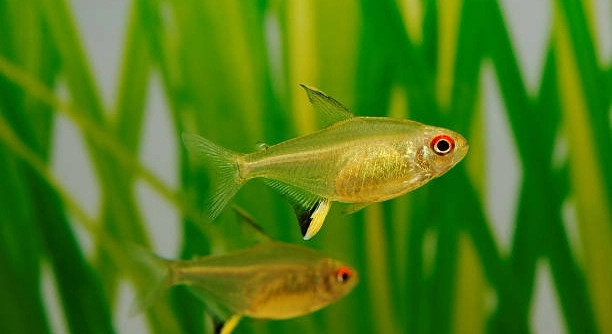
Arowanas are admired for their vibrant colors and graceful movements. Many owners aim to enhance their fish’s natural beauty using safe and effective methods. Nutrition plays a key role in achieving rich, striking hues naturally and healthily.
Certain natural foods are known to improve Arowana coloration by providing essential pigments, vitamins, and antioxidants. Ingredients like krill, shrimp, spirulina, and red bell peppers contribute to enhanced red, gold, and metallic tones while supporting overall fish health.
Understanding which foods affect coloration can make a noticeable difference in your fish’s appearance. Incorporating these options carefully ensures both visual enhancement and long-term well-being.
Krill
Krill is a small crustacean packed with natural carotenoids, which are vital for enhancing red and orange hues in Arowanas. Regular feeding of krill helps maintain bright, vibrant colors while supporting healthy growth and immune function. It also provides a high-protein source that mimics natural prey. Including krill in your Arowana’s diet ensures a consistent intake of essential nutrients, reducing the risk of color fading over time. Many keepers notice a visible difference in the richness of reds and golds within weeks of introducing krill. Freeze-dried or fresh options are both effective, though fresh krill retains more natural oils. It is important to balance krill with other foods to prevent over-reliance, as too much can affect water quality. Portion control is key, and feeding small amounts several times a week often produces the best results. This method promotes both coloration and overall vitality in Arowanas.
Krill supports natural pigmentation while providing protein and essential nutrients for general fish health and vigor.
Feeding krill consistently helps intensify reds and metallic tones while maintaining healthy growth. It is an easy way to enhance appearance naturally, especially when combined with a varied diet including shrimp, spirulina, and vegetables. Over time, regular use contributes to a more striking and resilient fish.
Shrimp
Shrimp is a staple in enhancing Arowana coloration. Its high carotenoid content naturally boosts reds and oranges, making scales appear more vivid and reflective. Small pieces or whole shrimp can be offered depending on the size of your fish. Regular feeding ensures consistent color improvement without compromising health.
Shrimp improves pigmentation, supports growth, and provides essential proteins for a balanced diet.
Including shrimp in an Arowana’s feeding routine strengthens the impact of other color-enhancing foods. It is especially effective when paired with krill or spirulina, offering complementary nutrients that enhance metallic sheen. Fresh, frozen, or freeze-dried shrimp can be used, but fresh is most effective. Overfeeding can lead to water quality issues, so moderation is crucial. Shrimp also encourages natural foraging behavior, keeping fish active and engaged. With consistent use, scales develop a richer, more vibrant appearance, and subtle tones deepen. It is recommended to vary the feeding schedule and combine shrimp with other vegetables or algae-based foods. This balance ensures long-term color improvement while maintaining the fish’s health and energy levels. A thoughtful feeding plan produces noticeable results over time.
Spirulina
Spirulina is a blue-green algae rich in natural pigments that enhance red, orange, and golden tones in Arowanas. It also provides protein and essential vitamins that support overall health. Regular use can improve vibrancy while keeping your fish strong and energetic.
Adding spirulina to the diet enhances natural coloration without artificial additives. It can be offered as flakes, powder, or incorporated into homemade pellets. Its pigments, including carotenoids and phycocyanin, contribute to brighter scales and a more lustrous appearance. Spirulina also supports digestion and boosts immunity, making it a valuable daily supplement. Combining it with krill and shrimp maximizes color results while maintaining a balanced diet. Moderation is key, as too much can affect water clarity and appetite, so small, consistent portions are best.
Spirulina not only improves color but strengthens overall vitality. Over time, regular feeding results in brighter scales and healthier growth, complementing other color-enhancing foods in the diet. Its benefits are subtle but noticeable, creating a richer, more vibrant appearance naturally.
Red Bell Pepper
Red bell pepper is packed with natural carotenoids that directly enhance red and orange pigmentation in Arowanas. It can be offered cooked, finely chopped, or blended into pellets, providing a safe, plant-based source of color-boosting nutrients. Regular feeding improves vibrancy while supporting overall health.
Incorporating red bell pepper into meals boosts pigmentation and adds essential vitamins like A and C. It can be combined with protein-rich foods such as shrimp or krill to enhance absorption and effectiveness. Small portions are ideal to prevent overfeeding and water quality issues. Its natural sugars are gentle on digestion and encourage consistent feeding behavior. Over time, the red tones in your fish become more vivid, complementing other pigments from spirulina and crustaceans. Consistency matters, as periodic feeding ensures continuous color enhancement and long-term benefits for growth, immunity, and overall vitality.
Carrot
Carrots are a natural source of beta-carotene, which helps enhance red and orange shades in Arowanas. Finely chopped or blended, they can be added to pellets or mixed with other foods. Regular feeding supports color development and overall health.
Including carrots in the diet provides vitamins A and K, promoting strong immune function. Small amounts combined with protein sources like shrimp or krill maximize benefits. Consistent use gradually improves vibrancy while keeping your fish healthy and energetic.
Daphnia
Daphnia are tiny freshwater crustaceans rich in carotenoids and protein. Feeding them regularly helps maintain bright, shimmering colors while providing a natural source of nutrition that supports growth and vitality. They can be offered live or freeze-dried, depending on availability and convenience.
Pumpkin
Pumpkin contains carotenoids that boost red and orange pigmentation. It is soft, easy to digest, and provides vitamins that support overall health and immunity. Regular feeding enhances Arowana coloration naturally while keeping the fish active and strong.
FAQ
What is the best natural food to enhance Arowana color?
Krill is one of the most effective natural foods for improving Arowana coloration. It is rich in carotenoids, which directly enhance red, orange, and golden tones. Supplementing the diet with krill a few times per week can make a noticeable difference in scale vibrancy over time.
Can shrimp alone improve my Arowana’s color?
Shrimp contains natural pigments and high-quality protein that support coloration and growth. While shrimp helps, it is most effective when combined with other color-enhancing foods like spirulina or red bell pepper. A balanced approach ensures long-term health and better results in overall vibrancy.
How often should I feed spirulina to my Arowana?
Spirulina can be given daily or several times a week in small portions. Overfeeding can affect water quality and appetite, so moderation is important. Its pigments gradually improve red, orange, and metallic tones while also supporting digestion and immunity.
Is it safe to feed vegetables like carrot or pumpkin?
Yes, carrots and pumpkin are safe and beneficial. They provide beta-carotene and other essential vitamins that enhance red and orange pigmentation. Finely chopped or blended into pellets, these vegetables can be offered in small amounts a few times a week for gradual improvements.
Can live foods like Daphnia improve coloration?
Live foods such as Daphnia are excellent for boosting natural colors while offering protein and essential nutrients. Feeding live or freeze-dried Daphnia regularly helps maintain vibrancy, supports energy levels, and encourages natural foraging behavior. It complements other natural color-enhancing foods effectively.
Do natural foods improve all types of Arowana colors?
Yes, different natural foods enhance specific pigments. Krill and shrimp improve red and gold tones, spirulina enhances metallic and reddish hues, and vegetables like carrots and pumpkin support orange and golden shades. Using a variety of foods ensures overall balanced coloration.
Can overfeeding affect color development?
Overfeeding can reduce water quality, stress the fish, and even lead to duller colors. Small, consistent portions are best, and combining different color-enhancing foods ensures nutritional balance while preventing potential water issues that may hinder pigmentation.
How long does it take to see results?
Color improvements usually appear gradually over a few weeks to months, depending on the fish’s age, diet, and health. Younger Arowanas often show faster changes, while older fish require patience and consistent feeding of natural color-enhancing foods.
Should I use commercial color-enhancing foods?
Commercial foods may provide artificial pigments, but natural foods are safer and support overall health. Combining natural foods with a limited amount of high-quality commercial feed can maintain vibrant colors without compromising long-term well-being.
Can these foods replace regular balanced nutrition?
No, color-enhancing foods should complement a balanced diet. Protein sources, vitamins, and minerals remain essential for growth, immune support, and general health. Using natural pigments alongside a varied diet ensures both visual improvement and overall vitality in Arowanas.
Are there any seasonal considerations for feeding color-enhancing foods?
Seasonal changes in metabolism and water temperature can affect appetite and digestion. Adjusting feeding frequency and portion size while maintaining color-enhancing foods ensures consistent results throughout the year. Proper monitoring helps avoid overfeeding or nutrient deficiencies.
Can a sick Arowana still benefit from these foods?
Color-enhancing foods are less effective if the fish is unwell. Illness or stress can lead to faded colors regardless of diet. Addressing health issues first and then gradually introducing these foods maximizes both coloration and recovery.
Do all Arowanas respond the same way to natural foods?
Individual fish may respond differently based on genetics, age, and previous diet. While most benefit from carotenoid-rich foods, patience and consistency are key. Observing gradual improvements and adjusting the diet helps achieve optimal results for each fish.
Can I mix multiple color-enhancing foods in one meal?
Yes, combining foods like krill, shrimp, spirulina, and vegetables in moderation ensures a balanced intake of pigments and nutrients. Avoid overfeeding and provide small portions to maintain water quality and promote consistent color development.
Is there a risk of nutrient imbalance from focusing on color foods?
Focusing solely on pigmentation can create imbalances if essential vitamins, minerals, and proteins are neglected. Ensuring variety and moderation prevents deficiencies while still supporting natural, vibrant colors.
How do I know if my Arowana’s diet is effective?
Monitor changes in scale vibrancy, activity levels, and overall health. Gradual improvements in color, consistent appetite, and healthy growth indicate that the diet is providing the right balance of nutrients and pigments.
Can I use these foods for long-term maintenance of color?
Yes, including natural color-enhancing foods in a long-term diet supports sustained vibrancy. Rotating different foods and keeping portion sizes consistent ensures your Arowana remains colorful, healthy, and active for years.
Do water conditions affect how well these foods work?
Absolutely. Poor water quality, high stress, or incorrect temperature can dull colors even with proper feeding. Maintaining clean, stable conditions alongside a nutritious, pigment-rich diet maximizes natural coloration and overall fish health.
Are there any foods to avoid for coloration purposes?
Avoid relying solely on artificial color pellets or overfeeding fatty foods, as they can affect water quality and overall health. Focus on natural sources with balanced nutrition for safe, lasting results without negative side effects.
Can young Arowanas develop stronger colors faster than adults?
Yes, younger fish often absorb pigments more efficiently and show visible improvements sooner. Adults can still benefit, but changes take longer. Consistent feeding and a variety of natural foods ensure gradual enhancement regardless of age.
Do I need supplements in addition to these foods?
Supplements are usually unnecessary if a varied diet of krill, shrimp, spirulina, and vegetables is provided. Natural foods supply most required pigments, vitamins, and proteins. Only consider supplements if advised for specific deficiencies by an expert.
Is live feeding better than freeze-dried options?
Live foods can be more effective for stimulating appetite and providing natural pigments. Freeze-dried options are convenient and still beneficial, though they may lose some nutrients. Using a mix ensures variety and consistency in coloration support.
Can these foods improve metallic or gold hues as well as red?
Yes, foods like spirulina and krill enhance both metallic and gold tones, while vegetables boost red-orange pigmentation. Combining these foods provides balanced improvement across multiple hues for a naturally vibrant appearance.
How should I store these foods for best results?
Keep dried or frozen foods sealed and stored in a cool, dry place. Fresh foods should be refrigerated or frozen promptly to preserve nutrients and pigments. Proper storage ensures maximum effectiveness and safety for your Arowana.
Will seasonal vegetables affect the color differently?
Some vegetables may vary in pigment content depending on the season, but most common options like carrots and pumpkin provide consistent beta-carotene. Incorporating seasonal variety adds minor nutrient differences without reducing overall coloration benefits.
Can stress impact the effectiveness of these foods?
Yes, stress from handling, overcrowding, or poor water conditions can reduce pigment absorption. Minimizing stressors ensures that color-enhancing foods deliver their full potential while keeping the fish healthy and active.
How do I introduce new foods to my Arowana?
Start gradually, mixing small portions with familiar foods. Observe appetite and digestion to ensure acceptance. Slowly increasing quantities over days or weeks allows the fish to adapt and benefits pigmentation without causing stress or digestive issues.
Are frozen foods as good as live foods for color enhancement?
Frozen krill, shrimp, or Daphnia retain most pigments and nutrients, making them a convenient alternative to live feeding. They are effective for maintaining vibrant colors, especially when live options are unavailable, though live foods may slightly enhance appetite and activity.
Can I rely on a single food for all color improvements?
No, a variety of natural foods is necessary. Different ingredients provide specific pigments, vitamins, and proteins. Combining crustaceans, algae, and vegetables ensures comprehensive enhancement across red, orange, gold, and metallic tones.
How do I monitor progress effectively?
Take regular photos or observe the fish in consistent lighting to track subtle changes. Healthy behavior, appetite, and scale shine indicate that the diet is working. Adjust feeding routines as needed to maintain consistent improvements over time.
Is there a risk of over-supplementing carotenoids?
Excessive carotenoid intake is uncommon with natural foods but overfeeding color-rich items may cause minor digestive issues or water quality problems. Moderation and varied feeding are key to safe, effective enhancement.
Can adult Arowanas still gain noticeable color improvements?
Yes, although changes are slower than in young fish. Consistent, balanced feeding of natural color-enhancing foods combined with optimal water conditions gradually strengthens pigmentation and scale shine in adult Arowanas.
Do these foods affect behavior as well as appearance?
Yes, nutrient-rich foods like krill, shrimp, and spirulina promote activity, growth, and overall vitality. Improved health often results in more natural, energetic behavior, making the fish appear livelier alongside its enhanced coloration.
Are homemade pellets effective for coloration?
Homemade pellets combining vegetables, spirulina, and protein sources can be highly effective. They allow control over ingredients and pigment content, ensuring consistent, balanced nutrition that supports both health and vibrant scales.
How long should I maintain a color-focused diet?
Sustaining a balanced, pigment-rich diet long-term maintains vibrancy. Rotate ingredients, monitor health, and adjust portions as needed. Consistency ensures that your Arowana retains its enhanced appearance without compromising overall well-being.
Does water temperature influence pigment absorption?
Yes, optimal temperature supports digestion and nutrient absorption, which directly affects coloration. Keep the water within recommended ranges for your species to maximize the benefits of color-enhancing foods.
Can stress from tank mates affect color development?
Yes, aggressive or overcrowded conditions can stress Arowanas, dulling colors even with proper nutrition. Providing adequate space and compatible tank mates supports both health and pigmentation.
Is it necessary to combine plant-based and animal-based foods?
Yes, combining algae and vegetables with protein-rich crustaceans ensures a balanced intake of pigments, vitamins, and nutrients. This combination enhances overall coloration more effectively than relying on a single type of food.
Do lighting conditions affect color results from diet?
Proper lighting can enhance the perception of colors and support natural circadian rhythms. While diet drives pigmentation, adequate lighting ensures that the fish’s colors appear vivid and well-defined.
Can stress or illness reverse color improvements?
Yes, stress and illness can temporarily dull colors. Maintaining good health, consistent feeding, and stable conditions ensures that improvements from natural foods are retained over time.
Are there any signs that a color-enhancing food is not suitable?
Refusal to eat, digestive issues, or water quality problems may indicate that a food is unsuitable. Introduce new items gradually and monitor your fish closely to ensure acceptance and benefits.
Do frozen vegetables maintain their pigment content?
Frozen vegetables retain most beta-carotene and essential vitamins if stored properly. They provide a convenient, effective way to supplement color-enhancing nutrients when fresh produce is unavailable.
Can color improvements be permanent?
Consistent feeding and optimal conditions help maintain long-term vibrancy. Sudden changes in diet or environment may reduce coloration, so regular care is essential to retain enhanced colors naturally.
Is it safe to combine multiple color-enhancing foods in one meal?
Yes, combining small portions of krill, shrimp, spirulina, and vegetables ensures a broad spectrum of pigments. This approach maximizes color improvement while maintaining balanced nutrition and overall health.
How should I transition my Arowana to a pigment-rich diet?
Introduce new foods gradually, mixing them with familiar items. Observe appetite, digestion, and water quality to ensure a smooth transition and sustained color enhancement without stress.
Can stress or water quality issues negate the effects of color foods?
Yes, poor conditions can dull colors despite proper nutrition. Maintaining clean, stable water and reducing stress ensures the full benefits of natural color-enhancing foods are realized.
Will adding too many different foods confuse my Arowana?
No, variety is beneficial. Small, balanced portions prevent overfeeding while providing diverse nutrients that support both health and pigmentation. Gradual introduction ensures acceptance without stress.
How do I balance color foods with regular nutrition?
Use color-enhancing foods as supplements, not replacements. Continue providing protein, vitamins, and minerals from regular feeds to maintain growth, immunity, and overall health while gradually improving coloration.
Are freeze-dried krill and shrimp effective long-term?
Yes, when stored correctly, freeze-dried options retain most pigments and nutrients. They are convenient, safe, and effective for long-term use alongside fresh or live foods.
Do young Arowanas need more pigment-rich foods than adults?
Young fish often absorb pigments faster and may show results sooner. Adults benefit as well, but progress is slower. Consistency and variety ensure effective coloration at any age.
Can I make homemade mixtures of spirulina and vegetables?
Yes, blending spirulina with carrots, pumpkin, or red bell pepper creates nutrient-rich pellets. This ensures controlled pigment content and supports both coloration and overall health.
Do natural foods improve iridescence as well as base colors?
Yes, spirulina, krill, and shrimp enhance metallic and reflective tones while vegetables boost reds and oranges. A varied diet maximizes overall vibrancy across all hues.
How do I avoid overfeeding while enhancing color?
Offer small, measured portions multiple times a week. Rotate different foods and monitor appetite and water quality. Moderation ensures pigmentation benefits without negative health effects or water issues.
Are there alternatives if I cannot access live foods?
Freeze-dried or frozen krill, shrimp, and Daphnia are excellent substitutes. They retain most pigments and nutrients, providing similar color-enhancing benefits without requiring live feeding.
Can I expect immediate results from natural foods?
No, improvements appear gradually over weeks to months. Consistency, variety, and proper care are key to achieving noticeable, sustainable coloration enhancements.
Does Arowana size affect color improvement?
Yes, younger or smaller fish often show faster improvements. Larger, mature fish still benefit, but results require more time and consistent feeding of pigment-rich foods.
Do water additives impact color from natural foods?
Certain additives may enhance or dull appearance temporarily. Relying on proper nutrition and stable conditions ensures long-term, natural coloration without artificial effects.
Can I use only one type of vegetable for color improvement?
Using a single vegetable is less effective than combining options. A mix of carrots, pumpkin, and red bell pepper provides a broader range of pigments, enhancing reds, oranges, and golds simultaneously.
Is it necessary to feed color foods daily?
Daily feeding is optional. Small, consistent portions several times a week maintain pigment levels effectively while preventing overfeeding and water quality issues.
How do I track changes in Arowana coloration?
Regular observation, consistent lighting, and photographic records help track subtle improvements. Comparing images over weeks reveals the effectiveness of the color-enhancing diet.
Can supplements replace natural foods for pigmentation?
Supplements may provide pigments but lack the nutritional balance of natural foods. Combining natural ingredients ensures health, vitality, and sustainable color improvements.
Do all color-enhancing foods improve both red and metallic tones?
No, some foods target specific pigments. Krill and shrimp enhance red and gold, spirulina improves metallic sheen, and vegetables support orange-red tones. A combination is most effective.
Is it safe to mix live and freeze-dried foods in one meal?
Yes, combining small portions of live and freeze-dried foods ensures diverse nutrients, maintains appetite, and supports coloration without overwhelming the fish or affecting water quality.
Do environmental factors influence pigment absorption?
Yes, temperature, water quality, and stress affect digestion and pigment uptake. Maintaining stable conditions enhances the effectiveness of natural color-enhancing foods.
Can stress from handling reduce color enhancement?
Yes, frequent handling or rough treatment can dull colors. Minimizing stress allows pigments from natural foods to show fully and maintain overall health.
Are homemade food blends more effective than store-bought?
They can be, as you control ingredients and pigment content. Combining spirulina, vegetables, and protein-rich foods ensures tailored nutrition and consistent color improvement.
How do I maintain consistent color results?
Rotate natural foods, monitor water quality, and feed small portions regularly. Consistency over months ensures sustainable, vibrant coloration while supporting long-term health.
Does lighting intensity affect appearance?
Yes, proper lighting enhances scale reflection and metallic tones. While pigments come from food, lighting ensures colors appear vivid and well-defined.
Can Arowanas lose color if diet changes suddenly?
Yes, abrupt changes or nutrient deficiencies can dull scales. Gradual transitions and consistent feeding maintain enhanced coloration and overall vitality.
Is there a risk of allergic reactions to any natural foods?
Reactions are rare, but monitor new foods for digestive issues or reduced appetite. Introduce gradually to ensure tolerance and safety.
Can I feed a mixture of all seven foods daily?
Yes, in small, controlled portions. Rotating and mixing these foods provides balanced nutrients and pigments, supporting vibrant, healthy Arowanas without overfeeding.
How long should each type of food be offered before seeing effects?
Visible changes usually take weeks, depending on age, health, and diet variety. Consistency, moderation, and proper feeding schedule are key to effective results.
Do natural foods support immunity as well as color?
Yes, carotenoids, vitamins, and proteins in krill, shrimp, spirulina, and vegetables improve overall health while enhancing pigmentation, ensuring vibrant and resilient fish.
Are there signs my Arowana is getting too much of one pigment?
Unusual coloration, digestive issues, or water quality changes may indicate excess. Balanced, varied feeding prevents over-supplementation while supporting vibrant colors safely.
Can these foods help Arowanas in smaller tanks?
Yes, as long as water quality is maintained and portions are controlled. Proper feeding ensures vibrant colors without compromising health in limited spaces.
Do I need to monitor temperature when feeding pigment-rich foods?
Yes, stable temperatures support digestion and nutrient absorption. Optimal conditions maximize the effectiveness of color-enhancing foods and overall fish health.
Can color improvements be maintained without constant feeding?
Regular feeding ensures sustained pigmentation. Intermittent or inconsistent feeding may lead to gradual fading, so a routine is essential for long-term vibrancy.
Do all Arowana species respond the same to these foods?
Responses vary by species and genetics. Most benefit from pigment-rich foods, but intensity and speed of color development differ. Observing individual responses helps adjust diet effectively.
Is there a risk of over-relying on one type of pigment source?
Yes, focusing on a single food may limit overall nutrient intake. Variety ensures comprehensive support for coloration, health,
Arowanas are striking fish that naturally draw attention because of their vibrant colors and graceful movements. Maintaining and enhancing these colors requires more than just aesthetic care; it depends heavily on providing proper nutrition. Natural foods play a key role in this process. Ingredients like krill, shrimp, spirulina, and various vegetables provide essential pigments, vitamins, and proteins that directly influence the intensity of red, gold, orange, and metallic tones. Regular inclusion of these foods in a balanced diet supports not only color enhancement but also overall health, immune function, and growth. While it is tempting to rely on commercial color-enhancing feeds, natural options are safer and offer long-term benefits without risking the health of the fish or water quality in the tank. By consistently offering these foods, Arowanas gradually develop richer, more vibrant scales that reflect their well-being.
Feeding color-enhancing foods requires attention to portion size, frequency, and variety. Overfeeding can lead to water quality problems, stress, and digestive issues, which may counteract the benefits of these foods. Small, controlled portions given several times a week are generally sufficient to produce noticeable improvements over time. Variety is equally important. Different foods provide different types of pigments and nutrients, and a balanced approach ensures that all areas of coloration are supported. Combining carotenoid-rich crustaceans like krill and shrimp with plant-based sources like carrots, pumpkin, and red bell pepper allows for a full spectrum of color enhancement. Algae like spirulina adds metallic sheen and enhances overall vibrancy. Consistency in feeding schedules and maintaining a diverse selection of foods is critical for achieving the best results and sustaining those improvements over the long term.
Color improvement is also closely linked to environmental factors. Water quality, temperature, and stress levels all affect how well Arowanas absorb nutrients and express their natural pigmentation. Even the best diet will have limited impact if the fish is stressed, ill, or kept in poor water conditions. Maintaining stable water parameters and providing a calm, well-monitored environment enhances the effectiveness of a color-focused diet. Over time, the combination of proper nutrition, careful portion control, environmental management, and consistency in feeding schedules results in Arowanas with not only striking colors but also strong health, energy, and longevity. This approach ensures that your fish develops and maintains vibrant, natural colors safely and sustainably, reflecting careful care and attention to their overall well-being.

Hello,
If you enjoy the content that we create, please consider saying a "Thank You!" by leaving a tip.
Every little bit helps us continue crafting quality advice that supports the health, happiness, and well-being of pets around the world, for pets of all shapes, sizes, and species.
We really appreciate the kindness and support that you show us!