
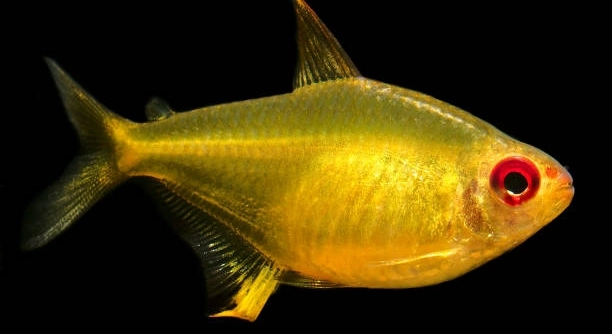
Do you ever notice your lemon tetras swimming less actively than usual or seeming less vibrant than before? Many fish owners may overlook early signs of malnutrition, which can quietly affect their health and overall well-being in the aquarium.
Lemon tetra malnutrition typically presents through subtle physical and behavioral changes. These may include faded coloration, stunted growth, fin deterioration, reduced appetite, lethargy, weakened immunity, and abnormal swimming patterns. Early recognition allows for timely dietary adjustments to prevent severe health issues.
Observing these small changes can help you take action quickly and improve your fish’s quality of life before more serious problems arise.
Faded Coloration
When lemon tetras do not get enough nutrients, their bright yellow bodies can start to look dull or washed out. I noticed that my fish, which used to shine vibrantly under the aquarium light, began to appear pale and muted over time. This change is often one of the first visible signs of malnutrition. Even if they eat normally, a lack of essential vitamins and minerals can make their scales lose their natural brilliance. Observing their color closely every day can help detect problems early. Stress and water quality can also influence coloration, but consistent dullness often points to dietary deficiencies. Adding a varied diet with high-quality flakes, frozen foods, and occasional live feed can help restore their natural brightness. Monitoring color over weeks can reveal if the diet is effective or if adjustments are needed. Quick action can prevent long-term health impacts and keep your lemon tetras looking lively and healthy.
Maintaining bright coloration is a clear indicator of health and proper nutrition in lemon tetras.
Pale or faded scales are more than cosmetic—they can indicate underlying health problems. Nutritional deficiencies affect pigment production, weaken the immune system, and reduce energy levels. Over time, fish may become more prone to disease or slower to recover from stress. By observing coloration closely, you can catch deficiencies before they become severe. A varied diet including vitamins, proteins, and minerals is key to restoring and maintaining their natural color. Feeding multiple small portions throughout the day helps ensure consistent nutrient absorption. Additionally, pairing a good diet with stable water conditions supports overall health. Restoring vibrant color can take time, but with careful monitoring and proper feeding, lemon tetras can regain their natural brightness and maintain energy levels.
Stunted Growth
Lemon tetras that do not get adequate nutrition may stop growing at a normal rate.
Growth depends heavily on protein, vitamins, and minerals. Without these, fish may remain smaller than expected and appear weaker than their peers. Inadequate growth can signal long-term nutritional issues and should be addressed quickly.
Observing growth patterns helps detect subtle deficiencies. Comparing fish of similar age can reveal if one or more are not developing properly. A balanced diet rich in protein, including high-quality flakes, pellets, and occasional frozen or live foods, can support normal growth. Nutrients like calcium, phosphorus, and vitamins A, D, and E play important roles in skeletal development and overall health. Beyond diet, water quality and temperature can influence growth. Ensuring a stable environment with proper filtration and regular water changes enhances nutrient uptake and promotes healthy development. Early intervention is critical, as prolonged nutrient deficiencies can permanently stunt growth and reduce lifespan. Regular observation and consistent feeding practices help maintain healthy, thriving lemon tetras that grow at a proper rate.
Fin Deterioration
Fin deterioration often starts subtly, with edges looking frayed or slightly torn. Poor nutrition weakens tissue repair, making fins more prone to damage. Over time, this can lead to significant fraying or even fin rot if not addressed promptly.
Insufficient proteins and vitamins compromise fin strength. I noticed my lemon tetras’ fins becoming ragged despite clean water and minimal stress. Adding high-protein foods like brine shrimp and supplementing with vitamin-rich flakes helped improve regrowth. Healthy fins are a sign of overall well-being, so monitoring changes closely is important. Avoid overcrowding and maintain water quality to support recovery and prevent infections.
Persistent fin issues can signal long-term dietary gaps. Even minor tears may worsen if nutrition remains inadequate, affecting swimming and social behavior. Consistent feeding with varied, nutrient-rich options helps restore fin health. Combining proper diet with stable water parameters enhances tissue regeneration. Over a few weeks, proper nutrition can noticeably improve fin condition, returning them to a smooth, vibrant state. Observing fin edges regularly allows early detection and timely correction, preventing permanent damage and supporting the fish’s mobility.
Reduced Appetite
Reduced appetite can occur when fish lack essential nutrients. They may ignore food or eat much less than usual, which quickly worsens malnutrition.
In my experience, lemon tetras sometimes refused their favorite flakes when their diet was unbalanced. Offering a variety of foods, including frozen or live options, helped reignite interest. Appetite loss often correlates with lethargy and dull coloration, so observing feeding behavior is a key indicator.
Appetite reduction is not always immediate but can develop gradually. Fish may nibble instead of consuming full portions, indicating deficiencies in proteins, fats, or vitamins. A consistent, balanced feeding routine improves interest in food and nutrient intake. Water conditions also affect feeding behavior, so ensuring stable temperature and cleanliness supports recovery. Over time, reintroducing nutrient-dense foods restores normal eating habits. Careful observation during feeding times helps detect problems early, allowing adjustments to diet and environment before health deteriorates further.
Lethargy
Lethargy is a common sign of malnutrition. Fish may hover near the bottom or move slowly, lacking their usual energy. It can indicate that their diet is missing essential nutrients needed for activity and overall health.
I noticed my lemon tetras resting more than usual, even during feeding times. Providing high-quality flakes, frozen foods, and occasional live feed gradually restored their energy levels. Lethargy often accompanies other signs like faded coloration or reduced appetite, making it easier to spot when several symptoms appear together.
Weak Immunity
Malnourished lemon tetras often have weaker immune systems. This makes them more susceptible to infections, fin rot, and other illnesses that a healthy fish might resist. Over time, repeated sickness can reduce lifespan and affect their overall vitality in the tank.
Abnormal Swimming Patterns
Fish may swim erratically, tilt sideways, or struggle to maintain position when undernourished. This behavior is linked to energy deficits and muscle weakness caused by nutrient shortages. Observing swimming closely helps identify underlying health issues.
How can I tell if my lemon tetra is malnourished?
Malnutrition in lemon tetras can be subtle at first. Watch for faded coloration, frayed fins, reduced appetite, slow movement, or stunted growth. If multiple symptoms appear together, it is likely your fish is not getting a balanced diet. I noticed mine losing vibrancy and energy, which improved after adjusting their food.
What foods help prevent malnutrition in lemon tetras?
A balanced diet is essential. High-quality flakes or pellets designed for small tropical fish provide a baseline of nutrients. Supplementing with frozen or live foods like brine shrimp, daphnia, and bloodworms adds protein and vitamins. Occasionally offering vegetable matter, like spirulina or blanched greens, ensures they receive necessary minerals. Feeding smaller portions multiple times a day can improve nutrient absorption and prevent overeating. I found rotating foods keeps my fish active and healthy, maintaining their natural color and energy levels.
How often should I feed my lemon tetras?
Feeding two to three times daily in small portions works best. Overfeeding can pollute the water and stress the fish, while underfeeding leads to malnutrition. Observing how quickly they consume their food helps determine the right amount. For my tank, I give just enough flakes to be eaten within two minutes, then supplement with a small portion of frozen food a few hours later. Consistency in feeding times also supports digestive health and keeps them energetic.
Can water quality affect signs of malnutrition?
Yes, poor water quality can worsen symptoms or mimic malnutrition. Ammonia, nitrite, and nitrate spikes stress fish and reduce appetite. Even a well-fed tetra may appear weak or pale if water conditions are unstable. I keep a regular schedule of partial water changes and monitor parameters weekly, which improves overall health and makes dietary improvements more effective. Clean water also supports fin regeneration, energy levels, and swimming behavior.
How long does it take for a malnourished lemon tetra to recover?
Recovery depends on severity and diet changes. Mild deficiencies may improve in a few weeks with proper feeding, while severe malnutrition may require months of careful care. I noticed color returning gradually and swimming patterns normalizing after consistent high-quality food and supplements. Patience is important, as overfeeding to speed recovery can cause other health problems. Regular observation ensures progress, and adjustments to diet can prevent setbacks.
Should I use supplements for my lemon tetras?
Supplements can help fill nutrient gaps, especially vitamins A, D, E, and trace minerals. Liquid vitamins or fortified flakes are effective options. I occasionally add a vitamin solution to the tank during periods of slow growth or pale coloration. Overuse, however, can be harmful, so careful dosing according to instructions is critical. Supplements work best alongside a varied, protein-rich diet rather than as a primary food source.
Can stress make malnutrition worse?
Yes, stress from overcrowding, aggressive tank mates, or sudden environmental changes can reduce appetite and nutrient absorption. I noticed my tetras became lethargic and lost color when tankmates were aggressive. Reducing stress through proper tank size, compatible species, and stable conditions helps improve feeding behavior and supports recovery. Low stress also strengthens immunity, making nutrient uptake more effective.
What are the long-term effects of malnutrition?
Chronic malnutrition can stunt growth, reduce lifespan, weaken the immune system, and permanently damage fins and coloration. Fish may also develop abnormal swimming behaviors or become more susceptible to disease. I learned that early detection and consistent care prevent lasting damage and keep my tetras active, vibrant, and healthy for years.
Is it safe to mix live and frozen foods with flakes?
Yes, combining food types provides variety and complete nutrition. Flakes deliver essential vitamins, frozen foods provide protein, and live foods encourage natural hunting behavior. I rotate meals to keep my lemon tetras engaged and healthy. This approach helps prevent selective feeding and ensures each fish receives sufficient nutrients.
How do I monitor improvement after dietary changes?
Observe coloration, appetite, energy, and swimming patterns over several weeks. Gradual improvements indicate that the diet is effective. In my experience, keeping a simple log of feeding and behavior helped track progress. Patience and consistency are key, as sudden changes are rare. Adjusting portions or food types may be necessary if progress stalls.
This FAQ section provides practical, experience-based guidance to identify, prevent, and correct malnutrition in lemon tetras, ensuring their health and longevity.
Proper nutrition is essential for lemon tetras to thrive and stay healthy. These small, bright fish rely on a balanced diet to maintain their coloration, energy levels, and overall well-being. Observing your fish regularly can help you notice early signs of malnutrition before problems become serious. Simple changes in diet, like offering a mix of high-quality flakes, frozen foods, and occasional live feed, can make a big difference. I have found that keeping meals varied keeps my tetras interested in food while providing essential vitamins, minerals, and proteins. Feeding smaller portions multiple times a day ensures that each fish gets enough to eat without polluting the tank or causing overeating. Paying attention to their behavior, appetite, and appearance can provide clear indicators of their health status. Even small changes, like duller coloration or slower swimming, can signal that it’s time to adjust their diet or check water quality.
Maintaining water quality is just as important as providing good nutrition. Poor water conditions can stress fish and worsen the effects of a subpar diet. Ammonia, nitrites, and nitrates should be checked regularly, and partial water changes help keep the tank stable. I have seen lemon tetras respond positively to both improved diet and cleaner water. Fins recover faster, coloration brightens, and energy levels return when the environment is stable and safe. Overcrowding or aggressive tank mates can also add stress, reducing appetite and making it harder for fish to absorb nutrients. By monitoring their tank environment, you can support recovery and help prevent malnutrition from recurring. Keeping the tank consistent, with appropriate temperature and filtration, creates the conditions your fish need to fully benefit from a balanced diet. Small adjustments in routine care can prevent long-term health issues and support a lively, active community of fish.
Early detection and consistent care are key to preventing serious health problems. Malnutrition can lead to stunted growth, weakened immunity, and abnormal swimming patterns if ignored for too long. I have noticed that by observing subtle signs like frayed fins, faded coloration, or decreased appetite, it’s possible to intervene before permanent damage occurs. Recovery may take time, but a patient, structured approach with nutrient-rich food, regular monitoring, and stable water conditions can restore health. Supplements may be useful in certain situations, but they should complement a varied diet rather than replace it. The overall goal is to maintain a balance where lemon tetras are energetic, vibrant, and resilient. By staying attentive and providing the right combination of nutrition and environment, you can ensure your fish live a long, healthy life, with minimal health concerns and maximum enjoyment in your aquarium.

Hello,
If you enjoy the content that we create, please consider saying a "Thank You!" by leaving a tip.
Every little bit helps us continue crafting quality advice that supports the health, happiness, and well-being of pets around the world, for pets of all shapes, sizes, and species.
We really appreciate the kindness and support that you show us!