
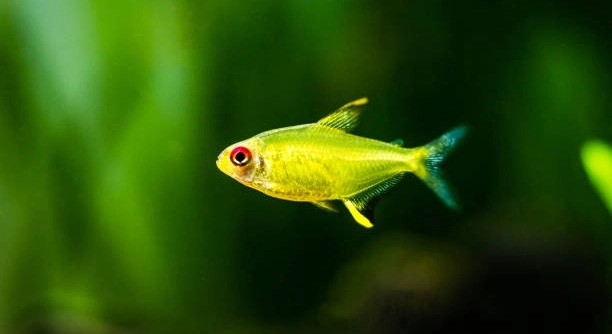
Do you ever notice your lemon tetras swimming together and wonder if they truly recognize each other over time? Their small size and bright colors make them charming companions, and many aquarists wonder about their social memory.
Lemon tetras can remember tankmates for a certain period, recognizing familiar fish through visual and chemical cues. This memory allows them to establish social hierarchies, reduce aggression, and maintain stable group dynamics within a shared aquarium environment.
Understanding how these fish interact can help maintain a peaceful tank and support their overall well-being in home aquariums.
How Lemon Tetras Recognize Tankmates
Lemon tetras use both sight and smell to recognize their tankmates. They notice differences in shape, size, and color patterns, which help them distinguish familiar fish from new ones. Chemical cues in the water also play a role, letting them detect who belongs in their group. Social bonds form over time as fish remember each other’s presence and behavior. This memory reduces stress and aggression in the aquarium, allowing the school to swim together peacefully. Watching them interact, you can see certain fish staying closer to familiar companions while avoiding those they don’t recognize. In a well-maintained tank, these recognition patterns contribute to a calmer, more stable environment. The process is subtle but important, and it demonstrates that even small fish like lemon tetras have more complex social behaviors than many might expect.
These recognition abilities are stronger when fish are kept together from a young age, creating lasting social bonds.
Familiarity also helps with feeding routines and hierarchy. Lemon tetras will follow known companions to food sources, reducing conflicts. Over time, they develop a sense of routine and comfort with their neighbors, making tank management easier for aquarists. Watching these patterns emerge can be surprisingly rewarding, showing that small changes in the tank environment can significantly affect their social behavior.
Factors That Affect Memory
Tank size and layout influence how well lemon tetras remember their tankmates.
Water quality, stress levels, and the presence of hiding spots all impact memory retention. Fish under constant stress may struggle to recognize companions. Similarly, overcrowding can disrupt social bonds and lead to confusion. Tanks with adequate space, stable conditions, and environmental enrichment allow lemon tetras to maintain their social networks effectively. Observing your fish in a calm, well-kept tank helps reinforce these bonds and ensures a harmonious group dynamic.
Memory in lemon tetras is linked to consistent routines and interactions. Regular feeding schedules and minimal changes in the tank environment help them recognize and remember each other. Fish that are introduced slowly to new companions are more likely to form lasting recognition patterns, while sudden introductions can lead to temporary confusion or minor aggression. In addition, health plays a significant role. Sick or stressed fish may temporarily lose social awareness, affecting memory and interactions. Understanding these factors allows aquarists to create a stable environment where lemon tetras can thrive socially. With patience and attention, it is possible to observe strong social bonds and consistent recognition among tankmates over months, highlighting the importance of environment and care in shaping their behavior.
Training Lemon Tetras to Recognize Tankmates
Lemon tetras quickly learn to recognize fish they interact with daily. Consistent routines and stable groupings strengthen memory, while frequent changes can confuse them. Simple activities like feeding together or swimming in small groups help reinforce recognition over time.
Using predictable feeding times and gentle movements around the tank encourages lemon tetras to notice familiar companions. Over weeks, they begin following known fish and forming subtle hierarchies, reducing stress and aggression. Keeping groups consistent and minimizing sudden introductions supports memory retention. Environmental cues, such as plants or rocks, also help them associate familiar companions with safe areas, further strengthening recognition patterns.
Observation is key. Watching how lemon tetras respond to newcomers versus established tankmates gives insight into their social memory. Recognizing familiar fish often results in more coordinated swimming, less chasing, and calmer interactions. Even small changes in the tank, like rearranged decorations, can temporarily disrupt these patterns. Being attentive and gradual with adjustments ensures fish maintain stable recognition and positive social behavior over time.
Challenges in Memory Retention
Stress and overcrowding can reduce a lemon tetra’s ability to remember companions.
High stress, poor water quality, or rapid changes in tank setup can interfere with social memory. Fish may forget familiar companions temporarily, showing aggression or avoidance. Consistent care, proper space, and gradual introductions support memory retention.
Maintaining a peaceful environment is crucial. Overcrowding leads to constant competition, making it hard for lemon tetras to recognize individuals. Similarly, sudden changes in water temperature, decorations, or lighting can confuse them. Ensuring clean water, regular feeding, and adequate hiding spots gives fish a stable routine. Familiar companions in this setting are quickly recognized, while new fish can be introduced slowly to prevent stress. Observing these behaviors allows for better management and a calmer tank, highlighting the link between environment, stress, and memory in lemon tetras.
Signs Lemon Tetras Remember Tankmates
Familiar lemon tetras often swim closer to known companions, showing calmer behavior. They may share spaces, follow each other, or feed together without aggression. New or unfamiliar fish tend to be avoided until recognition forms.
Recognition also appears in play and exploration. Fish may mirror movements or stay in synchronized groups with familiar tankmates, demonstrating memory through social coordination.
Introducing New Fish
Introducing new fish gradually reduces stress and helps lemon tetras maintain recognition of existing tankmates. Using a divider or acclimation period allows both groups to adjust without conflict.
The Role of Environment
Stable water conditions and consistent tank setup reinforce memory. Lemon tetras use familiar landmarks to navigate and recognize companions, making environmental consistency essential.
Social Hierarchy and Memory
Lemon tetras remember which fish are dominant or submissive. This understanding reduces unnecessary aggression and supports a balanced group dynamic in the aquarium.
FAQ
How long can lemon tetras remember their tankmates?
Lemon tetras can remember familiar tankmates for several weeks to months, depending on their environment and stress levels. Memory is reinforced when fish interact regularly and live in stable groups. Disruptions like frequent introductions or sudden changes in the tank may temporarily affect recognition.
Can lemon tetras recognize new fish immediately?
No, they usually take time to assess new tankmates. Initial interactions may involve cautious swimming, avoidance, or minor chasing. Over days or weeks, they gradually recognize and accept new fish if the environment remains calm and consistent.
Does tank size affect memory?
Yes, larger tanks can make it harder for fish to remember each other because space reduces frequent interactions. Smaller, well-structured tanks allow lemon tetras to see and interact with companions more often, which strengthens recognition and social bonds.
Do lemon tetras remember fish after being separated?
They may partially remember tankmates if separated for short periods. Long separations can weaken recognition, and fish often need a short adjustment period upon reintroduction. Consistent chemical and visual cues help rebuild memory faster.
Can stress affect their ability to remember?
Yes, stress has a significant impact on memory. Poor water quality, overcrowding, sudden temperature changes, or aggressive companions can impair recognition. Keeping conditions stable reduces stress and allows lemon tetras to maintain social memory effectively.
How do lemon tetras show recognition?
Recognized tankmates are often followed, approached, or swum alongside in coordinated patterns. Familiar fish may share hiding spots and feed together calmly. Avoidance or chasing usually signals unfamiliarity or disrupted recognition, especially in new or stressful environments.
Does age influence memory?
Younger lemon tetras may take longer to recognize companions, while adult fish usually form quicker and more consistent recognition patterns. Older fish with longer exposure to stable groups generally show stronger social memory and predictable interactions.
Can tank decorations affect recognition?
Yes, rearranging plants, rocks, or hiding spots can confuse fish temporarily. Lemon tetras use landmarks to associate with companions and feel safe. Gradual changes help maintain recognition and reduce stress, keeping their social patterns intact.
How should new fish be introduced?
Introduce new fish slowly using a divider or acclimation method. Allow lemon tetras to see and smell newcomers without direct contact first. Gradual exposure encourages acceptance while preventing stress and aggression, helping both new and established fish adjust.
Do lemon tetras remember individual behaviors?
Yes, they often recognize dominant or submissive behaviors. Fish remember who chases, follows, or avoids, which helps maintain a balanced hierarchy. This understanding reduces unnecessary conflicts and keeps the group stable in daily interactions.
Can diet influence recognition?
Indirectly, yes. Consistent feeding routines help reinforce social memory. Fish following known companions to food sources show recognition, while irregular feeding or competition can increase stress and temporarily disrupt memory.
How can I strengthen recognition in my tank?
Keep stable water conditions, consistent groupings, and predictable feeding schedules. Minimize sudden changes, overcrowding, and stress. Observing interactions and gradually introducing new tankmates helps lemon tetras form long-lasting social bonds, reinforcing memory over weeks and months.
Are there signs that recognition is failing?
Frequent chasing, unexplained aggression, or avoidance of previously familiar fish indicate disrupted recognition. Stress, illness, or environmental changes are often the cause. Addressing these factors restores social memory and reduces tension within the tank.
Does chemical signaling help memory?
Yes, chemical cues in the water allow lemon tetras to identify familiar companions. These signals help maintain recognition even when visual contact is limited, supporting calmer group interactions and coordinated behaviors over time.
Can memory fade over time?
If fish are isolated or the tank environment changes drastically, memory can fade. Reintroducing companions gradually and providing consistent environmental cues can rebuild recognition, allowing lemon tetras to reestablish their social hierarchy and bonds.
Do lemon tetras remember other species?
They may recognize other species in the tank but are less likely to form strong social bonds. Recognition is usually limited to familiar interactions that affect feeding, swimming, or territorial behavior rather than social memory seen with their own species.
What is the best way to observe recognition?
Watch interactions during feeding and swimming. Familiar tankmates swim together calmly, share spaces, and show synchronized movements. New or unfamiliar fish may be avoided or chased. Gradual observations reveal subtle recognition patterns and indicate the health of social bonds.
How does water temperature affect memory?
Stable temperatures support recognition. Sudden changes can stress fish, reduce memory retention, and temporarily disrupt social behavior. Keeping consistent conditions helps lemon tetras maintain familiarity with companions and reduces aggression or confusion in the tank.
Can illness impact recognition?
Yes, sick fish may temporarily forget companions or behave differently. Isolation, weakened immune systems, and stress affect memory. Once recovered, social memory usually returns, though careful reintroduction may be necessary to restore group harmony.
Are group size and composition important?
Maintaining a proper group size ensures lemon tetras interact frequently enough to remember each other. Small groups strengthen recognition, while overcrowding or mismatched sizes can increase stress and reduce memory accuracy. Consistent group composition is key to stable social behavior.
Lemon tetras are small fish, but they have surprisingly complex social behaviors. They can remember their tankmates and respond differently to familiar versus unfamiliar fish. This memory is supported by visual recognition, chemical signals in the water, and consistent interactions over time. When they know each other, they swim together more calmly, share spaces, and feed without unnecessary chasing or competition. Observing these patterns shows that even tiny fish rely on memory to maintain social balance and reduce stress in their group. Their ability to recognize companions demonstrates that creating a stable environment is important for their well-being.
Memory in lemon tetras is not permanent, and it can be influenced by several factors. Stress from poor water quality, overcrowding, sudden changes, or illness can temporarily disrupt recognition. Environmental stability, predictable routines, and gradual introductions of new fish help strengthen memory and maintain harmony in the tank. Tank decorations, hiding spots, and familiar landmarks also play a role, providing cues that help fish recognize each other and navigate the environment safely. By paying attention to these details, aquarists can support strong social bonds and minimize aggression among their fish.
Understanding lemon tetras’ memory can improve the care you provide in your aquarium. Consistent routines, stable water conditions, proper group sizes, and slow introductions of new companions all help maintain their social memory. Watching their interactions can be rewarding, as you can see which fish are comfortable with each other and how recognition affects their daily behavior. Over time, familiar fish develop patterns of cooperation, following each other, sharing spaces, and forming a hierarchy that reduces conflict. Paying attention to these behaviors allows you to create a healthier, calmer, and more predictable tank environment for lemon tetras to thrive.

Hello,
If you enjoy the content that we create, please consider saying a "Thank You!" by leaving a tip.
Every little bit helps us continue crafting quality advice that supports the health, happiness, and well-being of pets around the world, for pets of all shapes, sizes, and species.
We really appreciate the kindness and support that you show us!