
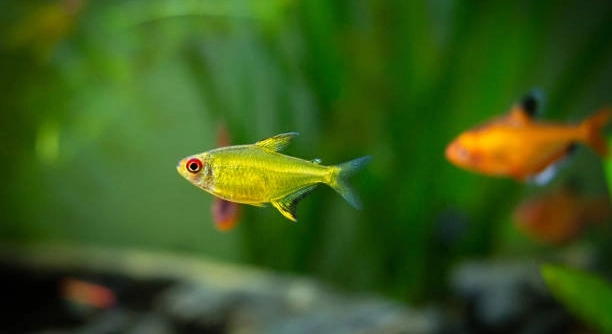
Lemon tetras are small, brightly colored fish that bring life to any freshwater aquarium. Many owners notice that these fish often hide during the day, staying near plants or decorations instead of swimming freely.
Lemon tetras hide during daylight hours primarily due to instinctual behavior. They seek shelter to avoid predators, reduce stress from bright lighting, and maintain a sense of security in their environment, which helps regulate their natural activity patterns.
Observing their hiding habits can provide insight into their comfort and overall well-being, making it easier to create a safe and enjoyable aquarium environment for them.
Common Reasons Lemon Tetras Hide
Lemon tetras often hide due to environmental stressors. Bright lighting can make them feel exposed, as their natural habitat is shaded by plants. They may also hide if water quality is poor or if tank conditions fluctuate, including temperature, pH, or hardness. Overstocked tanks can increase stress, causing more frequent hiding. Even minor disturbances, such as sudden movement near the tank or frequent rearrangement of decorations, can trigger their instinct to seek shelter. Providing hiding spots like plants, caves, or driftwood allows lemon tetras to feel secure while still swimming comfortably when they feel safe. Maintaining consistent feeding times and a stable environment helps them gradually become more visible. Observing their behavior over time will indicate whether they are adjusting well or if changes are needed to reduce stress and promote natural activity.
Lemon tetras are naturally cautious and will retreat when they feel unsafe, even without obvious threats.
Creating a well-structured tank with consistent care and proper décor encourages them to emerge, swim actively, and display their natural colors. Regular water testing and stable conditions ensure they remain healthy, while hiding spots provide a sense of security that reduces stress. Over time, tetras learn to explore more openly when they feel protected, which improves their overall activity and interaction in the aquarium. Attention to tank layout and gradual environmental adjustments can make a noticeable difference in their confidence and visibility.
How Tank Setup Affects Hiding
Tank design strongly influences how often lemon tetras hide. Dense plants, caves, and shaded areas provide security, whereas open spaces can make them retreat more frequently.
Proper tank setup requires balance. Lemon tetras thrive in tanks with moderate plant density, gentle lighting, and consistent water conditions. Open swimming areas should coexist with places to hide, allowing tetras to explore when comfortable. Avoid overcrowding and maintain stable temperature and pH levels. Decorations should be arranged to create natural paths and cover without blocking swimming areas completely. Gentle water flow and low-stress companions encourage tetras to be active. Observing their habits helps refine tank arrangement. Gradual changes to décor or lighting prevent sudden stress responses, allowing tetras to adjust naturally. By combining shelter, open space, and stable conditions, tetras feel secure yet engaged, reducing constant hiding behavior and promoting healthy, visible activity throughout the day.
Feeding and Hiding Behavior
Lemon tetras may hide before or after feeding. Sudden movements or unfamiliar food can make them cautious. Providing consistent feeding routines helps reduce anxiety and encourages them to swim more openly during and after meals.
Feeding behavior is closely linked to comfort levels. If tetras feel unsafe, they may retreat to plants or decorations until they are certain the environment is secure. Using small, frequent feedings with a mix of flake and live or frozen foods can keep them active and reduce hiding. Overfeeding should be avoided, as leftover food can deteriorate water quality, increasing stress and promoting more hiding behavior. Monitoring their feeding patterns provides insight into their confidence and overall health.
Some tetras take longer to acclimate to new foods or tankmates. Gradual introductions, gentle handling, and maintaining clean water can help them feel safe enough to feed openly. Observing how quickly they emerge during feeding can indicate whether adjustments to diet, tank layout, or companions are needed. Stable conditions and patience allow tetras to develop regular activity patterns and reduce prolonged hiding periods, improving their visible presence in the aquarium.
Light and Hiding Patterns
Lighting intensity greatly affects lemon tetras. Bright lights can make them retreat, while dimmer, diffused lighting encourages exploration and natural behavior.
Adjusting light gradually is key. Tetras are sensitive to sudden brightness changes, which can trigger hiding. Using floating plants or shaded areas helps diffuse light while keeping parts of the tank visible. Simulating natural day-night cycles supports their biological rhythm, allowing them to be active during appropriate periods. Observing their response to light changes helps determine optimal intensity and placement. Combining gentle lighting with consistent tank conditions ensures tetras feel secure and encourages them to swim openly.
Proper light management works alongside other factors like tank layout and water quality. When light is too harsh, tetras may spend most of the day in shelters, limiting exercise and natural interaction. Incorporating shaded regions, moderate intensity, and gradual transitions between light and dark reduces stress and hiding tendencies. Consistency in lighting, paired with stable temperature and compatible tankmates, allows lemon tetras to balance caution with exploration, resulting in a healthier, more visually active aquarium environment.
Stress and Tank Mates
Aggressive or overly active tank mates can cause lemon tetras to hide frequently. Keeping them with peaceful, similar-sized fish reduces stress and promotes visible activity.
Even subtle chasing or competition can trigger hiding behavior. Monitoring interactions and rearranging tank décor to provide escape routes helps tetras feel safe.
Water Quality Concerns
Poor water conditions, including high ammonia, nitrite, or fluctuating pH levels, directly impact lemon tetra behavior. Maintaining regular water changes and testing ensures a stable, healthy environment, encouraging them to swim openly rather than hide.
Temperature Sensitivity
Lemon tetras are sensitive to water temperature. Sudden drops or rises can make them retreat. Keeping water consistently between 72–78°F supports activity and reduces stress.
Why does my lemon tetra hide all day?
Lemon tetras hide most of the day when they feel unsafe or stressed. Bright lights, sudden movements, or loud noises can trigger hiding. Poor water quality or sudden changes in temperature and pH also make them retreat. Providing plenty of plants, caves, and shaded areas gives them a sense of security, allowing them to feel comfortable and gradually emerge more often. Consistent feeding and calm surroundings reduce stress and help them adjust.
Is it normal for lemon tetras to hide in a new tank?
Yes, it is normal for lemon tetras to hide when introduced to a new tank. New surroundings are unfamiliar and can be intimidating. Hiding helps them feel protected while they assess the environment. Over time, with stable water conditions, consistent feeding, and safe hiding spots, they begin to explore and become more visible. Patience is key during this adjustment period. Avoid frequent disturbances to help them acclimate.
How can I make my lemon tetras feel safer?
Providing plants, driftwood, and caves creates safe zones where tetras can hide when they feel threatened. Gentle lighting, stable water parameters, and avoiding aggressive tank mates also improve their sense of security. Small, frequent feedings and a calm environment encourage them to be more active and reduce hiding behavior. Observing their habits will help identify areas that need adjustment.
Do tank mates affect hiding behavior?
Yes, tank mates can significantly influence hiding. Aggressive or overly active fish make lemon tetras feel threatened, increasing retreat behavior. Keeping them with peaceful, similar-sized species reduces stress. Rearranging décor to create escape routes and hiding spots helps them feel safe while still maintaining visibility for natural swimming behavior.
Can lighting make lemon tetras hide more?
Bright or direct lighting can cause lemon tetras to retreat into shaded areas. They prefer moderate, diffused light similar to their natural habitat. Using floating plants or shaded decorations helps diffuse light and reduces stress. Gradually adjusting lighting intensity and simulating natural day-night cycles supports their normal activity patterns. Proper lighting combined with a balanced tank layout encourages them to explore openly.
How does water quality affect hiding?
Poor water quality directly impacts behavior. High levels of ammonia, nitrite, or unstable pH can stress lemon tetras, making them hide more often. Regular water testing and consistent water changes maintain a healthy environment. Clean, stable conditions allow them to feel secure, swim actively, and reduce prolonged hiding. Observing water parameters can help identify causes of retreat behavior.
Does feeding schedule influence hiding?
Lemon tetras respond to feeding routines. Irregular feeding or sudden introduction of unfamiliar food may cause hiding. Small, frequent feedings with a mix of flake, frozen, or live foods encourage them to swim and eat openly. Monitoring their response during feeding times helps assess comfort levels and adjust routines to reduce hiding behavior.
Can stress from sudden changes make them hide?
Yes, sudden changes in temperature, pH, or tank décor can trigger hiding. Lemon tetras are sensitive to environmental shifts. Gradual changes, stable water conditions, and a calm environment help them adjust naturally. Stress-free conditions combined with hiding spots encourage confidence and activity, reducing excessive retreating during the day.
How long will lemon tetras hide before adjusting?
Adjustment time varies. Some tetras emerge within a few days, while others take weeks. Consistent care, stable conditions, and safe hiding spaces accelerate acclimation. Avoid frequent disturbances and monitor water quality. Gradual improvements in their behavior indicate they are becoming more comfortable and confident in their environment.
Are there signs that hiding is unhealthy?
Excessive hiding, lethargy, loss of appetite, or abnormal swimming may indicate health issues or extreme stress. Testing water parameters, checking tank mates, and observing for disease signs is essential. Promptly addressing these factors ensures lemon tetras remain healthy while maintaining their natural hiding instincts.
Lemon tetras are naturally cautious fish, and hiding is a normal part of their behavior. Throughout the day, they retreat to plants, caves, or shaded areas to feel safe and protected. This instinct comes from their wild environment, where staying out of sight helps avoid predators. In a home aquarium, even without actual threats, lemon tetras continue to follow these natural habits. Providing a tank that mimics their natural habitat, with plenty of hiding spots and gentle lighting, allows them to feel secure. Over time, this makes them more likely to explore the open areas of the tank and display their bright colors. Understanding that hiding is not necessarily a problem but rather a sign of their comfort levels helps aquarium owners maintain a supportive environment without unnecessary worry.
Maintaining stable water conditions is one of the most important factors in keeping lemon tetras comfortable. Sudden changes in temperature, pH, or hardness can cause stress, prompting more frequent hiding. Regular water testing, consistent temperature, and careful monitoring of water quality help ensure a healthy environment. Overcrowding or the presence of aggressive tank mates can also increase stress and hiding behavior. Choosing peaceful fish companions of similar size and temperament reduces competition and promotes visible activity. Arranging plants, driftwood, and decorations to create safe areas while leaving open swimming space provides balance, encouraging tetras to feel confident enough to swim in the open. A well-planned tank layout paired with stable conditions supports their natural behavior and overall health.
Feeding routines and environmental consistency also play a key role in reducing hiding. Lemon tetras respond positively to regular feeding schedules, small and frequent meals, and familiar food types. Sudden changes in diet or unexpected disturbances can trigger retreating behavior. Gentle lighting and a calm environment allow them to feel secure and active, while hiding spots give them control over when they choose to venture out. Observing their daily patterns, adjusting lighting, décor, and feeding routines gradually, and ensuring water quality remains consistent helps them develop confidence in their surroundings. By understanding their natural instincts and providing a safe, stable, and comfortable tank environment, owners can enjoy the beauty and activity of lemon tetras while respecting their need for occasional privacy and security.

Hello,
If you enjoy the content that we create, please consider saying a "Thank You!" by leaving a tip.
Every little bit helps us continue crafting quality advice that supports the health, happiness, and well-being of pets around the world, for pets of all shapes, sizes, and species.
We really appreciate the kindness and support that you show us!