
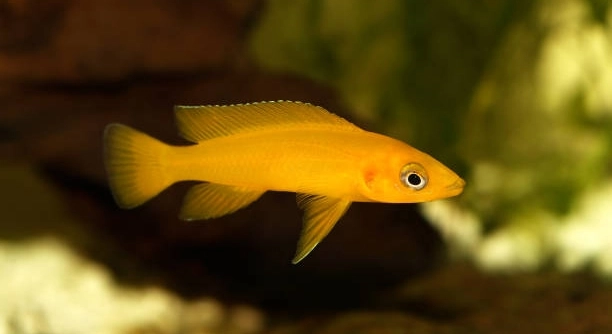
Do you love keeping lemon tetras but find your tank feels artificial and plain? Many aquarists notice their tanks lack natural appeal, which can affect both the fish’s behavior and the overall aesthetic of the aquarium environment.
Creating a more natural lemon tetra tank involves replicating their native South American habitat. This can be achieved by incorporating live plants, driftwood, smooth substrate, and gentle water flow to simulate rivers and streams. Such changes enhance fish well-being and visual appeal.
Understanding these elements will help you transform your tank into a lively, balanced environment where your lemon tetras can thrive naturally.
Choosing the Right Plants for Your Lemon Tetra Tank
Adding plants is one of the simplest ways to make your lemon tetra tank feel natural. Live plants provide hiding spots, reduce stress, and improve water quality by absorbing nitrates. Some good options include Java fern, Anubias, and Amazon sword, which thrive in similar water conditions. Tall plants in the back and mid-sized plants in the middle create depth, while low-growing foreground plants like dwarf hairgrass give a more layered look. Floating plants, such as duckweed, can diffuse light and mimic a natural river canopy. Position plants so fish have space to swim freely. Avoid overcrowding, which can limit movement and oxygen levels. Consider plant maintenance too; trimming dead leaves and monitoring growth helps prevent decay and water issues. Proper lighting, moderate fertilization, and occasional CO₂ supplementation can support healthy growth. With a mix of plants, your tank will closely resemble a South American stream, benefiting both fish and the tank’s appearance.
Plants not only beautify the tank but also create natural behavior patterns for your tetras, making them more active and vibrant.
Maintaining plant health requires consistent attention. Check water parameters regularly, ensure proper lighting cycles, and remove debris promptly. Using substrate suitable for root growth encourages strong plants, while occasional pruning prevents overcrowding. Live plants interact with fish by providing shade, hiding areas, and surfaces for exploring. They reduce algae growth by competing for nutrients, helping the tank remain clean. Selecting hardy, low-maintenance plants can simplify care while keeping the environment appealing. Proper plant placement enhances the visual flow of the tank, creating a balanced natural scene. Over time, plants grow and fill empty spaces, giving your lemon tetras a dynamic habitat. Observing fish interact with plants can reveal their health and comfort levels. Integrating plants carefully ensures your tank is both functional and aesthetically pleasing.
Incorporating Driftwood and Natural Decorations
Driftwood provides structure and enhances natural aesthetics. Its tannins slightly tint the water, replicating river conditions.
Driftwood creates hiding spaces and resting areas, giving tetras a more comfortable environment. Using pieces that fit your tank size prevents overcrowding.
Select smooth, aquarium-safe driftwood to avoid sharp edges. Pre-soak wood to reduce excess tannins that might overly darken the water. Combine driftwood with rocks or leaf litter to mimic riverbeds. Avoid treated or painted wood, which can release toxins. Arrange pieces to allow swimming corridors while providing secluded areas. Leaf litter, like Indian almond leaves, adds subtle color, encourages natural foraging, and releases beneficial compounds. Over time, driftwood develops a natural biofilm, which tetras may nibble, offering minor nutrition. Proper placement ensures the tank feels open yet structured. Regular cleaning prevents decay from affecting water quality. A combination of driftwood, rocks, and leaves creates a visually appealing, functional environment that mirrors the tetras’ natural habitat and supports their overall well-being.
Substrate and Tank Layout
A natural substrate supports plant roots and mimics riverbeds. Fine gravel or sand works best, allowing lemon tetras to explore without injury. Varying heights and small slopes create a more dynamic environment that feels realistic and comfortable.
Choosing the right substrate is essential for both plants and fish. Sand or fine gravel provides a stable base for rooting plants while allowing debris to settle naturally. Layering substrates with nutrient-rich soil underneath encourages plant growth. Avoid sharp or rough materials that can harm delicate tetras. Adding small rocks or pebbles can break monotony and provide additional hiding spots. The layout should balance open swimming areas with structured zones. Creating gentle slopes or small mounds makes the tank visually appealing and simulates natural river terrain.
Arranging substrate with gradual slopes and areas for plants enhances movement and exploration. Open spaces allow schools of tetras to swim freely, while structured zones offer safety. Using contrasting textures and subtle layering adds depth and interest. Avoid uniform flat surfaces, as variation encourages natural behavior. Mixing sand and fine gravel can create small trails and resting areas. Placement should complement driftwood and plants, forming a cohesive ecosystem. Over time, plants and fish interaction will adjust substrate appearance, maintaining a dynamic yet natural setting that supports healthy fish activity and growth.
Lighting and Water Conditions
Proper lighting highlights plants and enhances natural colors of lemon tetras. Moderate light levels mimic shaded river conditions, supporting both fish and plants without encouraging excessive algae.
Maintaining consistent water conditions is critical for a healthy, natural tank. Lemon tetras thrive in slightly acidic to neutral water with temperatures between 72–78°F. Regular monitoring of pH, hardness, and temperature ensures stable conditions, reducing stress and promoting active behavior. Gentle water flow simulates river currents, encouraging natural swimming patterns. Filtration should maintain clarity without creating strong currents. Light cycles of 8–10 hours per day support plant photosynthesis while avoiding overexposure. Adjusting lighting intensity and placement prevents algae overgrowth and highlights plant textures. A balance between light and shade zones provides fish with retreat areas.
Keeping lighting and water stable requires attention to detail. Using a timer maintains consistent light cycles, while gradual changes in temperature prevent shock. Water parameters should be checked weekly, and partial water changes help maintain balance. Soft substrates, plants, and driftwood naturally buffer water, reducing fluctuations. Observing fish behavior can indicate environmental issues; lethargy or discoloration may signal adjustments are needed. Integrating these elements ensures a tank that looks natural, supports healthy plant growth, and allows lemon tetras to display their vibrant colors. Consistent care creates a harmonious and functional aquatic ecosystem.
Adding Leaf Litter and Small Hiding Spots
Leaf litter creates a soft, natural substrate layer and releases beneficial tannins into the water. It also provides areas for tetras to explore, rest, and feel secure, enhancing their overall comfort and reducing stress in the tank.
Small hiding spots like caves or rock crevices offer security and mimic river habitats. Tetras naturally seek cover to feel safe and establish territories. Properly placed decorations allow fish to interact with their environment while maintaining a healthy social dynamic.
Water Movement and Flow
Gentle water movement is essential for mimicking the natural streams lemon tetras inhabit. Moderate currents encourage swimming and reduce stagnant zones. Using a low-flow filter or adjustable powerhead creates subtle circulation without stressing the fish, ensuring oxygenation and promoting natural activity.
Choosing Compatible Tank Mates
Lemon tetras thrive with peaceful, similarly sized fish that share comparable water requirements. Avoid aggressive or overly large species, as they can stress or harm tetras. Selecting compatible tank mates ensures a harmonious community that supports natural behavior, social interaction, and overall well-being.
What is the best substrate for a natural lemon tetra tank?
A fine sand or smooth gravel substrate works best for a natural lemon tetra tank. It allows fish to explore safely and supports plant roots effectively. Mixing nutrient-rich soil beneath the top layer promotes plant growth, while small rocks or pebbles can create natural hiding spots and visual variety. Avoid sharp or rough materials that could injure delicate tetras. Slight slopes or mounds can mimic riverbeds and encourage natural swimming patterns, making the tank more dynamic and visually appealing. Proper substrate selection is essential for both fish health and maintaining a realistic, natural environment.
Which plants are ideal for lemon tetra tanks?
Hardy, low-maintenance plants like Java fern, Anubias, and Amazon sword thrive in conditions suitable for lemon tetras. Floating plants such as duckweed or frogbit diffuse light and create shaded areas, mimicking a river canopy. Low-growing foreground plants like dwarf hairgrass add depth and a layered look, while tall plants in the back provide structure and hiding areas. Proper placement is important: avoid overcrowding to maintain swimming space. Healthy plants improve water quality by absorbing nitrates and encourage natural fish behaviors, providing shelter, shade, and surfaces for exploration or foraging.
How much lighting is recommended for a natural tank?
Moderate lighting of 8–10 hours per day works well for both plants and lemon tetras. Light intensity should support photosynthesis for live plants while avoiding excessive algae growth. Position lights to create zones of light and shade, offering fish areas to retreat when needed. Using a timer ensures consistency and prevents sudden changes that could stress fish or affect plant health. Adjusting light levels depending on plant type and tank size helps maintain balance, and gentle variation encourages a more natural day-night cycle for the fish. Proper lighting enhances colors and overall tank aesthetics.
How can I simulate natural water conditions?
Lemon tetras thrive in slightly acidic to neutral water, with a temperature range between 72–78°F. Gentle water flow replicates the currents of rivers and streams, promoting natural swimming patterns. Regular monitoring of pH, hardness, and temperature helps maintain stability and reduces stress. Partial water changes prevent the buildup of toxins, while driftwood, leaf litter, and soft substrates naturally buffer water parameters. Avoid sudden changes, and ensure filtration provides clarity without creating strong currents. Maintaining consistent conditions encourages active, healthy fish and supports plant growth.
What kind of decorations support a natural environment?
Driftwood, rocks, and leaf litter are ideal for creating a realistic tank environment. Driftwood provides hiding spaces and subtle tannins that replicate river conditions. Smooth rocks and small caves create territories and shelter, while leaf litter adds texture, softens the substrate, and promotes foraging behaviors. Decorations should be arranged to maintain swimming areas while offering safe retreats. Avoid synthetic materials that release toxins or disrupt water chemistry. Over time, biofilms form on driftwood and leaves, giving fish small surfaces to nibble on. Thoughtful placement enhances aesthetics and encourages natural behaviors.
Which tank mates are best for lemon tetras?
Peaceful, small to medium-sized fish that share similar water requirements make ideal companions. Avoid aggressive or much larger species that could intimidate or harm tetras. Good choices include other small tetras, rasboras, and corydoras catfish. Keeping a school of at least six lemon tetras helps reduce stress and supports natural schooling behavior. Proper selection and stocking density ensure a balanced community, allowing all species to thrive while minimizing aggression. Observing interactions regularly can help detect potential issues early and maintain harmony in the tank.
How can I reduce algae growth in a natural tank?
Moderate lighting, live plants, and regular water changes are key to controlling algae. Overfeeding increases nutrient levels, which promotes algae growth, so feed sparingly. Introducing floating plants or mosses can shade surfaces and reduce light exposure. Cleaning decorations and removing debris also helps. Algae-eating species like small snails or otocinclus catfish can assist, but should not replace proper tank maintenance. Balancing light, nutrients, and filtration ensures algae remain under control while maintaining a natural, healthy environment for both plants and fish.
How often should I perform maintenance on a natural tank?
Weekly observation and partial water changes of 20–30% help maintain water quality. Trimming dead plant leaves, cleaning debris from the substrate, and checking filter performance prevent buildup of harmful compounds. Monthly deep cleaning, including rinsing decorations and assessing substrate health, supports plant and fish well-being. Keeping a schedule ensures consistency, reduces stress for the fish, and promotes long-term stability. Regular maintenance encourages a natural-looking tank where plants flourish and lemon tetras exhibit vibrant, healthy behavior.
Can I use driftwood and leaves without affecting water quality?
Yes, but preparation is essential. Pre-soak driftwood to remove excess tannins that could overly darken water. Indian almond leaves and similar natural materials release mild tannins that benefit tetras by lowering pH slightly and adding antimicrobial properties. Monitor water parameters regularly during the initial weeks, and remove decaying material promptly. Properly prepared wood and leaves enhance the tank’s natural appearance while supporting fish health, creating safe hiding spots and encouraging natural behaviors without compromising water quality.
How do I encourage natural behavior in lemon tetras?
A combination of plants, hiding spots, gentle currents, and compatible tank mates encourages natural schooling, foraging, and resting behaviors. Providing open swimming areas alongside structured zones allows tetras to explore safely while retreating when needed. Observing fish interactions helps refine tank layout and decorations, ensuring the environment meets their needs. Maintaining stable water parameters, natural lighting, and live plants also contributes to active, stress-free fish that display bright colors and lively behavior consistently.
This FAQ covers essential aspects of creating a natural lemon tetra tank, from substrate and plants to water conditions and tank mates. Each step supports a healthy, vibrant ecosystem where tetras can thrive.
Creating a natural lemon tetra tank takes some planning, but the results are worth it. Choosing the right substrate, plants, and decorations creates an environment that closely resembles their native habitat. Fine sand or smooth gravel allows fish to explore safely, while plants like Java fern, Anubias, and Amazon sword provide hiding spaces and improve water quality. Adding driftwood and leaf litter enhances the natural look and gives tetras areas to rest and explore. Proper layout, with open swimming spaces and structured zones, ensures that fish have both freedom and security, which reduces stress and encourages healthy behavior.
Lighting and water conditions are equally important. Moderate lighting supports plant growth without encouraging excessive algae, while gentle water flow simulates the currents of rivers and streams. Lemon tetras thrive in slightly acidic to neutral water with temperatures between 72–78°F. Regular monitoring of pH, hardness, and temperature keeps conditions stable and prevents stress. Partial water changes and careful filtration maintain clarity and oxygen levels. A balance between light, shade, and flowing water encourages natural swimming, foraging, and social behaviors, which are essential for the overall well-being of the fish. Properly adjusted lighting and water conditions also enhance the colors of the fish and plants, giving the tank a lively, vibrant appearance.
Maintaining a natural tank requires consistent care, but it can be simplified with routine practices. Weekly observation, trimming dead plant leaves, and cleaning debris help maintain balance and prevent issues. Preparing driftwood and leaves carefully avoids negative impacts on water quality, and selecting peaceful, compatible tank mates ensures a harmonious community. With attention to these details, a natural lemon tetra tank becomes a stable and healthy environment. Over time, plants grow, fish interact naturally, and decorations develop biofilms, creating a dynamic, living ecosystem. This approach not only improves the appearance of the tank but also promotes the long-term health and happiness of lemon tetras, giving them a comfortable habitat that supports their natural behaviors.

Hello,
If you enjoy the content that we create, please consider saying a "Thank You!" by leaving a tip.
Every little bit helps us continue crafting quality advice that supports the health, happiness, and well-being of pets around the world, for pets of all shapes, sizes, and species.
We really appreciate the kindness and support that you show us!