
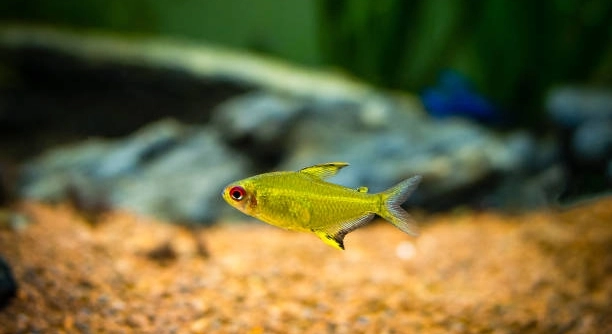
Do you enjoy setting up a new aquarium but find yourself unsure about how to start the cycling process safely? Introducing fish too early can be tricky, especially with delicate species like Lemon Tetra.
Cycling a tank with Lemon Tetra is generally not recommended because these fish are sensitive to water conditions. The proper approach is to establish a stable nitrogen cycle beforehand, ensuring ammonia and nitrite levels remain safe for their health.
Knowing the correct method can prevent stress and illness in your Lemon Tetras, giving you confidence as you build a thriving aquarium environment.
Understanding Tank Cycling
When I first started keeping fish, I underestimated how important cycling was. Tank cycling is the process of establishing beneficial bacteria that convert toxic ammonia into nitrites and then into nitrates. These bacteria are essential because ammonia and nitrites are harmful to fish, even in small amounts. Without a properly cycled tank, introducing Lemon Tetras can lead to stress, illness, or even death. The cycling process usually takes several weeks, and patience is necessary. Many beginners try to speed it up by adding fish too early, but this can backfire. Using test kits to monitor ammonia, nitrite, and nitrate levels helps track progress. Adding a small source of ammonia, such as fish food or pure ammonia, can support bacterial growth. Once ammonia and nitrite consistently read zero, and nitrates are present, the tank is considered cycled and safe for sensitive fish like Lemon Tetras.
Proper cycling ensures a stable environment, reducing risks for delicate fish.
Even a small misstep in cycling can affect water quality for weeks, so taking the time to establish bacteria properly pays off in healthier, longer-lived fish. Careful monitoring and patience during this phase prevent setbacks and make managing the aquarium simpler once fish are introduced. Establishing a strong biological filter early supports all future tank inhabitants and minimizes maintenance stress. Understanding and respecting this step makes the difference between frequent water changes and a balanced, thriving aquarium.
Introducing Lemon Tetras Safely
Lemon Tetras are sensitive to sudden changes in water quality and require a stable environment before being added.
Before adding Lemon Tetras, ensure the tank has been cycled completely. Start by gradually acclimating the fish to the new water conditions. Temperature, pH, and hardness should closely match the store water. Slowly mix small amounts of tank water into the transport container over several hours to reduce stress. Avoid overcrowding, as these small fish prefer swimming space and a peaceful environment. Keep a close eye on their behavior during the first week for signs of stress or illness. Feeding lightly and observing water parameters daily helps maintain stability. Decorations, plants, and hiding spots reduce stress and encourage natural behavior. Maintaining clean filters and regular water testing ensures the tank stays safe. Proper acclimation combined with a cycled tank sets Lemon Tetras up for healthy growth, vibrant colors, and active schooling behavior, allowing you to enjoy a lively, stable aquarium.
Common Mistakes When Cycling With Lemon Tetras
Adding Lemon Tetras too early is a frequent error. Their sensitivity to ammonia and nitrite makes them vulnerable in an uncycled tank, often leading to stress or illness.
Relying solely on partial water changes to manage ammonia is another mistake. While water changes can temporarily reduce toxins, they do not replace a fully established bacterial colony. Many beginners also overcrowd the tank, thinking more fish will speed up cycling, which actually increases ammonia production and delays stability. Using untested or unstable water sources can introduce harmful chemicals or imbalances. Skipping gradual acclimation after cycling is another risk, as sudden changes in temperature, pH, or hardness can shock the fish. Proper monitoring, patience, and controlled additions of fish food or ammonia help maintain safe levels and support bacterial growth, ultimately protecting sensitive Lemon Tetras from harm.
Ignoring signs of stress or unusual behavior can lead to preventable losses. Fish may appear fine initially, but subtle changes in color, swimming patterns, or appetite often indicate issues that need immediate attention. Monitoring daily and responding promptly ensures the tank environment remains safe and stable. Adjustments to feeding, water parameters, or tank layout can prevent long-term problems and promote healthy, vibrant Lemon Tetras that thrive in a well-maintained aquarium.
Supporting a Stable Environment
Maintaining consistent water parameters is essential for Lemon Tetras. Fluctuations in temperature, pH, or hardness can stress fish and compromise their health.
A stable tank requires careful attention to filtration, water changes, and monitoring. Using a reliable filter ensures adequate biological and mechanical filtration, helping to maintain ammonia, nitrite, and nitrate levels within safe ranges. Frequent testing is necessary, especially during the first few weeks after adding fish. Adjusting feeding amounts prevents excess waste that could spike toxins. Live plants can help absorb nitrates and provide hiding spots, contributing to overall stability. Minimizing sudden changes in lighting, temperature, or decorations reduces stress and encourages natural behavior. Establishing consistent routines for maintenance, feeding, and observation keeps the environment predictable and healthy for Lemon Tetras, allowing them to thrive and exhibit vibrant colors and active schooling behavior.
Choosing the Right Tank Size
A larger tank is easier to maintain stable water conditions. Lemon Tetras do best in groups of six or more, so space is essential.
Small tanks can lead to rapid spikes in ammonia and nitrite. A minimum of 20 gallons provides room for schooling behavior and reduces stress, helping maintain a balanced environment.
Monitoring Water Quality
Regular testing of ammonia, nitrite, nitrate, and pH is crucial. Test kits provide accurate readings and guide maintenance decisions. Consistent monitoring prevents problems before they affect fish health.
Feeding Considerations
Feed Lemon Tetras small amounts multiple times a day. Overfeeding can quickly pollute water, stressing both fish and beneficial bacteria.
Adding Plants and Decorations
Live plants improve water quality by absorbing nitrates and offering hiding spots. Decorations should allow open swimming space while providing shelter. A balanced layout reduces stress and promotes natural behavior.
FAQ
Can Lemon Tetras survive if added before the tank is fully cycled?
Adding Lemon Tetras before cycling is risky. They are sensitive to ammonia and nitrite spikes, which can quickly harm or kill them. Even small amounts of these toxins can stress the fish, reduce appetite, and make them more susceptible to disease. It is always safer to complete the nitrogen cycle first, ensuring ammonia and nitrite levels are zero and nitrates are present. A fully cycled tank gives the fish a stable, healthy environment, reducing stress and supporting natural behavior. Patience during the cycling process pays off in the long-term health of your Lemon Tetras.
How long does it take to cycle a tank before adding Lemon Tetras?
Cycling typically takes between four to six weeks, but it can vary depending on tank size, temperature, and bacterial growth. During this time, beneficial bacteria establish themselves in the filter and substrate, converting ammonia to nitrite and then to nitrate. Regular testing with a water kit helps track progress. Some tanks may cycle faster if seeded with filter media from an established aquarium. Rushing the process by adding fish too early can lead to toxic spikes, making the tank unsafe. Following proper steps ensures Lemon Tetras are introduced into a safe, stable environment.
Can I speed up the cycling process with live fish?
Using live fish to cycle a tank is not recommended for Lemon Tetras. Introducing fish before bacteria are fully established exposes them to high ammonia and nitrite levels, which can be fatal. Fishless cycling, using ammonia sources like pure ammonia or fish food, allows bacteria to grow without harming living fish. This method is safer and more controlled, preventing unnecessary stress or illness. Monitoring water parameters closely ensures the tank reaches full maturity. Fishless cycling is a practical way to protect sensitive species while preparing a stable habitat for healthy schooling behavior once the tank is ready.
How often should I test water once Lemon Tetras are added?
Testing water daily for the first week after adding Lemon Tetras is ideal. Focus on ammonia, nitrite, nitrate, and pH. After the first week, testing two to three times per week is sufficient if levels remain stable. Regular testing ensures early detection of issues, allowing prompt corrective actions. Consistent monitoring is particularly important for sensitive fish, as sudden changes in water quality can stress them and affect their health. Reliable readings guide maintenance, feeding, and water changes, keeping the tank safe and balanced.
What signs indicate my Lemon Tetras are stressed from water conditions?
Signs of stress include lethargy, faded color, clamped fins, loss of appetite, and unusual swimming behavior. Gasping at the surface or hiding excessively may also indicate poor water quality. Immediate testing of ammonia, nitrite, and nitrate levels can confirm whether water conditions are the issue. Adjusting water changes, feeding, and filter maintenance can relieve stress. Addressing problems early prevents illness and promotes active schooling, vibrant coloration, and long-term health.
Are there any safe methods to introduce fish during cycling?
The safest method is fishless cycling. If you choose to use fish, only hardy species can survive temporary spikes, but Lemon Tetras are too sensitive for this approach. Using hardy “cycling fish” is risky and can lead to unnecessary suffering. Patience in establishing the nitrogen cycle before introducing Lemon Tetras is the most reliable way to protect them. Adding fish only after the cycle is complete ensures a stable, stress-free environment.
How do live plants help during and after cycling?
Live plants absorb nitrates and contribute to biological filtration. During cycling, they provide some support by reducing nitrate buildup. Once Lemon Tetras are added, plants offer hiding spots, reduce stress, and promote natural behavior. Plants also enhance aesthetics and oxygenation. Including fast-growing, hardy species is particularly helpful for maintaining stable water conditions.
Can I use water conditioners to protect Lemon Tetras during cycling?
Water conditioners can neutralize chlorine, chloramine, and heavy metals, making tap water safe. They do not remove ammonia or nitrite but can reduce additional stress on fish. Using conditioners when adding Lemon Tetras helps maintain health, particularly if some minor spikes occur. Proper dosing and following instructions ensure maximum effectiveness without harming beneficial bacteria.
Is it necessary to acclimate Lemon Tetras before placing them in the tank?
Yes, acclimation is crucial. Gradually introducing tank water to the transport container over one to two hours allows fish to adjust to temperature, pH, and hardness. Rapid changes can shock Lemon Tetras, even in a fully cycled tank. Slow acclimation reduces stress, prevents illness, and encourages normal schooling and feeding behavior.
What is the best way to maintain stability long-term?
Regular monitoring, consistent water changes, proper feeding, and maintaining a strong filter are essential. Avoid overcrowding and sudden changes in lighting, temperature, or tank layout. Observing behavior daily ensures early detection of issues. Following these steps keeps Lemon Tetras healthy, vibrant, and active while supporting a balanced, thriving aquarium environment.
This FAQ addresses the most common concerns about cycling tanks with Lemon Tetras and provides clear steps to ensure their health and safety. Consistency, patience, and attention to detail are key to long-term success.
Cycling a tank before adding Lemon Tetras is an essential step that should not be skipped. These small fish are sensitive to changes in water quality, and introducing them to an uncycled tank can cause serious stress or even death. Establishing a stable nitrogen cycle ensures ammonia and nitrite levels remain at zero while nitrates are present at safe levels. This process allows beneficial bacteria to grow and maintain a balanced environment, which protects the fish and supports their natural behavior. Many beginners underestimate the importance of this step, but patience during cycling pays off in the long-term health of your aquarium and the well-being of Lemon Tetras.
Maintaining a stable environment goes beyond cycling. Monitoring water parameters, such as pH, temperature, and hardness, is critical to keep fish healthy. Regular water changes, proper filtration, and careful feeding routines all contribute to water stability. Introducing live plants and decorations not only improves water quality by absorbing nitrates but also provides hiding spaces and reduces stress for the fish. Lemon Tetras thrive in a calm, consistent environment where sudden fluctuations are minimized. Even small changes in water chemistry or overcrowding can disrupt the balance, so attention to detail and routine care is essential for long-term success.
Acclimating Lemon Tetras properly is equally important once the tank is ready. Gradually mixing tank water into the transport container allows the fish to adjust to new conditions safely. Observing their behavior during the first few days helps detect any signs of stress or illness early, making it easier to intervene if necessary. Consistent care, including monitoring water quality, adjusting feeding, and maintaining the tank, ensures that Lemon Tetras grow healthy, vibrant, and active. Following these steps creates a thriving aquarium where the fish can school naturally, display bright colors, and live comfortably. With patience, attention, and proper setup, cycling a tank before adding Lemon Tetras provides a strong foundation for a stable and successful aquarium.

Hello,
If you enjoy the content that we create, please consider saying a "Thank You!" by leaving a tip.
Every little bit helps us continue crafting quality advice that supports the health, happiness, and well-being of pets around the world, for pets of all shapes, sizes, and species.
We really appreciate the kindness and support that you show us!