Why Is My Lemon Tetra Circling the Tank Nonstop?
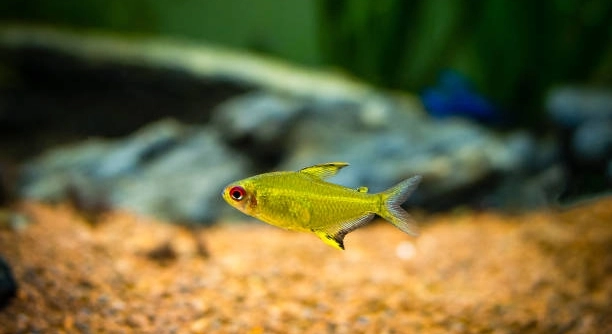
Is your lemon tetra swimming in circles constantly, making your aquarium feel restless? Observing this behavior can be surprising, especially when your fish usually swims calmly and interacts peacefully with other tank mates. The primary reason lemon tetras circle nonstop is stress caused by environmental factors, such as poor water quality, improper tank size, or … Read more
7 Subtle Signs of Lemon Tetra Anxiety

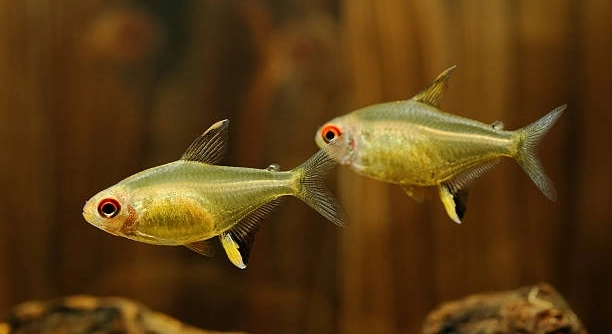
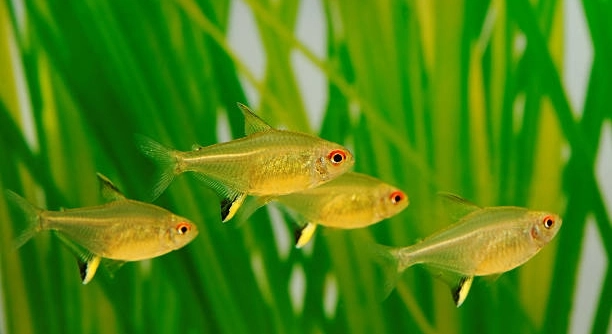
Lemon tetras are small, bright fish that bring life to any aquarium. Their playful swimming can be calming, but sometimes they show signs of stress that may go unnoticed by owners who love observing them. Lemon tetra anxiety often manifests subtly through changes in behavior, including hiding more frequently, darting nervously, reduced appetite, clamped fins, … Read more

Should You Cover the Tank During Arowana Sleep?

Arowanas are striking fish that demand attention and care from their owners. Their large size and unique behavior make them fascinating pets, and understanding their daily routines can improve their overall well-being in a home aquarium. Covering an arowana tank during sleep is generally unnecessary if the environment is stable. Adequate lighting control and minimal … Read more

Why Are Lemon Tetra Obsessed with One Spot?

Do your lemon tetras keep returning to the same corner of the tank, no matter how much space they have to swim? Observing them can be both amusing and puzzling, as this behavior seems oddly deliberate. Lemon tetras often focus on one spot due to territorial instincts, environmental cues, and comfort zones. This behavior allows … Read more

7 Things That Improve Lemon Tetra Fin Health

Are your lemon tetras looking a bit less lively than usual, making you wonder what might help them feel healthier and more vibrant in their tank environment each day as they swim around their space. Improving lemon tetra fin health relies on stable water parameters, balanced nutrition, low stress conditions, and proper tank hygiene. Consistent … Read more

Do Lemon Tetra Get Excited About Food?

Lemon tetras are small, bright fish that live in peaceful community tanks. They swim gracefully and enjoy exploring their environment, often moving together in groups. Their lively behavior can make any aquarium feel vibrant and active. Lemon tetras do show excitement when food is introduced. They often swim quickly toward the source, gather near the … Read more

7 Water Quality Problems Lemon Tetra Hate

Keeping Lemon Tetras healthy requires more than just feeding them well. Water quality plays a major role in their wellbeing, and even small issues can cause stress or illness in these delicate fish. Proper care starts with attention to their environment. Lemon Tetras are highly sensitive to water conditions, and common problems include incorrect pH … Read more

7 Water Parameters Arowana Are Sensitive To

Arowanas are majestic fish known for their elegance and striking appearance. Keeping them healthy requires attention to their environment, especially the water they live in. Even slight changes in water conditions can affect their wellbeing and behavior. Arowanas are particularly sensitive to seven key water parameters: temperature, pH, hardness, ammonia, nitrite, nitrate, and dissolved oxygen. … Read more

Why Do Lemon Tetra Rub Against Plants?

Do your lemon tetras often swim close to plants and rub against them? Many aquarists notice this behavior and wonder why their small, colorful fish act this way in the tank. It can seem puzzling at first glance. Lemon tetras rub against plants primarily to remove parasites or relieve irritation on their skin. This natural … Read more

Why Do Lemon Tetra Suddenly Start Nipping?

Caring for lemon tetras can feel exciting when everything flows smoothly, yet sudden shifts in their behavior can leave an aquarium feeling unsettled. Noticing unexpected nipping often signals changes in their environment that deserve attention. Lemon tetras begin nipping mainly because stress, crowding, and unstable water conditions disrupt their natural hierarchy. Inadequate space, irregular parameters, … Read more