
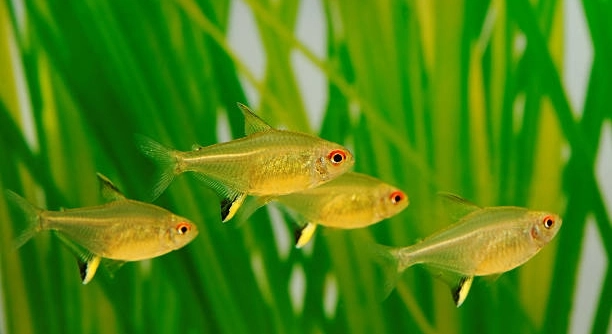
Have you noticed your lemon tetra making sudden, jerky movements in the tank? These little flicks and twitches can be surprising, especially if your fish usually swims calmly among its tank mates and decorations.
Twitching in lemon tetras is often caused by stress, poor water quality, or minor irritation. It can also indicate the presence of parasites or infections, requiring attentive observation and prompt action to ensure the fish’s well-being.
Recognizing the subtle signs behind these twitches can help you maintain a healthier, happier aquarium environment for your lemon tetras.
Common Causes of Lemon Tetra Twitching
Lemon tetras often twitch due to changes in their environment. Sudden temperature shifts can stress them, causing quick, jerky movements. Poor water quality, such as high ammonia or nitrite levels, also affects their nervous system. Even minor irritants, like sharp gravel or aggressive tank mates, can trigger twitching. Parasites, such as ich, can cause noticeable flicks and rubbing against objects. Stress may also come from overcrowding or insufficient hiding spaces. Feeding practices influence behavior too; overfeeding or inconsistent schedules can make tetras more restless. Observing your fish closely will reveal patterns in their twitching and help identify possible triggers. Monitoring water parameters, maintaining clean tanks, and providing gentle interactions can reduce these movements. Ensuring the tank is stable, peaceful, and clean creates a calmer environment, allowing your tetras to swim normally. Quick responses to changes can prevent health problems from escalating.
Stress and parasites are the most frequent triggers for sudden twitching in lemon tetras.
Consistent water testing and keeping up with tank maintenance can prevent most twitching episodes. Using a thermometer and test kits ensures stability, while regular partial water changes keep ammonia, nitrite, and nitrate levels safe. Avoid overcrowding and provide plants or hiding spots to reduce stress. Observing feeding habits and removing leftover food prevents water contamination. Early detection of parasites allows timely treatment.
How to Improve Tank Conditions
Maintaining stable water parameters is essential for healthy tetras.
Proper filtration, gentle water flow, and a balanced diet keep fish strong. Monitoring temperature, pH, and cleanliness prevents stress-induced twitching. Avoid sudden changes and keep consistent routines to help your tetras feel secure.
A calm and stable tank environment is crucial for lemon tetras. Fluctuations in temperature or pH can quickly affect their behavior. Ensuring proper filtration helps remove waste and toxins that may irritate fish. Introducing plants or decorations provides shelter, making tetras feel safe and less likely to twitch. Feeding them small, balanced portions prevents overfeeding, which can degrade water quality and stress fish. Observation is important; if twitching persists, it may indicate disease or parasite infection. Quarantining new fish and checking for signs of illness prevents spread. A clean tank, proper diet, and gentle care significantly reduce twitching and support overall fish health. By addressing environmental factors and maintaining routine care, lemon tetras are more relaxed, active, and vibrant in the aquarium.
Identifying Parasites and Diseases
Twitching can signal parasites like ich or internal infections. Look for white spots, clamped fins, or rubbing against surfaces. Early detection is key to preventing serious health issues.
Parasites affect lemon tetras quickly, causing irritation and stress. Ich appears as small white dots on the body and fins. Fish may scrape against rocks or decorations to relieve discomfort. Internal parasites may cause weight loss, lethargy, or loss of appetite. Prompt treatment with medication is necessary to stop the spread. Quarantining affected fish helps protect the rest of the tank. Observing swimming patterns and physical changes gives clues about health.
Diseases like velvet or bacterial infections can also trigger twitching. Velvet presents as a fine gold or rust-colored dust, while bacterial infections may show as redness, swelling, or sores. Treating these conditions early improves recovery. Maintaining water quality and avoiding sudden changes reduces the risk. A stable environment supports the immune system, helping fish resist infections. Regular monitoring allows you to notice minor changes before they become serious problems.
Adjusting Diet and Feeding Practices
Overfeeding or inconsistent diets can stress lemon tetras, causing twitching. Feed small portions and avoid leftover food.
A balanced diet supports fish health and reduces erratic movements. Provide high-quality flakes, frozen foods, and occasional live foods to ensure proper nutrition. Overfeeding pollutes water, leading to ammonia spikes that irritate fish. Feeding consistently at the same time each day reduces stress and establishes routine. Lemon tetras benefit from a varied diet, including brine shrimp, daphnia, and micro pellets, which supply essential proteins and nutrients. Avoid sudden changes in food type, as it can upset digestion and behavior. Watching how quickly food is eaten helps prevent excess waste. A proper diet, combined with clean water, minimizes twitching.
Improving Water Quality
Maintaining clean water reduces stress and twitching in lemon tetras. Regular testing and partial water changes keep ammonia, nitrite, and nitrate levels safe for fish.
Filtration and gentle water flow help remove debris and toxins. Avoid overcrowding and remove uneaten food promptly. Clean decorations and substrate regularly to prevent buildup that may irritate fish or harbor harmful bacteria.
Reducing Stress in the Tank
Stable temperature and hiding spots minimize stress. Lemon tetras feel safer with plants and quiet areas away from aggressive tank mates.
A calm environment helps fish swim naturally without sudden movements. Sudden noises, bright lights, or rough handling can cause twitching. Keeping a consistent routine and observing behavior ensures tetras remain healthy and active.
Monitoring Behavior and Health
Watch for changes in swimming patterns or appetite. Persistent twitching may indicate health issues requiring attention.
Keeping a log of daily observations helps identify subtle changes early. Noting when twitching occurs, tank conditions, and feeding habits allows timely interventions, supporting long-term fish health.
FAQ
Why is my lemon tetra twitching suddenly?
Sudden twitching in lemon tetras is usually caused by stress, poor water quality, or minor irritation. Changes in temperature, overcrowding, or aggressive tank mates can make them restless. Twitching may also indicate parasites or early signs of illness, so close observation is important.
Can twitching be a sign of disease?
Yes, twitching can indicate health problems. Common diseases include ich, velvet, or bacterial infections. Ich appears as white spots, velvet shows as a golden dust, and bacterial infections may cause redness or sores. Early detection and treatment improve recovery and prevent spread.
How do I know if it’s parasites or stress?
Stress often shows as twitching without visible spots, along with hiding or erratic swimming. Parasites usually come with physical signs like spots, rubbing, or loss of appetite. Checking water parameters helps distinguish between environmental stress and illness.
What water conditions should I maintain?
Keep ammonia and nitrite at 0 ppm and nitrate under 20 ppm. Stable pH and temperature reduce stress. Regular water changes, gentle filtration, and avoiding sudden changes are essential for a healthy tank environment.
How often should I clean the tank?
Partial water changes of 20–25% weekly help maintain clean water. Remove uneaten food and vacuum the substrate. Decorations and plants should be cleaned occasionally to prevent debris buildup that can irritate fish.
Can diet affect twitching?
Yes, overfeeding or inconsistent feeding can stress fish. Offer small, balanced portions, including flakes, frozen, or live foods. Avoid sudden changes in diet, and observe how quickly food is eaten to prevent leftover food from polluting water.
Should I quarantine new fish?
Always quarantine new fish for at least two weeks. This prevents introducing parasites or diseases that could cause twitching in existing lemon tetras. Observing new arrivals helps catch health issues early before adding them to the main tank.
When should I treat my fish for disease?
Treatment should begin as soon as symptoms are noticed. Persistent twitching combined with spots, sores, or lethargy often indicates infection. Use appropriate medication and follow dosing instructions carefully, and isolate affected fish if needed.
Can tank decorations cause twitching?
Yes, sharp or rough decorations can irritate skin and fins. Lemon tetras may scrape against objects, resulting in twitching. Smooth decorations and plenty of hiding spots reduce stress and prevent minor injuries.
How do I monitor for subtle signs of health issues?
Keep a log of daily behavior, swimming patterns, appetite, and tank conditions. Noting when twitching occurs or any changes in activity helps identify early problems. Early detection allows timely interventions and supports long-term fish health.
Is it normal for twitching to happen occasionally?
Occasional twitching can be normal, especially after sudden movements or mild disturbances. However, repeated or persistent twitching indicates stress, poor water quality, or disease and should be addressed promptly to prevent worsening conditions.
Can temperature changes trigger twitching?
Yes, lemon tetras are sensitive to sudden temperature fluctuations. Even a few degrees difference can stress them, leading to twitching. Keeping water temperature stable and consistent is essential for their comfort and health.
What steps prevent twitching in the long term?
Maintain stable water parameters, avoid overcrowding, provide hiding spots, feed a balanced diet, and observe fish regularly. Consistent care and attentive monitoring reduce stress, prevent disease, and keep lemon tetras active and healthy.
Lemon tetras are small, lively fish that bring color and movement to any tank. Their twitching can feel alarming, especially if you notice it for the first time. In most cases, twitching is a response to stress, environmental changes, or minor irritations. Fish are very sensitive to their surroundings, and even small changes in temperature, water quality, or tank layout can make them react suddenly. Observing your lemon tetras daily helps you notice patterns and determine whether their movements are occasional or a sign of a bigger problem. By keeping an eye on their behavior and the overall tank conditions, you can better understand the causes of twitching and address them before they escalate into serious issues.
Water quality is one of the most important factors affecting lemon tetras. Ammonia, nitrite, and nitrate levels need to remain within safe ranges, and water changes should be done regularly to prevent buildup of harmful chemicals. A good filtration system and gentle water flow help keep the tank clean and stable. Sudden changes in water temperature or pH can be stressful and may cause twitching. Providing hiding spots, plants, or decorations can make your tetras feel safer and more secure, reducing erratic movements. Monitoring feeding habits is equally important. Overfeeding can pollute the water and increase stress, while a balanced diet with varied options ensures fish stay healthy and active. Small, consistent portions and avoiding sudden changes in food type support overall well-being.
Twitching can sometimes signal the presence of parasites or disease, and early detection is key to successful treatment. Look for physical signs like white spots, discoloration, clamped fins, or scraping against decorations. Quarantining new fish and treating any signs of illness promptly helps prevent the spread of disease in the tank. Keeping a daily log of behavior, water conditions, and feeding routines allows you to spot subtle changes early. Maintaining a stable, clean environment with a proper diet and attentive care minimizes twitching and promotes long-term health. By taking these steps, lemon tetras are more likely to remain active, relaxed, and vibrant, letting you enjoy their presence in the tank without worry.

Hello,
If you enjoy the content that we create, please consider saying a "Thank You!" by leaving a tip.
Every little bit helps us continue crafting quality advice that supports the health, happiness, and well-being of pets around the world, for pets of all shapes, sizes, and species.
We really appreciate the kindness and support that you show us!