
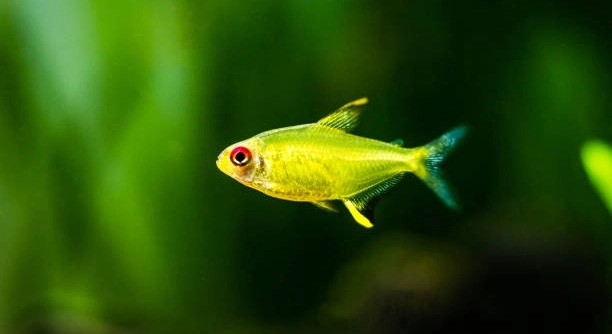
Lemon tetras are small, vibrant fish often admired for their bright yellow hues. Many aquarium owners enjoy watching them swim together, creating a lively and colorful display that brings a sense of calm and beauty to any tank environment.
Lemon tetras can change color temporarily due to stress, lighting conditions, or water quality fluctuations. This color variation is usually subtle and reversible, reflecting the fish’s adaptive responses to its immediate environment rather than permanent changes.
Observing these temporary shifts can reveal important insights about your fish’s well-being and overall tank conditions, encouraging attentive care and a healthier aquatic environment.
Understanding Lemon Tetra Color Changes
Lemon tetras are sensitive to their environment, and their coloration can shift in response to several factors. Stress is one of the main triggers. When fish feel threatened or uncomfortable, their yellow hue may fade slightly, making them appear duller. Lighting also plays a role; brighter or dimmer aquarium lights can enhance or soften their natural color. Water quality is equally important. Fluctuations in temperature, pH, or ammonia levels can lead to temporary color changes as the fish adjusts to maintain balance. Diet influences color too. Foods rich in carotenoids and vitamins can intensify yellow tones, while poor nutrition may dull them. Social dynamics within the tank can also affect appearance, as more dominant fish often display brighter colors. Understanding these factors helps you monitor your tetra’s health while appreciating their natural adaptability in a home aquarium setting.
Monitoring your fish closely allows you to identify stress triggers and maintain optimal tank conditions. This ensures color changes are temporary.
Observing color shifts can reveal more than aesthetics. If your lemon tetra’s hue fades, it often signals environmental stress, dietary deficiencies, or social interactions within the tank. Adjusting lighting, improving water quality, and providing a nutrient-rich diet can restore their bright yellow shade. Consistent observation allows you to recognize patterns in color changes, which may indicate subtle health issues before they escalate. This careful attention not only improves the fish’s appearance but also supports their overall well-being. Simple adjustments, such as adding hiding spots or reducing overcrowding, can also help minimize stress. Over time, you may notice that your lemon tetras regain their vibrancy more quickly, reflecting a stable and comfortable environment. By paying attention to these details, you maintain a balanced ecosystem that supports the natural behaviors and coloration of your fish, creating a visually pleasing and healthy tank.
Factors Affecting Color Variation
Temporary color changes in lemon tetras are often linked to immediate environmental conditions.
Stress, lighting, diet, and water quality all contribute to how a tetra’s color appears. Stress from sudden movements, aggressive tank mates, or poor handling can dull coloration. Lighting intensity alters how pigments are seen, while a nutrient-rich diet enhances vibrancy. Water chemistry, including pH, temperature, and ammonia levels, affects overall health and coloration. Even minor fluctuations may cause temporary fading. Observing these factors allows owners to make informed adjustments, promoting bright, healthy tetras and a stable aquarium environment.
To maintain consistent coloration, regular water testing is essential. Adjusting pH, ammonia, and nitrate levels can prevent prolonged stress. Offering a varied diet rich in carotenoids supports natural yellow tones, while appropriate tank lighting highlights vibrant colors. Tank setup matters too; providing plants, hiding spots, and adequate swimming space reduces tension and encourages natural behavior. Social interactions influence appearance as well—dominant fish may show brighter hues, while submissive ones appear paler. Understanding these interactions helps in arranging tank mates effectively. Over time, combining proper nutrition, stable water conditions, and mindful tank management minimizes color fluctuations, supporting healthy, visually appealing lemon tetras. Consistent care ensures that any temporary fading is easily reversible, making your aquarium both vibrant and balanced.
Recognizing Stress in Lemon Tetras
Stress in lemon tetras often shows through temporary color fading, rapid gill movement, or erratic swimming. Early recognition allows you to adjust tank conditions, reducing stress and helping the fish regain normal coloration and behavior.
Common stressors include overcrowding, aggressive tank mates, sudden water changes, or poor water quality. When stressed, lemon tetras may hide more often or lose their bright yellow tone. Addressing these issues promptly by testing water parameters, rearranging the tank layout, or isolating aggressive fish can restore comfort. Maintaining consistent feeding schedules and minimizing loud disturbances also reduces stress levels. Observing subtle behavioral changes is key, as it signals when interventions are needed to protect both health and color vibrancy. Regular monitoring helps ensure your tetras remain active, visually appealing, and well-adjusted to their environment.
Temporary color changes due to stress are generally reversible. Once the underlying cause is addressed, such as adjusting water temperature or providing hiding spots, the fish gradually regain their natural yellow tone. Nutrition also plays a role in recovery; providing a varied, high-quality diet supports resilience and pigment restoration. Over time, a stable environment minimizes repeated stress events, allowing lemon tetras to maintain their bright appearance consistently. Awareness and quick action are essential for ensuring both the physical health and aesthetic vibrancy of your fish.
The Role of Lighting and Diet
Lighting intensity and spectrum directly influence how a lemon tetra’s color appears. Proper illumination enhances yellow pigments, while dim or inconsistent lighting may cause temporary dulling.
Diet impacts color vibrancy over time. Foods rich in carotenoids, such as certain flakes or frozen options, help maintain bright yellow tones. A lack of nutrients can lead to faded coloration and slower recovery after stress. Feeding a balanced mix of high-quality flakes, frozen foods, and occasional live options ensures sufficient vitamins and minerals to support both health and appearance. Overfeeding or poor-quality food can harm water quality, indirectly affecting color. Observing how diet changes influence your tetras allows you to fine-tune their meals for optimal results. Proper lighting paired with nutrient-rich food creates a stable environment where color variations are minimal and natural vibrancy is maintained.
Water Quality and Its Impact
Stable water parameters are essential for maintaining lemon tetra coloration. Sudden changes in temperature, pH, or ammonia levels can cause temporary fading and stress, affecting overall health. Regular monitoring helps prevent these issues.
Ammonia, nitrite, and nitrate levels directly influence both stress and color vibrancy. Clean, well-maintained water supports natural yellow tones and overall fish activity, minimizing the risk of long-term health problems.
Social Dynamics in the Tank
Interactions among lemon tetras and other fish can affect color intensity. Dominant fish often display brighter colors, while submissive ones appear paler. Overcrowding or incompatible tank mates increases stress and may lead to temporary fading.
Environmental Adjustments for Vibrancy
Adjusting tank setup, such as adding plants, hiding spots, and open swimming areas, helps lemon tetras feel secure. A well-structured environment reduces stress, allowing them to maintain their natural color.
Observing Long-Term Patterns
Consistent observation of color changes can indicate underlying issues like diet imbalance or chronic stress. Tracking these patterns helps in timely interventions and ensures healthy, vibrant fish.
FAQ
Can lemon tetras change color temporarily?
Yes, lemon tetras can change color temporarily due to stress, water quality, lighting, or social interactions. These changes are usually subtle, reversible, and not harmful if the underlying cause is addressed promptly. Monitoring the fish’s behavior and environment helps ensure a quick recovery.
Why is my lemon tetra looking paler than usual?
Paleness in lemon tetras often signals stress or minor environmental issues. Causes include sudden water changes, poor water quality, aggressive tank mates, or insufficient lighting. Temporary diet deficiencies may also contribute. Correcting these factors usually restores the fish’s natural yellow hue.
Does diet really affect color in lemon tetras?
Yes, diet plays a significant role. Foods rich in carotenoids and vitamins enhance yellow pigmentation. Offering a balanced mix of high-quality flakes, frozen foods, and occasional live foods supports overall health and color vibrancy. Poor nutrition can lead to dull, faded tones over time.
How does tank lighting impact coloration?
Lighting intensity and spectrum influence how pigments appear. Bright, consistent lighting enhances natural colors, while dim or uneven light can make yellow tones less vivid. Adjusting the lighting schedule and choosing the right type of aquarium light ensures optimal visibility and natural vibrancy.
Can social interactions affect color?
Yes, social hierarchy affects appearance. Dominant lemon tetras often display brighter colors, while submissive fish appear paler. Overcrowding or aggressive tank mates can increase stress, temporarily dulling colors. Maintaining compatible groups and adequate space helps minimize these effects.
Are color changes permanent?
Temporary color changes are usually reversible. Once stressors are removed or environmental conditions improve, lemon tetras regain their bright yellow color. Permanent fading is rare and often linked to chronic health issues or genetic factors rather than normal environmental fluctuations.
How often should I monitor water quality?
Regular water testing is crucial. Weekly checks of temperature, pH, ammonia, nitrite, and nitrate levels help detect potential problems early. Maintaining stable water parameters supports natural coloration and reduces stress-related fading.
What signs indicate stress beyond color change?
Other stress signs include hiding frequently, erratic swimming, rapid gill movement, or loss of appetite. Observing these behaviors alongside color changes allows for faster interventions and prevents long-term health problems.
Can temporary color changes be prevented?
Yes, consistent care minimizes fluctuations. Stable water conditions, a balanced diet, proper lighting, and compatible tank mates reduce stress and support natural coloration. Providing hiding spots and a comfortable environment ensures that temporary fading occurs less frequently.
How quickly does color return after stress?
Recovery depends on the cause and severity. Minor stressors may see color restoration within a day or two, while prolonged stress or poor water quality could take several days. Prompt correction of environmental issues ensures faster return to bright yellow tones.
Do tank decorations affect color?
Yes, tank setup influences stress levels and appearance. Plants, hiding spots, and open swimming areas make lemon tetras feel secure, reducing stress and maintaining natural coloration. Bare or overcrowded tanks can contribute to temporary fading.
Is it normal for colors to fluctuate daily?
Minor daily fluctuations are normal and often related to light cycles, activity levels, or slight environmental changes. These shifts are temporary and not usually a cause for concern unless accompanied by other stress signs or poor water quality.
Can breeding affect color temporarily?
During breeding, males may display more intense colors, while females may appear paler. These changes are natural and temporary, reflecting hormonal and behavioral adjustments rather than stress or illness.
Does age affect color intensity?
Yes, younger fish may have less vivid colors, while mature tetras generally display stronger yellow tones. Aging can lead to gradual fading, but proper care helps maintain vibrancy throughout their lifespan.
What should I do if color does not return?
If color remains dull despite correcting water, diet, lighting, and social factors, consult a veterinarian specializing in fish. Persistent fading may indicate illness, parasites, or nutritional deficiencies that require professional attention.
Final Thoughts
Lemon tetras are small, lively fish that bring a bright touch of color to any aquarium. Their natural yellow tones make them visually appealing, but these colors can sometimes fluctuate temporarily. Understanding why these changes occur is key to maintaining a healthy and visually vibrant tank. Factors such as water quality, diet, lighting, and social dynamics all play important roles in how a lemon tetra’s color appears. Observing your fish regularly helps you identify subtle changes early and take steps to correct any underlying issues. Temporary color changes are often not a cause for concern, but consistent monitoring ensures they do not develop into long-term health problems. Paying attention to environmental conditions and behavior allows you to create a stable and comfortable habitat where lemon tetras can thrive.
Water quality is one of the most significant factors affecting color. Sudden shifts in pH, temperature, or ammonia levels can stress fish and cause their color to fade. Maintaining stable conditions through regular water testing and careful adjustments prevents prolonged stress and promotes overall health. Diet also plays a direct role in pigmentation. Foods rich in carotenoids and essential nutrients support the bright yellow hues that make lemon tetras stand out. Poor nutrition or irregular feeding schedules can dull colors over time, so providing a consistent and varied diet is essential. Lighting and tank setup influence how these colors are displayed. Proper illumination highlights natural pigments, while plants, hiding spots, and open swimming areas reduce stress, helping fish maintain vibrant coloration.
Social interactions in the tank can also affect appearance. Dominant fish may display brighter colors, while more submissive tetras appear paler. Overcrowding or incompatible tank mates can increase stress, leading to temporary fading. By observing group dynamics and making adjustments when needed, you help your fish feel secure and maintain their natural vibrancy. Temporary color changes are often reversible, but consistent care is essential to prevent long-term issues. Understanding these factors gives you the tools to maintain a healthy, visually appealing aquarium. Monitoring water quality, providing a nutrient-rich diet, adjusting lighting, and considering social dynamics all contribute to keeping lemon tetras bright and active, ensuring they remain a lively and attractive part of your tank.

Hello,
If you enjoy the content that we create, please consider saying a "Thank You!" by leaving a tip.
Every little bit helps us continue crafting quality advice that supports the health, happiness, and well-being of pets around the world, for pets of all shapes, sizes, and species.
We really appreciate the kindness and support that you show us!