
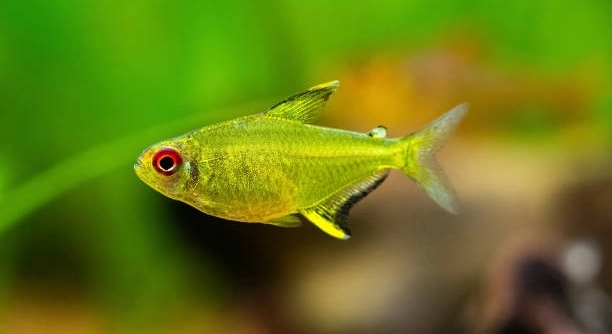
Do you ever find yourself struggling to keep your lemon tetras happy and healthy in your aquarium? These small, vibrant fish can be sensitive to changes, making maintenance seem challenging for both beginners and experienced keepers.
Maintaining lemon tetras is simplified by focusing on water quality, proper diet, tank setup, and consistent monitoring. Implementing structured routines for feeding, cleaning, and observation reduces stress for the fish and ensures a balanced and thriving aquatic environment.
Following these practical strategies will make daily care smoother and more rewarding. Small adjustments can lead to healthier, more active lemon tetras in your aquarium.
Keep Water Parameters Stable
Lemon tetras are very sensitive to fluctuations in water conditions. Maintaining consistent temperature, pH, and hardness is essential for their health. Sudden changes can stress the fish, leading to illness or lethargy. Using a reliable thermometer and test kits helps monitor daily variations. Regular partial water changes remove toxins and replenish minerals, keeping the environment clean and stable. A heater and filter are necessary for maintaining temperature and circulation. Overfeeding can pollute water quickly, so feed small amounts that the fish consume within a few minutes. Observing the fish’s behavior also provides clues about water quality. If they appear sluggish or hide frequently, testing water parameters immediately can prevent larger issues. Combining monitoring tools with routine maintenance simplifies care and reduces risk. Even small steps, like topping off evaporated water with dechlorinated water, contribute to stability. Keeping records of water tests can help detect patterns over time and prevent recurring problems.
Consistent monitoring and timely adjustments are key to creating a stable habitat that lemon tetras thrive in.
Regular attention to water parameters builds confidence and ensures your fish remain active and vibrant in the long term.
Proper Tank Setup
Providing the right tank size and structure is crucial for lemon tetra health. A minimum of 20 gallons is recommended for a small school. Dense planting, open swimming areas, and hiding spots mimic their natural habitat. Substrate choice matters, as fine gravel or sand prevents injury and allows natural foraging behavior. Decorations should be smooth and free of sharp edges to avoid harm. Driftwood or leaf litter can release tannins that slightly acidify water, which benefits these fish. Proper filtration ensures water movement without creating strong currents that stress small tetras. Lighting should simulate natural day and night cycles, supporting normal activity and feeding patterns. Avoid overcrowding, as lemon tetras feel safer in schools and can become aggressive if stressed by too many tank mates. Arranging plants in layers with taller plants at the back provides depth and security, while leaving open swimming lanes encourages exercise. Monitoring fish interactions helps identify territorial disputes early, maintaining a peaceful environment.
Arranging a suitable tank supports physical health and reduces stress for lemon tetras over time.
A well-planned tank encourages natural behavior, strengthens immunity, and creates a visually appealing space that makes daily maintenance easier.
Regular Feeding Schedule
Feeding lemon tetras small amounts two to three times daily keeps them healthy. Overfeeding pollutes the tank and causes stress. Provide a varied diet of flakes, micro-pellets, and occasional live or frozen foods to ensure proper nutrition and coloration.
Maintaining a consistent feeding routine helps reduce aggression and prevents uneaten food from decomposing in the tank. Lemon tetras respond well to scheduled feeding, and they become more active when they know when to expect meals. Including a mix of protein-rich and plant-based foods supports growth, coloration, and overall vitality. Observation during feeding also allows you to monitor health, as changes in appetite often indicate stress or illness. Adjust portions based on tank size and fish numbers to maintain water quality.
Rotating food types and keeping portion sizes small ensures balanced nutrition and avoids sudden spikes in waste accumulation. This approach simplifies maintenance while supporting long-term health.
Cleaning and Maintenance
Regular partial water changes remove waste, toxins, and excess nutrients from the aquarium. Cleaning the substrate with a siphon prevents buildup of uneaten food and debris, while filter media should be rinsed in tank water to preserve beneficial bacteria.
A consistent cleaning routine is essential for water quality and fish health. Performing 20-30% water changes weekly helps maintain stable parameters, reducing stress and disease risk. Monitoring filter performance ensures proper flow and prevents mechanical failure. Removing algae from glass, decorations, and plants improves tank aesthetics and prevents oxygen depletion. Checking equipment, like heaters and air pumps, guarantees stable temperature and circulation. Observing fish during maintenance helps detect early signs of illness. Using dechlorinated water for refills prevents chemical shock, and documenting maintenance tasks builds a reliable schedule.
Well-planned cleaning routines minimize stress, prevent disease, and make lemon tetra care manageable and predictable over time.
Monitor Fish Behavior
Watching lemon tetras daily helps detect stress or illness early. Changes in swimming patterns, hiding, or loss of color can indicate water issues or disease.
Active, alert fish usually signal good health. Early observation allows quick corrective action, preventing minor problems from becoming serious.
Avoid Overcrowding
Keeping a proper number of lemon tetras per tank prevents aggression and stress. Overcrowding increases waste, lowers oxygen, and disrupts social behavior.
Maintaining a school of at least six fish in a 20-gallon tank provides security while avoiding competition for space. Proper stocking ensures a balanced environment, healthier fish, and easier maintenance. Regularly evaluate the tank population before adding new fish to prevent overcrowding. This practice supports natural behavior, reduces disease risk, and maintains stable water parameters. Fewer fish in a well-planned space thrive better and display vibrant coloration, making the aquarium more visually appealing. Following stocking guidelines creates a calmer, more active group of lemon tetras, reducing stress and enhancing overall health.
Quarantine New Fish
Introducing new fish without quarantine risks spreading disease. Keeping newcomers separate for at least two weeks allows observation and treatment.
This process ensures your established lemon tetras remain healthy and minimizes stress caused by illness or parasites in the main tank.
How often should I feed my lemon tetras?
Feeding twice or three times a day in small amounts is ideal. Overfeeding leads to uneaten food decomposing, which affects water quality and can stress the fish. Small, frequent meals are easier for them to consume and support steady growth and energy levels.
What is the ideal water temperature for lemon tetras?
Lemon tetras thrive in water between 72°F and 78°F. Using a reliable heater and thermometer ensures consistency. Sudden changes in temperature can weaken their immune system and increase susceptibility to disease. Regular monitoring keeps their environment stable and reduces stress.
How often should I perform water changes?
Weekly partial water changes of 20-30% are recommended. This removes toxins, excess nutrients, and debris without disturbing beneficial bacteria. Regular maintenance keeps water parameters stable, which directly affects fish health and activity. Using dechlorinated water prevents chemical shock during refills.
Can lemon tetras live with other fish?
Yes, they are peaceful schooling fish and do well with other small, non-aggressive species. Avoid larger or territorial fish that may harass them. Keeping them in schools of six or more helps them feel secure and reduces stress. Proper tank setup and compatible tank mates ensure a calm environment.
What should I do if my fish are hiding or inactive?
Hiding can indicate stress, poor water quality, or illness. Check water parameters, temperature, and filtration. Observe for signs of disease such as discoloration or unusual spots. Adjusting the environment and performing a partial water change often helps restore activity and comfort.
How do I maintain proper pH and hardness?
Lemon tetras prefer slightly acidic to neutral water, with a pH between 5.5 and 7.5. Test regularly using kits and adjust gradually if needed. Avoid sudden changes, as they can shock the fish. Maintaining stable water hardness supports overall health and proper coloration.
Should I use live or artificial plants?
Both options work, but live plants improve water quality and provide hiding spots. Artificial plants require less maintenance but may not support natural behaviors as effectively. A combination can provide structure, swimming areas, and security, mimicking natural habitats while keeping maintenance manageable.
How do I prevent disease in my tank?
Quarantine new fish for at least two weeks to monitor for illness. Maintain clean water, a stable environment, and a proper diet. Avoid overcrowding and watch for early signs of disease, such as lethargy or unusual markings. Quick intervention reduces the spread and supports overall fish health.
What is the best way to clean the tank?
Perform partial water changes weekly, clean the substrate with a siphon, and rinse filter media in tank water. Avoid deep cleaning that removes beneficial bacteria. Wiping algae from decorations and glass keeps the tank visually appealing and maintains oxygen levels for healthy fish.
Can lemon tetras change color?
Yes, their coloration reflects health, stress, and environment. Dull colors often indicate poor water quality, illness, or inadequate nutrition. Bright, vibrant colors signal good health and a stable environment. Providing a balanced diet and proper lighting supports natural coloration and overall well-being.
How many lemon tetras should I keep together?
A minimum of six is recommended to form a secure school. Too few can lead to stress, hiding, or aggression. Larger groups create a more natural social dynamic and reduce anxiety. Proper schooling ensures active behavior, safer interactions, and a visually dynamic aquarium.
What should I do if my fish refuse food?
Check water parameters first, as stress or illness often reduces appetite. Offer a variety of foods, including live or frozen options, to stimulate interest. Small, frequent feedings can encourage eating. If refusal continues, quarantine and monitor for disease to prevent spread in the main tank.
How do I choose a suitable tank size?
A 20-gallon tank is the minimum for a small school. Adequate swimming space, hiding areas, and plants reduce stress. Overcrowding increases waste and aggression. Proper tank size, combined with careful stocking, supports natural behavior, stable water quality, and healthier, more active fish.
Can lemon tetras breed in home aquariums?
Yes, but they require soft, slightly acidic water and dense plant cover. Separating a breeding pair in a smaller tank improves success rates. Removing adults after eggs are laid prevents predation. Maintaining optimal water conditions and a nutritious diet encourages healthy reproduction.
How can I tell if water quality is poor?
Signs include lethargic fish, hiding, faded coloration, or sudden illness. Regular testing of pH, ammonia, nitrites, and nitrates detects issues early. Observing behavior and performing routine maintenance prevents deterioration and ensures a healthy environment for lemon tetras.
What kind of lighting is best for lemon tetras?
Moderate lighting that mimics natural day and night cycles works best. Too bright can stress the fish, while too dim may affect behavior and plant growth. Timed lighting supports natural activity, encourages feeding, and enhances coloration without disrupting their routine.
How important is substrate choice?
Fine gravel or sand allows natural foraging and prevents injury. Sharp or coarse substrates can harm delicate fins and scales. Proper substrate supports plant growth, maintains cleanliness, and contributes to the overall health and comfort of lemon tetras in the aquarium.
How do I introduce new fish to the tank safely?
Float the bag in the aquarium to acclimate temperature gradually. Slowly mix tank water with bag water over 15-30 minutes. This reduces shock and stress. After acclimation, release the fish gently into the tank and observe behavior for early signs of discomfort or aggression.
What is the best diet for vibrant coloration?
A mix of high-quality flakes, micro-pellets, and occasional live or frozen foods ensures balanced nutrition. Carotenoid-rich foods enhance yellow and orange hues. Rotating food types maintains interest, supports health, and prevents nutritional deficiencies that can dull color over time.
How can I reduce stress in lemon tetras?
Provide a stable environment, consistent feeding, and proper tank mates. Include hiding spots, moderate lighting, and avoid sudden changes. Regular maintenance and monitoring water quality prevent conditions that trigger stress. Calm, predictable routines encourage natural behavior and stronger immunity.
How long do lemon tetras typically live?
With proper care, they can live five to seven years. Maintaining stable water conditions, a balanced diet, and a clean, well-structured environment supports longevity. Observing behavior and acting quickly on early health issues helps extend their lifespan while keeping them active and healthy.
Lemon tetras are small, vibrant fish that can bring life and movement to any home aquarium. Their bright coloration and active schooling behavior make them enjoyable to watch. While they are relatively hardy, they are also sensitive to sudden changes in their environment. Providing stable water conditions, including proper temperature, pH, and hardness, is essential for their health. Regular testing and monitoring of water parameters helps detect potential issues before they become serious problems. Maintaining a clean tank with partial water changes, substrate cleaning, and proper filtration supports their overall well-being. A well-maintained tank not only promotes the health of your lemon tetras but also reduces stress for the caretaker, making daily care easier and more rewarding. Consistency is key, and establishing routines for feeding, cleaning, and observation ensures the fish thrive over time.
Feeding lemon tetras correctly is another important aspect of their care. Offering small, frequent meals prevents overfeeding and reduces waste buildup, which can negatively affect water quality. Providing a varied diet of high-quality flakes, micro-pellets, and occasional live or frozen foods supports proper growth, coloration, and energy levels. Observing feeding behavior also allows for early detection of health problems, as a change in appetite can indicate stress or illness. Keeping a balanced school of lemon tetras and avoiding overcrowding helps maintain social harmony within the tank. Adequate hiding spaces, plants, and open swimming areas give them security while encouraging natural behavior. When the tank is carefully arranged and maintained, lemon tetras become more active, display their natural colors, and remain healthier over the long term.
Proper care also includes thoughtful consideration when introducing new fish and monitoring for signs of disease. Quarantining new arrivals, observing behavior, and maintaining water quality reduces the risk of illness spreading in the main tank. Paying attention to the fish’s activity, coloration, and interactions provides insight into their well-being. Over time, consistent maintenance, proper feeding, and a suitable tank setup create an environment where lemon tetras can thrive. By implementing these strategies, caretakers can enjoy the beauty and liveliness of a healthy school of lemon tetras while minimizing stress and complications. Careful attention and consistency ensure that these small fish remain active, vibrant, and a rewarding part of the home aquarium for years.

Hello,
If you enjoy the content that we create, please consider saying a "Thank You!" by leaving a tip.
Every little bit helps us continue crafting quality advice that supports the health, happiness, and well-being of pets around the world, for pets of all shapes, sizes, and species.
We really appreciate the kindness and support that you show us!