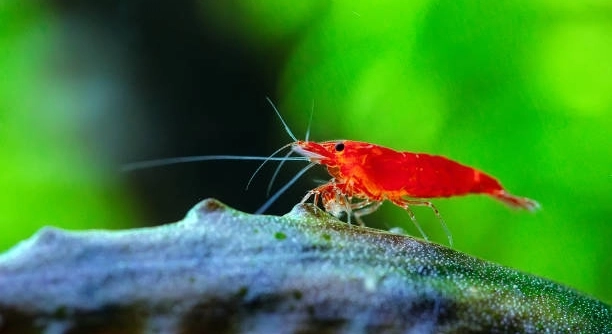
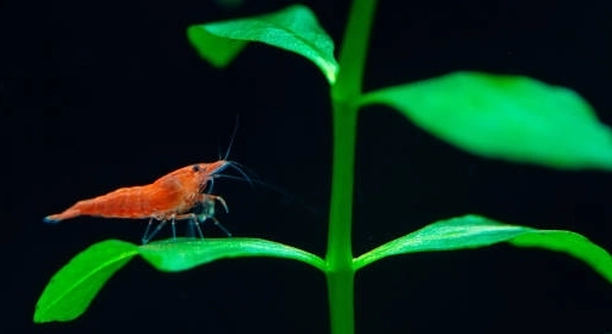
Why Shrimp Sometimes Seem to Follow Each Other
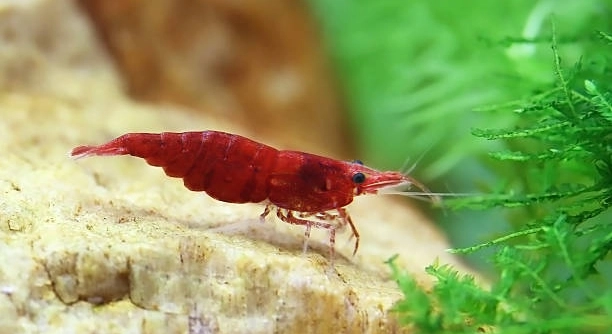
Shrimp often move together in groups, creating a trail that seems like one follows the other. Observing them in aquariums or shallow waters can make their behavior appear coordinated and intentional. Their small size adds to the charm of this pattern. Shrimp follow each other primarily due to social and environmental cues. They respond to … Read more
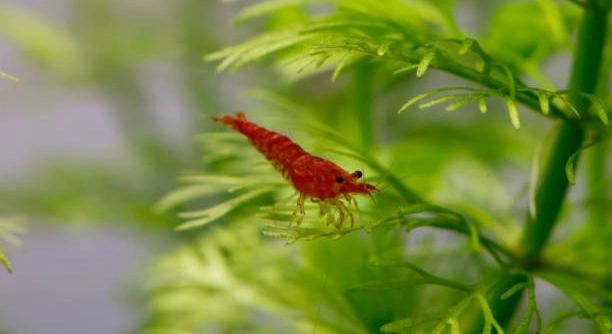
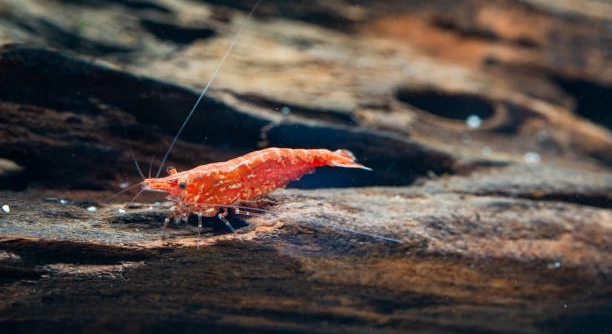
7 Signs That Mean Cherry Shrimp Are Ready to Breed

Cherry shrimp are small, vibrant creatures that bring life to any freshwater aquarium. Observing their behavior can be rewarding, especially when they show signs of preparing for reproduction. Noticing these changes helps ensure a thriving tank environment. Cherry shrimp ready to breed display clear physical and behavioral indicators. Females often develop a saddle behind their … Read more

Why Shrimp Rest in Odd Spots After Eating

Shrimp are small creatures that often behave in ways that seem strange to us. After eating, they sometimes move to unusual spots in their tanks or natural habitats. This resting behavior is a common part of their daily routine. Shrimp rest in odd spots after eating primarily to digest their food safely and efficiently. By … Read more

7 Signs Your Cherry Shrimp Is Unwell

Caring for cherry shrimp can be both relaxing and rewarding, but these tiny creatures are delicate. Even small changes in their environment or behavior can indicate that something is wrong, making attentive observation essential. Recognizing when a cherry shrimp is unwell involves monitoring physical appearance, behavior, and environmental factors. Signs such as lethargy, discoloration, abnormal … Read more

Do Cherry Shrimp React to Music?

Have you ever noticed the gentle movements of cherry shrimp in your aquarium and wondered if sounds from their environment affect them? Many shrimp owners find themselves observing these tiny creatures and questioning how they respond. Cherry shrimp do not exhibit a measurable reaction to music in the way higher animals do. While they can … Read more

7 Things to Avoid During a Shrimp Tank Setup

Setting up a shrimp tank can be exciting, but it also comes with challenges that can affect your shrimp’s health. Many beginners make simple mistakes that can harm the tiny creatures before they even settle in. Learning the basics early helps create a stable environment. Avoiding common mistakes during a shrimp tank setup is essential … Read more

7 Subtle Changes That Improve Shrimp Health

Do you ever find yourself adjusting your shrimp tank setup but still noticing subtle health issues? Maintaining shrimp health often requires more than just routine cleaning and feeding. Small adjustments can make a meaningful difference. Simple changes in water parameters, diet, and habitat conditions significantly enhance shrimp health. Regular monitoring of temperature, pH, and ammonia … Read more

Are Cherry Shrimp Affected by Outside Movement?

Are your cherry shrimp sensitive to movements around their tank? Many shrimp owners notice subtle reactions when people walk by or touch the aquarium. Observing these small creatures can reveal surprising insights about their behavior and comfort levels. Cherry shrimp are indeed affected by external movement, though the impact varies. Sudden vibrations or shadowing can … Read more

7 Techniques to Encourage Shrimp Activity

Do you ever notice your shrimp staying still for long periods, leaving your tank looking less lively than you hoped? Understanding their calm moments can help you create a space that supports movement and activity. The simplest way to encourage shrimp activity is to improve environmental conditions including water parameters, hiding spots, and consistent feeding. … Read more

7 Unexpected Causes of Shrimp Color Loss

Have you ever noticed your shrimp turning pale over time, leaving your aquarium looking dull and less lively than usual? Understanding why this happens can help you keep your shrimp healthy and vibrant every day. Shrimp often lose color due to stress, poor water quality, inadequate nutrition, temperature shifts, genetic influences, and age related changes. … Read more