
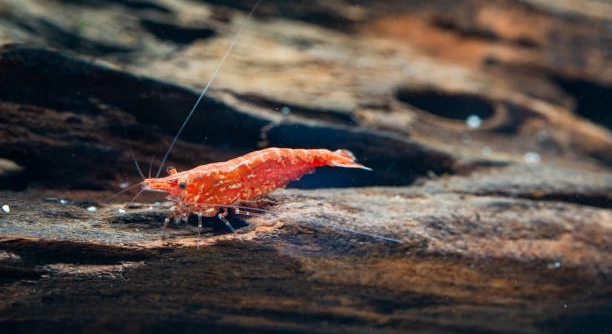
Do you ever find yourself adjusting your shrimp tank setup but still noticing subtle health issues? Maintaining shrimp health often requires more than just routine cleaning and feeding. Small adjustments can make a meaningful difference.
Simple changes in water parameters, diet, and habitat conditions significantly enhance shrimp health. Regular monitoring of temperature, pH, and ammonia levels, combined with varied nutrition and gentle handling, reduces stress and improves overall vitality, growth, and longevity of shrimp populations.
Even minor adjustments can lead to noticeable improvements in your shrimp’s well-being and behavior. Paying attention to these details ensures a healthier aquatic environment.
Adjusting Water Parameters
Maintaining stable water parameters is crucial for shrimp health. Small fluctuations in temperature, pH, or hardness can stress shrimp, making them more prone to disease. Start by testing your water regularly and noting trends. Adjust slowly to prevent shock. Adding natural buffers or substrates designed for shrimp can help stabilize pH. Temperature should remain consistent, ideally between 72–78°F for most species, while avoiding sudden changes. Keeping ammonia and nitrite levels at zero is essential. Regular partial water changes support water quality without disrupting beneficial bacteria. Even minor tweaks, like slightly increasing aeration or adding a few plants, can enhance oxygen levels and create a more balanced ecosystem. Observing shrimp behavior, such as activity levels and feeding habits, can indicate if water conditions are optimal. Small, consistent efforts in monitoring and adjusting water parameters improve survival rates, molting success, and overall shrimp vitality over time.
Consistent water testing prevents unseen problems and keeps shrimp active and healthy. Small changes have lasting benefits.
Maintaining water stability reduces stress, supports molting, and encourages healthy growth. Shrimp are sensitive to sudden shifts, so careful adjustments ensure a thriving tank environment and a more vibrant, active colony.
Improving Diet Variety
Shrimp benefit from a balanced, varied diet. Feeding only one type of food can limit nutrients and slow growth. Incorporate high-quality flakes, pellets, and occasional fresh vegetables like zucchini or spinach. Supplementing with biofilm encourages natural grazing behaviors. Rotate protein sources, including algae wafers or frozen daphnia, to meet dietary needs. Overfeeding can harm water quality, so offer small portions that shrimp can finish in a few hours. Removing uneaten food prevents waste buildup and reduces ammonia spikes. Feeding at consistent times helps establish a routine and lowers stress. Observing shrimp during feeding reveals preferences and ensures all individuals are eating. A varied diet strengthens immune systems, supports molting, and enhances coloration. Incorporating natural foods alongside prepared options mimics their natural diet and promotes long-term health. Even small dietary improvements have a noticeable impact on vitality and behavior.
A nutrient-rich, diverse diet keeps shrimp healthy and supports proper growth while reducing health issues in the tank.
Balancing feeding routines and variety ensures shrimp receive essential nutrients while maintaining water quality. Consistent observation and careful portioning prevent overfeeding, creating a sustainable, thriving environment that encourages active, vibrant shrimp colonies.
Providing Hiding Places
Shrimp need hiding places to feel secure, especially during molting when they are vulnerable. Adding plants, moss, or small decorations creates safe spots and reduces stress. Natural shelters encourage normal behavior and improve survival rates in the tank.
Plants like Java moss, Anubias, and floating plants offer both cover and grazing surfaces. Small caves, driftwood, and leaf litter also provide retreats for shy or molting shrimp. By creating a variety of hiding spots, you help reduce aggression and competition, giving shrimp room to explore safely. A well-structured environment supports natural behaviors and encourages more active, confident shrimp. These additions also improve water quality by supporting beneficial bacteria and breaking down waste.
Hiding places do more than offer security—they help shrimp molt safely, reduce stress-related illnesses, and promote healthy population growth. By combining natural and decorative options, your tank becomes a balanced, supportive environment.
Controlling Tank Lighting
Proper lighting is essential for shrimp health and algae management. Too much light promotes excessive algae, while too little can reduce plant growth and biofilm availability. A balanced light schedule maintains a healthy environment for both shrimp and plants.
A light cycle of 6–8 hours per day is generally sufficient. Using adjustable LED lights allows control over intensity and duration, preventing sudden spikes that can stress shrimp. Low-light plants thrive in shaded areas, providing grazing surfaces for shrimp while reducing competition for light. Observing shrimp behavior during lighting periods helps determine if adjustments are needed. Consistent schedules support natural rhythms and molting cycles. Overly bright or prolonged lighting can increase aggression, stress, and algae growth, making maintenance harder. Proper lighting supports overall tank stability and encourages active, healthy shrimp.
By managing light intensity and duration, you promote steady plant growth, balanced algae levels, and comfortable living conditions. Shrimp are more active, feed consistently, and display better coloration under a well-regulated lighting system.
Regular Tank Cleaning
Keeping the tank clean is essential for shrimp health. Removing debris, uneaten food, and waste prevents harmful ammonia and nitrite buildup. Gentle cleaning protects delicate shrimp and maintains stable water conditions.
Partial water changes of 10–20% weekly help maintain water quality without stressing shrimp. Avoid over-cleaning, which can disturb beneficial bacteria and disrupt the tank’s balance.
Monitoring Water Parameters
Testing water frequently ensures temperature, pH, and hardness remain within safe ranges. Early detection of imbalances prevents stress and disease, supporting shrimp vitality.
Maintaining ammonia and nitrite at zero while keeping nitrates low is key. Observing shrimp behavior alongside test results gives insight into water quality trends. Consistent monitoring allows timely adjustments, fostering a stable environment for growth and molting. Regular testing strengthens overall health, reduces losses, and ensures long-term success in the aquarium.
Minimizing Stress
Shrimp are sensitive to sudden changes in their environment. Gentle handling, stable conditions, and quiet surroundings reduce stress and support overall health.
Introducing Live Plants
Live plants improve water quality, provide grazing surfaces, and create natural hiding spots. Including a variety of plants supports shrimp activity, reduces stress, and contributes to a balanced ecosystem.
FAQ
How often should I change the water in my shrimp tank?
Regular water changes are crucial for shrimp health. A partial water change of 10–20% weekly keeps ammonia, nitrites, and nitrates under control without stressing the shrimp. Always match the new water’s temperature and parameters to avoid sudden shocks. Frequent small changes are safer than occasional large ones.
What is the ideal temperature for shrimp?
Most freshwater shrimp thrive between 72–78°F. Consistency is more important than the exact number. Avoid sudden temperature fluctuations, which can stress shrimp, slow molting, and increase susceptibility to disease. Using a reliable heater and thermometer helps maintain stability.
How can I prevent my shrimp from dying after molting?
Providing hiding places like plants, moss, or small caves is key. Stress-free conditions and stable water parameters support successful molting. Feeding calcium-rich foods strengthens their exoskeleton, reducing post-molt vulnerability. Observing shrimp closely during this time ensures any issues are addressed quickly.
What should I feed my shrimp?
Shrimp need a balanced, varied diet. Use high-quality flakes or pellets, supplemented with blanched vegetables like spinach or zucchini. Occasional protein sources, such as frozen daphnia or algae wafers, improve growth and coloration. Feed small amounts they can finish in a few hours to prevent water contamination.
How do I manage algae in my shrimp tank?
Algae control is a combination of light management, plant competition, and water quality. Keeping a moderate light schedule of 6–8 hours, adding fast-growing plants, and avoiding overfeeding prevents algae overgrowth. Shrimp naturally graze on algae, helping maintain balance while providing supplemental nutrition.
Can I keep different shrimp species together?
Some species can coexist, but compatibility depends on size, temperament, and water requirements. Research the species’ needs and monitor behavior closely. Avoid overcrowding, which increases stress and competition for food and hiding spots. Separating incompatible species ensures healthier, less stressed shrimp.
How do I know if my shrimp are stressed?
Signs of stress include hiding excessively, reduced activity, poor appetite, faded coloration, or failed molts. Stress often results from poor water quality, sudden environmental changes, overcrowding, or aggressive tank mates. Identifying the cause quickly allows for corrective measures, improving survival and health.
Is it necessary to use a filter in a shrimp tank?
Yes, a gentle filter is important. It maintains water circulation, oxygenates the tank, and supports beneficial bacteria. Avoid strong currents that may harm small shrimp. Sponge filters are ideal, providing filtration while protecting tiny shrimp from being sucked in.
How can I improve shrimp breeding success?
Stable water conditions, proper nutrition, and ample hiding spaces support breeding. Healthy adults with access to biofilm and varied foods are more likely to reproduce successfully. Dense plants or moss give juveniles safe spaces to grow without competition from adults.
Why do my shrimp lose color or become pale?
Pale shrimp usually indicate stress, poor water quality, or nutritional deficiencies. Ensure parameters are stable, provide a varied diet, and avoid overcrowding. Adequate lighting and live plants also help maintain vibrant coloration by encouraging natural grazing and activity.
How often should I test my tank water?
Testing 2–3 times per week is ideal for small shrimp tanks. Focus on ammonia, nitrite, nitrate, pH, and general hardness. Tracking trends over time helps prevent sudden issues and ensures the environment remains optimal for shrimp health.
Can I keep shrimp with fish?
Some peaceful fish may coexist with shrimp, but many species see shrimp as food. Choose slow-moving, non-aggressive fish and provide plenty of hiding spaces. Monitoring interactions closely is necessary to prevent predation and stress.
What’s the best substrate for shrimp?
Fine-grain substrates or those designed to buffer water for shrimp are ideal. They provide surfaces for biofilm growth, support plants, and allow shrimp to forage naturally. Avoid sharp or rough substrates that can damage delicate legs or antennae.
How do I handle new shrimp safely?
Acclimate new shrimp slowly to your tank’s water conditions. Use the drip method over 1–2 hours to prevent shock. Avoid sudden temperature or pH changes, and observe them closely for the first few days to ensure they adapt well.
What common mistakes should I avoid with shrimp tanks?
Overfeeding, sudden water changes, overcrowding, poor water quality, and incompatible tank mates are common issues. Small adjustments, consistent monitoring, and creating a safe, stable environment reduce health risks and support active, thriving shrimp colonies.
Maintaining shrimp health requires attention to several small but important factors. Stable water parameters are the foundation of a thriving shrimp tank. Regular monitoring of temperature, pH, and hardness ensures that shrimp remain stress-free and active. Partial water changes help remove waste without disturbing beneficial bacteria or causing sudden shifts in conditions. Even slight fluctuations in ammonia or nitrite levels can affect molting, growth, and overall vitality. By keeping these elements consistent, you provide a strong base for shrimp to live comfortably and develop naturally. Observing shrimp behavior alongside test results also helps detect early signs of stress, allowing adjustments before issues become serious. These efforts, though simple, make a significant difference over time and are far more effective than occasional drastic measures.
Diet plays a key role in supporting shrimp health and longevity. A varied feeding routine with high-quality flakes, pellets, blanched vegetables, and occasional protein supplements ensures shrimp receive essential nutrients. Overfeeding, however, can lead to water contamination, promoting harmful algae and stressing the shrimp. Monitoring how much they consume and removing uneaten food is a small step that greatly improves water quality and reduces risk of disease. Live plants and biofilm add natural grazing opportunities, encouraging normal behavior and supplementing nutrition. These additions create a more balanced and self-sustaining environment while improving molting success and coloration. Proper feeding not only keeps shrimp healthy but also contributes to a more stable tank ecosystem, allowing plants, bacteria, and other organisms to coexist harmoniously.
Creating a safe, stress-free habitat is equally important. Shrimp rely on hiding places such as moss, plants, and small structures to feel secure, especially during molting. Minimizing sudden changes in lighting, water flow, or tank layout reduces stress and encourages natural activity. Regular, gentle tank cleaning removes debris while preserving beneficial bacteria. Managing light duration prevents excessive algae growth and maintains plant health, which in turn supports shrimp grazing. Introducing live plants also enhances oxygen levels, provides additional hiding spots, and supports a healthier biofilm layer. Each of these small adjustments adds up, creating an environment where shrimp can thrive, grow, and reproduce successfully. Attention to these details ensures a vibrant, active tank that is easier to maintain and results in healthier, more colorful shrimp over the long term.

Hello,
If you enjoy the content that we create, please consider saying a "Thank You!" by leaving a tip.
Every little bit helps us continue crafting quality advice that supports the health, happiness, and well-being of pets around the world, for pets of all shapes, sizes, and species.
We really appreciate the kindness and support that you show us!