
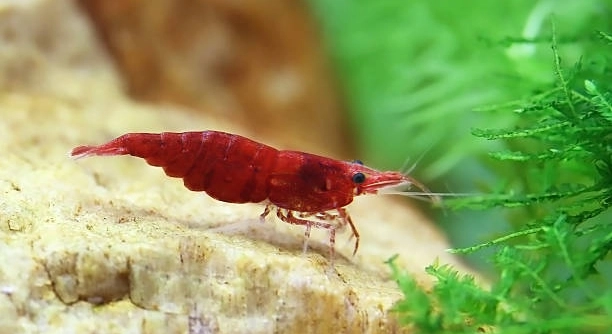
Shrimp often move together in groups, creating a trail that seems like one follows the other. Observing them in aquariums or shallow waters can make their behavior appear coordinated and intentional. Their small size adds to the charm of this pattern.
Shrimp follow each other primarily due to social and environmental cues. They respond to chemical signals, water currents, and the movements of nearby shrimp, which help them find food, avoid predators, and maintain group cohesion efficiently in their habitat.
Watching shrimp align and move together may seem simple, but there are fascinating biological reasons behind their synchronized swimming patterns. Their behavior offers insight into both survival strategies and social interactions in aquatic life.
How Shrimp Communicate While Swimming
Shrimp communicate primarily through chemical signals in the water. These signals, called pheromones, allow them to detect food sources, predators, and the presence of other shrimp nearby. Their antennae are highly sensitive and pick up these chemical cues, guiding their movement and helping them stay together in a group. Shrimp also use visual and tactile cues. When one shrimp moves, others often follow to maintain cohesion and safety in numbers. This behavior is particularly noticeable in shallow waters and aquariums, where movements are easier to observe. By aligning their motion, shrimp reduce the risk of being singled out by predators. Their coordinated swimming also increases efficiency in locating food. This synchronization is not random but a result of evolution, allowing shrimp to survive and thrive in varied aquatic environments. Observing them shows a subtle, yet precise, method of communication that ensures the group acts as a unit.
This coordination among shrimp is a natural survival mechanism that improves safety and feeding efficiency, highlighting their social behavior.
The way shrimp respond to each other demonstrates a clear connection between movement and environmental awareness. Each shrimp reacts almost instantly to signals from its neighbors, creating patterns that appear intentional. These patterns can be circular, linear, or clustered, depending on water conditions and available space. In aquariums, the behavior is easier to see because they have fewer places to hide, yet in the wild, similar patterns occur as a protective measure. Their small size makes group cohesion important, reducing the risk of predation. Over time, these behaviors have developed to balance energy use, feeding success, and protection. Even subtle shifts in water flow or light can change the pattern, showing their sensitivity to the environment. Watching them reveals how communication and instinct work together seamlessly, resulting in movements that are both practical and surprisingly coordinated.
Environmental Factors Affecting Shrimp Movement
Water currents, light, and temperature all influence shrimp movement patterns. Changes in these factors can alter how they follow each other.
Environmental conditions such as water quality, temperature, and flow play a significant role in shrimp behavior. Shrimp are highly sensitive to oxygen levels, salinity, and pH, which directly affect their activity. Warmer water often increases movement, causing shrimp to swim more actively and sometimes in tighter formations. Strong currents can force shrimp to adjust their direction and speed, leading to longer trails or more dispersed movement. Light also affects their behavior; shrimp are more active in dim light and may gather in shaded areas, which encourages following behavior. Even slight disturbances, such as vibrations or the presence of other species, can trigger shifts in their patterns. These environmental factors, combined with their natural instincts and communication methods, ensure that shrimp respond quickly and efficiently to their surroundings. Understanding these influences provides insight into why shrimp seem to move together and why their behavior can change in different habitats. This knowledge is helpful for maintaining aquariums and studying wild shrimp populations, giving a clearer picture of their survival strategies and social dynamics.
Group Behavior and Safety
Shrimp move together because it provides protection. Staying in groups reduces the chance of being targeted by predators. Each shrimp benefits from the collective vigilance of the others.
Group movement enhances survival by making it harder for predators to single out individual shrimp. When a shrimp senses danger, its reaction often triggers a ripple effect, prompting nearby shrimp to adjust speed or direction. This coordinated response can confuse predators and reduce attacks. Smaller shrimp rely heavily on following larger or more experienced individuals, which improves the overall safety of the group. In natural habitats, schools of shrimp are rarely isolated, as solitary shrimp face higher risks from fish and other aquatic predators. Their synchronized swimming is a practical strategy shaped by evolution.
Following and mirroring the movements of others also helps shrimp conserve energy. By aligning with the flow and direction of nearby shrimp, they can reduce resistance from water currents. This behavior allows them to cover more distance efficiently while remaining vigilant. Observing this shows how instinct and environmental awareness work together, producing coordinated and energy-efficient movement patterns. Group behavior is not only about protection but also about maintaining balance between activity and energy use. Over time, these patterns have evolved to support both feeding and survival, ensuring shrimp remain agile and responsive in changing conditions.
Social Hierarchy in Shrimp Groups
Shrimp form subtle hierarchies, with dominant individuals often leading the group and influencing movement patterns. Leadership can be temporary or shift depending on conditions.
Within shrimp groups, certain individuals take on leading roles, guiding direction and pace. These shrimp are usually more confident or physically stronger, and their movements set cues for others. Subordinate shrimp follow closely, reacting quickly to changes in speed or direction. This hierarchy is flexible, changing with age, size, or environmental conditions. When resources are abundant, leadership may rotate more frequently, while in stressful situations, experienced individuals often dominate. Understanding these dynamics highlights how shrimp groups operate efficiently. It also explains why some shrimp appear to “decide” the path, while others consistently follow, balancing group cohesion and individual needs.
The hierarchy influences feeding behavior as well. Leading shrimp typically access food first, while others follow the direction to find shared resources. This system reduces conflicts and ensures the group remains organized. It also impacts how shrimp respond to threats, as followers rely on leaders’ signals to avoid danger. These subtle social structures show that shrimp behavior is more complex than random movement. Recognizing hierarchy helps explain why some shrimp appear more proactive, while others adapt their movement to match the group. It highlights an instinctive social order that supports both survival and efficient resource use.
Feeding Patterns
Shrimp often follow each other while searching for food. Moving together increases the chance of finding edible matter quickly.
When one shrimp discovers a food source, others nearby are likely to follow. This behavior ensures that the group feeds efficiently and minimizes competition among individuals, maintaining balance within the group.
Reproduction and Mating
During mating periods, following behavior becomes more noticeable. Shrimp track potential mates using chemical signals and movements, allowing them to locate partners efficiently. This coordinated activity increases the likelihood of successful reproduction while keeping the group organized.
Learning From Others
Younger shrimp often follow older shrimp to learn safe routes and feeding habits. Observing these patterns helps them adapt faster and avoid potential dangers in their environment.
FAQ
Why do shrimp follow each other so closely?
Shrimp follow each other closely mainly for safety and efficiency. By staying near other shrimp, they reduce the risk of being targeted by predators. Group movement also allows them to locate food faster and respond to environmental changes more effectively. Each shrimp reacts to chemical and visual cues from others, creating a coordinated pattern that seems intentional. This behavior is instinctive and helps the entire group survive in both shallow and deeper waters.
Do all types of shrimp exhibit this following behavior?
Most shrimp species display some level of following behavior, though it varies depending on habitat and social structure. Marine shrimp often show strong group cohesion, especially in areas with high predation or abundant food. Freshwater shrimp may follow each other less consistently but still rely on cues from neighbors for feeding and safety. The degree of following is influenced by size, age, and environmental conditions. Even solitary species will occasionally mimic the movements of nearby shrimp when it benefits their survival.
How do shrimp communicate while following each other?
Shrimp communicate using chemical, visual, and tactile signals. Pheromones in the water help them detect food, predators, and other shrimp nearby. Antennae play a critical role in sensing these signals, while changes in movement and body position provide visual cues. Gentle contact between individuals also serves as a tactile method of communication. Together, these signals allow shrimp to coordinate swimming, feeding, and escape behaviors. The combination of these cues results in synchronized movement that appears deliberate.
Does following behavior help shrimp find food more efficiently?
Yes, following behavior significantly improves foraging efficiency. When one shrimp locates food, others in the group quickly detect and follow it. This reduces the time spent searching individually and ensures more shrimp can access the resource. Group feeding also helps them cover a larger area while staying protected. The behavior is particularly useful in environments where food is scattered or hard to detect. By observing and copying the movements of others, shrimp conserve energy while increasing the chances of finding adequate nutrition.
Can following behavior protect shrimp from predators?
Following behavior is an effective anti-predator strategy. By moving in groups, shrimp create confusion and make it harder for predators to single out individuals. Quick, synchronized movements allow them to escape threats more efficiently. Smaller or younger shrimp especially benefit from staying close to experienced individuals, as these leaders often detect danger first. The group’s cohesion serves as both a defense mechanism and a way to maintain access to food and other resources.
Does environment affect how shrimp follow each other?
Environmental conditions like water flow, temperature, light, and oxygen levels strongly influence following behavior. Strong currents may force shrimp to swim closer together, while calm water allows more dispersed movement. Temperature affects activity levels, with warmer water increasing movement and coordination. Light influences visibility and feeding behavior, making shrimp more active in dim conditions. Even small changes in water quality or habitat structure can alter patterns of group movement. Shrimp instinctively adjust their following behavior to respond to these environmental factors.
Do shrimp follow only their own species?
Shrimp primarily follow members of their own species, as communication relies on species-specific chemical and visual cues. However, in mixed environments, they may occasionally follow or respond to other shrimp species if signals resemble their own. This is less common and usually temporary, occurring only when environmental cues overlap. Species-specific recognition ensures that following behavior benefits the group effectively, maintaining safety, feeding efficiency, and social cohesion within the species.
How do younger shrimp learn from older ones?
Younger shrimp follow older shrimp to learn survival skills and safe movement patterns. Observing experienced individuals helps them locate food, avoid predators, and adapt to environmental challenges more quickly. This learning is largely instinctive but reinforced through repeated observation and imitation. By copying the movements and reactions of older shrimp, younger shrimp gain knowledge that improves their chances of surviving in complex aquatic habitats. This mentorship-like dynamic strengthens group cohesion and ensures the transfer of practical behavior across generations.
Can human activity affect shrimp following behavior?
Yes, human activity such as pollution, habitat modification, or aquarium disturbances can disrupt following behavior. Changes in water quality or temperature can alter chemical signaling, making it harder for shrimp to communicate. Noise, vibration, and handling can also cause stress, scattering groups or preventing coordinated movement. Maintaining stable and natural conditions is crucial for observing normal following behavior and supporting shrimp health, whether in aquariums or natural habitats.
Is following behavior seen in captivity the same as in the wild?
Following behavior in captivity is often similar to what occurs in the wild but may be influenced by tank size, population density, and feeding routines. Limited space can exaggerate the appearance of following, while abundant food may reduce the need for tight group movement. Despite these differences, the basic instincts for communication, safety, and energy efficiency remain consistent, showing that the behavior is deeply rooted in shrimp biology and essential for their daily activities.
Do shrimp ever break away from the group?
Occasionally, shrimp may leave the group to explore, feed independently, or escape competition. These movements are usually brief and strategic. Breaking away can help individuals find new resources or avoid overcrowding while still relying on the group’s guidance when needed. This balance between independence and cohesion allows shrimp to maximize survival opportunities without losing the benefits of following behavior.
Can following behavior indicate shrimp health?
Healthy shrimp usually follow group patterns consistently. Irregular movement, isolation, or lack of coordination can indicate stress, disease, or poor water conditions. Observing how shrimp interact and respond to each other provides insight into their overall well-being. Maintaining proper environmental conditions and diet helps preserve natural following behavior and supports long-term health.
Shrimp following behavior is a fascinating example of how even small creatures rely on instinct and social cues to survive. Observing them move together reveals a clear pattern of communication, coordination, and awareness of their surroundings. Each shrimp reacts to chemical signals, visual cues, and the movements of others, which helps the group stay organized and safe. This behavior is not random; it is shaped by evolution to improve feeding efficiency and reduce the risk of predation. When one shrimp detects food or danger, the response spreads quickly throughout the group, creating synchronized movements that appear intentional. In both natural habitats and aquariums, this coordinated swimming is a practical way for shrimp to navigate their environment. It highlights the importance of group behavior in aquatic species and demonstrates how instincts can govern even complex social interactions.
Following each other also has clear benefits for feeding and energy conservation. When shrimp move as a group, they can locate food more quickly and efficiently than if each moved alone. Observing the movements of others allows smaller or less experienced shrimp to find resources without wasting energy on trial-and-error searching. This behavior also helps reduce conflicts over food by providing an organized system where multiple shrimp can access resources in a coordinated way. In addition, swimming in groups reduces water resistance for individuals, allowing them to conserve energy while staying alert for potential threats. These patterns show that shrimp behavior, though simple on the surface, involves a careful balance of survival strategies, environmental awareness, and instinctive social order. Watching shrimp move together gives insight into how even small creatures manage complex needs like feeding, safety, and energy efficiency in ways that are both subtle and effective.
The social structure within shrimp groups adds another layer to their following behavior. While all shrimp benefit from staying together, some individuals take on leadership roles, guiding movement and influencing the group’s response to changes in the environment. Younger shrimp often follow older or more experienced individuals to learn safe paths, feeding habits, and ways to avoid danger. Environmental factors such as water flow, temperature, and light further shape how shrimp move together, demonstrating how adaptable their behavior is. Even in captivity, observing these patterns can provide insight into their health and well-being, as irregular following or scattered movement may indicate stress or suboptimal conditions. Overall, shrimp following behavior reflects a combination of instinct, environmental responsiveness, and social organization that supports survival, efficiency, and adaptation in a variety of aquatic environments. Understanding these behaviors allows for better care in aquariums and a deeper appreciation of the complex yet instinctive lives of these small, remarkable creatures.

Hello,
If you enjoy the content that we create, please consider saying a "Thank You!" by leaving a tip.
Every little bit helps us continue crafting quality advice that supports the health, happiness, and well-being of pets around the world, for pets of all shapes, sizes, and species.
We really appreciate the kindness and support that you show us!