
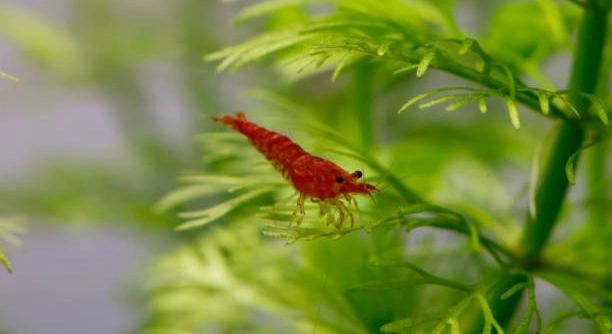
Caring for cherry shrimp can be both relaxing and rewarding, but these tiny creatures are delicate. Even small changes in their environment or behavior can indicate that something is wrong, making attentive observation essential.
Recognizing when a cherry shrimp is unwell involves monitoring physical appearance, behavior, and environmental factors. Signs such as lethargy, discoloration, abnormal swimming, or loss of appetite provide clear indicators of potential health issues that require prompt attention.
Being aware of these warning signs will help you maintain a healthy aquarium and ensure your shrimp thrive in their habitat.
Changes in Color
Cherry shrimp often display vivid colors, and any fading or darkening can signal stress or illness. A healthy shrimp usually has bright red tones, but if it appears pale, translucent, or shows unusual spots, something may be affecting its well-being. Environmental factors like water quality, temperature, and diet play significant roles in maintaining their natural coloration. Poor water conditions, including high ammonia, nitrite, or nitrate levels, can weaken a shrimp’s immune system, leading to color changes. Overfeeding or improper nutrition can also result in dull or uneven hues. Observing your shrimp daily allows you to notice subtle shifts that might otherwise be missed. Rapid color changes often indicate acute stress or infection, while gradual fading might point to long-term dietary deficiencies. Keeping water parameters stable and providing a balanced diet can prevent many health issues related to color changes in cherry shrimp.
Color changes in shrimp are an early signal that care adjustments are necessary to prevent further health problems.
Monitoring their coloration closely helps detect stress, nutritional deficiencies, or disease before it worsens, allowing timely intervention and adjustments in care routines.
Lethargy and Reduced Activity
Lethargic shrimp may spend more time hiding or resting than swimming or grazing, which can indicate health problems.
Shrimp that are less active than usual often face stress, poor water conditions, or illness. Observing movement patterns can reveal early signs of declining health.
Reduced activity in cherry shrimp is a common indicator of stress or disease. Environmental issues, such as incorrect temperature or sudden water parameter changes, can lead to lethargy. Poor diet, overcrowding, or the presence of aggressive tank mates may also contribute. Infections or parasites can further weaken their energy levels, causing them to remain inactive or cling to surfaces. Daily observation is crucial, as subtle differences in behavior often appear before other physical signs of illness. Providing a stable, clean environment with proper nutrition encourages normal activity. If lethargy persists despite optimal conditions, testing water parameters and inspecting shrimp for visible abnormalities is important. Early intervention can prevent further decline and increase the chances of recovery, ensuring the shrimp regain their usual energetic behavior.
Loss of Appetite
Loss of appetite is a clear indicator that a cherry shrimp is not feeling well. Healthy shrimp should actively graze on biofilm, algae, or provided food.
When a shrimp stops eating or shows little interest in food, it may be stressed, ill, or affected by water conditions. Poor water quality, including high ammonia or nitrite levels, can suppress appetite. Illnesses like bacterial infections or parasites can also interfere with feeding. Overcrowding or competition for food may leave some shrimp eating less than usual. Monitoring feeding habits closely is important, as even a single shrimp refusing food can indicate a problem that needs attention. Addressing environmental and dietary factors promptly helps prevent further health deterioration and encourages the shrimp to regain normal eating patterns.
Consistently observing feeding behavior is essential. Noting any sudden disinterest in food allows for early intervention, whether adjusting water parameters, improving diet, or isolating affected shrimp to prevent worsening conditions.
Abnormal Swimming Patterns
Abnormal swimming often shows underlying health or environmental issues. Erratic movements, spinning, or floating can indicate stress or illness.
Shrimp may swim unusually due to physical weakness, illness, or unsuitable water conditions. Spinning, flipping, or floating at the surface often points to internal problems like bacterial infections or parasites. Poor water quality, sudden changes in temperature, or chemical exposure can disrupt their normal swimming behavior. Injuries or molting difficulties may also affect movement. Observing how shrimp navigate their tank and respond to stimuli can help identify issues early. Maintaining consistent water parameters and a calm environment reduces stress and encourages normal swimming. Intervention, including water testing or isolating affected shrimp, can help restore proper behavior. Early recognition of abnormal movement patterns allows you to take timely steps to prevent further decline in shrimp health.
Molting Issues
Difficulty molting is a serious problem for cherry shrimp. Shrimp that get stuck in their old exoskeleton may suffer injury or death if not addressed quickly.
Inadequate calcium, poor water quality, or stress can cause molting problems. Ensuring a balanced diet and stable environment helps shrimp molt safely and reduces health risks.
Visible Spots or Lesions
Spots, lesions, or unusual growths on a shrimp’s body often indicate infection or parasitic infestation. Observing the type, color, and location of marks helps determine the severity of the problem. Regular inspection of each shrimp allows early detection.
Hiding More Than Usual
Shrimp that spend most of their time hiding may be experiencing stress or illness. Excessive hiding can result from poor water conditions, aggressive tank mates, or internal infections. Monitoring behavior and adjusting tank conditions can help shrimp feel safe and recover.
FAQ
How can I tell if my cherry shrimp is sick?
Signs of illness in cherry shrimp include changes in color, lethargy, abnormal swimming, loss of appetite, molting issues, visible spots or lesions, and hiding more than usual. Observing daily behavior and appearance helps detect problems early before they become severe.
What should I do if my shrimp stops eating?
First, check water parameters including ammonia, nitrite, nitrate, and pH. Ensure the shrimp have access to a balanced diet and avoid overfeeding. If the problem persists, isolate the affected shrimp to monitor for disease or stress and adjust the tank conditions accordingly.
Why is my shrimp’s color fading?
Fading color often results from stress, poor water quality, or nutritional deficiencies. Stable water conditions, adequate hiding spots, and proper food with sufficient protein and minerals help maintain vibrant coloration. Rapid or uneven color changes may signal illness or environmental issues.
How often should I check my shrimp’s behavior?
Daily observation is ideal. Monitoring activity, feeding habits, and interactions with tank mates can help detect early signs of stress or illness. Consistent checks allow prompt adjustments to water conditions or diet before problems escalate.
What water parameters are best for cherry shrimp?
Cherry shrimp thrive in slightly acidic to neutral pH (6.5–7.5), temperatures between 72–78°F, and clean water with low ammonia, nitrite, and moderate nitrate. Stable conditions and regular water changes are essential to prevent stress-related illnesses.
Can diseases spread between shrimp?
Yes, bacterial, fungal, and parasitic infections can spread quickly in crowded or poorly maintained tanks. Isolating affected shrimp, maintaining clean water, and avoiding sudden changes reduce the risk of transmission and protect healthy individuals.
How do I help a shrimp with molting problems?
Ensure the shrimp has sufficient calcium and other minerals in its diet. Stable water parameters and a stress-free environment reduce molting complications. Avoid sudden changes in temperature or tank layout, and remove any aggressive tank mates that may interfere with molting.
When should I be concerned about hiding behavior?
Occasional hiding is normal, but excessive hiding can indicate stress, illness, or environmental problems. Check water quality, tank temperature, and tank mates’ behavior. Providing hiding spots and ensuring a calm environment can encourage shrimp to resume normal activity.
Is it normal for shrimp to swim strangely?
Erratic swimming, spinning, or floating at the surface is usually a sign of stress, disease, or injury. Consistent abnormal movement should prompt inspection of water parameters, tank setup, and shrimp health to identify and address the underlying cause.
What foods help maintain shrimp health?
A balanced diet with high-quality shrimp pellets, blanched vegetables, and occasional protein supplements supports growth, molting, and coloration. Supplementing with calcium and trace minerals helps prevent molting problems and supports overall vitality.
How often should I perform tank maintenance?
Partial water changes of 10–20% weekly or biweekly help maintain stable conditions. Regular cleaning of substrate, plants, and decorations prevents buildup of waste and harmful bacteria, supporting shrimp health. Avoid disturbing shrimp during cleaning to minimize stress.
Can stress cause illness in shrimp?
Yes, stress weakens the immune system and increases susceptibility to disease. Stress can result from poor water quality, sudden temperature changes, aggressive tank mates, or overcrowding. Reducing stressors improves shrimp survival and behavior.
Are there signs that require immediate action?
Yes, sudden color loss, severe lethargy, unresponsiveness, persistent abnormal swimming, or visible lesions require immediate intervention. Testing water, isolating affected shrimp, and adjusting tank conditions promptly can prevent further decline.
How can I prevent shrimp health issues?
Maintaining stable water parameters, providing a balanced diet, avoiding overcrowding, and observing behavior regularly are key steps. Quarantining new shrimp before adding them to the main tank helps reduce disease introduction. Early detection and preventive care significantly improve survival rates.
What should I do if multiple shrimp show signs of illness?
Test water quality immediately and perform partial water changes if necessary. Inspect for parasites, fungal, or bacterial infections. Consider isolating severely affected shrimp and adjusting feeding practices. Prompt action helps protect healthy shrimp and prevents widespread tank issues.
How long does it take for a shrimp to recover from illness?
Recovery time depends on the cause and severity. Mild stress or dietary deficiencies may resolve in days, while bacterial or parasitic infections can take weeks. Stable water conditions, proper nutrition, and minimizing stress accelerate recovery.
Can tank decorations affect shrimp health?
Sharp or rough decorations can injure shrimp, especially during molting. Live plants, smooth rocks, and safe hiding spots promote natural behavior and reduce stress. Proper tank layout supports overall health and encourages active movement and feeding.
Is it normal for shrimp to die suddenly?
Sudden death can occur due to acute water quality issues, temperature shocks, or disease outbreaks. Monitoring conditions closely and performing routine maintenance helps minimize unexpected losses and maintain a stable, healthy environment.
What role does temperature play in shrimp health?
Shrimp are sensitive to temperature changes. Too high or too low temperatures stress them, affect metabolism, and increase susceptibility to disease. Maintaining a stable, suitable temperature range supports normal behavior, feeding, and molting cycles.
How do I safely introduce new shrimp to my tank?
Quarantine new shrimp for at least two weeks to monitor for illness. Gradually acclimate them to the main tank’s temperature and water chemistry. This process reduces the risk of disease transmission and stress-related health issues.
Are shrimp sensitive to water chemicals?
Yes, chlorine, chloramine, and heavy metals can be harmful. Always treat tap water with a water conditioner and monitor for chemical buildup. Regular testing ensures a safe environment that supports healthy growth and activity.
How can I tell if a shrimp has parasites?
Visible spots, abnormal swimming, or frequent scratching against surfaces can indicate parasites. Microscopic inspection or professional advice may be necessary. Early detection allows for treatment options before severe health decline occurs.
Do shrimp need hiding places even if they seem healthy?
Yes, hiding places reduce stress and provide shelter during molting. Plants, rocks, and other decorations create a safe environment, encourage natural behavior, and contribute to overall well-being.
Can diet alone prevent health issues?
While a balanced diet is crucial, it cannot compensate for poor water quality or stress. Proper nutrition supports immunity and molting, but stable tank conditions and regular observation are equally important for preventing illness.
How do I recognize old age versus illness in shrimp?
Older shrimp may naturally become less active and show faded coloration. Illness typically presents with sudden changes in behavior, feeding, color, or physical condition. Observing patterns over time helps distinguish normal aging from health concerns.
Is it safe to treat one sick shrimp in a community tank?
Treatment in a community tank can affect healthy shrimp. Isolating the sick individual ensures targeted care and reduces stress or exposure for others. Following medication instructions carefully prevents accidental harm.
How often should I test water for shrimp health?
Weekly testing for ammonia, nitrite, nitrate, pH, and temperature helps detect problems early. Frequent checks allow prompt corrections, ensuring a stable and healthy environment that supports normal shrimp behavior and longevity.
Can overcrowding cause health issues?
Yes, overcrowding increases stress, competition for food, and waste buildup, all of which can weaken shrimp and make them more susceptible to disease. Maintaining appropriate stocking levels and providing hiding spaces supports overall health.
Are there visible signs of bacterial infections?
Shrimp with bacterial infections may develop white or opaque patches, lesions, or unusual discoloration. Behavioral changes, such as lethargy or loss of appetite, often accompany physical symptoms. Early detection allows for targeted interventions and reduces mortality.
How do I improve shrimp immunity naturally?
Providing a varied diet with high-quality food, maintaining stable water conditions, minimizing stress, and avoiding overcrowding support a strong immune system. Occasional live or blanched foods supply essential nutrients for overall health and resilience.
Can I prevent molting problems entirely?
Proper calcium intake, balanced nutrition, stable water parameters, and stress reduction significantly reduce molting complications. While it is impossible to eliminate all risk, these steps make successful molting far more likely and minimize injury or death.
What is the best way to isolate a sick shrimp?
Use a separate, clean tank with stable water conditions matching the main tank. Provide hiding spots and gentle filtration. Monitor closely and treat according to the specific illness, adjusting feeding and water parameters to support recovery.
How do I know if my shrimp are stressed?
Signs include excessive hiding, color fading, abnormal swimming, lethargy, and loss of appetite. Identifying stress early allows changes in environment, tank mates, or feeding routines to improve health and reduce the risk of illness.
Can stress affect shrimp coloration?
Yes, stressed shrimp often appear paler or unevenly colored. Stable conditions, proper nutrition, and reduced disturbances encourage natural coloration and signal overall well-being.
What steps prevent disease introduction?
Quarantining new shrimp, testing water, avoiding overcrowding, maintaining cleanliness, and providing proper nutrition reduce the risk of introducing or spreading disease in a tank. Early detection and preventive measures protect all tank inhabitants.
How do I safely reintroduce recovered shrimp?
After recovery, acclimate them slowly to the main tank’s temperature and water chemistry. Observe interactions with existing shrimp and ensure stable conditions to reduce stress and prevent relapses or further health issues.
How often should I observe shrimp physically?
Daily visual checks allow detection of subtle changes in color, behavior, and activity. Regular observation ensures early intervention for issues like disease, stress, or water parameter fluctuations, supporting long-term health.
What common mistakes harm cherry shrimp?
Frequent water parameter swings, poor diet, overcrowding, lack of hiding spots, abrupt temperature changes, and ignoring early signs of stress are major contributors to illness. Addressing these factors consistently maintains a healthy tank environment.
Can shrimp recover from mild infections?
Yes, with proper care, mild bacterial or fungal infections can be treated. Stable water, good nutrition, isolation if needed, and timely intervention promote recovery and prevent the problem from spreading.
How do I tell if shrimp are molting successfully?
Successful molting leaves the old exoskeleton intact, and the shrimp emerges with a fresh, intact shell. Shrimp will gradually regain normal color and activity levels. Signs of incomplete molting indicate potential calcium deficiency or stress, requiring attention.
What’s the most important factor for healthy shrimp?
Consistent water quality, proper diet, reduced stress, and careful observation are key. Regular maintenance and awareness of behavior and appearance allow early problem detection, ensuring shrimp thrive in their environment.
Can stress or illness affect reproduction?
Yes, stressed or sick shrimp often stop breeding. Maintaining optimal conditions, good nutrition, and low-stress environments encourages reproduction and supports healthy populations.
How long can a sick shrimp survive without intervention?
Survival depends on the severity of illness and environmental conditions. Mild stress may allow days of survival, while severe infections or poor water quality can lead to death within hours to a few days. Prompt action improves chances of recovery.
Are all color changes a sign of illness?
Not always. Some fading can occur naturally with age or after molting. Sudden, uneven, or persistent changes usually indicate stress, dietary deficiency, or disease and should be investigated.
How do I safely treat shrimp in a community tank?
Use medications labeled safe for invertebrates or isolate affected shrimp. Avoid chemicals harmful to other tank inhabitants. Follow instructions carefully, and monitor treated shrimp closely for recovery.
What should I do if water parameters fluctuate frequently?
Frequent fluctuations stress shrimp and increase illness risk. Identify the cause, such as heater instability or overfeeding, and stabilize conditions. Gradual changes in temperature or chemistry reduce stress and promote overall health.
Can shrimp recover from parasites?
Yes, with appropriate treatment and isolation. Parasite infestations require careful observation and sometimes professional advice. Early detection and targeted interventions improve survival and prevent spreading to other tank mates.
How do I reduce shrimp stress during cleaning?
Perform gentle water changes, avoid disturbing hiding spots, and maintain stable water parameters. Minimizing sudden movements and noise during maintenance helps keep shrimp calm and reduces health risks.
Are there signs of internal infections I can see?
Shrimp may show swelling, discoloration, abnormal movement, loss of appetite, or lethargy. While some internal issues are not immediately visible, observing behavior and physical condition provides early warning signs for intervention.
How important is tank size for shrimp health?
Adequate tank size reduces overcrowding, stress, and competition for food. Providing enough space supports natural behavior, stable water parameters, and healthy growth, improving overall survival and vitality.
Can shrimp survive sudden water changes?
Rapid changes can shock shrimp, leading to stress, illness, or death. Gradual acclimation during water changes protects their health and maintains stable conditions. Regular small changes are safer than infrequent large adjustments.
What is the best way to prevent shrimp from dying unexpectedly?
Maintain stable water conditions, provide proper nutrition, avoid overcrowding, observe behavior daily, and quarantine new shrimp. Early intervention at the first signs of stress or illness reduces mortality and keeps the population healthy.
How do I know if my shrimp are aging naturally?
Older shrimp slow down, become less colorful, and molt less frequently. Gradual changes without other signs of illness usually indicate natural aging rather than disease, though observation ensures any health problems are caught early.
Can stress cause physical deformities?
Long-term stress may weaken shrimp and affect molting, potentially leading to shell deformities or incomplete molts. Stable conditions and proper nutrition reduce the risk of stress-related physical problems.
Are hiding and color changes always linked?
Not always, but stress can cause both. Shrimp that hide excessively may also appear paler or duller. Addressing environmental stressors often restores normal behavior and coloration.
How do I monitor shrimp health without disturbing them?
Observe from outside the tank, noting activity levels, swimming patterns, coloration, and feeding habits. Minimal disturbance allows accurate assessment while keeping shrimp stress-free.
Can shrimp recover from multiple health issues simultaneously?
Recovery is possible with prompt intervention, proper water conditions, balanced diet, and stress reduction. Severe or untreated problems reduce survival chances, so early detection and action are essential.
Is it necessary to isolate shrimp after treatment?
Isolation depends on the treatment and the health of the tank. Some medications affect all inhabitants, so separating treated shrimp ensures safety and allows focused care.
How do I tell if shrimp are stressed due to tank mates?
Signs include excessive hiding, reduced feeding, abnormal swimming, or injuries. Aggressive or overly active tank mates can cause stress, requiring changes in stocking or the addition of more hiding spaces.
What are early signs of bacterial infections?
Early signs include faded color, slight lethargy, minor lesions, or irregular swimming. Prompt attention can prevent escalation, and maintaining water quality helps reduce bacterial outbreaks.
How can I prevent stress during molting?
Provide plenty of hiding spots, stable water parameters, proper nutrition, and calm surroundings. Avoid handling or moving shrimp during this vulnerable period to ensure safe molts.
Can shrimp recover from old injuries?
Minor injuries may heal naturally, but severe damage can be fatal. Providing a safe environment, minimizing stress, and ensuring proper nutrition support recovery and reduce complications.
How do I know if my tank is too crowded?
Signs include increased aggression, reduced feeding, frequent hiding, and poor water quality. Monitoring population density and providing sufficient space helps maintain healthy shrimp behavior and reduces stress.
Can diet changes alone improve shrimp health?
Diet improvements help, but water quality, tank stability, and stress reduction are equally critical. Balanced nutrition supports immunity, growth, and molting, but cannot compensate for poor environmental conditions.
How do I recognize parasite infestations early?
Watch for unusual behavior, discoloration, scratching, or abnormal growths. Early detection allows treatment before the infestation spreads, reducing risk to other shrimp and improving survival chances.
How important is observation in preventing shrimp death?
Observation is key. Regularly checking for changes in color, behavior, and appetite allows early intervention and reduces the risk of disease spreading or worsening, supporting long-term shrimp health.
Can water additives help sick shrimp?
Some additives support recovery, such as minerals or treatments for infections. Use only products safe for invertebrates, follow instructions, and monitor shrimp closely during treatment to avoid complications.
How long should I quarantine new shrimp?
At least two weeks is recommended. Observe for disease, parasites, or abnormal behavior before introducing them to the main tank. This reduces the risk of introducing health issues to healthy shrimp.
Can shrimp recover from multiple stress factors?
Yes, if the causes are identified and addressed promptly. Stabilizing water, adjusting diet, reducing overcrowding, and providing hiding spots help shrimp regain health and resume normal behavior.
What is the most common reason shrimp become unwell?
Water quality issues, including high ammonia, nitrite, or nitrate levels, are the leading cause of illness. Stress from sudden environmental changes or aggressive tank mates also significantly impacts shrimp health.
How do I maintain long-term shrimp health?
Provide stable water conditions, a balanced diet, sufficient hiding spots, and regular observation. Address stressors immediately and quarantine new shrimp to prevent disease introduction, supporting a healthy and thriving population.
Are all shrimp health issues reversible?
Many are reversible with timely intervention, proper care, and a stable environment. Severe infections or prolonged neglect may result in permanent damage or death, highlighting the importance of early detection.
Can shrimp behavior predict future health problems?
Yes, changes in swimming, feeding, hiding, or interactions with others often precede visible signs of illness. Regular observation allows proactive care and reduces the risk of serious health decline.
How do I reduce the risk of sudden shrimp death?
Maintain water quality, minimize stress, provide proper nutrition, observe behavior daily, and quarantine new additions. Early detection of illness and careful care prevent unexpected losses.
What is the best overall strategy for healthy shrimp?
Consistency in water quality, diet, stress reduction, and daily observation ensures shrimp remain vibrant, active, and resilient, supporting long-term survival and reproduction.
How can I tell if my shrimp are thriving?
Active swimming, regular feeding, bright coloration, frequent successful molts, and minimal hiding indicate healthy, thriving shrimp. Observing these behaviors regularly confirms that tank conditions and care practices are effective.
Are there hidden signs of stress in shrimp?
Subtle signs include slight color fading, minor lethargy, reduced grazing, or brief hiding. Detecting these early allows for environmental or dietary adjustments to prevent further health issues.
How important is water testing for shrimp health?
Critical. Frequent water testing ensures ammonia, nitrite, nitrate, pH, and temperature remain within safe ranges. Maintaining stable parameters reduces stress, prevents disease, and promotes overall vitality
Final Thoughts
Caring for cherry shrimp requires consistent attention to their environment, diet, and behavior. These tiny creatures are sensitive to changes in water quality, temperature, and tank setup, making regular observation essential. Monitoring shrimp for signs such as color changes, lethargy, abnormal swimming, loss of appetite, or excessive hiding allows you to identify problems early. Even small adjustments in care can make a significant difference in their health. Keeping water parameters stable, providing proper nutrition, and maintaining a clean tank are the foundation of preventing illness. While shrimp may appear fragile, they can thrive for years with proper attention, and early intervention often resolves minor issues before they become serious. Taking note of behavioral patterns, like feeding habits or activity levels, gives valuable insight into overall well-being.
It is important to remember that many health issues in cherry shrimp are preventable. Maintaining stable water conditions, ensuring a balanced diet, and providing hiding spaces reduce stress and promote normal behavior. Stress is a major factor that can weaken shrimp, making them more susceptible to disease, molting problems, or death. Avoiding overcrowding and choosing compatible tank mates further helps maintain a calm and safe environment. Quarantining new shrimp before introducing them to the main tank reduces the risk of disease introduction. Regular tank maintenance, including partial water changes and substrate cleaning, supports a healthy ecosystem. Paying attention to shrimp on a daily basis ensures that subtle warning signs are not missed, allowing for corrective action before conditions worsen. Even small details, such as ensuring sufficient calcium for molting or providing nutrient-rich food, can prevent common problems and improve overall shrimp vitality.
Ultimately, the health of cherry shrimp depends on careful and consistent care. Observing their behavior and appearance regularly, maintaining stable water conditions, and providing proper nutrition create a supportive environment that encourages growth and activity. While issues like disease, stress, or molting problems can arise, timely intervention often allows shrimp to recover fully. Understanding the signs of poor health and knowing how to respond helps prevent losses and ensures the shrimp remain active and vibrant. Creating a balanced and stable habitat benefits both the shrimp and the aquarium as a whole, promoting a thriving population. Being proactive, attentive, and informed about their needs makes shrimp care manageable and rewarding. By applying consistent care practices, you can enjoy a healthy, lively tank where cherry shrimp flourish.

Hello,
If you enjoy the content that we create, please consider saying a "Thank You!" by leaving a tip.
Every little bit helps us continue crafting quality advice that supports the health, happiness, and well-being of pets around the world, for pets of all shapes, sizes, and species.
We really appreciate the kindness and support that you show us!