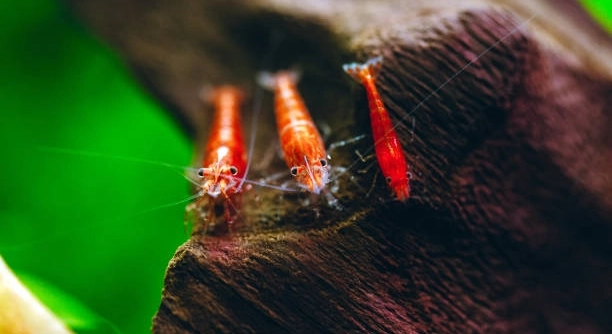
Why Are My Cherry Shrimp Not Moving?

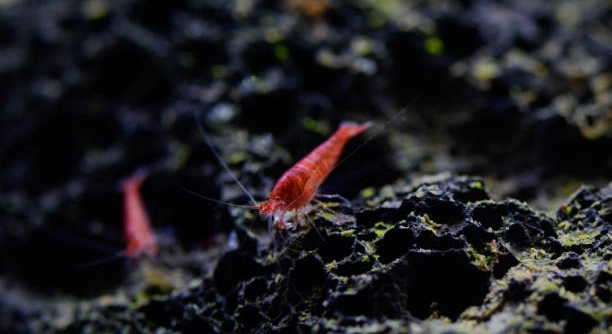
Have you ever noticed your cherry shrimp sitting still for long periods in the tank, seeming less active than usual? Observing them quietly can make you wonder about their overall health and environment. Cherry shrimp often stop moving due to stress, poor water quality, or improper temperature. Low oxygen levels, excessive ammonia, or sudden changes … Read more
7 Things That Can Kill Shrimp Without Warning

Keeping shrimp healthy can be more challenging than it seems. Even experienced hobbyists can face sudden losses despite careful feeding and maintenance routines. Many hidden factors in their environment can quickly turn dangerous without warning. Shrimp can die suddenly due to water quality changes, harmful chemicals, improper temperature, lack of oxygen, disease, incompatible tank mates, … Read more

Can You Keep Cherry Shrimp with Snails?

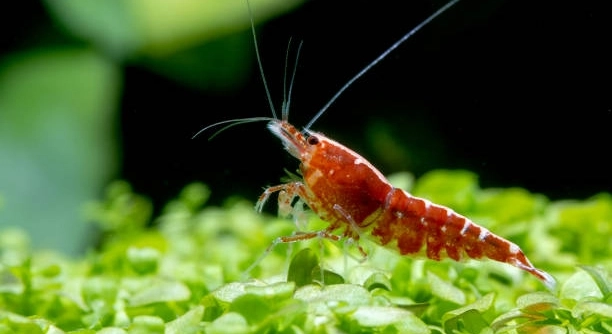
Cherry shrimp are small, colorful freshwater creatures that add life to any aquarium. Snails, equally peaceful, are often kept alongside shrimp for cleaning and decoration purposes in home tanks. They both bring unique charm to aquatic spaces. Cherry shrimp can generally coexist peacefully with most snail species, provided the tank is spacious, well-maintained, and stocked … Read more

7 Simple Ways to Boost Cherry Shrimp Color

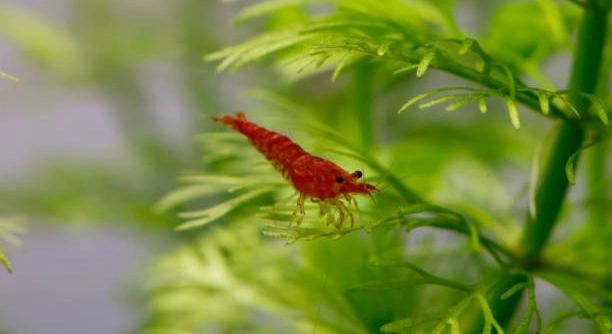
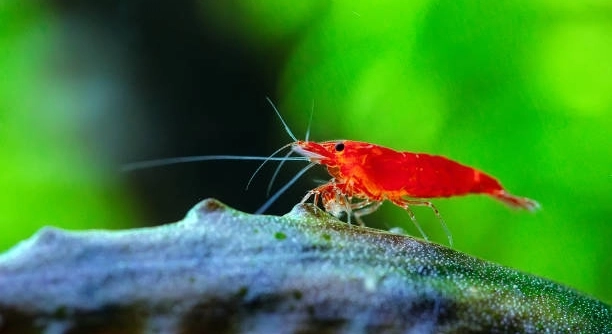
Cherry shrimp are small, colorful freshwater creatures that many aquarists enjoy keeping in their tanks. Their vibrant hues add life to any aquarium, making them a favorite for both beginners and experienced hobbyists alike. Enhancing cherry shrimp coloration relies on proper nutrition, stable water conditions, and selective breeding. Providing a varied diet rich in carotenoids, … Read more

Do Cherry Shrimp Care About Water Temperature?

Cherry shrimp are delicate creatures that thrive in carefully maintained environments. Their tiny bodies are sensitive to changes in their surroundings, and every aspect of their tank can affect their health and activity. Maintaining stability is key for these pets. Cherry shrimp do respond to water temperature. Optimal ranges help regulate their metabolism, feeding behavior, … Read more

Do Cherry Shrimp Sleep? (What It Looks Like)

Do you ever find yourself watching your aquarium and noticing the tiny cherry shrimp moving slowly along the plants? These small creatures are fascinating to observe, and their behaviors can sometimes be puzzling. Cherry shrimp do sleep, though not in the same way mammals do. They experience short periods of rest during which their activity … Read more

Why Are My Cherry Shrimp Floating?

Are your cherry shrimp floating near the surface of your aquarium, leaving you concerned about their health? Observing shrimp behavior can be unsettling, especially when they seem unable to swim properly or stay near the bottom of the tank. Floating cherry shrimp are often a result of water quality issues, improper diet, or stress from … Read more

7 Signs Your Cherry Shrimp Are Fighting for Space

Are your cherry shrimp showing signs of stress in your tank? Watching these small, colorful creatures interact can be fascinating, yet sometimes their behavior hints at deeper issues within their shared environment. Observing closely is important. Cherry shrimp often compete for space when their habitat is overcrowded or lacks sufficient hiding spots. Territorial behaviors, such … Read more

7 Ways to Help Shrimp Recover After a Bad Molt

Molting is a natural process for shrimp, but sometimes it does not go smoothly. After a bad molt, shrimp can become weak, vulnerable, and stressed. Proper care during recovery is essential to ensure their health and survival. Helping shrimp recover after a bad molt involves providing a stress-free environment, maintaining clean water with optimal parameters, … Read more

7 Reasons Your Cherry Shrimp Won’t Eat

Are your cherry shrimp ignoring the food you carefully place in their tank? Many shrimp owners face this frustrating issue, especially when their tanks appear clean and their pets seem otherwise healthy and active. Cherry shrimp may refuse food due to a combination of environmental stress, water quality issues, improper diet, molting cycles, overcrowding, disease, … Read more