
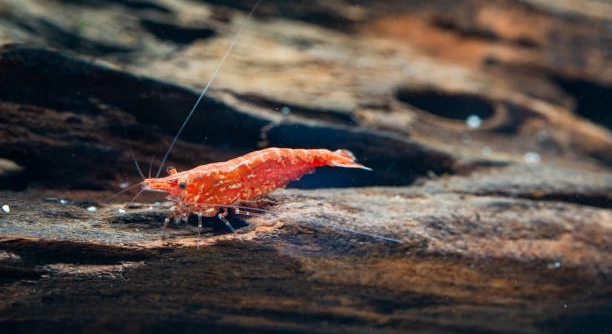
Setting up a shrimp tank can be exciting, but it also comes with challenges that can affect your shrimp’s health. Many beginners make simple mistakes that can harm the tiny creatures before they even settle in. Learning the basics early helps create a stable environment.
Avoiding common mistakes during a shrimp tank setup is essential for maintaining water quality and shrimp health. Errors such as overstocking, incorrect water parameters, poor substrate choices, and improper filtration can lead to stress, disease, and high mortality rates.
Even small missteps can have big consequences for your shrimp. Understanding what to avoid ensures a safer, healthier start for your aquatic pets.
Overcrowding Your Tank
When setting up a shrimp tank, it’s easy to get carried away with adding too many shrimp at once. I’ve made this mistake before, and it always leads to stress for the shrimp. Each species has specific space requirements, and ignoring them can cause competition for food and hiding spots. Overcrowding also affects water quality because more waste is produced than the tank can handle. Filtration might not keep up, leading to ammonia and nitrite spikes that are harmful to shrimp. Even if the shrimp appear fine initially, their health can deteriorate over time. It’s better to start small and increase numbers gradually once the tank is stable. Observing the shrimp’s behavior helps you notice stress or aggression early, allowing adjustments before serious problems develop. Taking your time with stocking ensures a balanced, calm environment where shrimp can thrive naturally.
Adding too many shrimp too quickly can overwhelm the tank, leading to poor water quality, stress, and higher mortality rates among the shrimp.
Starting with fewer shrimp allows you to monitor water parameters closely and make adjustments without risking the entire colony. Patience pays off in the long term.
Ignoring Water Parameters
Maintaining proper water parameters is crucial for shrimp health. Shrimp are sensitive to pH, temperature, and hardness, and even small fluctuations can be harmful. I’ve seen tanks fail when parameters were not tested regularly. New tanks are especially vulnerable because water chemistry changes quickly. Using a test kit consistently helps catch issues early. Temperature should remain stable, avoiding direct sunlight or drafts near the tank. pH levels need gradual adjustments; sudden changes can shock shrimp. Hardness affects molting, and improper levels may lead to failed molts and stress. Keeping ammonia, nitrite, and nitrate in check is essential because these compounds can rise unnoticed. Regular partial water changes support stability and prevent toxin buildup. Adding plants or buffering materials can help maintain balanced water conditions. Observing shrimp behavior, like hiding or sluggishness, often indicates problems with water quality. By paying attention to these factors, you ensure shrimp remain active, healthy, and ready to thrive.
Regular testing and adjustments are essential to prevent problems before they impact your shrimp. Consistency is key.
Using the Wrong Substrate
The substrate affects shrimp health and water chemistry. Using gravel that alters pH or contains sharp edges can harm shrimp and stunt growth. Choosing a substrate designed for shrimp tanks ensures proper mineral balance and safe surfaces for molting.
I learned early that some substrates can slowly change water chemistry. For example, limestone gravel increases hardness and pH, which is not ideal for many shrimp species. Soft, neutral substrates allow shrimp to thrive and make molting safer. Substrates that hold beneficial bacteria also support biological filtration, keeping ammonia and nitrite levels low. A good substrate encourages plant growth, providing hiding spots and natural food sources. Without the right substrate, shrimp may struggle with molting or show reduced activity. Paying attention to this detail creates a healthier, more stable environment where shrimp can live comfortably and reproduce successfully.
Shrimp also interact with their substrate constantly, sifting through it for food. Rough or chemically reactive materials can damage delicate legs or alter water chemistry, stressing the shrimp. Choosing a substrate suited for your shrimp species prevents these issues and supports overall tank stability.
Overfeeding Your Shrimp
Feeding too much leads to water quality issues quickly. Leftover food decomposes, causing ammonia and nitrate spikes that stress shrimp.
I’ve noticed that even small overfeeding mistakes can have big effects. Shrimp only need tiny portions once or twice a day. Excess food settles in corners and under plants, creating hotspots for bacteria and fungi. These decomposing bits can cloud the water and produce harmful chemicals faster than the filtration can handle. Observing how quickly shrimp eat helps gauge proper amounts. Using sinking pellets or specialized shrimp food reduces waste. Some people prefer feeding every other day to prevent overfeeding while still keeping shrimp healthy. Regular tank cleaning complements careful feeding habits, keeping water parameters stable. Feeding responsibly ensures shrimp remain active, vibrant, and free from stress caused by poor water quality.
Feeding your shrimp the right amount encourages natural behavior and prevents hidden dangers from uneaten food. Adjust portions as your colony grows to maintain balance.
Skipping Tank Cycling
Many beginners skip the cycling process to get shrimp in quickly. This is risky because uncycled tanks have unstable water chemistry that can harm shrimp.
Cycling establishes beneficial bacteria that process ammonia into nitrite and nitrate. Without this step, ammonia spikes can kill shrimp quickly. Even if water looks clear, chemical levels can be deadly. Waiting for the cycle to complete ensures a safer environment and healthier shrimp.
Using Strong Chemicals
Strong cleaners or medications in the tank can harm shrimp, even if used in small amounts. Avoid household chemicals near the tank.
Shrimp are sensitive to copper, chlorine, and other substances often found in water treatments or aquarium medications. Even standard cleaning agents can leave residues that stress or kill shrimp. Always use shrimp-safe products, rinse new decorations thoroughly, and avoid soaps or detergents when cleaning the tank. Choosing natural remedies or specific shrimp treatments prevents accidents. Protecting the tank from strong chemicals ensures shrimp remain healthy, active, and stress-free, supporting growth and breeding success.
Poor Filtration
Weak or inappropriate filtration fails to maintain water quality. It can lead to stagnant areas and poor oxygen levels, stressing the shrimp.
What is the best way to cycle a shrimp tank?
Cycling a shrimp tank properly is essential for their health. The process involves establishing beneficial bacteria that convert ammonia to nitrite and then nitrate. I usually start by adding a small amount of shrimp-safe ammonia or decaying plant matter to feed the bacteria. Using a reliable test kit, I monitor ammonia, nitrite, and nitrate levels daily. When ammonia and nitrite consistently read zero, and nitrates are present, the tank is fully cycled. It’s important not to rush this process because shrimp are highly sensitive to spikes. Patience here saves a lot of stress and mortality later. I often keep plants in the tank during cycling since they help absorb nitrates and provide hiding spots for shrimp once they are added.
How often should I feed my shrimp?
Shrimp do not need a lot of food. Feeding once a day, sometimes every other day, is usually enough. I measure tiny portions to avoid leftovers that can decay and harm water quality. Observation is key; if food remains after a few hours, reduce the next feeding. Overfeeding is one of the most common mistakes I’ve seen. It can cause ammonia and nitrate spikes that stress or kill shrimp. Using sinking pellets designed for shrimp ensures food reaches them efficiently without floating and fouling the water. Occasionally, I supplement with blanched vegetables like zucchini or spinach. These natural foods offer fiber and nutrients while encouraging shrimp to forage naturally.
What water parameters are ideal for shrimp?
Shrimp require stable water conditions. I aim for a pH between 6.5 and 7.5, temperature around 72-78°F (22-26°C), and soft to moderately hard water. Ammonia and nitrite must always remain at zero, while nitrates should be low. Sudden changes can shock shrimp, so I adjust parameters slowly. Using a heater or thermometer helps maintain temperature stability. Adding mineral buffers or shrimp-specific substrates can help maintain water hardness. I’ve found that consistent monitoring with test kits prevents surprises. Plants also play a role, helping stabilize the environment naturally. By keeping parameters stable, shrimp remain active, healthy, and more likely to breed successfully.
How do I prevent diseases in my shrimp tank?
Maintaining clean water and stable parameters is the first step. I regularly remove uneaten food, perform partial water changes, and avoid overcrowding. Quarantining new shrimp before adding them to the main tank prevents introducing pathogens. Stress is a major factor in disease, so I make sure the tank is calm, with plenty of hiding spots. Avoiding copper-based medications and household chemicals is also critical. If a shrimp shows signs of illness, isolating it and checking water parameters helps prevent the problem from spreading. Feeding high-quality food supports immunity, while live plants contribute to overall health. Observing shrimp daily allows early intervention, which is often the difference between recovery and loss.
Can I keep different shrimp species together?
Some shrimp species can live together, but I’ve learned it requires careful selection. Compatibility depends on size, temperament, and water parameter preferences. For example, some Caridina and Neocaridina species have different pH or hardness needs. Mixing incompatible species can lead to stress, aggression, or crossbreeding. If keeping multiple species, I separate them by water requirements or provide larger tanks with plenty of hiding spaces. I also monitor behavior closely, as subtle aggression may indicate a problem. Successful multi-species tanks require research, patience, and observation, but they can be rewarding when done correctly.
How do I know if my shrimp are stressed?
Shrimp display stress through unusual behavior. I watch for hiding constantly, sluggish movement, or failing to molt properly. Color fading can also be a warning sign. Stress often stems from poor water quality, overcrowding, or sudden parameter changes. I check the tank for ammonia or nitrite spikes, temperature fluctuations, and overfeeding issues. Providing plants, moss, and hiding spots reduces stress by giving shrimp areas to retreat. I also avoid tapping the glass or making sudden movements near the tank. Stress prevention is much easier than recovery, so I focus on maintaining a calm, stable environment at all times.
Is it necessary to provide live plants in a shrimp tank?
Live plants are highly beneficial but not strictly required. I always include them because they stabilize water chemistry, offer hiding spaces, and provide surfaces for biofilm, which shrimp feed on. Plants also absorb nitrates, reducing the risk of spikes. Mosses, floating plants, and small-leafed species work best in small tanks. Even hardy plants like java fern or anubias thrive with minimal care. In my experience, tanks without plants require extra vigilance to maintain water quality and provide food surfaces. Including plants creates a more natural, low-stress environment that encourages normal shrimp behavior, molting, and breeding.
How often should I perform water changes?
Regular water changes are important, but they should be moderate to avoid shocking shrimp. I usually change 10-20% of the water weekly, depending on tank size and stocking density. Using dechlorinated water with similar parameters prevents sudden shifts. Over time, I adjust the schedule based on observed water quality and shrimp health. Frequent, small changes are safer than occasional large changes, which can destabilize the tank. I also siphon debris during changes to prevent waste buildup. Consistent, moderate water changes maintain stable conditions, reduce toxins, and support a thriving, healthy shrimp colony.
Can shrimp breed in a newly established tank?
Shrimp can breed once the tank is stable and parameters are suitable. I’ve learned that rushing the process often leads to stress and failed molts. Newly cycled tanks with stable water, low stress, and plenty of hiding spaces encourage natural breeding. Feeding high-quality food and providing moss or fine-leaved plants gives the young places to hide. Patience is essential; it can take weeks for shrimp to feel secure enough to spawn. Observing behavior, like berried females and active foraging, signals that the environment is right. Supporting this process gradually ensures successful reproduction without compromising adult health.
What are the signs of molting problems?
Shrimp with molting issues may appear stuck in their old shell or move very little. I check water hardness and calcium levels, as deficiencies often cause failed molts. Stress, poor nutrition, or unstable water parameters can also contribute. Providing hiding spaces allows shrimp to molt safely without being disturbed. Observing the frequency and condition of molts helps track overall health. If problems persist, I evaluate diet, water parameters, and substrate to identify the root cause. Addressing these factors promptly prevents injury and mortality, ensuring shrimp grow and reproduce normally.
How can I improve water flow in a small shrimp tank?
Water movement must be gentle; strong currents stress shrimp. I use sponge filters or small powerheads to create soft circulation. This prevents stagnant areas while avoiding strong currents that can exhaust the shrimp. Proper flow distributes nutrients and oxygen evenly throughout the tank. I often adjust flow after observing shrimp behavior, ensuring they are not constantly fighting the current. Live plants also help diffuse water movement, creating calmer zones. Maintaining balanced flow supports water quality, helps prevent debris accumulation, and keeps shrimp healthy, active, and comfortable in all areas of the tank.
How do I safely introduce new shrimp to an established tank?
Quarantine is essential before adding new shrimp. I keep them in a separate tank for at least two weeks to check for disease. Gradually acclimating them to the water temperature and parameters of the main tank reduces shock. I float the bag or use drip acclimation over several hours. Sudden introductions can lead to stress or mortality. Observing the new shrimp closely during the first days ensures they adjust well. I also provide hiding spots and avoid feeding heavily to prevent conflict. Following these steps helps maintain a healthy, stable colony and minimizes risk to both new and existing shrimp.
What is the best way to clean decorations without harming shrimp?
I avoid soaps or chemicals and instead rinse decorations with warm water. For stubborn algae, a soft brush works well. Boiling or soaking in dechlorinated water can remove residue safely. Avoiding strong cleaners prevents harmful substances from lingering in the tank. Consistent gentle cleaning keeps surfaces free of buildup while maintaining safe conditions. I remove decorations one at a time and rinse them thoroughly before returning them to the tank. By cleaning carefully, I protect delicate shrimp from chemical exposure and ensure their environment remains stable, healthy, and free from harmful residues.
How do I prevent algae overgrowth in a shrimp tank?
Balanced lighting and controlled feeding reduce algae growth. I use plants to compete with algae for nutrients and maintain proper water changes. Avoiding excess light prevents blooms. Shrimp help by grazing on algae naturally, but I monitor levels closely. Too much algae can harm water quality and hide waste, making maintenance harder. I’ve found that combining plants, light management, and moderate feeding keeps algae in check without chemicals. Observing tank conditions and adjusting care routines prevents overgrowth, ensuring a clean, healthy environment for shrimp to thrive.
What should I do if a shrimp dies in the tank?
Remove dead shrimp immediately to prevent water contamination. I check water parameters to ensure there are no spikes in ammonia or nitrite. Investigating possible causes, like stress, poor water quality, or disease, helps prevent further loss. A single death is normal, but multiple deaths indicate a problem. Regular monitoring and maintenance minimize these risks. Observing the rest of the colony for unusual behavior ensures no hidden issues are present. Prompt action helps maintain tank health and protects the remaining shrimp from preventable harm.
Setting up a shrimp tank takes patience and attention to detail. It can be exciting to plan how many shrimp to get, which plants to use, and what decorations to include, but it’s easy to make mistakes that affect the shrimp’s health. The first and most important step is making sure the tank is fully cycled. Skipping this step or rushing to add shrimp can cause water chemistry problems that are dangerous. Stable water conditions are the foundation of a healthy tank. Ammonia, nitrite, and nitrate levels need to be monitored carefully, and temperature, pH, and hardness should remain consistent. Small fluctuations may seem harmless, but shrimp are sensitive creatures and even minor changes can stress them. Patience during setup pays off in the long run because it gives the tank time to balance itself and creates a safe environment for the shrimp to thrive.
Feeding, cleaning, and maintaining water quality are ongoing responsibilities that affect shrimp health daily. Overfeeding is one of the most common mistakes beginners make. Uneaten food breaks down in the tank, causing ammonia and nitrate spikes that stress or kill shrimp. I’ve found that observing how quickly shrimp consume their food is the best way to adjust portions. Using shrimp-specific pellets or small amounts of blanched vegetables works well. Cleaning decorations and removing leftover food regularly prevents buildup of harmful substances. Plants also help maintain water quality by absorbing nitrates and providing natural surfaces for shrimp to graze on. Proper filtration is equally important, as it keeps water oxygenated and removes waste. Choosing the right filter, positioned carefully to avoid strong currents, ensures shrimp remain comfortable and stress-free. Paying attention to these small but critical tasks supports the long-term health and activity of the shrimp.
Finally, creating a balanced environment means paying attention to the shrimp’s behavior and making adjustments when necessary. Observing shrimp daily helps identify stress, disease, or molting problems early. Providing hiding spots with plants, moss, or decorations reduces stress and encourages natural behavior. Quarantining new shrimp before adding them to the main tank prevents the introduction of disease. Avoiding strong chemicals or copper-based treatments keeps shrimp safe. Even simple mistakes, like using the wrong substrate or overcrowding, can have lasting effects if not corrected. By following careful setup procedures, maintaining stable water parameters, feeding responsibly, and monitoring shrimp behavior, the tank becomes a healthy and thriving habitat. These practices may take time and attention, but they ensure that the shrimp live longer, remain active, and reproduce successfully, making the effort worthwhile.

Hello,
If you enjoy the content that we create, please consider saying a "Thank You!" by leaving a tip.
Every little bit helps us continue crafting quality advice that supports the health, happiness, and well-being of pets around the world, for pets of all shapes, sizes, and species.
We really appreciate the kindness and support that you show us!