
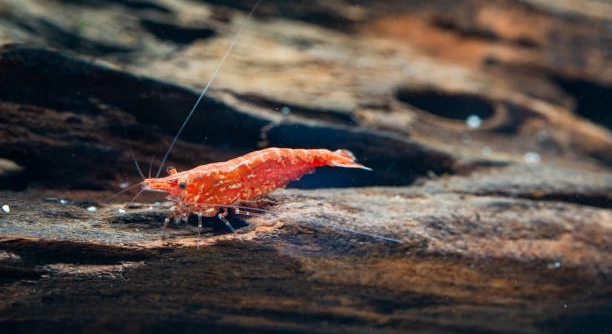
Shrimp are small creatures that often behave in ways that seem strange to us. After eating, they sometimes move to unusual spots in their tanks or natural habitats. This resting behavior is a common part of their daily routine.
Shrimp rest in odd spots after eating primarily to digest their food safely and efficiently. By choosing secluded or stable areas, they minimize stress and reduce exposure to predators, ensuring energy is conserved for essential metabolic processes and overall health maintenance.
Observing these tiny movements can reveal important insights into their well-being. Paying attention to where they rest can help maintain a healthy and comfortable environment.
Common Resting Spots for Shrimp
Shrimp often select specific areas to rest after eating. These spots can include corners of the tank, under decorations, or behind plants. They tend to favor places that feel safe and provide some cover from movement and light. By choosing these areas, shrimp can digest their meals without feeling threatened. The resting behavior is more noticeable in younger or recently fed shrimp, who are naturally more vulnerable. Observing these patterns helps identify which areas of the tank are preferred, giving insight into their comfort levels. Some shrimp even rest on the substrate, pressing themselves lightly against it to remain stable. Others may cling to vertical surfaces or the underside of decorations. Temperature and water flow also influence their choices, as calmer spots make digestion easier. Recognizing these tendencies allows caretakers to design the tank in a way that supports natural behaviors. Watching them settle after feeding can be quite calming and informative.
Resting in covered areas reduces stress and ensures shrimp remain safe while digesting their food.
Providing multiple secure spots in the tank encourages healthier feeding and resting patterns. Observing which areas are preferred can inform adjustments to habitat setup, such as rearranging plants or decorations. Gentle water flow and soft lighting also improve comfort, letting shrimp digest efficiently. By supporting their natural behaviors, shrimp remain active and show fewer signs of stress. Tank cleanliness and stable water parameters are equally important, as disruptions can force shrimp out of their preferred resting spots. Over time, patterns emerge, revealing which areas consistently serve as safe resting zones. This knowledge helps in making the tank more accommodating and can prevent injuries or stress-related health issues. Watching shrimp navigate to these spots after meals gives a glimpse into their instinctive habits and provides reassurance that they are healthy. Small changes, like adding moss or smooth surfaces, make a notable difference in encouraging regular resting and digestion behavior. Understanding these preferences supports a balanced, stable environment where shrimp thrive naturally.
Why Shrimp Choose Odd Spots
Shrimp often pick unusual areas to rest because these spots provide comfort and safety.
Shrimp select locations that protect them from predators and reduce stress. After feeding, they seek areas with minimal movement, stable surfaces, and gentle water flow. These spots may seem odd to observers but are ideal for digestion. The choice is influenced by instinct and environmental conditions. Shrimp also favor shaded or slightly hidden spaces, which allow them to rest without being disturbed. Even small differences in tank layout or decoration placement can shift their preferred spots. Over time, caretakers can notice consistent patterns, helping them better arrange the habitat. Supporting these preferences enhances shrimp health and encourages natural activity. They may cluster together or rest alone depending on their comfort level, water parameters, and recent feeding. Monitoring these behaviors provides valuable insight into their daily routines, indicating when adjustments to food, water flow, or tank decor might be needed. Ensuring these resting areas remain clean, stable, and free from sudden disturbances is essential for digestion and overall well-being. Observing these patterns also makes caring for shrimp more rewarding and predictable, showing the subtle ways they interact with their environment.
Digestion and Energy Conservation
Shrimp rest after eating to digest food efficiently. By staying still in calm areas, they conserve energy, allowing their bodies to focus on breaking down nutrients and supporting growth and health.
During digestion, shrimp slow their activity to avoid stress and reduce the risk of injury. Their small bodies need energy to process food, and resting in safe spots helps ensure this energy is used efficiently. Rapid movement or disturbances can disrupt digestion and increase vulnerability to stress. By choosing secure and quiet areas, shrimp can maintain proper metabolism and nutrient absorption. Observing these behaviors shows how sensitive they are to their environment and how instinct guides them to prioritize safety during this critical time.
Resting also prevents excessive energy use after feeding, which could weaken shrimp over time. Calm, stable areas allow for proper metabolic function. By paying attention to these behaviors, caretakers can adjust tank setup or feeding schedules to ensure shrimp remain healthy. Providing adequate hiding spots, gentle water flow, and minimal disturbances supports their digestive needs. Patterns of movement and rest often indicate whether shrimp are comfortable and receiving proper nutrition. Understanding these natural behaviors helps maintain overall tank balance. It also shows how small adjustments in environment can significantly improve shrimp health and energy management.
Environmental Factors Influencing Resting
Water temperature, lighting, and flow affect where shrimp rest. Calmer areas with stable conditions are preferred, while strong currents or bright light push them to hidden spots.
Shrimp are highly sensitive to environmental changes. Sudden fluctuations in temperature, pH, or water flow can make them seek odd resting locations. Gentle lighting and steady flow create a sense of security, encouraging normal digestion and reducing stress. Decorations and plants provide extra cover, letting shrimp rest without feeling exposed. Even small differences in tank layout can change where shrimp feel comfortable. Consistent conditions help them establish reliable resting habits, which support overall health and behavior patterns.
Proper tank setup ensures shrimp have suitable resting areas after eating. By arranging plants, moss, or hiding spaces in quiet zones, they can digest without stress. Monitoring water parameters and keeping conditions stable reduces the need for shrimp to move to unsafe spots. Adjustments such as lowering strong currents or dimming lights during feeding times improve their comfort. Observing where they rest consistently highlights which areas meet their needs, allowing caretakers to maintain a balanced environment. Supporting these preferences encourages regular, healthy digestion and helps shrimp stay active and resilient throughout their daily routines.
Social Behavior and Resting
Shrimp sometimes rest in odd spots due to social interactions. They avoid areas with aggressive tank mates or crowded spaces to stay safe while digesting.
They may cluster in calm areas or spread out, depending on the dynamics within the tank. Resting alone or near others is influenced by comfort and perceived safety.
Feeding Schedule and Rest Patterns
Shrimp often adjust their resting spots based on feeding times. After meals, they move to quieter areas to process food efficiently. Frequent, small feedings encourage regular resting behavior, while irregular schedules can cause stress and unpredictable movements. Maintaining consistent feeding times helps shrimp feel secure and digest without disturbance.
Signs of Stress While Resting
Shrimp that are stressed may hide excessively or move erratically. Observing these signs helps identify environmental or social issues that need attention.
FAQ
Why do shrimp choose unusual spots to rest after eating?
Shrimp select resting spots that feel safe and stable. After eating, they are more vulnerable and need areas that reduce exposure to stress and movement. Covered spaces, calm water zones, and shaded corners are all preferred because they allow digestion without disturbance. These spots may seem odd, but they provide the security shrimp need to process their food effectively.
Is it normal for shrimp to stay hidden for hours after feeding?
Yes, it is common. Some shrimp rest for extended periods to fully digest their meals. Younger shrimp or newly fed individuals may hide longer as they are more cautious. Providing adequate hiding spaces ensures they can rest without stress, supporting proper metabolism and overall health.
Do water conditions affect where shrimp rest?
Absolutely. Temperature, pH, and water flow play major roles in resting behavior. Shrimp prefer calm, stable areas with gentle currents. Sudden changes in water conditions may force them to relocate to odd spots. Maintaining consistent water parameters promotes regular resting habits and reduces stress.
Can tank decorations influence resting spots?
Yes, decorations, plants, and moss create safe spaces for shrimp. Vertical surfaces, corners, and shaded areas give them places to settle after eating. Adjusting decorations or adding new hiding spots can encourage natural resting behavior and support digestive health.
Should I be concerned if shrimp rest on the substrate?
Not usually. Resting on the substrate can be a sign they feel secure and are conserving energy. It can also indicate preference for a stable surface to process food. Only monitor if they appear lethargic or show unusual movement patterns.
Do shrimp rest alone or in groups?
Both behaviors are normal. Some shrimp prefer isolated spots to avoid competition, while others may rest near companions if they feel safe. Social dynamics, tank density, and comfort influence whether shrimp cluster together or spread out while resting.
Does feeding type affect resting behavior?
Yes. Heavier or protein-rich meals may require longer digestion, causing shrimp to rest in secluded areas. Lighter feedings might lead to shorter resting periods. Observing how shrimp respond to different foods helps optimize feeding schedules and habitat setup.
How can I make my shrimp feel more comfortable while resting?
Provide calm water flow, shaded areas, and multiple hiding spots. Avoid sudden disturbances, loud noises, or abrupt light changes. Consistent feeding times and clean water also contribute to comfort, letting shrimp rest naturally after meals.
Is it okay if shrimp change their resting spots often?
Yes, occasional changes are normal. Variations in water flow, temperature, or tank layout may cause them to explore new safe areas. Frequent relocation could indicate stress or unsuitable conditions, so it is useful to monitor for patterns and adjust the environment accordingly.
Can observing resting behavior indicate health issues?
Yes. Shrimp that consistently avoid safe spots, move erratically, or appear lethargic may be stressed or unwell. Regular observation helps detect early signs of illness or environmental problems, allowing timely adjustments to diet, water quality, or tank setup to maintain health and well-being.
Do shrimp prefer specific spots at different times of the day?
Yes, light levels and activity in the tank influence resting choices. Shrimp often select quieter, shaded areas during brighter periods and may become more active during low-light times. Understanding their natural rhythms helps create a supportive environment.
How does tank size affect resting behavior?
Smaller tanks may limit available safe spaces, forcing shrimp to adapt to less ideal resting spots. Larger tanks provide more options, letting shrimp choose areas with minimal stress and gentle water flow. Proper design and layout are key to supporting healthy resting patterns.
What role does stress play in resting habits?
Stress can cause shrimp to hide excessively or move unpredictably. High stress may result from aggressive tank mates, poor water conditions, or sudden disturbances. Creating a calm, stable environment encourages normal resting behavior and supports digestion, growth, and overall health.
Can resting spots indicate shrimp hierarchy?
Sometimes. Dominant individuals may claim preferred areas, while submissive shrimp find alternative spots. Observing these dynamics can help identify social patterns and adjust tank design to provide enough safe resting areas for all shrimp, reducing conflict and stress.
How do I know if my shrimp’s resting behavior is normal?
Normal resting involves periods of stillness in calm, safe areas. Occasional movement to different spots is expected. Concern arises when shrimp hide constantly, avoid food, or show unusual lethargy. Monitoring daily patterns helps ensure they are comfortable and healthy.
Do shrimp ever rest in open areas?
Occasionally, shrimp may rest in open spaces if they feel secure and water conditions are calm. This is more likely in low-stress environments with stable lighting and gentle water flow. Most prefer partially hidden spots for added safety.
How long do shrimp usually rest after eating?
Resting times vary depending on age, diet, and environmental factors. Some may rest for 30 minutes, while others stay still for several hours. Observing your shrimp’s habits helps identify their natural rhythm and optimal feeding schedule.
Does lighting affect shrimp resting behavior?
Yes. Bright light can make shrimp seek shaded or hidden areas, while dim or natural lighting encourages more relaxed resting. Gradual light changes and soft illumination promote comfort and reduce stress during digestion.
Are resting spots permanent or flexible?
They are flexible. Shrimp may change locations depending on tank conditions, social interactions, or environmental changes. Providing multiple safe areas ensures they can always find suitable spots to rest comfortably.
Can resting spots affect shrimp breeding?
Yes. Stress-free, secure resting areas support proper digestion and energy balance, which are important for reproductive health. Shrimp that feel safe are more likely to engage in normal breeding behaviors.
How do I encourage shrimp to use designated resting areas?
Arrange moss, plants, and decorations to create calm zones. Ensure gentle water flow, consistent lighting, and minimal disturbances. Gradually, shrimp will prefer these areas after feeding, supporting healthy digestion and natural behavior.
Do shrimp show signs of comfort while resting?
Yes. Relaxed posture, minimal movement, and staying in safe spots indicate comfort. Shivering, rapid swimming, or constant relocation may signal stress or discomfort that needs addressing.
How often should I monitor resting behavior?
Daily observation is helpful. Tracking resting spots, movement patterns, and activity levels provides insight into health, social dynamics, and environmental suitability. Consistent monitoring allows timely adjustments to support shrimp well-being.
Can resting behavior indicate tank overcrowding?
Yes. If shrimp frequently hide or avoid open areas, it may suggest too many individuals for the space. Adjusting population, providing more hiding spots, or rearranging decorations can alleviate stress and encourage normal resting behavior.
How does water flow interact with resting preferences?
Shrimp prefer calm or gently flowing areas. Strong currents may push them to less ideal or unusual resting spots. Adjusting flow and creating sheltered zones encourages natural digestion and reduces stress.
Can resting behavior predict feeding success?
Observing where and how shrimp rest after feeding shows how well they digest and utilize food. Consistent, calm resting patterns suggest proper feeding, while erratic behavior may indicate nutritional or environmental issues.
Does age affect resting behavior?
Yes. Younger shrimp often hide longer and select safer spots due to vulnerability, while adults may rest more openly if conditions are stable. Age influences energy needs, digestion, and comfort preferences, impacting their choice of resting areas.
Can resting spots indicate water quality issues?
Frequent relocation to odd or extreme spots may signal water problems. Testing parameters like ammonia, nitrite, nitrate, and pH helps determine if conditions are causing stress, allowing timely correction to support normal behavior.
Do shrimp ever rest vertically or on decorations?
Yes. Clinging to vertical surfaces or hiding under decorations is common. These positions offer stability, safety, and low disturbance, helping shrimp conserve energy and digest food efficiently.
How can I tell if shrimp are resting too much?
Excessive hiding or inactivity may indicate stress, illness, or poor water conditions. Comparing resting behavior to normal patterns helps detect potential problems. Healthy shrimp balance rest with active exploration and feeding.
Are resting habits different for freshwater versus saltwater shrimp?
Yes, but the principles are similar. Both seek safe, calm areas for digestion. Differences in habitat, species behavior, and water parameters influence resting locations and duration, but safety and energy conservation remain key factors.
How does tank maintenance affect resting behavior?
Regular cleaning and stable water parameters support normal resting patterns. Sudden changes or poor maintenance increase stress, causing shrimp to hide or relocate unpredictably. Consistency in care helps shrimp settle comfortably after feeding.
Can resting behavior improve with environmental enrichment?
Yes. Adding moss, plants, caves, and varied substrates encourages natural resting choices. Enriched environments reduce stress, support digestion, and promote overall health. Shrimp adapt quickly when provided with safe and comfortable areas.
Does diet type change how long shrimp rest?
Protein-rich meals or heavier foods may increase resting periods. Lighter, easily digested feedings lead to shorter resting times. Monitoring responses to different diets helps optimize feeding schedules and overall shrimp health.
Can observing resting spots help prevent disease?
Yes. Changes in resting habits often appear before other symptoms. Noticing shrimp hiding excessively or avoiding normal spots can prompt early intervention, improving chances of addressing illness or environmental stress before it worsens.
How do I balance tank aesthetics with shrimp resting needs?
Arrange plants, decorations, and hiding spots strategically. Ensure there are shaded, stable zones while maintaining open areas for viewing. Thoughtful layout supports natural behavior without compromising the tank’s appearance.
What is the best way to track resting behavior?
Regular observation, notes, or photos help identify patterns. Record preferred spots, resting times, and reactions to feeding or environmental changes. Tracking over time reveals habits, highlights potential issues, and guides habitat adjustments.
Can resting behavior vary by species?
Yes. Different species have unique preferences for hiding, substrate, and water flow. Observing species-specific habits helps tailor tank setup, feeding, and care to support healthy resting and digestion.
Do shrimp ever rest in groups for warmth or protection?
Some species cluster together in secure areas, which can provide safety and reduce stress. Group resting is influenced by social structure, tank density, and comfort level. Providing enough hiding spots ensures all shrimp have access to safe resting zones.
Does overfeeding affect resting behavior?
Yes. Overfeeding can cause shrimp to rest longer due to increased digestion needs, or it may stress the tank environment, forcing shrimp into unusual spots. Controlled feeding encourages balanced digestion and natural resting habits.
Can resting behavior indicate molting readiness?
Shrimp may choose secure spots before molting, reducing movement and vulnerability. Observing consistent hiding in safe areas can signal an upcoming molt, allowing caretakers to ensure optimal conditions for this critical stage.
Are there seasonal changes in resting patterns?
Temperature and light fluctuations may alter resting locations and durations. Shrimp often adapt by choosing spots that maintain comfort and energy balance. Observing seasonal patterns helps maintain consistent care and stable conditions year-round.
How do I know if resting spots are adequate?
Shrimp should have multiple safe, calm zones. If they hide excessively, relocate constantly, or avoid open areas, it may indicate insufficient spots. Adjusting tank layout, decorations, or lighting can improve comfort and digestion opportunities.
Can resting behavior affect shrimp lifespan?
Consistent, stress-free resting supports energy conservation, digestion, and overall health, which can contribute to longevity. Poor resting conditions or constant stress may reduce resilience and shorten lifespan. Monitoring and optimizing resting spots promotes long-term well-being.
Do shrimp communicate while resting?
Indirectly. Resting locations and clustering patterns reflect social dynamics. Observing their positions can reveal hierarchy, comfort levels, and interactions with tank mates, helping understand group behavior without disturbance.
Can resting patterns help identify tank improvements?
Yes. Shrimp choosing odd spots may indicate areas needing calmer water, more cover, or better layout. Adjusting environment based on observations improves comfort, digestion, and overall health.
How long should I wait before intervening if shrimp rest oddly?
Observe for several feeding cycles before making changes. Occasional variation is normal, but consistent avoidance, lethargy, or unusual hiding suggests a need to check water quality, tank setup, or social dynamics.
Do resting spots affect shrimp activity levels?
Yes. Comfortable resting areas allow shrimp to conserve energy for exploration and feeding. Inadequate spots may lead to stress, reducing overall activity and impacting health.
Can adding moss or plants reduce odd resting behavior?
Yes. Extra cover provides security and promotes natural resting habits. Shrimp are more likely to settle in these areas after feeding, supporting digestion and minimizing stress.
Are some shrimp more prone to odd resting spots than others?
Individual temperament, age, and health influence resting choices. Some shrimp are naturally cautious or subordinate, selecting hidden or unusual spots more frequently. Observing patterns helps tailor care to individual needs.
Do shrimp use vertical surfaces for digestion?
Yes. Vertical surfaces like plant stems or decorations offer stability and safety. Resting here supports digestion by reducing movement and providing a secure position in the tank.
How often do resting habits change with tank modifications?
Shrimp may explore new spots after rearranging decorations, changing flow, or adjusting lighting. They typically settle once conditions are stable. Observing these shifts helps identify preferred safe zones and optimize habitat layout.
Can resting spots indicate social stress?
Yes. Shrimp avoiding dominant individuals or moving frequently may signal social tension. Providing multiple hiding areas reduces conflict and allows natural resting behavior, improving overall group health.
Do shrimp adjust resting spots based on feeding location?
Yes. They often move away from feeding zones to digest in quieter areas. This separation ensures safety and minimizes disturbances while processing food.
Is it normal for shrimp to return to the same resting spot daily?
Yes. Consistency in preferred spots indicates comfort and secure environmental conditions. Observing regular patterns reassures caretakers that shrimp feel safe and are resting properly.
Can resting spots impact growth rate?
Indirectly. Safe, calm areas support energy conservation and proper digestion, which influences nutrient absorption and growth. Stress or inadequate resting zones can slow development or affect overall health.
How does group size affect resting preferences?
Larger groups may force some shrimp to find alternative spots. Providing multiple secure areas ensures all individuals can rest safely without conflict or overcrowding.
Do shrimp ever share hiding spots?
Yes. Sharing occurs when space is limited or social bonds are strong. Multiple safe areas help reduce overcrowding and allow shrimp to rest comfortably without competition.
Can resting behavior indicate successful feeding?
Yes. Calm, consistent resting after meals suggests shrimp are digesting properly. Erratic movement or excessive hiding may indicate stress, poor nutrition, or inadequate environmental conditions, prompting adjustments to support feeding success.
How do I maintain resting areas long-term?
Keep areas clean, stable, and minimally disturbed. Regular water checks, gentle flow, and careful tank design ensure shrimp continue using safe spots, supporting digestion, energy conservation, and overall well-being.
Do shrimp prefer soft or hard surfaces for resting?
Both can be used depending on species and comfort. Soft moss or plants offer cushioning, while hard surfaces like rocks or decoration provide stability. A mix supports natural behavior and choice.
Are resting habits influenced by tank mates?
Yes. Aggressive or dominant tank mates may force shrimp to relocate to safer spots. Observing social interactions helps adjust layout, population, and hiding areas for balanced resting opportunities.
Can resting patterns help detect early molting issues?
Yes. Shrimp often hide or choose specific safe spots before molting. Changes in resting behavior can indicate preparation for molt, allowing caretakers to ensure optimal conditions and reduce stress during this vulnerable stage.
Does tank lighting schedule affect resting behavior?
Yes. Gradual lighting changes and dim periods encourage natural resting patterns. Sudden bright light can push shrimp into hidden areas, while consistent schedules support digestion and comfort.
Can resting behavior reveal water quality problems early?
Yes. Frequent relocation, unusual hiding, or avoidance of normal spots may signal poor water quality. Early detection allows timely intervention, preventing stress, illness, or mortality.
Do shrimp adjust resting spots seasonally?
Yes. Temperature, light, and activity changes can influence where they settle. Observing these patterns helps maintain consistent comfort and care across seasons.
How important is habitat enrichment for resting behavior?
Crucial. Adding moss, plants, caves, or varied substrates provides safe options for digestion. Enriched environments reduce stress and support natural resting patterns.
Does overpopulation affect resting habits?
Yes. Crowded tanks limit safe zones, forcing shrimp into suboptimal areas. Providing multiple hiding spots or reducing population density supports healthy digestion and energy conservation.
Can resting behavior indicate feeding satisfaction?
Yes. Calm, stable resting after meals suggests proper digestion and satisfaction. Erratic or prolonged hiding may indicate stress, competition, or insufficient feeding.
How often should hiding spots be cleaned?
Regular cleaning is essential to prevent debris and algae buildup. Gentle maintenance preserves safety and comfort, encouraging shrimp to continue using preferred resting areas.
Do shrimp show preference for certain hiding materials?
Yes. Moss, plants, and smooth decorations are often favored. Observing usage helps determine which materials provide the most comfort for digestion and resting.
Can resting spots influence breeding behavior?
Safe, stress-free resting areas support energy balance and proper digestion, which positively affects reproductive readiness and success.
Are resting habits the same across all species?
No. While safety and energy conservation are common factors, species differ in preferred surfaces, light levels, and social patterns. Observing individual species ensures tailored care and optimal resting conditions.
Do shrimp ever rest in open water?
Occasionally, if conditions are calm and safe. Most prefer covered or shaded areas to reduce risk while digesting.
Can resting patterns help detect disease early?
Yes. Deviations from normal behavior, such as constant hiding or unusual movement, can indicate illness or environmental stress, allowing early intervention.
How does molting affect resting behavior?
Shrimp often select secluded, stable spots before and after molting. This reduces risk of injury and supports recovery during a vulnerable period.
Can resting behavior be influenced by water flow adjustments?
Yes. Gentle flow encourages stable resting, while strong currents may force shrimp to relocate or avoid certain areas, affecting digestion and comfort.
Do shrimp return to the same resting spots daily?
Many do. Consistent use of preferred areas indicates comfort and security, while frequent changes may suggest environmental or social stress.
How long is typical resting duration after feeding?
It varies by age, species, diet, and environmental conditions. Shorter periods occur with light feedings, longer periods with protein-rich meals or during molting.
Can resting behavior indicate social hierarchy?
Yes. Dominant individuals often occupy preferred spots, while submissive shrimp seek alternative areas. Observing patterns helps manage population balance and tank layout.
**Does temperature influence resting habits?
Final Thoughts
Observing shrimp resting behavior offers a lot of insight into their health and comfort. After eating, shrimp often move to unusual or hidden spots. This behavior is natural and helps them digest food safely. By choosing calm areas with gentle water flow and some cover, shrimp can conserve energy and reduce stress. Watching these movements over time shows patterns that indicate whether they feel secure in their environment. A shrimp that rests in predictable spots and returns to them after feeding is likely healthy and comfortable. On the other hand, shrimp that hide constantly or move erratically may be experiencing stress or environmental issues that need attention. Understanding these behaviors allows caretakers to create a habitat that supports natural habits, energy conservation, and overall well-being.
Providing multiple safe resting spots in a tank is essential. Plants, moss, rocks, and decorations all give shrimp options to settle in areas they find comfortable. Vertical surfaces or shaded corners are particularly favored because they offer stability and protection. Water parameters also play an important role in determining where shrimp feel safe. Stable temperature, pH, and gentle flow encourage normal resting behavior and allow digestion to occur efficiently. Observing shrimp over time helps identify which areas they prefer, so adjustments can be made to improve their habitat. Even small changes, such as adding a moss-covered rock or moving a plant to create a shaded area, can make a noticeable difference. Supporting these natural choices ensures shrimp have a secure environment that promotes energy conservation and proper digestion.
Resting behavior is also influenced by social interactions and feeding routines. Some shrimp prefer to rest alone, while others cluster near companions, depending on comfort and tank dynamics. Feeding schedules can affect how long and where shrimp settle after meals. Consistent, small feedings help establish predictable resting patterns, while irregular schedules may cause stress or unpredictable movements. Paying attention to these details allows caretakers to optimize care. By observing resting spots, energy use, and general activity, it is possible to maintain a balanced tank environment that promotes growth, health, and natural behavior. Supporting shrimp in this way not only improves their physical well-being but also allows for a more enjoyable and rewarding experience when caring for them. Over time, these observations help create a habitat that encourages natural behavior, reduces stress, and ensures that shrimp remain active, healthy, and comfortable in their home.

Hello,
If you enjoy the content that we create, please consider saying a "Thank You!" by leaving a tip.
Every little bit helps us continue crafting quality advice that supports the health, happiness, and well-being of pets around the world, for pets of all shapes, sizes, and species.
We really appreciate the kindness and support that you show us!