
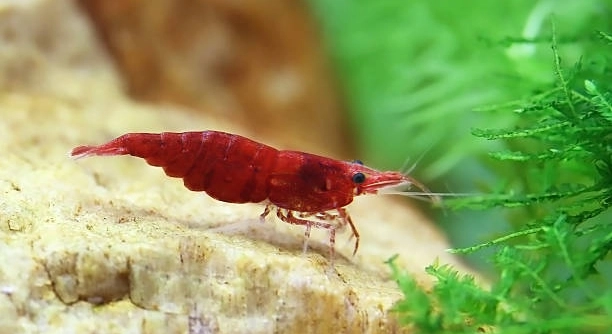
Do you ever notice your shrimp staying still for long periods, leaving your tank looking less lively than you hoped? Understanding their calm moments can help you create a space that supports movement and activity.
The simplest way to encourage shrimp activity is to improve environmental conditions including water parameters, hiding spots, and consistent feeding. Stable surroundings reduce stress and promote exploration, allowing shrimp to feel secure enough to move, forage, and interact throughout habitat.
These simple changes can shape your shrimps daily rhythm, creating a livelier tank that supports growth and a calm environment.
Creating the Right Water Conditions
Maintaining stable water conditions is one of the most effective ways to keep shrimp active, and it starts with careful attention to basics. Clean, well filtered water helps them feel secure enough to move around freely. Regular checks for ammonia, nitrite, and nitrate levels keep stress low, allowing your shrimp to explore without hesitation. A gentle current also supports natural behavior, helping them search for food and interact with their surroundings. When temperature and pH remain steady, shrimp become more confident, which leads to more visible activity. Small adjustments like topping off evaporated water and removing debris make a noticeable difference in how lively your tank feels overall.
Consistent water parameters allow shrimp to behave naturally, giving them the stability they need to remain active throughout the day.
A tank that stays clean and balanced creates a calm rhythm for your shrimp, and this steady environment encourages movement, foraging, and social interaction that feels natural and reassuring.
Offering Plenty of Hiding Places
Shrimp become more energetic when they know they can retreat to safe spots, and providing these areas is easy and effective.
A variety of hiding spaces helps shrimp feel relaxed, which leads to more confident movement outside of their shelters. Plants, moss, and small structures give them places to rest and recover throughout the day. When shrimp know they can return to a secure spot, they are more likely to roam through the tank without hesitation. Natural decor like leaf litter and driftwood adds surfaces for grazing, encouraging them to stay active while feeding. These elements also create shaded sections that feel comfortable and protective. Even a small change, such as adding a clump of moss, can boost their sense of safety. Over time, a well arranged tank becomes a welcoming space where shrimp feel peaceful enough to explore, interact, and display their full range of behaviors.
Encouraging Natural Foraging
Shrimp stay active when they have things to pick at, so adding natural foods and surfaces gives them a reason to move. Biofilm rich areas, leaf litter, and soft algae patches keep them grazing throughout the day with gentle, steady activity.
Providing a steady supply of natural grazing spots supports healthy movement and keeps shrimp busy for long stretches. Indian almond leaves, mosses, and porous decorations encourage biofilm growth that shrimp love to nibble on. These foods develop slowly, offering a constant source of nutrition that promotes natural behavior. When shrimp can graze freely, they become less dependent on pellets and show more curiosity in their surroundings. This type of environment also reduces stress because shrimp always have something familiar and comforting to eat.
Supplemental feeding can help, but it works best when paired with natural options. Small portions of powdered foods or finely crushed pellets spread across the tank create tiny particles that shrimp enjoy chasing. This encourages coordinated movement and helps maintain a steady feeding pattern. Mixing feeding methods keeps them engaged, supports healthy digestion, and brings out small bursts of activity that make your tank feel more lively and balanced.
Adjusting Light and Shade
Lighting has a noticeable effect on shrimp behavior, and finding the right balance helps them feel comfortable enough to stay active. Soft lighting encourages calm movement, while shaded areas let them explore without feeling exposed, creating a steady pattern of activity throughout the day.
Shrimp behave more confidently when they have lighting that mimics gentle, natural conditions. Bright lights can make them hide more often, so using moderate illumination helps them feel safe. Pairing this with plants or driftwood creates shaded patches where shrimp can rest before returning to open areas. This mix of light and shade supports natural activity cycles, especially for more timid shrimp. Over time, the right lighting setup reduces stress and leads to more visible foraging, exploring, and social interactions. Balancing these elements makes the shrimp feel secure, allowing their movements to flow naturally as they settle into their surroundings.
Maintaining a Consistent Feeding Schedule
Feeding shrimp at steady intervals helps them stay active since they learn when to expect food. Small, regular portions prevent overfeeding and keep them moving as they search for leftover particles throughout the tank.
A predictable feeding pattern also reduces stress by giving shrimp a clear routine. This steady rhythm encourages gentle exploration as they move around to find every small piece.
Improving Tank Layout
A well arranged tank encourages shrimp to move through different areas, helping them stay active without feeling pressured. Mixing open space with sheltered corners creates natural pathways they enjoy exploring throughout the day.
Managing Tank Mates
Shrimp stay more active when they live with peaceful species that do not chase or disturb them. Calm tank mates create a stable environment where shrimp feel safe enough to explore and forage without hesitation.
FAQ
Why are my shrimp hiding most of the day?
Shrimp hide when they feel unsafe, stressed, or exposed. This usually happens when the tank lacks enough cover, the lighting is too bright, or the water parameters fluctuate. Providing shaded areas, stable conditions, and plenty of plants helps them feel brave enough to move around more often.
What causes shrimp to become less active?
Shrimp slow down when the environment becomes uncomfortable. Poor water quality, sudden changes in temperature, or strong currents can make them retreat into safer spots. A calm and predictable setup encourages steady movement and helps them feel at ease in the tank.
How often should I feed my shrimp to keep them active?
Feeding small amounts once or twice a day supports healthy activity without overwhelming the tank. They stay more engaged when food is offered consistently. This approach prevents excess waste and gives them enough reason to forage during the day.
Do shrimp become more active with live plants?
Live plants create a natural space where shrimp can graze and rest. They feel safer among leaves and roots and move more freely in areas that mimic their natural surroundings. Plants also help stabilize the water, which adds comfort and encourages movement.
Can lighting affect shrimp activity levels?
Lighting plays a big role in how confident shrimp feel. Soft lighting supports calm behaviors and steady movement, while harsh lighting can make them hide. The right balance allows them to explore without feeling exposed, giving them more freedom to stay active.
Why do shrimp become more active at night?
Some shrimp feel more comfortable moving around when the light is dim. The quiet atmosphere gives them a sense of safety. Even in daytime tanks, shaded areas can replicate that comfort and help them maintain a steady routine of movement.
Do shrimp need a strong water flow to stay active?
A gentle current is enough to support natural behavior. Strong flow can overwhelm shrimp and push them into hiding. A calm, consistent movement of water helps them drift, forage, and explore without feeling stressed or exhausted.
How do tank mates influence shrimp activity?
Calm tank mates help shrimp feel relaxed, while active or nippy fish can make them hide. Peaceful species create a supportive atmosphere that lets shrimp move freely. When they are not being disturbed, shrimp show more natural and visible activity.
Are certain foods better for encouraging shrimp movement?
Foods that break into tiny particles encourage movement, since shrimp enjoy chasing small bits as they drift through the tank. Leaf litter, biofilm rich decor, and powdered foods keep them busy without adding stress or waste. These options promote healthy movement throughout the day.
Why do shrimp become inactive after molting?
Shrimp often hide after molting because their new shell is soft and delicate. They stay still to protect themselves until it hardens. This behavior is normal. Providing hiding spots helps them feel secure during this delicate time.
How can I tell if my shrimp are stressed rather than just calm?
Stress shows through constant hiding, unusual stillness, or sudden bursts of frantic movement. Calm shrimp move gently, graze often, and interact with their surroundings. Keeping the tank balanced helps them display steady, healthy activity.
Does tank size influence shrimp activity?
A tank that feels crowded or cramped can reduce movement. A comfortable space with a good layout encourages wandering, grazing, and exploring. Even a small tank can work well if it is arranged thoughtfully and kept stable.
Final Thoughts
Creating an active shrimp tank depends on small choices that work together to form a steady and comfortable space. Every adjustment, from water stability to hiding places, shapes how safe your shrimp feel. When the environment supports their natural habits, they respond with gentle movement, steady grazing, and calm exploration. It helps to stay patient while watching how they react to changes. Shrimp are sensitive creatures, and even tiny improvements can influence how lively they become. Over time, these efforts blend into a smooth routine that makes the tank feel peaceful and balanced. As shrimp settle into this stability, their activity becomes easier to notice, and the tank develops a rhythm that is pleasant to watch. Setting up these foundations also prevents many issues that lead to stress, allowing you to enjoy a healthier and more predictable shrimp community.
Keeping shrimp active does not require complicated steps. Simple upkeep, regular feeding, and gentle lighting all work in their favor. When you create a space that stays clean and reliable, shrimp feel more confident moving through open areas. They graze more often, explore new spots, and interact with the layout in a calm and natural way. This steady activity becomes a sign that the tank is working well, which can reassure you as you care for them. Shrimp rely on consistency, so routines like checking water parameters, adjusting the layout, or trimming plants help them feel secure. Even something as small as adding new moss or maintaining a soft current can support an active atmosphere. These habits also make your tank easier to manage in the long run, since shrimp thrive when everything around them remains predictable and comfortable.
Encouraging shrimp movement is also about enjoying the process of shaping their environment. Watching them react to a new hiding spot, follow drifting food, or settle into fresh plant growth can feel rewarding. These tiny responses show that your efforts matter, and they reflect the care you put into the tank. As the habitat matures, the shrimp become more expressive in their movements, and their activity levels often grow naturally. This slow and steady improvement creates a space that feels peaceful and easy to appreciate. A thriving shrimp tank does not need perfection, just regular attention and a supportive setup that lets the shrimp live comfortably. When you focus on their needs with simple and consistent care, the result is a calm and lively aquarium that brings quiet enjoyment every day.

Hello,
If you enjoy the content that we create, please consider saying a "Thank You!" by leaving a tip.
Every little bit helps us continue crafting quality advice that supports the health, happiness, and well-being of pets around the world, for pets of all shapes, sizes, and species.
We really appreciate the kindness and support that you show us!