
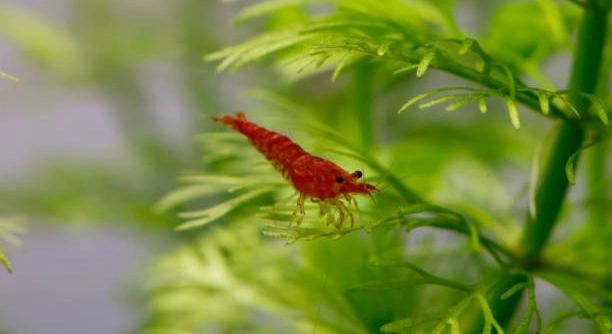
Cherry shrimp are small, vibrant creatures that bring life to any freshwater aquarium. Observing their behavior can be rewarding, especially when they show signs of preparing for reproduction. Noticing these changes helps ensure a thriving tank environment.
Cherry shrimp ready to breed display clear physical and behavioral indicators. Females often develop a saddle behind their heads, while males become more active and agile. Increased hiding spots and stable water conditions further promote successful mating and egg development.
Recognizing these signs allows aquarists to create ideal conditions for shrimp reproduction. Understanding their behavior ensures healthier offspring and a balanced, lively aquarium community.
Understanding the Saddle
The saddle is one of the clearest signs that a female cherry shrimp is ready to breed. It appears as a yellow or greenish patch behind the shrimp’s head, shaped somewhat like a horseshoe. This area holds the developing eggs before they are fertilized. Observing the saddle carefully can help determine the shrimp’s readiness to mate. Not every female will display the same intensity of color, and lighting in the aquarium may affect visibility. In some cases, the saddle may appear faint but still indicate fertility. Monitoring the shrimp daily allows you to track subtle changes. Providing a stable environment with proper water parameters encourages the female to keep her saddle healthy. The presence of the saddle signals that eggs will soon move to the swimmerets, where fertilization occurs. Knowing when the saddle appears helps plan breeding and maintain a supportive habitat for your shrimp.
Saddles are visible indicators that eggs are developing internally and signal upcoming breeding activity in females.
Observing the saddle gives practical insight into shrimp reproduction. Females with well-defined saddles are likely to lay eggs within a week or two. Adjusting tank conditions, including maintaining clean water and sufficient hiding spots, ensures the eggs remain safe. Males may become more active near these females, which increases the likelihood of successful fertilization. Proper nutrition, especially with high-quality algae and protein-rich foods, supports the female during this critical phase. By recognizing the saddle, you can prepare the tank to reduce stress and create the ideal environment for mating. This preparation ultimately contributes to higher survival rates for the eggs and the development of healthy baby shrimp.
Increased Male Activity
Males show heightened movement when females are ready to breed.
Active males swim more frequently throughout the tank, often searching for females showing the saddle.
When males detect a fertile female, their swimming patterns become more deliberate and persistent. They may chase the female gently or hover near hiding spots where she spends time. This behavior ensures they are present when the eggs are ready for fertilization. Observing these interactions can give a clear signal that breeding is imminent. While males increase activity, they are not aggressive, and the tank should be structured with plants and shelters to allow both sexes comfort. The activity level of males correlates with the presence of receptive females. By noting these behaviors, you can confirm that your shrimp are entering a breeding phase and take steps to maintain optimal water quality and diet, supporting the success of future offspring.
Hiding Behavior
Females often seek hiding spots when ready to breed, moving to plants or decorations more frequently.
This increased hiding behavior is a natural instinct to protect developing eggs from potential threats. Shrimp will spend more time in dense areas, avoiding open spaces. Providing moss, small caves, and dense plants helps them feel secure and reduces stress. Stress can prevent egg laying or cause the female to drop eggs prematurely, so maintaining calm conditions is essential. Observing these patterns allows you to anticipate breeding activity and adjust tank setup if necessary, ensuring the female remains comfortable.
Hiding behavior also signals that the female is carrying a saddle. Consistent observation lets you track her readiness and respond appropriately with water changes and feeding adjustments. Creating a stable environment ensures she has safe areas to retreat, which supports successful fertilization and healthy egg development over the coming days.
Color Intensification
Females’ colors become brighter when they are ready to breed, particularly along the body and tail.
Color intensification is an important visual cue in cherry shrimp reproduction. The deeper red or orange tones indicate health and readiness, making it easier to distinguish females from males. Stress-free conditions and proper diet contribute to vibrant coloration, as well as regular water changes and stable temperature. Brighter colors attract males and help ensure mating occurs efficiently. Observing these color changes over several days can provide a timeline for when eggs will likely be laid. Monitoring their hues also helps identify any potential health issues before breeding.
Maintaining high-quality water, a balanced diet, and hiding spaces encourages females to display these color changes naturally. Vibrant colors not only signal readiness but also reflect overall shrimp health. Healthy, bright females tend to produce more eggs and have higher survival rates for their offspring. Ensuring lighting conditions highlight their colors without causing stress supports mating behavior, allowing males to locate them easily and increasing the likelihood of successful fertilization within the tank.
Swollen Abdomen
A swollen abdomen is a clear sign that a female is carrying eggs.
The belly appears rounded and slightly heavier than usual, indicating eggs are developing. Monitoring this change helps predict when she will move the eggs to her swimmerets for fertilization.
Egg Spot Visibility
Egg spots may become visible beneath the female’s body, signaling maturation. These small, round formations indicate that eggs are ready to be fertilized and transferred. Observing them allows careful monitoring of breeding progress, ensuring the female has a safe, stress-free environment for carrying and eventually hatching her eggs.
Frequent Molting
Females ready to breed molt more often to accommodate growth and egg development.
Active Swimmerets
Females often use their swimmerets more actively when preparing to carry eggs.
How can I tell if my cherry shrimp are breeding?
Cherry shrimp show several clear signs when ready to breed. Females develop a saddle behind their head, their abdomen swells, and egg spots may become visible under the body. Their colors often intensify, appearing brighter and more vibrant, while males become more active. Observing hiding behavior and frequent use of swimmerets also indicates reproductive readiness. Monitoring these behaviors consistently gives insight into when mating is likely to occur, allowing you to maintain optimal tank conditions to support egg development and increase survival rates for offspring.
What is a saddle, and why is it important?
A saddle is a patch of developing eggs visible behind the female’s head. Its color ranges from yellow to green, depending on maturity and lighting. The saddle holds the eggs internally before they are fertilized and transferred to the swimmerets. Recognizing the saddle helps you know which females are ready to reproduce. Providing a stable environment and proper nutrition during this phase is crucial. A visible saddle signals that eggs will soon move to the underside of the abdomen, making careful observation key for ensuring safe and successful breeding.
How long does it take for eggs to hatch?
Once the female carries fertilized eggs under her swimmerets, hatching typically occurs in two to four weeks, depending on water temperature and quality. Warmer, stable water accelerates development, while fluctuations can delay or harm eggs. Eggs are small and translucent at first, gradually darkening as they develop. Ensuring the tank remains clean, well-oxygenated, and free from stress factors increases hatching success. Providing plants and moss gives the female protection and keeps the eggs safe from disturbances or potential predation. Tracking this period allows you to anticipate the emergence of healthy baby shrimp.
Do I need to separate the female from the male?
It is not usually necessary to separate females from males. Males naturally locate and fertilize females, and their interaction is generally non-aggressive. However, a well-planted tank with plenty of hiding spots helps reduce stress for the female during this period. Stress can lead to dropped or damaged eggs, so creating a calm environment supports healthy breeding. Occasional observation ensures that the female is not being harassed and that the eggs are developing correctly. Proper care and adequate nutrition allow both sexes to remain healthy while contributing to successful reproduction.
What should I feed cherry shrimp during breeding?
Nutrition plays a vital role in breeding success. Females benefit from protein-rich foods, such as specialized shrimp pellets, algae wafers, and small amounts of blanched vegetables. A balanced diet helps the female maintain energy for egg development and supports overall health. Avoid overfeeding, which can pollute the water and stress shrimp. Feeding smaller, frequent portions ensures they receive proper nutrients without compromising tank quality. Healthy shrimp display brighter colors and stronger reproductive behaviors, increasing the likelihood of fertilization and hatching. Regular observation allows you to adjust feeding according to activity and growth.
How do I care for eggs and baby shrimp?
After fertilization, females carry eggs on their swimmerets until they hatch. Eggs require stable water parameters and minimal disturbance. Once hatched, baby shrimp are tiny and vulnerable, feeding on biofilm, microalgae, and finely crushed shrimp food. Providing dense plants or moss gives them shelter and increases survival rates. Avoid aggressive tankmates that might eat the juveniles. Regular but gentle water maintenance ensures oxygen levels remain stable, preventing fungal growth or egg loss. Monitoring water conditions, temperature, and feeding helps create an environment where baby shrimp can grow safely into healthy adults.
What water conditions are ideal for breeding?
Stable water parameters are critical for breeding success. Temperature should be consistent, ideally between 72–78°F (22–25°C). pH should remain neutral to slightly acidic, around 6.5–7.5, with minimal fluctuations in hardness or ammonia levels. Clean, well-filtered water reduces stress and supports healthy egg development. Sudden changes in water chemistry can harm both females and eggs. Regular monitoring and small water changes help maintain stability. Plants and hiding spots contribute to comfort and security, supporting natural behaviors. Creating an optimal aquatic environment is the foundation for successful reproduction and thriving shrimp populations.
How often can cherry shrimp breed?
Females can carry eggs multiple times throughout their adult life, generally producing batches every four to six weeks under ideal conditions. The frequency depends on water quality, temperature, diet, and stress levels. Continuous monitoring of females and adjusting environmental factors helps maintain steady reproduction. Ensuring males remain active and ready to fertilize eggs also supports regular breeding cycles. Proper care of both adults and juveniles ensures that repeated breeding does not compromise health or growth. Observing patterns in behavior and egg development allows for planning tank management to accommodate multiple breeding events.
Can stress affect breeding success?
Stress significantly impacts reproductive success. Factors like sudden water changes, aggressive tankmates, poor nutrition, and overcrowding can cause females to drop eggs or reduce mating behaviors. Providing hiding spots, stable water parameters, and a quiet, calm environment minimizes stress. Observing shrimp behavior for signs of distress helps identify problems early. Maintaining consistency in feeding, water quality, and tank structure supports females in completing egg development and increases hatching rates. Healthy, stress-free shrimp display more vibrant colors, active behaviors, and higher chances of successful reproduction, ultimately ensuring a thriving population in the aquarium.
How long should I wait before introducing new shrimp?
Introducing new shrimp during a breeding period should be done cautiously. Sudden additions can cause stress, disrupt mating behaviors, and increase competition for resources. It is best to wait until the female has laid eggs and they are safely attached under her swimmerets. Once the eggs have hatched and juveniles are established, new shrimp can be gradually acclimated to the tank. Careful introduction, along with monitoring water parameters and feeding, ensures minimal stress and maintains stable social dynamics. This approach protects both the breeding female and her offspring while allowing the tank population to expand safely.
Breeding cherry shrimp can be a rewarding part of keeping a freshwater aquarium. Observing the subtle signs that indicate readiness to breed allows you to provide the best environment for healthy reproduction. From the appearance of a saddle to changes in color and behavior, each signal plays an important role in understanding your shrimp. Paying attention to these signs helps ensure that females are not stressed and that males have the opportunity to fertilize eggs successfully. Proper observation also allows you to anticipate when eggs will be laid and when baby shrimp will emerge, giving you time to prepare the tank and make any necessary adjustments. These efforts increase the likelihood of healthy offspring and a balanced, thriving aquarium.
Maintaining ideal conditions for breeding requires a combination of consistent water parameters, suitable hiding spaces, and proper nutrition. Females benefit from a diet rich in protein, as this supports egg development and overall health. Stable water temperature and chemistry reduce stress and promote normal reproductive behavior. Plants, moss, and small decorations provide safe areas for females to hide while carrying eggs, which helps prevent egg loss or predation by other tank inhabitants. Observing behavior such as increased activity in males, frequent molting, and the use of swimmerets allows for a better understanding of the breeding process and timing. Keeping a calm and stable environment encourages natural behavior and supports successful mating and egg development, which ultimately contributes to the growth of your shrimp population.
Tracking these changes and maintaining consistent care creates an environment where both adults and juveniles can thrive. Healthy baby shrimp require protection and access to biofilm, algae, or finely crushed food, while adult shrimp need a balanced diet and stable conditions to continue breeding successfully. Observing shrimp behavior, managing stress, and providing proper care help ensure that the breeding cycle continues smoothly. Over time, these efforts result in a vibrant and active tank with multiple generations of shrimp. By focusing on observation, preparation, and proper maintenance, you create the conditions necessary for natural, successful reproduction, supporting the long-term health and vitality of your cherry shrimp population.

Hello,
If you enjoy the content that we create, please consider saying a "Thank You!" by leaving a tip.
Every little bit helps us continue crafting quality advice that supports the health, happiness, and well-being of pets around the world, for pets of all shapes, sizes, and species.
We really appreciate the kindness and support that you show us!