
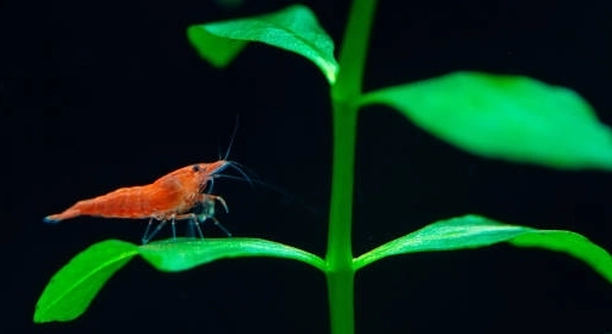
Have you ever noticed your shrimp turning pale over time, leaving your aquarium looking dull and less lively than usual? Understanding why this happens can help you keep your shrimp healthy and vibrant every day.
Shrimp often lose color due to stress, poor water quality, inadequate nutrition, temperature shifts, genetic influences, and age related changes. These factors interfere with pigment regulation, leading to fading when environmental conditions do not support stable health within the aquarium.
Learning what triggers shrimp color loss can help you create a supportive environment that keeps their appearance steady and bright.
Stress Related Fading
Stress can affect shrimp quickly, and it often shows through fading color that makes them look weaker than usual. Changes in tank conditions, sudden movements, or conflicting tank mates can cause shrimp to withdraw and lose their bright tones little by little. When their environment shifts too fast, their bodies try to adjust, which leads to reduced pigment expression and slower recovery. Keeping a steady setting helps them feel secure, and this stability encourages stronger coloration. Soft lighting, gentle filtration, and predictable routines can lower tension, giving shrimp room to settle into their habitat. As they become more comfortable, their natural tones return and stay consistent, creating a calmer atmosphere for both you and your tank. Small adjustments can make a noticeable difference, and paying attention to subtle signs helps you prevent long term fading that might affect their overall health later on. (150 words)
Color decline from stress often begins subtly, but it can progress quickly when multiple triggers build up at the same time. (50 words)
Consistency helps shrimp maintain their natural appearance, and applying simple changes can support a healthier setting that encourages stable pigmentation and calmer behavior, allowing them to thrive without unnecessary pressure. (100 words)
Water Quality Factors
Shrimp respond strongly to the conditions they live in, and color loss often shows when their water becomes unbalanced or unstable. (50 words)
Water quality plays a major role in overall shrimp health, and even small imbalances can affect how their pigment develops. Elevated ammonia or nitrite levels place strain on their bodies, while fluctuating pH can interrupt normal metabolic processes. Regular testing helps you understand what needs correction before problems grow. Clean filters, steady temperatures, and frequent partial water changes support a safer environment that allows shrimp to display their natural tones. Minerals also matter for pigment strength, especially in species that rely on trace elements to maintain strong coloration. When these elements drop too low, fading becomes more noticeable. Maintaining a clean and stable tank gives shrimp the structure they need to stay vibrant. Paying attention to shifts in clarity, odor, or residue helps you intervene early and protect their color before the fading becomes long lasting or harder to reverse. (200 words)
Nutritional Deficiencies
Shrimp lose color when their diet lacks essential nutrients that support pigment strength. Without balanced foods rich in minerals and natural color enhancers, their bodies struggle to maintain bright tones, leading to gradual fading that becomes more noticeable as nutritional gaps grow. (50 words)
A steady supply of varied foods helps shrimp stay vibrant, especially when those foods contain carotenoids that support deeper reds, oranges, and yellows. Many commercial feeds include these elements, but supplementing with blanched vegetables or specialized color boosting pellets can fill in missing nutrients. Overfeeding should be avoided because leftover food affects water quality, which then worsens fading. Keeping meals consistent and well balanced allows shrimp to process nutrients effectively, leading to healthier pigment expression. With time, a proper diet helps their natural hues return and stay more stable. (100 words)
Some shrimp species have higher nutritional demands, and missing key minerals like calcium, magnesium, or trace elements can weaken their pigment development. Regularly rotating quality foods ensures they receive everything needed for proper coloration and overall health. Watching how they respond to new ingredients can guide your feeding choices and help prevent long term fading. When their meals support pigment strength, shrimp show richer tones and steadier behavior, creating a healthier, more colorful tank. (100 words)
Temperature Fluctuations
Shrimp color often fades when temperatures shift too quickly because their bodies react strongly to environmental instability that disrupts normal metabolic functions needed for maintaining pigment strength. Keeping a steady range allows them to adapt comfortably without experiencing sudden stress that interferes with their natural coloration. (75 words)
Stable temperatures support consistent pigment expression, especially in species that rely heavily on predictable conditions to regulate their internal processes. Sudden drops slow metabolism, while unexpected spikes increase strain that leads to fading. Using a reliable heater, monitoring seasonal changes, and avoiding rapid adjustments all help keep their environment steady. When shrimp experience fewer disruptions, their color holds better, their movements remain relaxed, and their overall behavior becomes more stable. Creating a balanced setting prevents unnecessary fading and supports long term health that shows through stronger, more vibrant tones across the entire tank. (125 words)
Genetic Influences
Some shrimp naturally fade due to their genetic background, and this becomes more noticeable as they age or when selective breeding is inconsistent, leading to weaker pigment stability over time. (50 words)
Even well cared for shrimp can show lighter tones when their inherited traits limit how strongly they can express color, making genetics an important factor to consider. (50 words)
Aging Effects
As shrimp grow older, pigment cells weaken, and their colors gradually soften. This change is normal and often appears even when their environment, diet, and overall care remain stable. Their bodies simply reduce pigment production as part of the natural aging process. (100 words)
Tank Mates
Shrimp may fade when housed with active or nippy tank mates that create constant pressure, making them hide more often and reducing their ability to maintain steady pigmentation. (50 words)
FAQ
Why is my shrimp losing color even though the water looks clean?
Even if the water appears clear, subtle imbalances can stress shrimp and affect pigmentation. Low levels of ammonia, nitrites, or inconsistent pH may not be visible but still cause fading. Regular testing and partial water changes help maintain stable conditions, allowing shrimp to retain their natural tones.
Can diet alone restore shrimp color?
Diet is crucial for vibrant coloration, but it isn’t the only factor. Foods rich in carotenoids and essential minerals support pigment production, yet water quality, temperature, and stress levels must also be stable. Combining proper nutrition with a consistent environment produces the best results for long-term color retention.
Do all shrimp species fade the same way?
No, different species have varying sensitivity to environmental changes and dietary needs. Some naturally exhibit stronger colors, while others may fade more quickly under stress or poor nutrition. Understanding the specific requirements of each species helps prevent unnecessary color loss.
How fast can shrimp regain their color?
Recovery depends on the cause of fading. If stress or diet is addressed promptly, noticeable improvement can occur within a few weeks. However, if fading stems from genetics or age, color restoration may be limited, and results could take longer or never fully reach the original intensity.
Can water temperature changes cause permanent fading?
Repeated or extreme fluctuations can weaken pigment over time, making colors less vibrant even after conditions stabilize. Maintaining a steady temperature range reduces stress and supports healthier pigment expression, minimizing the risk of long-term fading.
Is shrimp color loss reversible?
Some causes of fading, like poor diet, stress, or water quality, are reversible when addressed correctly. Others, such as aging or genetic traits, may not be fully reversible but can be managed to keep shrimp looking as healthy as possible.
Do tank mates affect shrimp color?
Yes, aggressive or overly active tank mates can increase stress, forcing shrimp to hide and expend energy on survival instead of maintaining pigment. Choosing peaceful companions and providing hiding spots can reduce stress and help preserve their natural coloration.
Does lighting impact shrimp color?
Lighting affects how colors appear and can influence pigment activity. Balanced aquarium lighting that isn’t too harsh or too dim helps shrimp display their natural tones, while extreme or inconsistent lighting may contribute to fading over time.
Are supplements necessary for shrimp color?
Supplements can be helpful, particularly those containing carotenoids, but they should complement a balanced diet rather than replace it. Overuse can lead to nutrient imbalances or water quality issues. Proper feeding habits combined with supplements support brighter, more stable pigmentation.
Can stress alone cause shrimp to completely lose color?
Stress is a major factor in fading and can lead to nearly complete color loss if prolonged. Causes include poor water quality, sudden environmental changes, incompatible tank mates, or insufficient hiding spots. Reducing stressors restores both health and coloration over time.
How can I prevent shrimp color loss long-term?
Maintain consistent water parameters, provide a balanced diet, avoid sudden temperature changes, choose peaceful tank mates, and monitor shrimp regularly for signs of stress. Preventative care is the most effective way to ensure vibrant, healthy shrimp that keep their natural colors.
Does age affect how shrimp respond to color-enhancing efforts?
Older shrimp naturally produce less pigment, so even with optimal care, full color restoration may be limited. Younger shrimp respond more quickly to improved conditions, diet, and reduced stress, making early intervention key for maintaining strong coloration.
Can genetics be improved through breeding to reduce fading?
Selective breeding can enhance color stability over generations. Breeding shrimp with stronger pigmentation and minimal fading tendencies increases the likelihood of offspring maintaining vibrant colors. However, genetics alone cannot overcome poor environmental conditions or inadequate care.
How often should I test water to protect shrimp color?
Frequent testing, at least weekly, helps catch subtle changes that could stress shrimp. Regular monitoring of pH, ammonia, nitrite, and nitrate levels ensures a stable environment that supports strong, consistent coloration.
Does hiding behavior affect shrimp pigmentation?
Shrimp that spend most of their time hiding often experience higher stress, which can contribute to fading. Providing safe hiding spots while minimizing stressors allows shrimp to feel secure and maintain healthier, more vibrant colors over time.
Can overcrowding cause shrimp to lose color?
Overcrowded tanks increase competition for food and space, which raises stress levels and can weaken pigment expression. Ensuring adequate space, proper filtration, and well-planned population density supports both health and coloration.
Is there a difference between fading due to illness and fading due to environment?
Yes, illness-related fading often comes with other signs, such as lethargy, unusual movement, or changes in appetite. Environmental fading typically occurs gradually and without other health issues. Identifying the cause early helps determine whether medical intervention or habitat adjustments are needed.
How important is consistency in routine care for shrimp color?
Consistency in feeding, water changes, and environmental monitoring is essential. Shrimp rely on stable conditions to maintain pigmentation, and irregular routines increase stress, making them more prone to fading. Regular care supports long-term vibrancy and overall health.
Can stress from transportation affect color?
Transportation exposes shrimp to sudden changes in temperature, water chemistry, and handling. This stress can lead to temporary fading. Gradual acclimation to the new tank environment helps shrimp recover and regain coloration safely.
Do seasonal changes affect shrimp pigmentation?
Seasonal variations in room temperature, lighting, and water conditions can subtly influence shrimp color. Adjusting care routines to maintain consistent tank conditions minimizes fading and keeps pigmentation stable throughout the year.
What role does oxygen level play in color maintenance?
Low oxygen levels create stress that can weaken pigment expression. Adequate aeration, proper filtration, and regular monitoring ensure shrimp have enough oxygen to support both health and vibrant coloration.
How long does it take to see results after improving care?
When water quality, diet, and stress factors are addressed, shrimp often show color improvements within several weeks. Full restoration may take longer depending on species, age, and the severity of previous fading, but gradual changes indicate progress and recovery.
Shrimp color loss can happen for many reasons, and understanding the main factors makes it easier to support their health and appearance. Stress, poor water quality, and diet are often the first areas to check when noticing fading. Even small changes in temperature or pH can create an environment where shrimp struggle to maintain their natural tones. Paying attention to water parameters, keeping a steady routine, and providing proper nutrition helps them recover and prevents further fading. While genetics and age also play a role, addressing the environmental and dietary factors gives shrimp the best chance to look vibrant and healthy. Regular observation of behavior and color changes allows you to intervene quickly, which can save their overall well-being and reduce long-term issues.
Creating a stable environment is one of the simplest ways to maintain bright shrimp colors. Consistent temperature, clean water, and proper filtration reduce stress and help shrimp stay active and comfortable. Feeding a balanced diet that includes carotenoids, minerals, and natural foods supports pigment development and strengthens overall health. It is also important to avoid overcrowding and choose tank mates carefully, as aggressive or overly active companions can increase stress and make fading worse. Providing hiding spots allows shrimp to feel secure and maintain their natural behavior, which contributes to stronger pigmentation. Even subtle changes, like adjusting lighting to a steady level, can improve how colors appear in the tank. These small steps combined create an environment that encourages shrimp to thrive while keeping their tones as rich and steady as possible.
While not all causes of color loss can be completely reversed, many can be managed effectively with careful care. Aging and genetics may limit how intense some colors appear, but environmental improvements and proper nutrition often bring noticeable results. Observing shrimp closely and responding to signs of stress or fading helps prevent problems from becoming permanent. Over time, a consistent and supportive environment reduces fading and allows shrimp to maintain healthier, more vibrant tones. Understanding the different reasons behind color loss gives a clearer picture of how to care for them. With patience and attention to detail, it is possible to maintain shrimp that look bright, healthy, and full of life, while also ensuring their long-term well-being in the aquarium.

Hello,
If you enjoy the content that we create, please consider saying a "Thank You!" by leaving a tip.
Every little bit helps us continue crafting quality advice that supports the health, happiness, and well-being of pets around the world, for pets of all shapes, sizes, and species.
We really appreciate the kindness and support that you show us!