
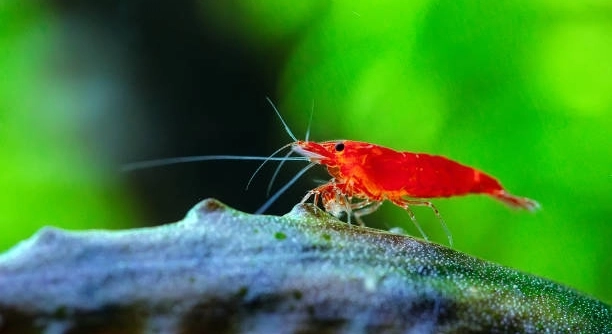
Have you ever noticed the gentle movements of cherry shrimp in your aquarium and wondered if sounds from their environment affect them? Many shrimp owners find themselves observing these tiny creatures and questioning how they respond.
Cherry shrimp do not exhibit a measurable reaction to music in the way higher animals do. While they can detect vibrations through water, their responses are limited to basic survival instincts rather than behavioral changes from sound or melody.
Observing shrimp in their natural or home environment can reveal subtle behaviors influenced by many factors beyond sound alone. Understanding these influences can help improve their care and habitat setup.
How Cherry Shrimp Sense Their Environment
Cherry shrimp rely heavily on their senses to navigate their tank. They detect vibrations in the water through small sensory hairs along their bodies. This allows them to respond to movements or potential threats nearby. Light also plays a major role, as shrimp are more active during certain lighting conditions and hide when it’s too bright. Water quality affects their activity too; poor conditions make them sluggish and less responsive. Even temperature changes can alter their movement patterns. While they are small, their sensitivity to physical changes in their environment is impressive. Food availability is another factor. When feeding, shrimp become more active and explore their surroundings, but they still do not respond to sounds like music. Their reactions are purely physical rather than emotional. Tank decorations and plants offer shelter and influence where they choose to explore. Observing these behaviors provides insights into their comfort and health, which is important for proper care.
Vibrations from nearby objects can startle shrimp, but melodies and rhythms do not trigger meaningful changes.
Understanding these responses helps owners create a stable, low-stress environment. By adjusting light, temperature, and decorations, shrimp can thrive without any audio stimulation, keeping them healthy and active over time.
The Role of Water Vibrations
Water vibrations are the main sensory input for cherry shrimp. They react to ripples or movement around them, which can indicate food or danger.
While music does create vibrations, the frequency and intensity are often too weak for shrimp to notice. Shrimp detect strong, immediate changes rather than subtle, continuous sounds. Owners may see shrimp move slightly when water is stirred or objects touch the tank, but they do not react to a song being played nearby. This is because their nervous system is not designed for interpreting auditory signals like mammals. Music in the air does not transmit effectively through water, so any influence is minimal. Observing shrimp in different conditions shows that feeding schedules, water temperature, and tank setup have far more impact on their activity. Keeping these factors stable ensures shrimp remain healthy and behave naturally. Paying attention to vibration sources like pumps or filter flow is more meaningful for their well-being than playing music. This knowledge allows owners to make practical adjustments that improve shrimp behavior and comfort without relying on external sounds.
Cherry Shrimp and Noise Sensitivity
Cherry shrimp are more responsive to physical disturbances than to sound. Loud noises outside the tank rarely affect their movement, as they rely on water vibrations rather than airborne sounds to detect changes.
Small changes in water movement, like someone tapping the tank or adjusting decorations, immediately capture their attention. They may freeze, swim away, or explore the area, depending on the intensity. Continuous music or background sounds do not create these reactions because vibrations from sound waves in the air are too weak to travel through water effectively. Observing shrimp over time confirms that feeding times, water flow, and tank activity influence their behavior far more than music or other environmental sounds.
Even strong bass from speakers nearby does not trigger notable responses. Cherry shrimp simply cannot process sound as mammals do, and their behavior remains consistent regardless of audio stimuli. They respond primarily to immediate tactile changes in their aquatic environment.
Factors Affecting Cherry Shrimp Behavior
Water quality plays a critical role in shrimp activity. Poor conditions can make them lethargic, while clean, well-oxygenated water encourages movement and feeding.
Temperature changes influence shrimp behavior significantly. Slightly cooler water slows their metabolism, reducing activity, while warmer water can increase their movement and feeding responses. Decorations and plants provide shelter, affecting where they feel comfortable swimming. Overcrowding or sudden changes in tank layout can stress shrimp, causing them to hide. Regular feeding schedules help maintain predictable patterns of activity. Understanding these factors allows for better care and observation of natural behaviors, rather than expecting reactions to external sounds. By focusing on the right elements, shrimp thrive and display normal activity consistently.
Observing Subtle Movements
Cherry shrimp often display small, slow movements that indicate comfort or mild curiosity. Watching these patterns can help identify their health and activity levels.
Sudden changes in movement usually signal environmental stress, like strong currents, temperature shifts, or poor water quality, rather than sounds.
Interaction with Tank Mates
Shrimp respond more to other shrimp or fish than to external stimuli. Social interactions influence feeding behavior, hiding, and swimming patterns. They may cluster in safe areas when tank mates are active or aggressive, showing that their responses are primarily social and environmental rather than auditory.
The Impact of Lighting
Lighting intensity affects activity levels. Brighter light encourages hiding, while moderate light promotes exploration and feeding.
Maintaining a Calm Environment
Stable water parameters, minimal disturbances, and predictable routines support healthy shrimp behavior. Consistency in their environment is more impactful than playing music or introducing new sounds.
FAQ
Do cherry shrimp respond to music?
Cherry shrimp do not respond to music in a meaningful way. They lack the auditory structures necessary to process melodies or rhythms. While music creates vibrations in the air, these vibrations are too weak to travel through water effectively. Any movement you observe is usually a reaction to changes in water movement or tank activity, not the sound itself. Observing shrimp over time confirms that their behavior is influenced primarily by water quality, temperature, lighting, and social interactions rather than external audio.
Can loud noises outside the tank stress shrimp?
Loud sounds in the room generally have little impact on cherry shrimp. They are sensitive to vibrations within the water, not airborne sounds. Only disturbances that physically ripple the water, like knocking on the tank or moving objects inside, will elicit reactions. Stress in shrimp is more often caused by poor water quality, temperature fluctuations, or overcrowding than by noises outside their aquarium. Consistent, stable conditions help keep shrimp calm and active.
How can I tell if my shrimp are stressed?
Shrimp show stress through changes in behavior. They may hide more often, swim erratically, or become unusually lethargic. Loss of appetite and molting problems are also common signs. Stress is usually linked to environmental factors such as poor water quality, improper temperature, or sudden changes in tank layout. Observing shrimp daily helps identify abnormal behaviors early, allowing for quick adjustments to water conditions, decorations, or feeding schedules to reduce stress.
Do shrimp react differently to vibrations from pumps or filters?
Yes, cherry shrimp are sensitive to vibrations from pumps, filters, or aerators. Sudden or strong vibrations can startle them, causing brief hiding or faster swimming. However, consistent, gentle water movement from properly adjusted equipment usually becomes part of their normal environment and does not cause stress. Properly set equipment ensures shrimp remain healthy without constant agitation.
Will playing soft music near the tank make shrimp more active?
Soft music has no measurable effect on cherry shrimp activity. Any movement observed while music plays is coincidental or due to other environmental factors, such as feeding or water flow changes. Their responses are strictly based on physical cues in the water rather than auditory input from outside the tank.
Can shrimp “hear” anything at all?
Shrimp cannot hear in the way mammals or even fish do. They detect vibrations through specialized sensory hairs on their bodies, but these are tuned to physical changes in water, such as ripples from nearby objects or movements of tank mates. This ability helps them avoid danger and locate food, not respond to music or spoken words.
Do social interactions affect shrimp behavior more than music?
Yes, social dynamics have a stronger influence. Shrimp respond to each other’s presence, feeding activity, and territorial behaviors. Observing how they cluster, hide, or explore shows that their environment and tank mates play a far more important role in daily behavior than any external sounds.
What can I do to encourage natural activity in my shrimp?
Focus on clean water, stable temperature, moderate lighting, and adequate hiding spots. Regular feeding schedules and minimal tank disturbances encourage natural exploration and interaction. Ensuring these conditions will promote consistent activity and well-being without relying on any external sounds.
Are there any sounds shrimp might notice in the water?
They may detect strong physical vibrations, like splashes, moving decorations, or nearby tapping. These vibrations are perceived through their body hairs and antennae. Subtle noises like music or conversations outside the tank are too weak to create detectable water movement and do not alter their behavior.
How long does it take for shrimp to adjust to a new tank?
Adjustment varies but usually takes several days to a week. During this time, shrimp explore, hide, and establish routines. Stable water parameters, gentle introduction of tank mates, and minimal disturbances help them acclimate faster. This period is focused on physical adaptation rather than response to sound.
Can shrimp activity indicate tank health?
Yes, active shrimp usually signal good water quality and proper tank conditions. Lethargy, hiding, or irregular swimming often point to issues like poor filtration, unbalanced chemistry, or inappropriate temperature. Monitoring shrimp behavior is a practical way to assess overall tank health without relying on external stimuli.
Is it safe to test music effects on shrimp?
Testing music is generally harmless, as it doesn’t affect their behavior significantly. Any observed activity changes are likely coincidental. Maintaining proper water quality and stable conditions should remain the priority for ensuring shrimp well-being, rather than experimenting with sound.
Do shrimp respond differently to vibrations at different frequencies?
Shrimp react primarily to strong, immediate vibrations. Very low or high-frequency vibrations that do not cause noticeable water movement are ignored. Their sensory system is designed to detect potential threats or food sources, not to interpret frequency differences in music or ambient noise.
Can tank decorations improve shrimp comfort?
Yes, plants, hiding spots, and decorations provide security and encourage exploration. Structured environments reduce stress, promote normal behavior, and allow shrimp to move freely without being startled by minor water movements or tank equipment vibrations.
What are the most important factors for healthy shrimp behavior?
Stable water parameters, moderate lighting, gentle water flow, adequate hiding spots, proper feeding, and social interactions with other shrimp are the key factors. These elements influence behavior far more than any external sounds or music, ensuring shrimp remain active and healthy over time.
How often should I monitor shrimp behavior?
Daily observation is best. Noticing changes in activity, feeding, or interaction patterns helps identify stress or environmental problems early. Regular monitoring allows timely adjustments to water, temperature, and tank setup, maintaining optimal conditions for long-term shrimp health.
Cherry shrimp are fascinating little creatures that thrive in carefully maintained aquariums. Their behavior is influenced by factors that are tangible and measurable, like water quality, temperature, lighting, and the presence of other tank mates. While they may appear active or responsive to the world around them, it is important to understand that their reactions are rooted in survival instincts and environmental cues. They do not process music or outside sounds in the way higher animals or humans do. Their sensory system is built to detect vibrations in the water, which helps them find food, avoid predators, and interact with their surroundings. Any movement that occurs when music is played near the tank is coincidental or the result of other changes, such as water flow or disturbances in their environment. Observing their behavior over time makes it clear that their primary responses are physical rather than auditory.
Creating a suitable environment for cherry shrimp involves focusing on consistent and stable tank conditions. Regular water testing, maintaining the right temperature, and ensuring proper filtration are essential steps. Providing plants, decorations, and hiding spaces encourages natural exploration and helps reduce stress. Feeding on a predictable schedule also supports their activity patterns, allowing shrimp to remain healthy and energetic. By attending to these factors, owners can ensure that their shrimp display normal, healthy behaviors. Attention to their surroundings is far more important than trying to influence them with music. Understanding the limitations of their sensory perception allows for more effective care and creates a more harmonious aquarium environment for both the shrimp and their observers.
Watching cherry shrimp can be rewarding because even subtle movements and interactions reveal a lot about their comfort and health. While music may be enjoyable for humans, it does not provide stimulation or enrichment for shrimp. Instead, creating a stable, low-stress habitat with clean water, proper lighting, adequate hiding places, and suitable companions is the best way to support their well-being. Monitoring changes in activity, feeding habits, and social interactions provides meaningful insights into their behavior and can help prevent potential problems. By focusing on these practical steps, shrimp owners can create a thriving environment that allows these tiny creatures to live naturally and comfortably. Observing and caring for them in this way ensures that their needs are met and their behaviors remain consistent, active, and healthy.

Hello,
If you enjoy the content that we create, please consider saying a "Thank You!" by leaving a tip.
Every little bit helps us continue crafting quality advice that supports the health, happiness, and well-being of pets around the world, for pets of all shapes, sizes, and species.
We really appreciate the kindness and support that you show us!