
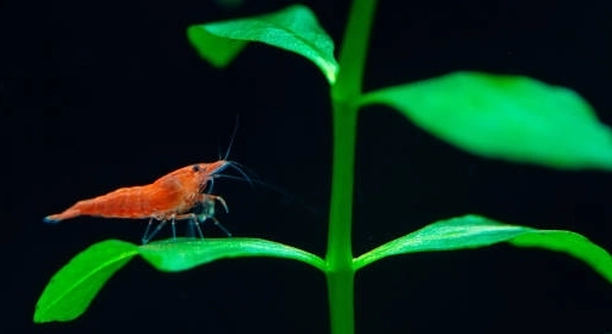
Are your cherry shrimp sensitive to movements around their tank? Many shrimp owners notice subtle reactions when people walk by or touch the aquarium. Observing these small creatures can reveal surprising insights about their behavior and comfort levels.
Cherry shrimp are indeed affected by external movement, though the impact varies. Sudden vibrations or shadowing can trigger stress responses, causing them to hide or reduce activity. Consistent, gentle handling and minimal disturbance help maintain their normal behavior and well-being.
Understanding how movement affects shrimp can improve their care and environment, ensuring they remain healthy, active, and stress-free in their habitat.
How Cherry Shrimp React to External Movement
Cherry shrimp are naturally cautious and sensitive to changes in their environment. When there is movement near their tank, such as footsteps or hand gestures, they may retreat to hiding spots or freeze in place. These reactions are instinctual, developed to avoid potential threats. Even slight vibrations from tapping the glass or rearranging decorations can make them skittish. Observing my own shrimp, I noticed that they respond faster to sudden shadows than to slow, deliberate movements. Over time, they seem to learn patterns and may resume normal activity if disturbances are consistent and non-threatening. Providing plants, rocks, and shelters helps them feel secure. While it may seem minor, these small stressors can affect feeding, molting, and social interactions. Maintaining a calm, predictable environment encourages healthy behavior and reduces prolonged stress. Shrimp often recover quickly if disturbances are brief and infrequent, emphasizing the importance of gentle care.
Consistent observation helps identify which movements trigger stress, allowing adjustments to their environment to keep shrimp calm and active.
Monitoring how they respond over time gives insight into their comfort, feeding habits, and overall health in the aquarium setting.
Minimizing Stress from Movement
Limiting sudden activity around the tank reduces shrimp stress and supports their normal behavior.
Simple strategies like moving slowly, avoiding loud noises, and keeping the tank in a stable location can significantly improve shrimp well-being. It is helpful to plan feeding times when household activity is low. Even minor adjustments, such as ensuring the tank is on a steady surface and away from doors or high-traffic areas, contribute to a calmer environment. In my experience, adding visual barriers like background plants or decorations can shield shrimp from shadows and rapid movements, making them feel safer. Over time, they become more confident and spend more time foraging openly rather than hiding constantly. Creating a routine also helps them adapt and reduces unexpected stress responses. Overall, attention to their surroundings fosters healthier, more active shrimp and encourages natural behaviors that are essential for their growth and social interactions.
Feeding Behavior and Movement
Cherry shrimp often pause or retreat when there is movement near their tank during feeding. They can be hesitant to leave hiding spots if they sense vibrations or sudden shadows, even when food is present. Gradual, calm movements encourage them to feed more confidently.
I’ve observed that when I approach the tank slowly, shrimp gradually become comfortable enough to forage openly. Rapid movements, tapping, or sudden shadows can cause them to stop eating or hide entirely. Over time, they seem to distinguish between harmless daily activity and potential threats. Providing multiple feeding spots also helps, allowing shy shrimp to access food without feeling exposed. Using light, steady hand movements and consistent feeding times supports their natural feeding rhythm, helping them stay healthy and maintain regular activity.
Movement near the tank can affect shrimp feeding efficiency, especially for timid or newly introduced shrimp. Gradual habituation to predictable activity helps them adapt. Observing their reactions provides insight into their comfort and ensures they get adequate nutrition.
Tank Placement and Environment
Choosing a stable, low-traffic location for a shrimp tank reduces stress from vibrations and sudden movements. Consistent surroundings encourage shrimp to explore and interact naturally.
Placing the tank away from doors, busy hallways, or frequently used countertops minimizes disruptions that can stress shrimp. In my experience, tanks near windows or areas with frequent activity cause shrimp to hide more often, limiting their foraging and social behavior. Incorporating plants, rocks, and hiding spaces further reduces stress, as these provide secure areas for shrimp to retreat when startled. A stable substrate and decorations also help absorb minor vibrations, keeping shrimp calm. Regular observation of their behavior allows adjustments to placement or environment, ensuring they remain active and healthy over time.
Social Interaction and Movement
Cherry shrimp respond to movement around their tank by adjusting social behavior. Sudden disturbances can make them cluster together or retreat, reducing interactions. Calm surroundings promote natural social patterns and visible activity.
Shy or newly introduced shrimp are especially sensitive to vibrations and shadows. Minimizing sudden movement encourages them to explore and interact with other shrimp, supporting healthy social dynamics and reducing stress within the group.
Molting and Sensitivity
During molting, shrimp are particularly vulnerable to external disturbances. Sudden movement or vibrations can cause them to hide for extended periods, delaying recovery and making them more cautious in the tank environment.
Observation Tips
Regular, gentle observation helps identify which movements disturb your shrimp. Consistent routines and minimal disruptions allow them to behave naturally and stay healthy.
FAQ
Do cherry shrimp get stressed from people walking near the tank?
Yes, they do. Cherry shrimp are sensitive to vibrations and sudden movements around their tank. Even light footsteps or shadows can make them pause, retreat, or hide. I noticed in my own tank that shrimp would stop foraging if someone moved quickly nearby. Over time, they learn patterns, but sudden disturbances still trigger cautious behavior. Minimizing abrupt activity near the aquarium helps them remain calm and active.
Can tapping on the glass harm cherry shrimp?
Tapping on the glass creates vibrations that stress shrimp. Even if no physical harm occurs, repeated tapping can disrupt feeding, molting, and social behavior. In my experience, gentle observation without touching the glass keeps shrimp relaxed and encourages natural movement. Using a soft hand for cleaning or adjustments is safer.
Do lights and shadows affect shrimp behavior?
Yes, lighting changes and shadows can startle shrimp. Sudden shifts, like turning on a bright light or casting a shadow over the tank, often cause them to hide. I make sure to gradually adjust lighting when feeding or cleaning. Consistent light cycles and avoiding abrupt shadows help shrimp feel secure.
How do new shrimp react to external movement?
Newly introduced shrimp are more cautious and may hide for hours or days. Sudden movements can heighten stress and slow acclimation. I usually place new shrimp in a quiet, low-traffic area and monitor them closely. Providing hiding spots and consistent, calm activity allows them to settle more quickly.
Does tank placement matter for shrimp comfort?
Absolutely. Tanks in high-traffic areas cause more stress due to vibrations and shadows. My shrimp respond better when the tank is away from doors, heavy foot traffic, or noisy appliances. A stable location with visual barriers and a predictable environment encourages exploration, social interaction, and healthy feeding.
Can vibrations from appliances affect shrimp?
Yes. Appliances like washing machines, vacuum cleaners, or even nearby speakers can create vibrations that disturb shrimp. I noticed mine react to distant vibrations by clustering in hiding spots. Using vibration-dampening mats under the tank and choosing a low-vibration location improves their comfort and reduces stress.
How can I tell if shrimp are stressed?
Signs of stress include hiding for long periods, reduced feeding, or slow movement. I watch for shrimp retreating repeatedly when someone passes by or reacting strongly to minor vibrations. Healthy shrimp will resume normal behavior once disturbances are minimized and feel secure in their environment.
Does feeding time change their reaction to movement?
Yes, during feeding shrimp may take more risks to reach food but can still be startled by sudden movements. I feed mine slowly, moving calmly near the tank. Multiple feeding spots reduce competition and allow shy shrimp to eat without exposure, which helps maintain consistent nutrition.
Can shrimp get used to household activity?
Over time, shrimp often adapt to predictable movement patterns. I observed that daily routines, like family members walking past at the same times, eventually cause less reaction. Sudden, unpredictable activity continues to stress them, so consistency is key to building comfort.
Are all shrimp equally sensitive to movement?
No, sensitivity varies by species, age, and individual temperament. Younger shrimp and new additions are usually more cautious, while established adults may tolerate mild disturbances. I notice that shy or smaller shrimp hide more often, whereas confident adults explore openly but still retreat during sudden changes.
Does stress from movement affect shrimp health?
Chronic stress can impact feeding, molting, and overall activity, which in turn affects growth and reproduction. I’ve seen stressed shrimp delay molting or avoid foraging, emphasizing the importance of minimizing vibrations and disturbances in the tank to maintain healthy, active shrimp.
What steps can reduce stress from external movement?
Place the tank in a low-traffic area, avoid tapping the glass, provide hiding spaces, and maintain consistent light cycles. I also limit sudden changes in room activity and handle the tank gently during cleaning. These small adjustments keep shrimp calm and encourage normal behavior.
Do shrimp react differently to humans versus other pets?
Yes. Larger pets like cats or dogs moving near the tank create more vibrations and shadows than humans do. I often see shrimp retreat immediately when a pet approaches. Keeping pets away from the tank and providing visual barriers reduces repeated stress.
How long does it take for shrimp to recover from disturbances?
Recovery depends on the intensity of the disturbance and individual temperament. Minor vibrations may only cause brief hiding, while larger or repeated disturbances can take hours for shrimp to resume normal activity. I usually observe a calm period afterward and ensure they have secure hiding spots to recover fully.
Can tank decorations influence their reaction to movement?
Yes. Plants, rocks, and other structures provide cover and reduce exposure to shadows and vibrations. I added moss and driftwood in my tank, and shrimp now hide less frequently, feel more secure, and explore more. Well-placed decorations support natural behavior even when minor movement occurs nearby.
Are some movements worse than others for shrimp?
Sudden, sharp movements or tapping are the most stressful. Gradual, slow hand movements are less alarming. In my experience, even repeated slow motions become predictable and tolerated, while abrupt or irregular disturbances continue to trigger hiding.
Does water current interact with movement stress?
Yes. Strong currents combined with external vibrations increase stress. I keep gentle, steady water flow and avoid high-powered pumps near busy areas. Calm water plus minimal external movement encourages shrimp to forage freely and interact naturally.
How can observation improve shrimp care?
Watching how shrimp react to movement helps identify stress triggers. I note which areas of the tank they avoid and adjust placement, hiding spots, and room activity. Consistent observation ensures a safe, healthy environment that supports feeding, molting, and social behavior without unnecessary stress.
Can shrimp get used to lights and shadows like they do with movement?
Yes, gradual exposure to predictable lighting reduces stress. I slowly adjust light intensity and avoid sudden shadows during daily tasks. Shrimp adapt to steady patterns, remaining active and foraging confidently while still reacting to unpredictable disturbances.
Is it possible to fully eliminate stress from external movement?
Not entirely. Shrimp will always respond to sudden, intense changes. However, careful tank placement, calm surroundings, and consistent routines greatly reduce stress. I’ve found that while some reactions remain, overall activity and health improve significantly with these adjustments.
Do different tank sizes affect sensitivity to movement?
Larger tanks can buffer minor vibrations, while small tanks transmit movement more directly. I noticed my smaller tank shrimp react faster to footsteps than those in a larger, heavier setup. Tank size, placement, and surrounding stability all contribute to minimizing stress responses.
How important is consistency in daily care routines?
Very important. Predictable feeding times, light cycles, and gentle interaction create a secure environment. I follow a steady routine, and shrimp are more confident exploring, feeding, and interacting. Consistency reduces anxiety caused by unexpected changes and supports overall well-being.
Can stress from movement affect breeding?
Yes. Stressed shrimp may delay or avoid breeding. I observed that calm, low-traffic tanks promote active, healthy shrimp that reproduce more successfully. Reducing external disturbances ensures a stable environment conducive to mating and raising juveniles.
How do hiding spots help manage stress?
Hiding spots provide immediate refuge during disturbances. I added plants, rocks, and moss, and shrimp now hide briefly instead of panicking. These shelters allow them to feel secure, recover quickly, and maintain normal behaviors even when external movement occurs.
Is there a difference between temporary and chronic stress?
Temporary stress causes brief hiding or slowed activity, while chronic stress affects feeding, molting, and social interactions. I monitor my shrimp carefully to prevent prolonged stress, adjusting tank placement, routines, and environmental features to promote a consistently safe habitat.
Do shrimp get used to human presence over time?
Yes, with gentle, consistent observation. My shrimp gradually explore more when I move slowly near the tank. Sudden or unpredictable actions still startle them, but repeated calm interactions teach shrimp to tolerate human presence without excessive stress.
How does age affect sensitivity to movement?
Younger shrimp are generally more skittish and hide more often. Older, established shrimp tolerate minor disturbances better but still respond to abrupt changes. I provide extra hiding spaces for juveniles to help them grow confidently in a safe environment.
Are some species more tolerant than cherry shrimp?
Yes. While cherry shrimp are sensitive, other species like Amano shrimp may tolerate minor disturbances more readily. In my experience, behavior varies individually, so observation is key regardless of species to maintain low-stress conditions.
Can stress from movement cause long-term health problems?
Repeated stress can lead to slower growth, poor molting, reduced feeding, and weaker immune responses. I focus on minimizing disturbances and providing a calm, predictable environment, which helps maintain healthy, active shrimp over the long term.
What is the best overall approach to reduce movement stress?
Slow, gentle interactions, stable tank placement, hiding spaces, and consistent routines all contribute. I combine these strategies, and my shrimp are calmer, feed reliably, and explore naturally, even with occasional household activity nearby.
How does water temperature interact with movement stress?
Stable water temperature reduces overall stress, making shrimp less reactive to minor disturbances. I maintain consistent conditions, which helps shrimp cope better with unavoidable vibrations or shadows, supporting regular feeding and activity patterns.
Can stress affect coloration?
Yes, stressed shrimp may display duller colors or reduced vibrancy. I noticed my shrimp’s colors brightened once they were in a calm, low-traffic environment with consistent care, indicating improved overall well-being.
Do shrimp hide more during specific times of day?
Yes, activity levels vary. I find that shrimp often hide more during high household activity, while calm periods encourage foraging and exploration. Maintaining predictable routines helps them balance activity and rest naturally.
Are visual barriers effective for reducing stress?
Yes. Plants, moss, or decorative panels reduce exposure to shadows and movement. I added dense moss walls, and shrimp now feel secure exploring the tank, even when someone walks nearby.
Can stress from movement be completely avoided during feeding?
Not entirely, but careful feeding routines help. I move slowly, distribute food across multiple areas, and minimize shadows. Shrimp feed more confidently and hide less when these precautions are in place.
Does stress from movement affect all shrimp equally in a group?
No. Dominant or confident shrimp may continue normal activity, while shy individuals hide. I provide multiple hiding spots to accommodate all shrimp, ensuring every shrimp can forage and recover comfortably.
How long should I monitor shrimp to understand their reactions?
Several days to a few weeks is ideal. I observe feeding, hiding, and social behavior to identify patterns. Consistent monitoring allows adjustments to reduce stress and support a stable, healthy environment for all shrimp.
Can gentle interaction improve shrimp confidence?
Yes. Calm, predictable movements during feeding or maintenance help shrimp learn the environment is safe. Over time, they explore more and hide less, showing improved confidence while maintaining natural caution.
Are small tanks more stressful than large tanks?
Yes, vibrations are transmitted more easily in smaller tanks. I noticed shrimp in small tanks react faster to footsteps than those in larger, heavier tanks. Providing hiding spaces and stable placement reduces stress in any tank size.
Does water quality influence stress from movement?
Absolutely. Poor water quality compounds stress. I maintain clean water with stable parameters, which allows shrimp to handle minor disturbances better. Healthy water supports normal behavior, feeding, and molting despite occasional environmental vibrations.
Are shrimp more sensitive during molting?
Yes, they are highly vulnerable. I ensure calm surroundings and minimal disturbance during molting, as stress can delay recovery and increase hiding. Adequate shelter and gentle handling are essential during this period to protect their health.
Can group size affect stress response?
Yes, larger groups provide social security, reducing individual stress. I noticed shrimp in larger groups hide less when movement occurs, as they feel safer together. Smaller groups or solitary shrimp tend to hide more and react quickly to disturbances.
Do decorations or plants reduce hiding frequency?
Yes. Dense plants, moss, and rocks offer refuge, reducing prolonged hiding. My shrimp explore more confidently with well-placed decorations, even when minor movement occurs outside the tank. These features help maintain natural behavior and reduce stress.
Can sudden noises outside the tank trigger hiding?
Yes. Unexpected sounds like slamming doors or appliances can startle shrimp. I keep the tank in quieter areas to minimize disturbances. Even small sounds can trigger temporary hiding, but predictable quiet periods allow shrimp to resume normal activity.
Does shrimp temperament vary individually?
Yes. Some shrimp are naturally bolder, exploring even when movement occurs, while others are more cautious. I accommodate all temperaments by providing ample hiding spaces, multiple feeding spots, and a calm environment for healthier, balanced behavior.
Can stress from movement affect reproduction success?
Yes. Frequent disturbances can reduce mating activity and juvenile survival. I observed higher breeding success when shrimp had calm surroundings and minimal environmental stress, emphasizing the importance of predictable, low-traffic conditions.
Do shrimp respond to movement differently depending on age or size?
Yes. Juveniles and smaller shrimp are more sensitive and hide more often. Adults tolerate mild disturbances but still react to abrupt changes. I provide extra shelters for younger shrimp to feel safe and gradually acclimate to their environment.
Are some shrimp species less sensitive than cherry shrimp?
Yes. Species like Amano shrimp may tolerate minor disturbances more readily. However, individual temperament always matters. Observation and environment management remain important to reduce stress for any species.
Does consistent routine help reduce movement-related stress?
Yes. Regular feeding, light cycles, and calm handling help shrimp predict daily patterns. I follow steady routines, and shrimp respond by being more active, feeding reliably, and hiding less often.
Can stress affect shrimp color or activity long term?
Yes. Chronic stress can dull coloration, slow movement, and reduce feeding. I noticed my shrimp regained vibrant colors and active behavior once environmental stressors were minimized and care routines became consistent.
Are visual or physical barriers more effective for reducing stress?
Both help. Plants, moss, and rocks reduce exposure to shadows and vibrations, while tank placement prevents sudden disturbances. I use a combination, and shrimp explore confidently even during minor external movement.
Can slow habituation to movement improve shrimp behavior?
Yes. Gradually exposing shrimp to predictable, gentle movement helps them tolerate routine activity. I noticed shrimp become bolder and explore more, while still responding appropriately to sudden or unusual disturbances.
Do all shrimp react to movement in the same way during feeding?
No. Shyer shrimp may hide while bolder shrimp forage. I provide multiple feeding spots and ample cover, ensuring every shrimp can feed safely and remain active despite external activity.
Can tank stability reduce stress from external vibrations?
Yes. Placing the tank on a sturdy, vibration-free surface reduces the impact of footsteps or nearby activity. I noticed calmer, more active shrimp after improving tank stability. This simple adjustment helps maintain consistent behavior and well-being.
Do shrimp become desensitized to repeated minor disturbances?
Partially. Predictable, gentle movements can be tolerated over time, but sudden or intense disturbances still trigger hiding. I maintain calm, steady routines, which reduces stress without removing their natural caution entirely.
How important are hiding spots for newly introduced shrimp?
Very important. Hiding spots provide immediate refuge from external movement, allowing new shrimp to acclimate gradually. I noticed quicker adaptation and increased activity when multiple shelters were available in the tank.
Can environmental enrichment reduce stress?
Yes. Plants, rocks, moss, and varied terrain allow shrimp to explore safely and avoid exposure to sudden disturbances. I added more moss and driftwood, and shrimp now hide less and move more confidently.
Does feeding location impact stress during movement?
Yes. Multiple feeding spots reduce exposure and competition, allowing shy shrimp to feed safely. I spread food across the tank, helping all shrimp access nourishment without feeling threatened.
Is there a link between stress and shrimp lifespan?
Chronic stress can shorten lifespan by affecting health, feeding, and molting. I maintain calm, consistent conditions and provide ample shelter, which promotes longer, healthier lives for my shrimp.
Can shrimp habituate to household activity?
Yes, gradual exposure to consistent routines reduces sensitivity. I noticed shrimp became more active during predictable daily movements, though sudden, unpredictable activity still causes brief hiding.
Do tank size and substrate type affect stress response?
Yes. Larger tanks buffer vibrations better, while certain substrates absorb movement more effectively. I noticed shrimp in heavier, well-supported tanks respond less to footsteps than in small, light setups.
Can monitoring shrimp behavior improve care?
Yes. Observing feeding, hiding, and social patterns helps identify stress triggers. I adjust placement, hiding spots, and routines based on behavior, ensuring shrimp remain healthy, active, and confident.
Are visual cues more stressful than vibrations?
Both can trigger hiding, but sudden shadows or rapid movements often provoke immediate retreat. I provide visual barriers and stable surroundings to reduce both types of stress.
Do shrimp react differently to humans versus pets?
Yes. Larger pets create more vibrations and shadows than humans. I keep pets away from the tank, which significantly reduces hiding and stress responses.
How do water parameters influence stress sensitivity?
Stable water quality reduces overall stress and improves resilience to minor disturbances. I maintain consistent parameters, allowing shrimp to forage, molt, and interact normally even when small external movements occur.
Can seasonal changes affect sensitivity to movement?
Yes. Temperature and light changes can make shrimp more cautious. I maintain steady conditions to minimize additional stress during seasonal fluctuations, helping them behave normally despite external movement.
Are shrimp more sensitive during breeding periods?
Yes. Stress during mating or carrying eggs can reduce activity and feeding. I ensure minimal disturbance, consistent light cycles, and secure hiding spots to support successful reproduction.
Do decorations or plants help during molting?
Yes. Dense cover provides safe spaces for vulnerable shrimp, reducing stress from external movement. I place moss, rocks, and plants strategically to allow safe molting without constant hiding.
Can diet influence stress response?
A balanced diet supports overall health, making shrimp less reactive to minor disturbances. I noticed that well-fed shrimp recover faster from brief stress events and remain more active throughout the day.
How often should I check on shrimp to avoid stressing them?
Brief, gentle observations a few times daily are enough. Frequent, abrupt checks can cause stress. I move slowly and consistently, allowing shrimp to resume normal behavior quickly.
Do shrimp learn to distinguish between harmless and threatening movement?
Yes. Over time, shrimp recognize predictable human activity as non-threatening, reducing hiding frequency. I noticed they forage more openly once they became familiar with daily routines.
Can sudden temperature or pH changes increase stress from movement?
Yes. Environmental instability amplifies reactions to vibrations and shadows. I maintain stable temperature and pH to ensure shrimp tolerate minor external disturbances without prolonged hiding.
Do shrimp hide more when they feel insecure?
Yes. Lack of hiding spots or unstable tank placement increases stress reactions. I provide
Final Thoughts
Cherry shrimp are delicate creatures that respond noticeably to their surroundings. Their sensitivity to movement, vibrations, and changes in light or shadows is part of their natural behavior. These reactions, though sometimes subtle, reflect their instinct to protect themselves from potential threats. In my experience, observing shrimp closely reveals patterns in how they respond to household activity. Even small disturbances, such as footsteps near the tank or objects being moved, can cause them to pause, retreat, or hide for a short period. Understanding this behavior is essential for maintaining a calm and stable environment. Providing consistent conditions, gentle interactions, and secure hiding spots helps minimize stress. Over time, shrimp adapt to predictable movement patterns, allowing them to feel safer and engage in normal behaviors like foraging, social interaction, and exploring their environment. Small changes in daily routines or tank placement can make a significant difference in their comfort and overall health.
Maintaining proper tank conditions complements minimizing disturbances. Water parameters, temperature stability, and a well-planned tank layout all influence how shrimp react to movement. I have noticed that shrimp in a stable, low-traffic environment are more active and confident compared to those in areas with frequent vibrations or sudden light changes. Decorations, moss, and plants serve dual purposes by offering both visual enrichment and safe hiding spaces, which help shrimp feel secure. Feeding practices also contribute to their comfort. Spreading food in multiple locations and approaching the tank slowly encourages shy shrimp to forage without feeling exposed. Consistent observation allows for adjustments to the environment, feeding routines, and interactions, ensuring shrimp remain healthy and stress levels are minimized. The key is balance: providing enough security and predictability while allowing shrimp to display their natural curiosity and social behavior. Over time, even previously cautious shrimp can become more confident in a calm, controlled environment.
Long-term care and observation play an important role in the well-being of cherry shrimp. Chronic stress from frequent disturbances can affect feeding, molting, coloration, and reproduction, which underscores the importance of creating a predictable and safe environment. I have seen firsthand how small improvements, such as adjusting tank location, reducing abrupt movements, or adding extra hiding spots, can enhance shrimp behavior and vitality. While it is impossible to eliminate all stress, minimizing sudden disturbances and maintaining stable conditions allows shrimp to thrive. Providing a calm, structured, and enriched habitat ensures that these small creatures remain active, healthy, and able to express natural behaviors. Paying attention to their reactions and adjusting care practices accordingly helps create an environment where shrimp can flourish. Observing their subtle signals, responding to their needs, and maintaining consistency in care ultimately supports their long-term health and happiness.

Hello,
If you enjoy the content that we create, please consider saying a "Thank You!" by leaving a tip.
Every little bit helps us continue crafting quality advice that supports the health, happiness, and well-being of pets around the world, for pets of all shapes, sizes, and species.
We really appreciate the kindness and support that you show us!