Do Arowana Like Watching Movement Outside the Tank?
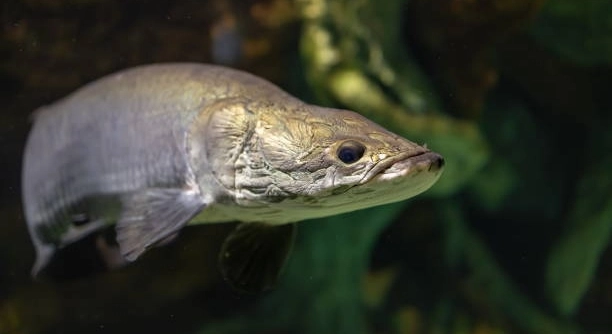
Do you ever notice your arowana gliding gracefully across its tank while seemingly watching the room around it? These striking fish often appear attentive to their surroundings, responding to movements and changes outside their aquatic space. Arowanas can indeed respond to movement outside the tank, as they are naturally alert and curious fish. Observing motion … Read more
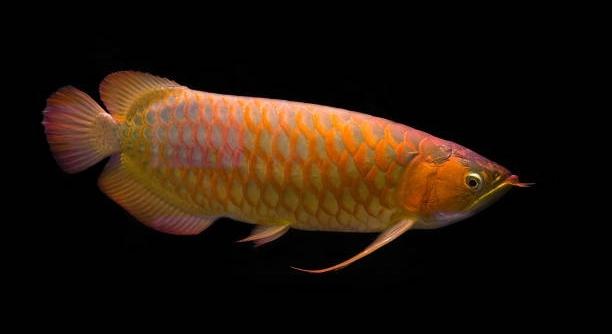
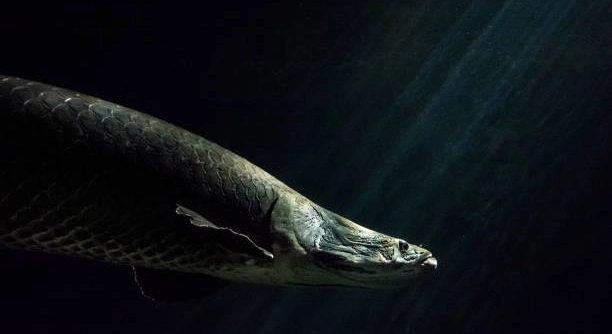
Why Is My Arowana Not Growing? (What’s Missing?)

Have you ever noticed your arowana staying smaller than expected despite proper care? Watching them swim gracefully while wondering why growth seems slow can be both confusing and a little frustrating for any owner. The primary reason arowanas fail to grow properly is often linked to environmental and dietary deficiencies. Insufficient tank size, poor water … Read more

7 Subtle Ways Arowana Communicate Discomfort

Do you ever notice your arowana acting differently but cannot tell what it wants? These graceful fish can communicate discomfort in ways that are easy to overlook. Recognizing these signs helps maintain their well-being. Arowanas display discomfort through subtle changes in behavior, coloration, swimming patterns, and fin positioning. Observing these indicators allows aquarists to address … Read more

7 Key Differences Between Silver and Asian Arowana

Have you ever admired the graceful beauty of Arowanas but felt unsure about the differences between the Silver and Asian varieties? These stunning fish often leave new aquarists wondering which one might suit their aquarium best. The main differences between Silver and Asian Arowanas lie in their physical appearance, origin, and care requirements. Silver Arowanas … Read more

7 Ways to Gently Acclimate a New Arowana

Do you love keeping fish but find yourself unsure how to introduce a new arowana to your tank safely and calmly? Adjusting to a new environment can be stressful for these majestic creatures. Gently acclimating a new arowana involves gradually adjusting water temperature, monitoring water quality, providing minimal stress conditions, and introducing the fish to … Read more

Do Arowana Sleep? (What It Looks Like)

Have you ever watched your arowana glide gracefully through the water and wondered if it ever takes a moment to rest or sleep? Arowanas do sleep, but not in the same way humans do. Instead of closing their eyes, they enter a restful, low-activity state, often floating near the water’s surface or remaining still at … Read more

What Triggers Aggression in Peaceful Arowana?

Arowanas are often admired for their graceful movements and calm presence in home aquariums. Yet, even the most peaceful specimens can display sudden aggression, surprising many hobbyists who expect serenity from these majestic fish. Aggression in peaceful arowanas is commonly triggered by territorial disputes, overcrowding, competition for food, or sudden changes in their environment. Stressors … Read more

What’s the Right Way to Introduce Live Food?

Introducing live food to pets can feel intimidating at first. Many owners want to provide the best nutrition while ensuring safety. Understanding the right steps can help pets adapt smoothly to this type of diet. The correct way to introduce live food involves gradually mixing it with familiar foods, monitoring your pet’s response, and ensuring … Read more

7 Causes of Fin Rot in Arowana (+Prevention Tips)

Have you ever noticed your Arowana’s fins looking ragged or torn, even though it seems healthy otherwise? Fin rot can slowly affect their appearance and movement, making regular observation of their fins important for early care. Fin rot in Arowana is primarily caused by bacterial infections, poor water quality, stress, and injuries. Addressing these factors … Read more

7 Signs of a Healthy, Happy Arowana

Do you ever find yourself admiring your arowana but wondering if it is truly healthy and happy in its tank environment? These elegant fish require specific care to thrive and show clear signs of well-being. A healthy, happy arowana exhibits consistent swimming patterns, vibrant coloration, clear eyes, smooth scales, regular appetite, active interaction with the … Read more